Cotton Fabric Types: Combed, Carded, Pima, Organic
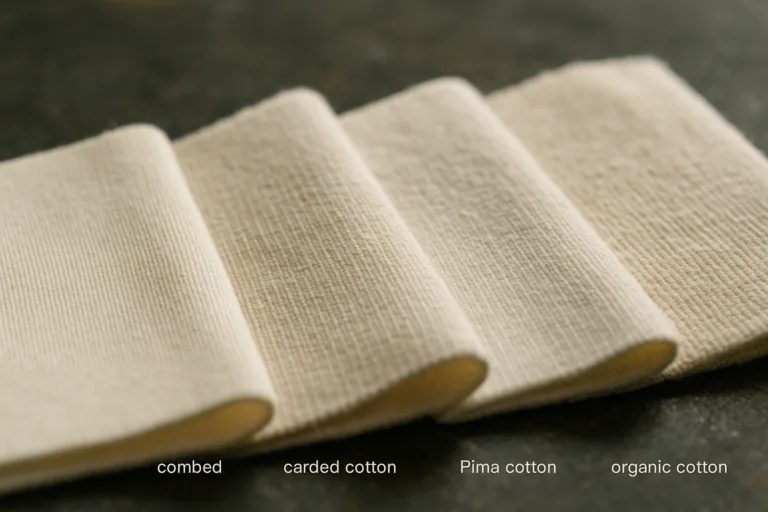
“Cotton fabric types” refers to the variety of textiles made from cotton fibers, differentiated by fiber selection, processing methods, and cultivation practices. In production, the main categories are:
- Combed cotton: extra-smooth, high-quality yarn produced by removing short fibers.
- Carded cotton: basic, more affordable cotton with a natural, slightly fuzzy hand.
- Pima cotton: premium long-staple cotton, prized for its strength and softness.
- Organic cotton: grown without synthetic chemicals, focusing on environmental responsibility.
Selecting the right type depends on the garment’s intended use, the desired feel against the skin, durability requirements, and your project’s budget or sustainability targets. The differences begin with the cotton fiber itself and extend through spinning, weaving/knitting, and finishing.
Why Choosing the Right Cotton Fabric Matters
Material selection influences not just comfort and style, but also shrinkage, seam performance, color fastness, and the lifetime value of apparel. When reviewing specifications or sample swatches at the factory, always verify the cotton type, as the choice will affect GSM, drape, and even print/embroidery results. For example, combed cotton t-shirts resist pilling and feel silkier, while carded cotton may offer a rustic, casual look for certain workwear lines. Pima and organic cottons raise quality or sustainability benchmarks for premium fashion collections.
Key Parameters
- Staple length (fiber length)
- Yarn processing (combed vs. carded)
- Origin and certification (for pima and organic)
- Handfeel and appearance
- Cost per kilogram or per meter
Understanding Combed Cotton
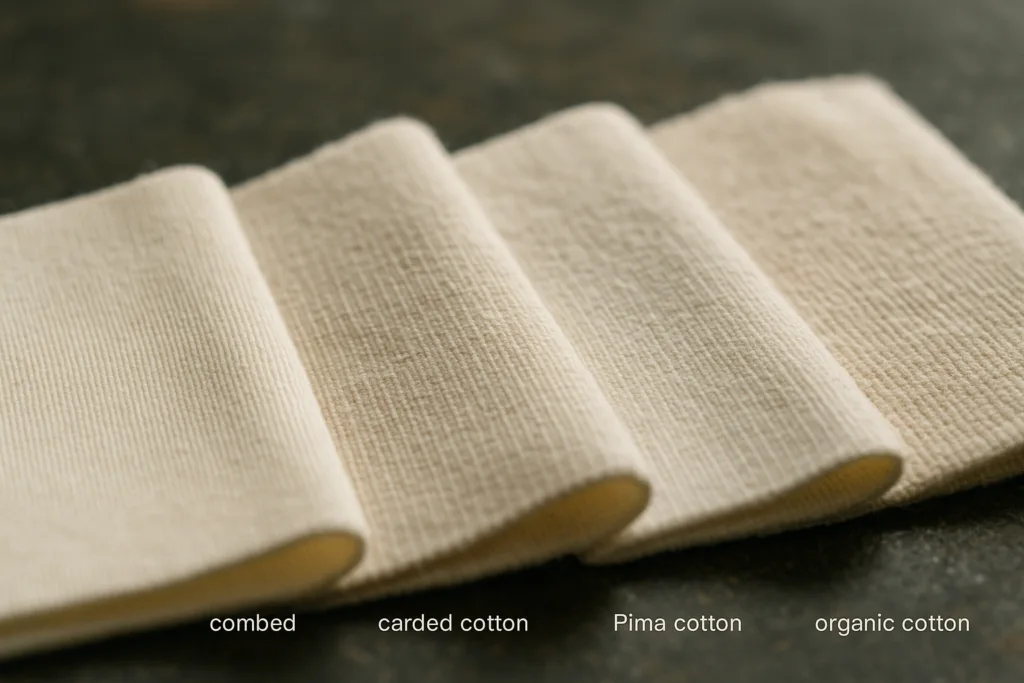
Combed cotton is manufactured by an additional step after carding, where fine brushes remove impurities and short fibers, leaving only the longest, straightest cotton strands. This process results in higher-quality yarns that are smoother, stronger, and more even.
Feel and Durability
The touch is exceptionally soft, with a clean, refined appearance and a subtle luster. Durability improves as short, weak fibers are removed, reducing loose ends and pilling. In mass production, apparel made from combed cotton passes more stringent resistance tests and maintains its surface integrity through repeated washing.
Common Uses
- High-quality t-shirts (especially for fashion or branding)
- Underwear and base layers
- Baby wear and bedding
- Premium polo shirts and sportswear
Cost Comparison
Combed cotton costs 10-20% more than similar carded grades, due to increased waste and the extra processing step. This is justified for mid- to high-end garments where feel and longevity are selling points.
Advantages & Limitations
| Aspect | Combed Cotton |
|---|---|
| Softness | Very high, smooth hand |
| Durability | Low pilling, strong seams |
| Best for | Premium apparel, close-to-skin items |
| Cost | Moderate to high |
| Limitations | Not ideal for rugged workwear or cost-driven basics; slightly lower bulk |
Rain’s Tip from the Production Line: Always specify combed yarn on your technical pack or fabric order sheet if you require a polished surface. Some mills blend combed/carded or use open-end (OE) yarns—request lab dips and physical swatches to verify.
Exploring Carded Cotton
Carded cotton is the foundational cotton type used in most large-volume, budget-friendly garments. After ginning, the raw cotton is carded—fibers are separated and roughly aligned into a sliver, removing major debris but leaving a mixture of fiber lengths. This is spun into yarns with a slightly irregular texture.
Feel and Durability
Carded cotton feels more textured, sometimes a bit rougher, and tends to have a matte appearance with visible fiber ends. While not as strong as combed, well-made carded cotton can stand up to frequent wear, particularly in heavier GSM fabrics.
Common Uses
- Basic t-shirts and promotional tees
- Casual sweatshirts and hoodies (lining sides)
- Children’s casual wear
- Workwear (when cost matters more than feel)
Cost Comparison
Carded cotton is the benchmark for price efficiency, costing 10–15% less than combed grades. If maximum softness or surface consistency isn’t critical, carded cotton delivers a solid balance for large volume programs.
Advantages & Limitations
| Aspect | Carded Cotton |
|---|---|
| Softness | Medium, more rustic hand |
| Durability | Good in higher weights, less pilling control |
| Best for | Promotional, entry-level, workwear |
| Cost | Low to moderate |
| Limitations | Tends to pill and fade earlier, inconsistent dye uptake |
Pima Cotton: The Luxury Fiber
Pima cotton is an extra-long staple (ELS) cotton grown primarily in the United States, Peru, and Australia. Its fibers average 35–40mm, much longer than standard upland cotton. This unique fiber length enables production of extremely fine, strong, and lustrous yarns suitable for luxury garments.
Feel and Durability
Pima cotton is renowned for its exceptional softness, supple drape, and silky sheen. The fiber’s strength ensures garments made from pima resist fraying, tearing, and pilling longer than regular cotton. In Apparel Wiki’s inspection lines, pima cotton fabrics routinely pass stringent abrasion and pilling tests set by high-end retailers.
Common Uses
- Luxury t-shirts and polos
- High-end shirts, dresses, blouses
- Boutique-level bedding
- Branded fashion pieces where touch and long-term look matter
Cost Comparison
Pima cotton costs 30–50% more than combed or organic cotton due to its selective growing, limited supply, and GOTS or Supima® certification requirements. The investment targets consumers demanding the very finest experience and longevity.
Advantages & Limitations
| Aspect | Pima Cotton |
|---|---|
| Softness | Top tier, cashmere-soft hand |
| Durability | Highest tear and pill resistance |
| Best for | Luxury brands, heirloom pieces, sensitive skin |
| Cost | Premium |
| Limitations | High cost; beware mislabeling (always check origin and certification) |
Organic Cotton: Responsible Choice
Organic cotton is cultivated using certified methods that avoid synthetic pesticides, fertilizers, and GMOs. Most organic cotton is regular- or long-staple but processed with the same spinning options (carded, combed, or ring-spun). It focuses on reducing environmental impact and protecting soil health and farmer communities. Look for third-party certification from entities such as GOTS or OEKO-TEX®.
Feel and Durability
Feel depends on staple length and spinning, but organic cotton is typically praised for its purity, natural hand (sometimes crisper), and less ‘chemical softness’. Durability is comparable to conventional cotton when grown and processed with care.
Common Uses
- Eco-friendly t-shirts and hoodies
- Sustainability-focused brands
- Baby items, bedding, underwear
- Collections requiring OEKO-TEX® or GOTS compliance
Cost Comparison
Organic cotton prices typically run 20–40% above standard due to certification fees, lower yields, and restricted chemical use. However, environmental and marketing benefits can outweigh the extra cost—especially as more conscious consumers seek organic certifications on the care label.
Advantages & Limitations
| Aspect | Organic Cotton |
|---|---|
| Softness | Varies by process (often crisp-clean or soft with enzyme finishing) |
| Durability | Good when staple length and spinning are correct |
| Best for | Ethical brands, babywear, customers with sensitive skin |
| Cost | Moderate to High |
| Limitations | Color variability, supply chain complexity, higher cost |
Comparing Cotton Fabric Types: Table Overview
| Fabric Type | Typical GSM Range | Feel/Touch | Durability | Common Uses | Relative Cost |
|---|---|---|---|---|---|
| Combed Cotton | 140–220 gsm | Smooth, silky | High | Fashion tees, premium basics | $$ |
| Carded Cotton | 130–250 gsm | Matte, slightly fuzzy | Medium | Promo, value basics | $ |
| Pima Cotton | 120–180 gsm (knits) | Lustrous, ultra-soft | Very high | Luxury, boutique wear | $$$ |
| Organic Cotton | 140–220 gsm | Natural, pure hand | Medium–High | Eco-friendly, ethical lines | $$ |
Where Each Cotton Fabric Type Excels
Differentiating applications and performance is critical for each cotton type. The following lists help clarify the best fit for specific garment lines:
Best Applications for Each Cotton Type
- Combed Cotton: Slim-fit fashion t-shirts, branded streetwear, soft-touch polos, children’s sleepwear
- Carded Cotton: Promotional tees, value sweatshirts, sports uniforms with high turnover, cost-driven workwear
- Pima Cotton: Designer basics, fine knitwear, high-end shirting, delicate baby pieces
- Organic Cotton: Sustainable collections, yoga and activewear, underwear, organic-labeled infant garments
Use Case Checklist for Buyers & Designers
- Define garment usage scenario (fashion, promo, luxury, sustainability)
- Set minimum handfeel and durability specs
- Evaluate cost allowance for fabric/yarn type
- Request lab dips and physical hand swatches for approval
- Check certifications for pima/organic claims
- Test for shrinkage, pilling (Martindale), and colorfastness pre-shipment
How Processing Affects Cotton’s Feel & Performance
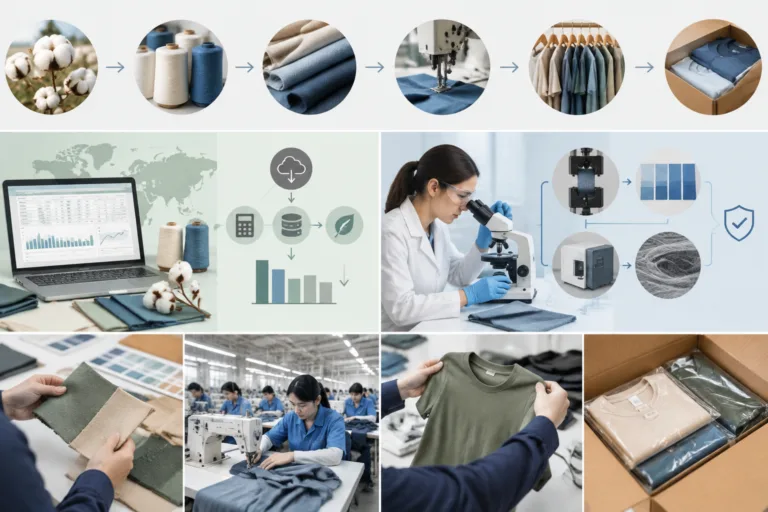
The route from fiber to finished fabric determines much of cotton’s character, regardless of type. The main processing pathways include:
- Carding (basic fiber opening, moderate cleaning)
- Combing (advanced cleaning, aligning only longest fibers)
- Ring spinning vs. Open-end spinning (ring is smoother for finer knits; OE is more economical but fuzzier)
- Mercerizing (surface treatment for shine and dye uptake, often used on combed or pima cotton)
- Enzyme or bio-polishing (surface smoothing, reduces pilling especially for premium lines)
Each step impacts the GSM, drape, and finished look. For example, enzyme finishing is often required in export knits to meet heavy-wash stability tests demanded by Japanese and European buyers.
Quality Control and Testing for Cotton Fabrics
From the inspection table to the final press, cotton’s performance must be verified through rigorous, standard tests. Key checks for mills and apparel factories include:
- Dimensional stability: Shrinkage after washing must be within tolerance (usually below 5%).
- Pilling tests: Martindale testers simulate abrasion; pima should score 4–5 after 10,000 cycles, combed cotton above 3.5.
- Colorfastness: To washing, light, and rubbing. Carded cotton may fade faster, especially under aggressive dyeing.
- Knit torque/spirality: Ensures t-shirts don’t twist badly after washing (common with carded/yarn blends).
- Physical hand tests: Experienced QC will crumple and stretch fabric to feel resilience and recovery.
Always request specific test reports and retain pre-production samples for comparison, especially for important programs using pima or organic cottons.
Ordering and Specifying Cotton Fabric Types in Bulk
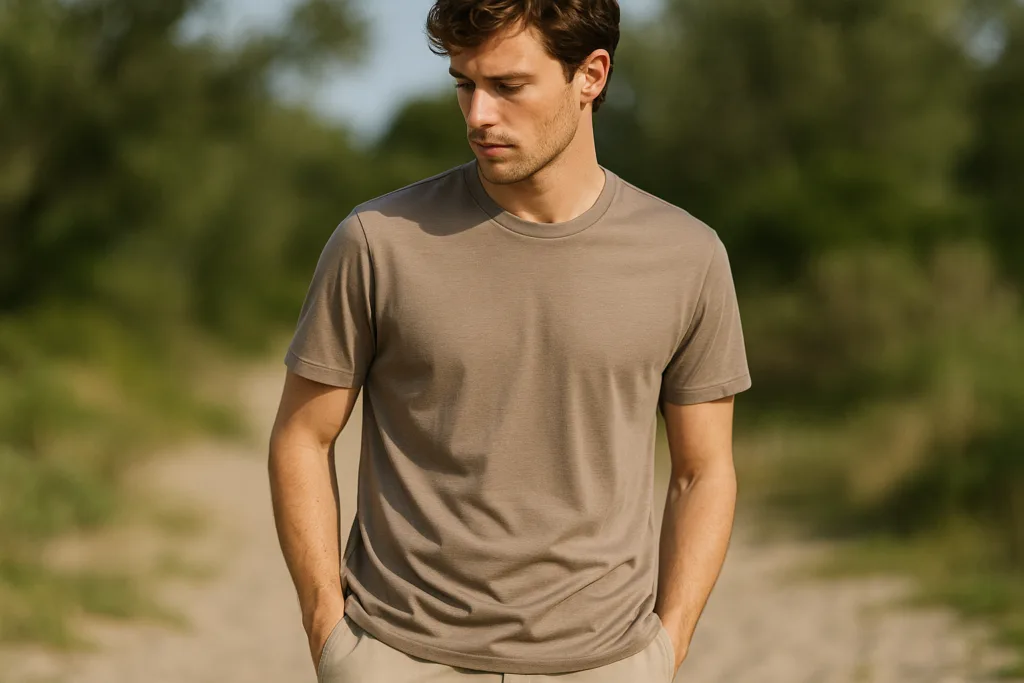
An effective order begins with a clear technical sheet and a precise description of your cotton requirements. Critical points to specify:
- Fiber origin and type: If pima, country/certification; if organic, GOTS/OEKO-TEX® standard.
- Processing method: Combed or carded, plus desired yarn count (e.g., 32/1 for premium tees).
- Knitting/weaving density: Machines per inch for knits (e.g., 28 gauge for light jersey), weave for wovens.
- Fabric specs: GSM/oz/yd², width, shrinkage tolerance, shade range.
- Finishing details: Enzyme, silicone, bio-wash, or mercerization needed for feel and surface look.
In many contract factories, a detailed tech pack is the key to avoiding mislabeling or short-cut switches. Always ask for pre-production and size set samples before authorizing bulk runs.
Frequently Asked Questions
What is the main difference between combed and carded cotton?
Combed cotton is processed to remove short fibers and impurities, resulting in a smoother, stronger yarn with less pilling, while carded cotton keeps more fiber variety and has a coarser touch.
Is pima cotton the same as Egyptian cotton?
No, both are extra-long staple cottons but grown in different regions; pima cotton is primarily from the US, while Egyptian cotton comes from Egypt, each with unique characteristics and certifications.
Why is organic cotton more expensive?
Organic cotton is pricier due to lower yields, lack of chemical aids, strict certification fees, and more careful supply chain management, impacting both farm and factory costs.
Can combed or pima cotton shrink?
Yes, all cotton can shrink if not pre-shrunk or properly finished; preshrink and enzyme treatments reduce shrinkage, but always follow recommended care instructions and check test results.
Which type of cotton is best for sensitive skin?
Pima cotton and certified organic cotton are preferred for sensitive skin because they are pure, smooth, and produced with fewer irritants compared to regular carded types.
How can I verify if a product uses genuine pima or organic cotton?
Look for certifications such as Supima® for pima or GOTS/OEKO-TEX® for organic cotton on product labels, plus request supplier traceability or test reports if possible.