Understanding Excessive Shrinkage in Garments
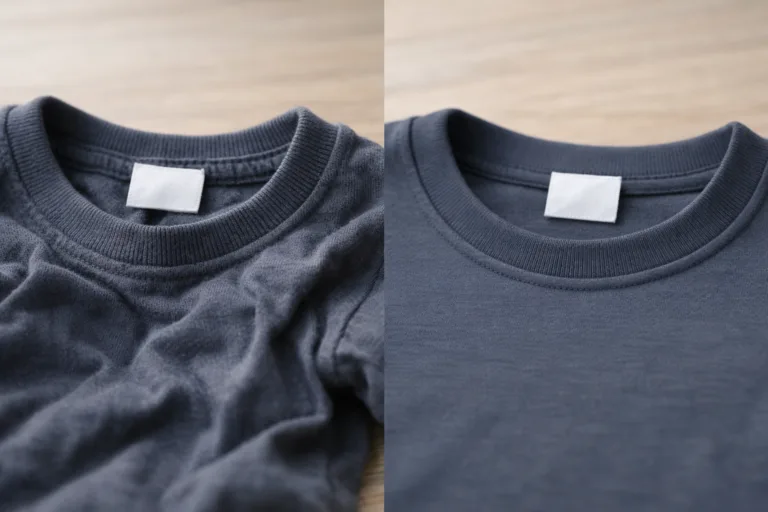
Shrinkage refers to the reduction in the dimensions of a garment, typically occurring during washing, drying, or regular wear. While minor shrinkage is considered normal (usually within 3–5% for most cotton knits), anything above the industry-accepted tolerance can severely compromise fit and performance. Excessive shrinkage, in practical terms, means the garment loses so much length or width that it no longer fits its intended size bracket or spec sheet requirements.
How to Measure Shrinkage
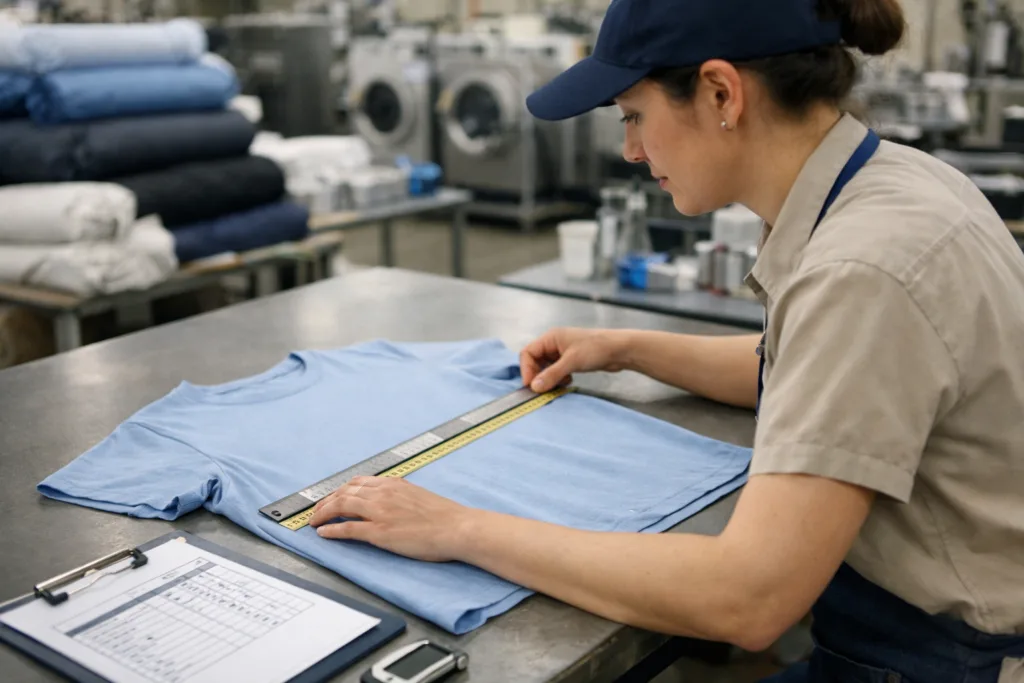
- Take precise measurements of the garment before washing (length, width, sleeve, etc.).
- Wash and dry as per care label instructions.
- Re-measure after washing and calculate percentage change.
Industry Standards for Acceptable Shrinkage
Most apparel brands accept up to 5% shrinkage on knits, and often less for woven fabrics. For example, a 70cm long T-shirt should not shrink more than 3.5cm in length.
What Causes Excessive Shrinkage?
Understanding the root cause of excessive shrinkage helps determine the best fix and future prevention. Shrinkage is influenced by multiple factors related to both materials and processing.
Main Causes
- Fiber Type: Natural fibers like cotton and viscose are more susceptible to shrinkage than synthetics like polyester or nylon. Blends can moderate or exacerbate this effect.
- Fabric Construction: Looser knit structures (e.g., single jersey) shrink more than tightly woven fabrics. Higher GSM fabrics may stabilize better.
- Processing Methods: Inadequate pre-shrinking (compacting, sanforizing), insufficient fabric relaxation, or improper drying in production can all lead to fabric instability.
- Care Practices: Home or commercial laundering using hot water, harsh detergents, or over-drying will amplify shrinkage.
Shrinkage Risk Table by Fabric
| Fabric Type | Typical Shrinkage (%) | Influencing Factors | Durability |
|---|---|---|---|
| Cotton Jersey | 3–8 | Fiber maturity, finishing | Medium |
| Cotton-Polyester Blend | 2–5 | Blend ratio, finishing | High |
| Piqué Knit (Polo) | 3–7 | Knitting tension | Medium |
| Denim | 1–3 | Sanforizing, washing | High |
| Viscose/Rayon | Up to 10 | Fiber processing | Low |
How to Identify the Cause of Excessive Garment Shrinkage
To fix and prevent excessive shrinkage, first identify where and why it occurred. Methodical inspection, as practiced in garment factories, clarifies whether it’s a material fault, process error, or user mishap.
Inspection Steps
- Check care labels: Were correct procedures used during laundry?
- Fabric testing: Was the fabric pre-shrunk or fully finished?
- Production audit: Was fabric relaxed before cutting? Was garment washed in production?
- Pattern review: Was shrinkage allowance added to the pattern?
- Compare with control samples: Size set/reference pieces reveal issues due to batch variation.
Lab Testing for Shrinkage
Professional labs run shrinkage and dimensional stability tests using AATCC 135 or ISO 6330 standards for accurate diagnostics in bulk production.
Shrink Fixes: What To Do When Your Garment Shrinks Too Much
If your garment has experienced excessive shrinkage, there are practical ways to address the issue—though some solutions are more effective in production than at the consumer stage. Here’s a structured approach:
For Individual Garments (After Purchase)
- Gentle Reshaping: Wash the item in lukewarm water, then gently stretch and reshape it back to its original size while damp. Lay flat to dry (sweaters, knits) or hang (shirts, dresses). Do not wring or tumble dry.
- Steam Treatment: Use a garment steamer or an iron with steam setting to relax the fibers slightly and help restore some of the lost dimensions.
- Professional Block Stretching: Tailors may offer wet blocking or pressing services for natural fiber garments, especially for items like wool sweaters.
- Alteration: If resizing fails, a skilled tailor might add panels, extend hems, or modify the fit for salvage.
For Bulk Production (Factory Response)
- Assess Overall Lot: Check shrinkage rates on all affected units and compare with measurement specs and tolerances.
- Rewash or Refinish: Sometimes, garments can be gently reprocessed in-house with special finishes (softening, controlled stretching), especially before final pressing and packing.
- Alter Patterns for Reproduction: Patterns can be adjusted (adding the established shrinkage percentage) and remade if stock fabric remains, or for future batches.
- Supplier/Factory Collaboration: Engage with fabric mills to review finishing standards or with garment suppliers to improve cutting, relaxation, and washing processes.
Rain’s tip from the production line: “In export factories, we always measure pre- and post-wash size sets using customer’s exact care instructions. This avoids last-minute surprises and costly reworks.”
How to Adjust Patterns for Shrinkage Allowance
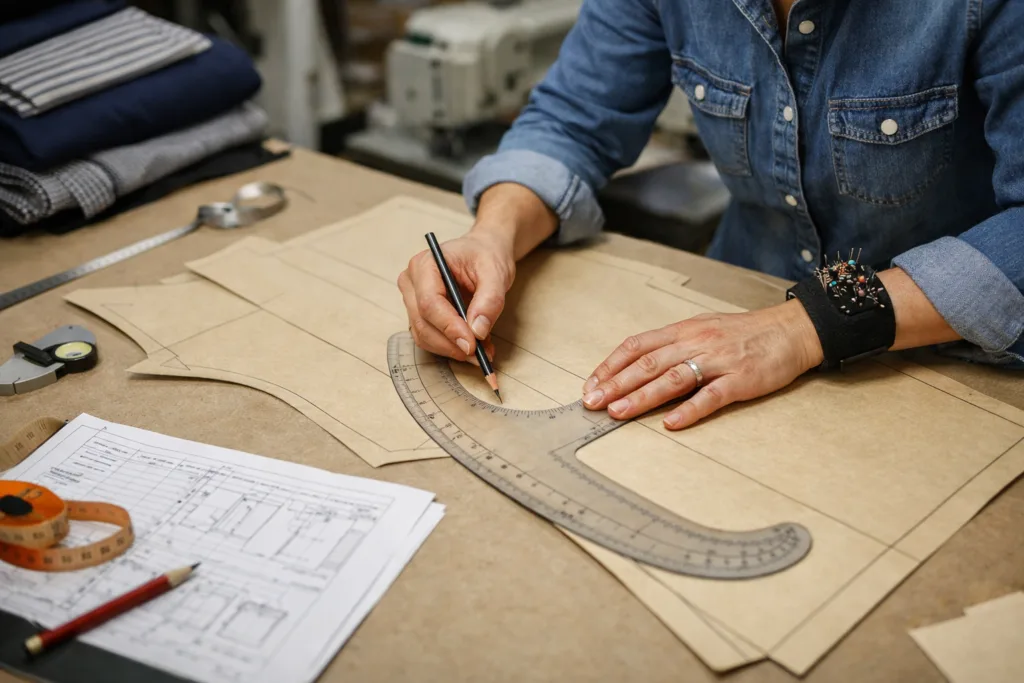
Pattern adjustment is the most reliable method to counteract garment shrinkage in manufacturing. By building in shrinkage allowance, finished goods will return to correct measurements after washing.
Steps to Adjust Patterns
- Test fabric yardage for expected shrinkage (% in length and width).
- Calculate finished measurements required after washing/wearing (as per brand spec).
- Reverse-calculate pattern measurements: Initial dimension = Finished dimension x (1 + shrinkage %).
- Update patterns and grading markers accordingly.
Things to Watch
- Apply vertical and horizontal shrinkage separately; fabric may behave unevenly.
- Re-confirm shrinkage on every lot; material changes can shift percentages.
- Record all findings for future seasons and bulk orders.
Pre-Shrinking Methods and Best Practices
Proper pre-shrinking during fabric processing and garment production is crucial to minimize excessive shrinkage. Industrial-level solutions are far more effective for ensuring stable results.
Main Pre-Shrinking Techniques
- Mechanical Compaction: Fabric is fed through compacting machines to reduce post-wash shrinkage, commonly used for knits and sweatshirts.
- Sanforizing: For woven fabrics (especially denim), sanforizing compresses and stabilizes fibers, vastly minimizing dimensional change.
- Heat Setting: Synthetics (polyester, nylon) benefit from controlled heat treatments to lock in fabric size.
- Relaxation before Cutting: Allowing fabrics to rest (24–48 hours) before spreading and cutting reduces in-garment shrinkage, particularly for knits.
- Pre-Washing: Some brands ‘prewash’ entire garments after assembly, ensuring stable sizing before retail.
Factory Checklist for Shrinkage Control
- Test all fabric lots for shrinkage, not just lab dips.
- Document shrinkage on spec sheet and update patterns each season.
- Train QC teams on correctly measuring pre- and post-wash samples according to end-user laundering conditions.
- Regularly calibrate compacting and drying machinery.
- Maintain open communication with fabric suppliers on shrinkage requirements and data.
Care Tips to Prevent Excessive Shrinkage
Proper garment care makes a substantial difference. If you’re a consumer, retailer, or even laundry service, following manufacturer’s guidelines helps preserve shape and sizing.
Shrinkage Prevention Tips
- Read and follow garment care labels strictly.
- Avoid hot water (<40°C/104°F) for washing cotton, viscose, modal, or blends with natural fibers.
- Reduce mechanical agitation—use gentle cycles.
- Air dry flat or hang—avoid high heat from dryers, which shrinks even ‘pre-shrunk’ fabrics.
- If tumble drying is inevitable, use the lowest heat and remove garments promptly.
- Iron with steam to gently relax minor shrinkage, but never press hard on stretched fibers.
Best Materials and Constructions for Shrinkage Resistance
Some materials, constructions, and finishes are inherently better at minimizing shrinkage risk. Commercial buyers and designers can minimize returns and complaints by making informed fabric and finish choices.
Top Choices for Shrink-Resistant Garments
- Polyester and poly-blends (CVC, TC fabric) offer reliable dimensional stability and minimal shrinkage.
- Mercerized or pre-shrunk cottons demonstrate better resistance than standard open-end cottons.
- Tightly woven fabrics (e.g., poplin, twill) shrink less than loose knits.
- Synthetics treated with heat-setting maintain shape exceptionally well.
- Look for ‘pre-shrunk’ or ‘sanforized’ in product descriptions.
Finishing Treatments That Help
- Resin/anti-shrink finishes: Common on shirts and corporate uniforms.
- Enzyme washes: For knits, this smooths fibers and stabilizes dimensions.
- Bio-polishing: Reduces pilling and fiber fuzz, enhancing fabric integrity post-laundry.
Cost Impact and Brand Reputation: Why Shrinkage Control Matters
For brands and factories, failure to control shrinkage leads to customer complaints, high return rates, and reputational damage. Warranty claims for out-of-spec sizing can erode profits and relationships. On the consumer side, excessive shrinkage turns great garments into wardrobe disappointments.
How Brands Manage Shrinkage Risks
- Build clear shrinkage targets into tech packs and purchase orders.
- Work closely with mills on performance finishes and certification standards (e.g., OEKO-TEX® Standard 100).
- Educate consumers on proper care through accurate labels and post-sale support.
- Document all QC checks for transparency during audits and claims.
Common Myths and Traps
- ‘Pre-shrunk’ labels aren’t a free pass—harsh home laundering still damages.
- Even synthetic blends can shrink if constructed with poor stability or untreated trims.
- Branded finishes are not a substitute for proper raw material control and process discipline on the factory floor.
What should I do if my garment shrinks too much?
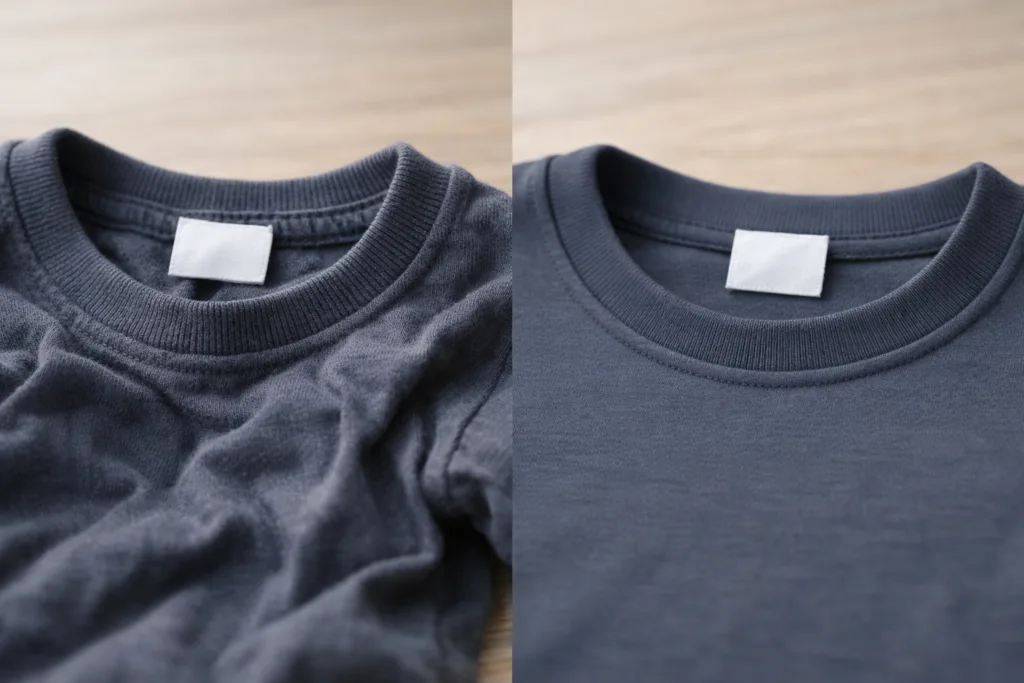
If your garment suffers from excessive shrinkage, immediate solutions at home are limited but can include gentle stretching, steam, and reshaping while damp. Prevention is always the best route: Choose shrink-resistant fabrics, ensure correct wash care, and—if you’re purchasing or producing garments—select suppliers who guarantee proper fabric finishing and pattern allowance. For designers and factories, the most effective long-term fix is to rigorously test shrinkage, apply correct pattern adjustments, pre-shrink fabrics, and enforce strict quality checks before bulk production. Following best practices protects your investment and reputation, whether for individual pieces or whole collections.
Frequently Asked Questions
Can I completely reverse excessive shrinkage in my clothes?
No, you can rarely restore a garment to its exact original size after severe shrinkage, but some length and width can be recovered through gentle stretching and steaming while damp.
What fabrics are most at risk for excessive shrinkage?
Cotton, viscose/rayon, and loosely knitted garments are most prone to excessive shrinkage, especially if not pre-shrunk or handled gently during washing and drying.
How do professionals prevent shrinkage in bulk production?
Professionals test every fabric lot, adjust patterns for expected shrinkage, use mechanical compacting or sanforizing, and relax fabric before cutting to ensure stable garment sizing.
Are synthetic fabrics immune to shrinkage?
No, synthetics like polyester and nylon are less likely to shrink but can change shape if exposed to excessive heat or if constructed improperly during garment making.
Why do some pre-shrunk garments still shrink?
Even pre-shrunk garments can shrink more if washed or dried at higher temperatures than tested for, or if trims and accessories weren’t pre-shrunk properly.
What shrinkage allowance should I add when making patterns?
The allowance depends on fabric type and construction but generally ranges from 3–7% for cotton knits and 1–3% for woven or blended fabrics; always test your specific lot.