Introduction
Starting your own clothing brand or line is an exciting venture, but it can also be daunting, especially when it comes to production. One of the most critical and challenging steps is learning how to find a manufacturer for clothing that aligns with your vision, quality standards, and budget. It’s a process that demands research, good judgment, and practical sourcing strategies. In this article, we’ll break down five proven sourcing methods, uncover the key steps for successful production, and share insights from industry veterans to help streamline your journey from concept to finished product.
Why the Right Manufacturer Matters
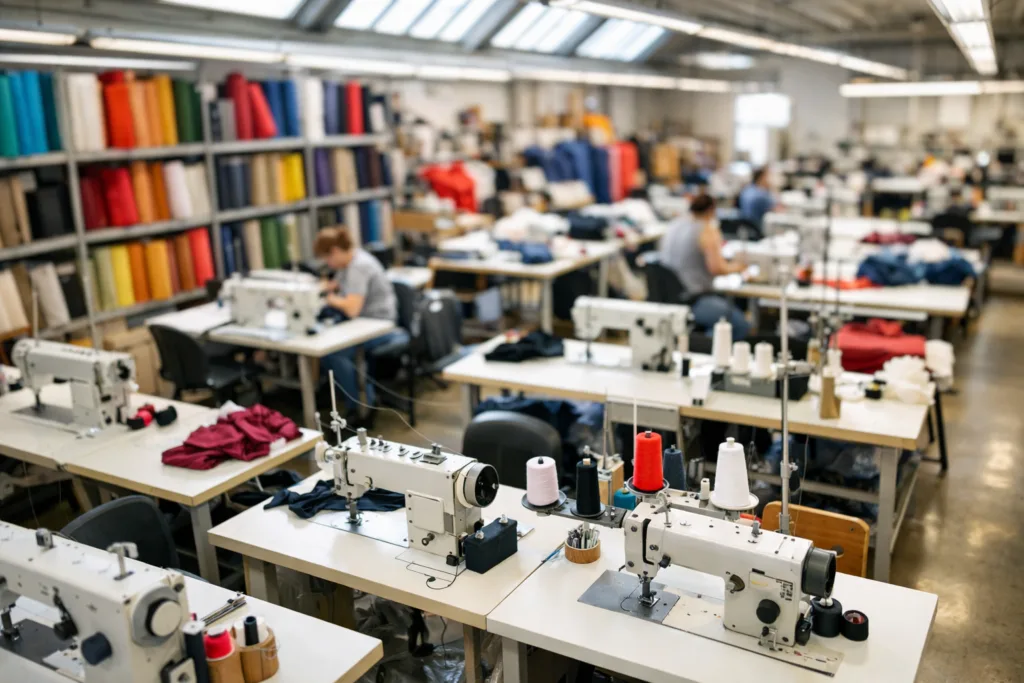
Before diving into the how-to, it’s crucial to understand why the choice of manufacturer is so important. The right factory ensures your garments meet quality expectations, hit deadlines, and keep you competitive in cost and service. A poor choice, on the other hand, can lead to delays, increased costs, or product recalls.
How to Find a Manufacturer for Clothing
When considering how to find a manufacturer for clothing, it’s vital to know the common sourcing methods, what makes a factory reliable, and how to differentiate between options that only look good on paper and those that truly deliver. We’ll explore five proven methods, each with their own strengths, risks, and practical tips for success.
Assess Your Clothing Production Needs
Before you start searching, clarify your product requirements. Consider your clothing category, target price points, order size, preferred materials, and desired lead times. Precise tech packs and clear expectations make your search more focused and productive.
Online Sourcing Platforms: Alibaba, GlobalSources & Beyond
Online platforms like Alibaba and GlobalSources have transformed garment manufacturing. They allow brands to connect directly with thousands of clothing factories worldwide. You can filter by location, product type, minimum order, and certifications, then review factory profiles and initial offers before making contact.
- Alibaba: Huge supplier network, reviews and verification systems, built-in messaging and order protection. Beware of middlemen posing as factories.
- GlobalSources: Focuses more on certified suppliers, strong presence in China and Asia, industry-specific trade content, and improved vetting versus some competitors.
- Other platforms: Sites like Maker’s Row (US-focused) and Kompass (Europe-wide) can be valuable for region-specific sourcing if you want to avoid long-distance logistics.
Key tips: Confirm manufacturer status (not just trading companies), review certifications, and request references. Samples are essential before committing to any bulk order.
Maximizing Value at Trade Shows
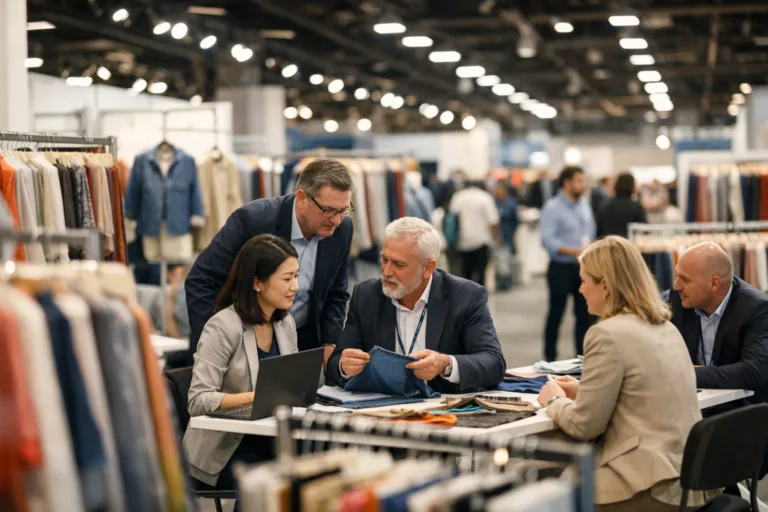
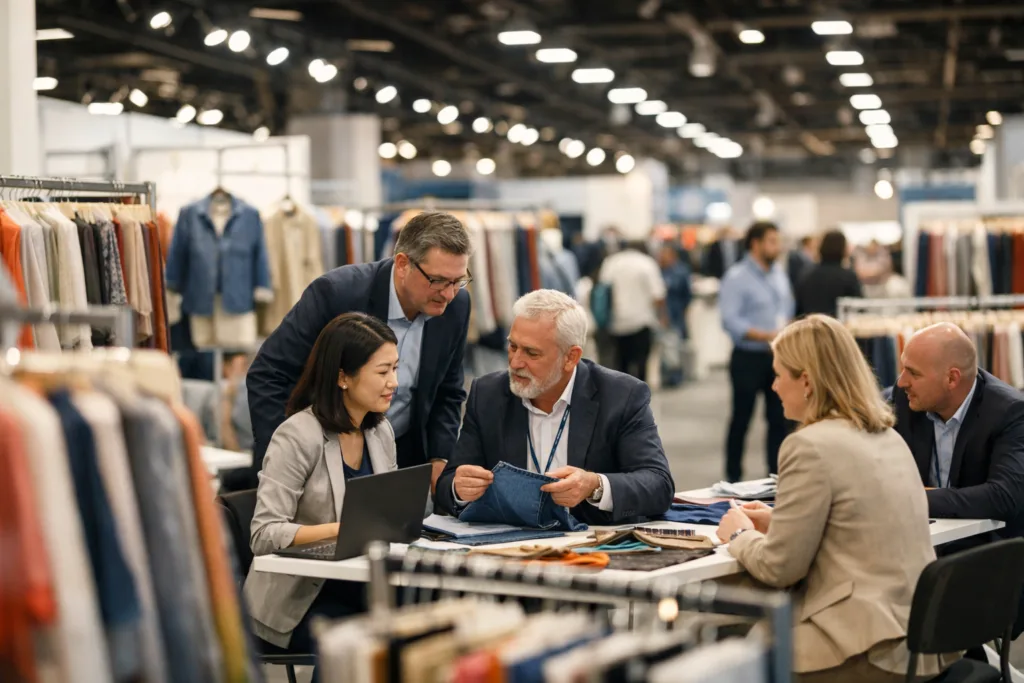
Trade shows remain one of the most trusted ways to find credible clothing manufacturers. Here, you can handle fabric samples, check construction quality, and speak face-to-face with representatives about capabilities, minimums, and process.
- Key international shows: Canton Fair, MAGIC Las Vegas, Première Vision (France), Intertextile (China), and Texworld (New York, Paris).
- Benefits: Immediate interaction, physical verification of goods, networking with other industry professionals.
- Drawbacks: Travel costs, time-intensive, and sometimes language barriers.
To prepare, bring your tech packs and clear business cards. Know your order size and introduce yourself honestly. Take photos, notes, and compare each factory after the show.
Leveraging Your Network: Introductions from Supply Chain Insiders
One often-overlooked method in how to find a manufacturer for clothing is getting referrals. Recommendations from sourcing agents, fabric suppliers, or even competing brands can open doors to trustworthy manufacturing partners. People in the industry know who delivers quality, communicates reliably, and works well with new clients.
- Ask fabric mills or trims suppliers for manufacturer contacts.
- Reach out to local fashion business groups or garment clusters.
- Use LinkedIn for industry connections and vetting backgrounds.
With an introduction, you often get better service and an honest look at the factory’s strengths and weaknesses before committing.
Industry Databases and Directories
Professional directories like Apparel Search, Kompass, and The Sourcing District compile regional and global manufacturer data. These sources often list audited suppliers and allow filtering by specialties like knits, denim, activewear, or sustainable production.
- Apparel Wiki: As Rain Chen, a veteran garment production craftsman, points out: “Well-curated directories can help you bypass much of the guesswork, but details matter—always confirm current capacity, machinery, and management quality via direct conversation, not just listings.”
Remember, even with directories, verify all claims via reference checks and sample approvals.
Working with Sourcing Agents or Intermediaries
Sourcing agents act as local representatives on your behalf, handling supplier selection, negotiation, and sometimes production supervision. This is especially helpful if you lack experience with local factory practices or speak a different language. However, agent reliability varies, and there’s usually a fee or commission per order.
- Use agents with verifiable client references and clear fee structures.
- Ensure they have product category expertise, not just generic sourcing.
Creating a Supplier Shortlist
Once you’ve collected potential manufacturers, create a shortlist by comparing factory profiles, responses, and willingness to communicate. Factors to consider include:
- Production experience with your garment category
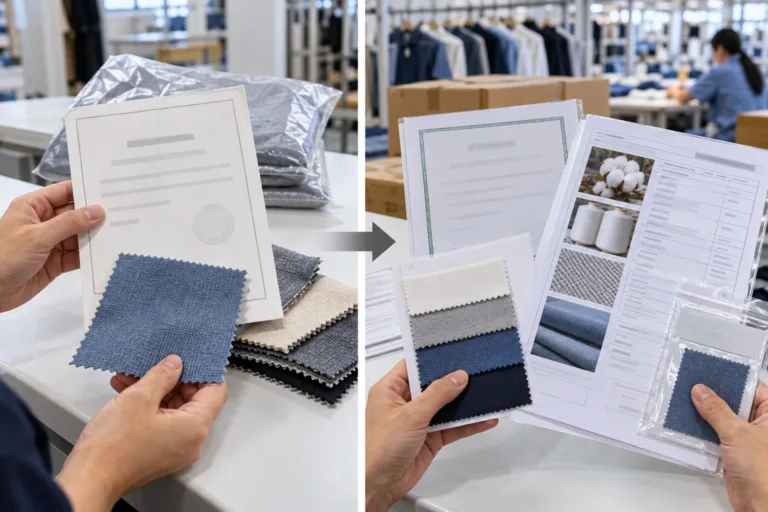
- Certifications (ISO, WRAP, OEKO-TEX, BSCI, etc.)
- MOQ (Minimum Order Quantity) flexibility
- Quality control systems
- Sample lead times and pricing transparency
How to Request a Quote (RFQ) Effectively
A strong Request for Quotation (RFQ) is essential in how to find a manufacturer for clothing. Clearly present:
- Product tech packs (with detailed measurements, fabrics, trims, finishing)
- Illustrations or reference photos
- Target quantity per style/size
- Required certifications or social compliance needs
- Target delivery dates
Ask for sample pricing, bulk pricing at various quantities, payment terms, and lead time details. Compare responses for completeness and clarity.
Evaluating Manufacturer Responses
When replies come in, look beyond price. Are the answers detailed? How clear is their English (or your mutual language)? Do they suggest improvements or just quote your spec? Compare sample fees, quality benchmarks, and transparency about delays and issues in communication.
Requesting & Evaluating Samples
Insist on receiving samples before signing any contract. Assess:
- Sample quality, finishing, and construction
- Material accuracy to tech pack
- Production time and shipping reliability
If possible, run fit and wash tests.
Due Diligence: Factory Audits & Certifications
For larger orders, it’s best to verify the factory firsthand via an on-site visit or third-party audit (SGS, Intertek, or Bureau Veritas). Confirm certifications, size of operations, and actual production capacity. Audit results will show quality management systems and social compliance.
Negotiating Terms & Agreements
Once you’re satisfied with a factory, negotiate written terms including quality standards, timelines, payment milestones, inspection procedures, and return policies. Ensure clear penalties exist for nonperformance. Review all agreements with legal or sourcing experts if possible.
The Role of Minimum Order Quantities (MOQs)
Many manufacturers set MOQs to balance their costs and efficiency. Small brands should look for factories that accept lower MOQs or are willing to test on smaller pilot orders. Always clarify whether MOQs are per color, per style, or per order total.
Understanding Lead Times and Production Schedules
Typical garment production lead time ranges from 30-90 days post-sample approval, varying with fabric sourcing, order complexity, and factory backlog. Build in buffer time for delays, especially during peak seasons or holidays.
Quality Control and Inspections
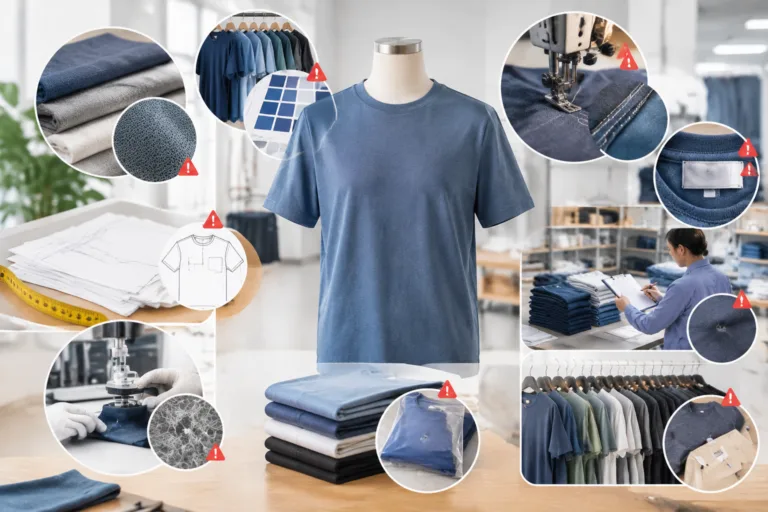
Set quality standards before production. Schedule at least one in-line and one final inspection. Use clear AQL (Acceptable Quality Limit) protocols and verify packaging, labeling, and packing requirements to prevent costly errors at destination.
Shipping Arrangements & Logistics
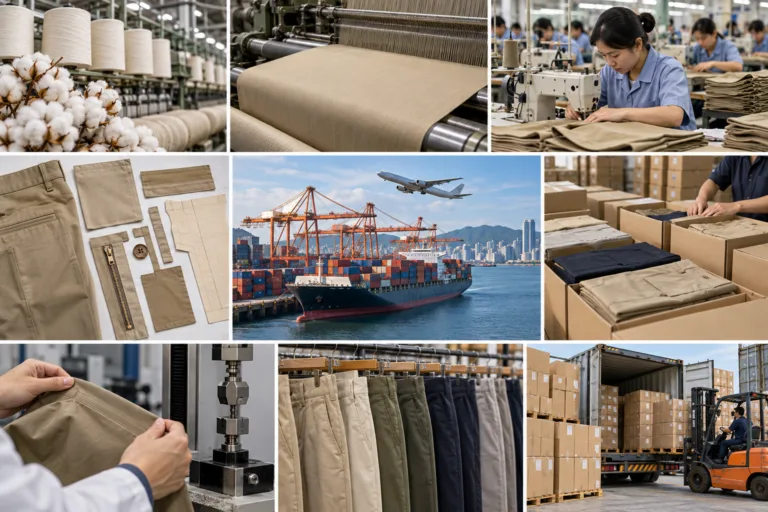
Discuss whether the factory handles FOB (Free on Board), CIF (Cost, Insurance, Freight), or DDP (Delivered Duty Paid) shipments. Understand import duties, labeling compliance, and customs paperwork for smooth delivery.
Common Pitfalls and How to Avoid Them
Common mistakes in how to find a manufacturer for clothing include:
- Choosing on price alone instead of overall value
- Poor communication, unclear specs, or lack of regular updates
- Unwillingness to conduct audits or visits
- No clear contracts or undefined quality expectations
Build strong relationships and always start with pilot orders.
How Apparel Wiki Helps Demystify Manufacturing
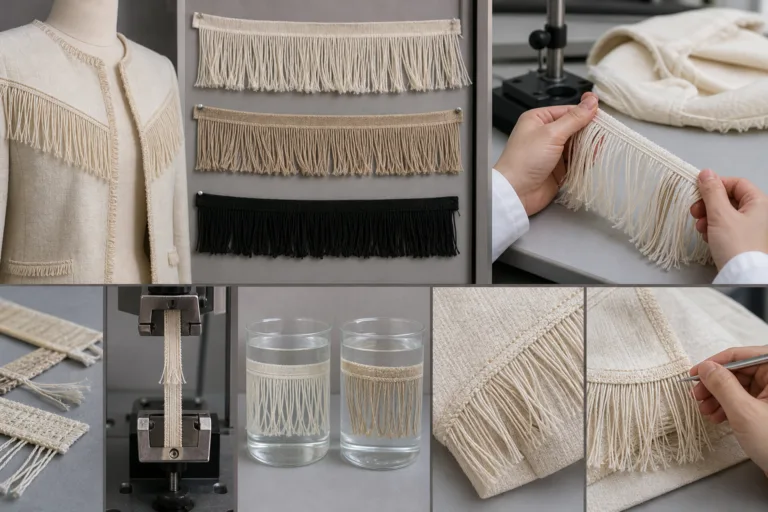
Sometimes, tricky sourcing issues aren’t solved by directories or online searches. Drawing on experience from the shop floor, Apparel Wiki’s network offers insights into fabric selection, benchmarking sewing quality, and setting up realistic lead times. Rain Chen recommends focusing on construction details in your RFQ, not just the big picture, to weed out factories that cut hidden corners. His advice: “Trust is built in the sampleroom and maintained with clear, written expectations.”
Adapting Sourcing Strategies for Growth
As your brand grows, revisit your manufacturer list annually. Factories that fit small orders may not manage larger runs, and vice versa. Consider developing backup suppliers and collaborating on new textiles or trims for unique collections.
Revisiting and Refining Your Manufacturer Search
Keep communication open and assess your working relationship after each season or collection. Use feedback to fine-tune your next search and continually improve the production process.
Conclusion
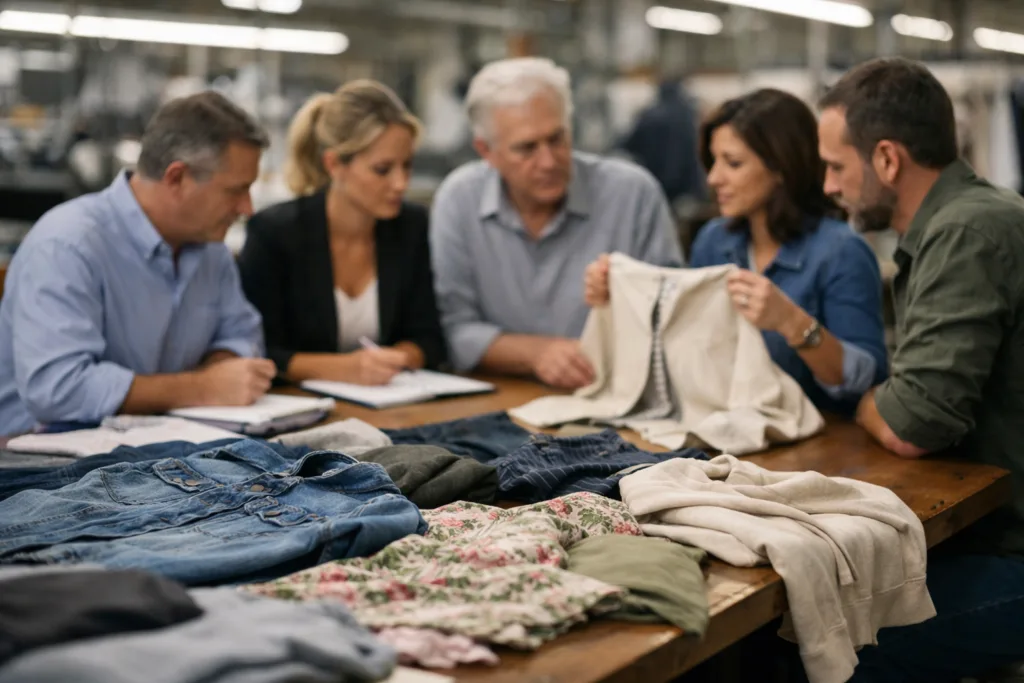
Finding the right clothing manufacturer takes patience and a structured approach. Whether you start online, travel to trade shows, or rely on an industry introduction, the best results come from careful research, transparent communication, and mutual trust. Leverage these five sourcing methods, ask the right questions, and be prepared to invest in building reliable partnerships. With these strategies in place, your apparel ideas can move confidently from concept to market.
Frequently Asked Questions
What’s the safest way to find a manufacturer for clothing?
Using verified platforms, reputable trade shows, and referrals, then always requesting samples and inspecting factories when possible, is the safest method.
How do I know if a factory is legitimate?
Look for certifications, physical address checks, third-party audits, customer references, and sample work to confirm legitimacy before placing large orders.
What’s the typical MOQ for clothing manufacturing?
MOQs vary between 100 to 1000 pieces per style, but some manufacturers offer lower MOQs for capsule collections or startups.
How do I protect my clothing designs when sharing with a manufacturer?
Use NDAs (Non-Disclosure Agreements), watermark design files, and build relationships with credible factories with a history of ethical conduct.
What should I include in my RFQ (quote request)?
Provide tech packs, quantities, delivery dates, fabric and trim specs, and quality requirements to get accurate quotes back from manufacturers.
Can I change manufacturers after production starts?
Yes, but it can cause delays, extra costs, and disruption. It’s best to evaluate alternatives early and transition only when necessary.