Understanding Colorfastness Test and Garment Color Test
Colorfastness test and garment color test are key practices in the textile and apparel industry. They determine how well a fabric maintains its color when exposed to wear, washing, rubbing, and perspiration. Whether you’re a manufacturer, brand, or consumer, understanding these tests helps you select garments that resist color fading or bleeding. This article explores the core methods, rating systems, and prevention practices involved in colorfastness testing for apparel.
What is Colorfastness in Apparel?
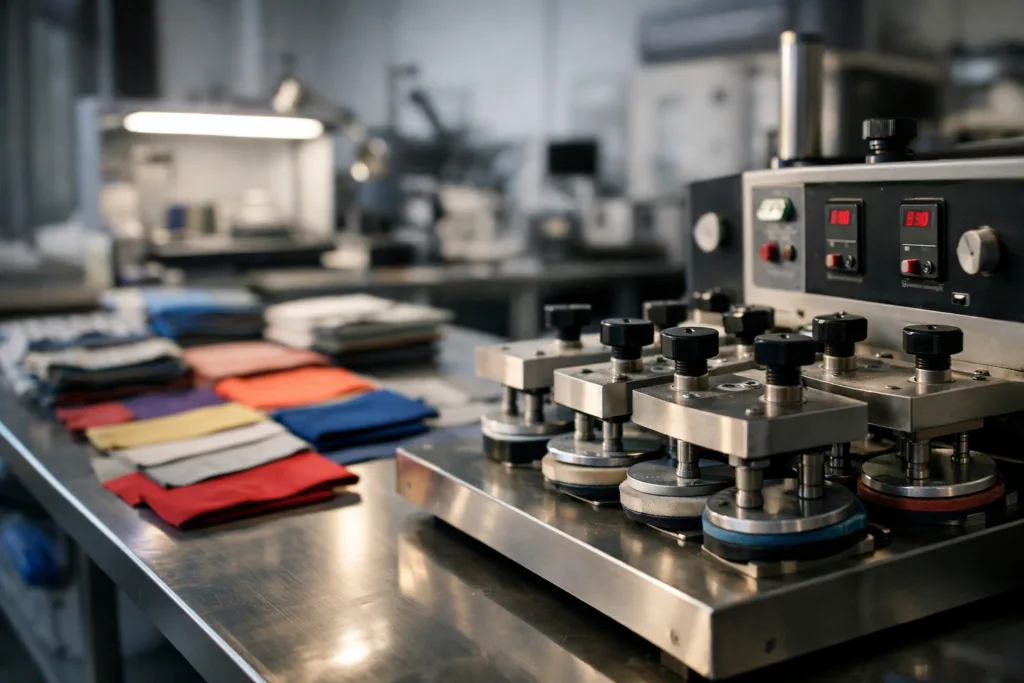
Colorfastness refers to a fabric’s ability to retain its color when exposed to conditions like washing, rubbing, sweat, and light. Poor colorfastness can lead to faded, patchy garments and color transfer, impacting both aesthetics and durability.
Major Types of Colorfastness Test
Apparel undergoes several colorfastness tests, each simulating different real-world stressors. The principal types include:
- Colorfastness to Washing
- Colorfastness to Rubbing (Crocking)
- Colorfastness to Perspiration
- Colorfastness to Light
- Colorfastness to Water
Colorfastness to Rubbing (Crocking Test)
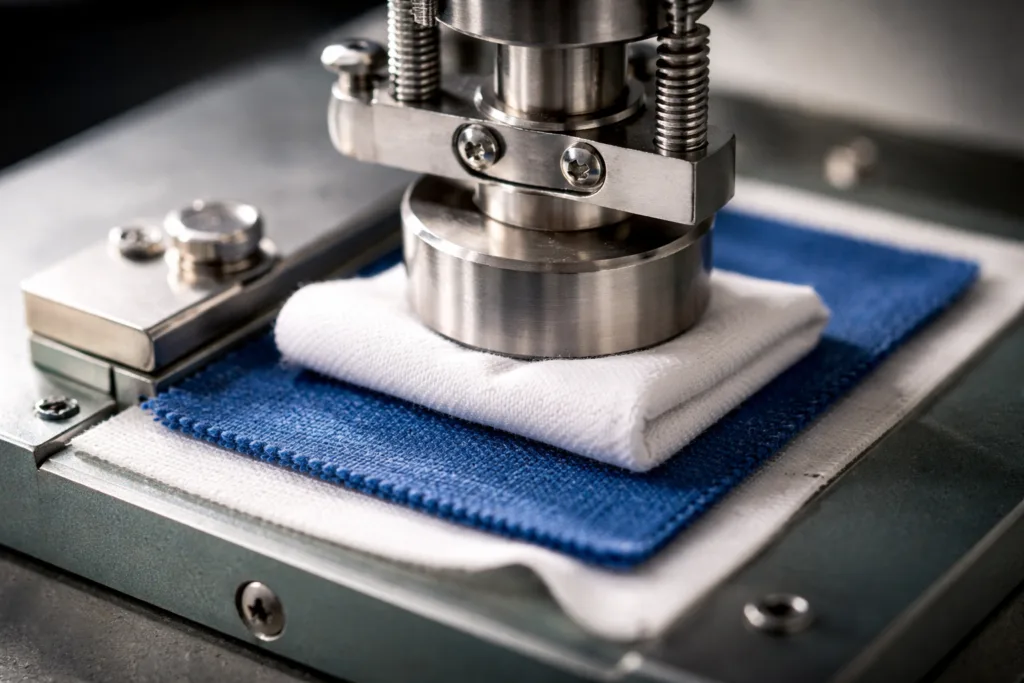
This test evaluates the tendency of dyes to transfer from fabric to another surface through friction. Both dry and wet rubbing exams are performed using a crockmeter. Results reveal if garments bleed color during normal use.
Colorfastness to Washing: The Fundamentals
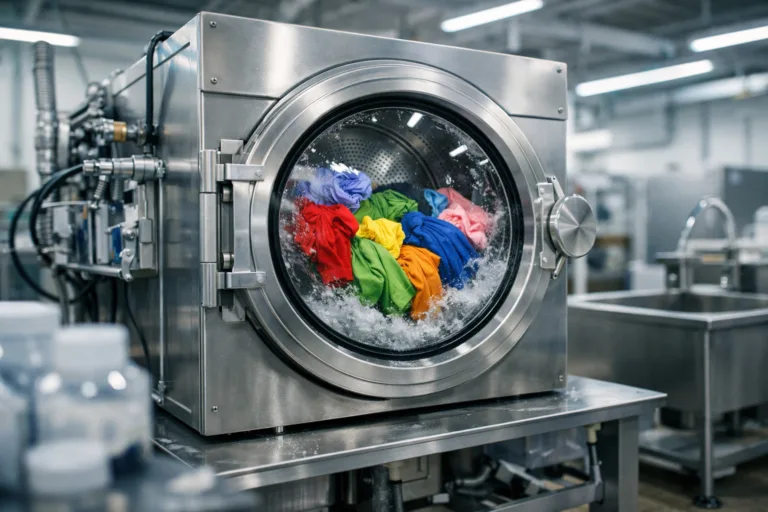
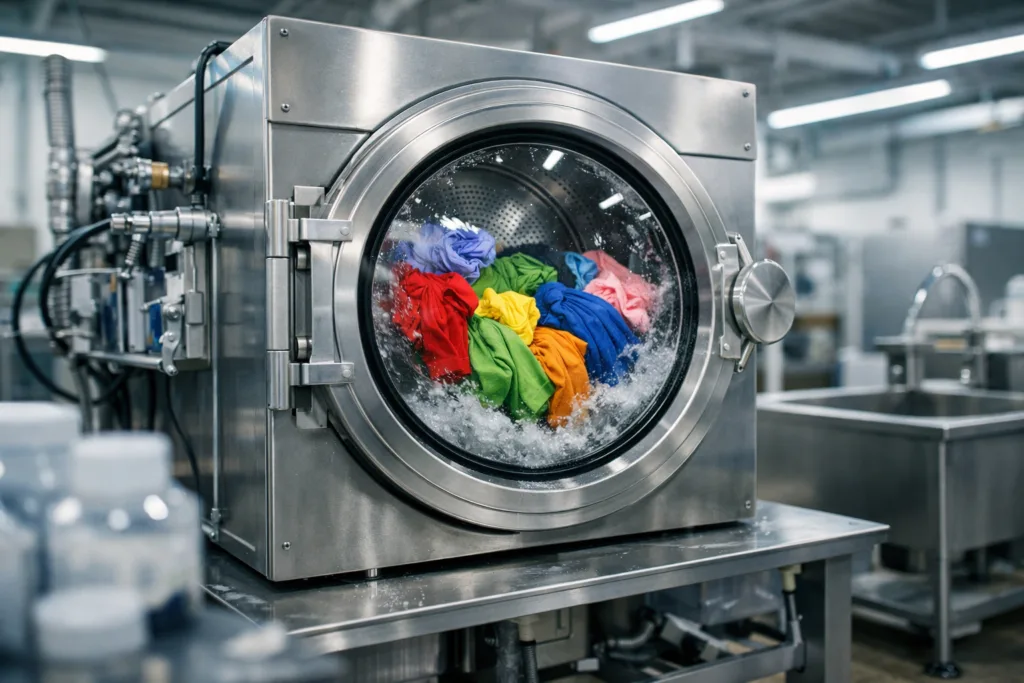
Washing tests replicate laundry conditions. Fabric samples are washed in controlled temperature, detergent, and time settings. After washing, color change and staining on adjacent fabric are assessed visually for any fading or bleeding.
Standard Colorfastness to Perspiration Tests
Perspiration tests use synthetic sweat solutions to mimic the effect of body fluids on dyes. Moist samples are pressed against white cloth and incubated for several hours. The results measure staining and color loss after exposure to sweat.
How Colorfastness Rating Scales Work
Colorfastness test results are rated using numeric scales—usually 1 to 5, with 5 indicating no color change and 1 showing severe change. Common scales include:
- Grey Scale for Color Change: Rates the degree of fading
- Grey Scale for Staining: Measures transferred dye on another fabric
- Blue Wool Scale: Used for lightfastness, ranks from 1 (fast) to 8 (superior fastness)
The Equipment Used in Garment Color Test
Typical tools include the crockmeter (for rubbing), launderometer (for washing), and perspiration test apparatus. These ensure accurate, repeatable tests across factories and labs.
Procedures for Conducting a Colorfastness Test
Colorfastness tests follow standard protocols. For example, the rubbing test involves pressing a white cloth against a colored sample and using a mechanical arm to create friction. Washing tests use set cycles and concentrations, while sweat tests require special reagents. Afterward, samples are dried and assessed visually with rating scales.
Understanding Color Bleeding in Garments
Color bleeding occurs when dyes migrate from the fabric during washing or wear, staining other materials. This can be caused by poor dye selection, inadequate fixation, or incorrect finishing processes.
Key Factors Affecting Garment Colorfastness
- Dye type and quality
- Fiber composition (cotton, polyester, blends)
- Fabric construction (weave, knit)
- Finishing chemicals and treatments
How to Prevent Color Bleeding in Apparel
Manufacturers and brands take several steps to minimize color bleeding:
- Pre-washing and rinse cycles
- Improved dyeing methods and dye selection
- Post-dye fixation treatments
- Testing new lots before production
- Using color catchers and proper detergents during home washing
Industry Standards for Colorfastness Test
Globally recognized standards include:
- ISO 105 series (international standard)
- AATCC methods (American Association of Textile Chemists and Colorists)
- GB/T standards (China)
The Role of Colorfastness Test in Quality Control
Colorfastness testing is a non-negotiable part of quality control in factories. It helps avoid costly recalls due to color fading, bleeding or staining, and reassures brand compliance with safety and consumer expectations.
Colorfastness Test Results: Interpreting Reports
Test reports typically include the method, rating (e.g., 4-5 on the grey scale), and photographic evidence. A pass/fail criteria is defined based on target market and garment end-use.
Common Problems Identified by Garment Color Tests
- Excessive fading after one wash
- Strong staining of adjacent fabrics
- Patchy color loss from sweat exposure
- Uneven dye coverage (batch inconsistency)
How Apparel Wiki Approaches Colorfastness Testing
Apparel Wiki emphasizes sampling across multiple batches, especially for high-risk colors like red and black. Rain Chen, a veteran craftsman, recommends running both wet and dry crocking tests before full production, as rub fastness is often overlooked. Technical guidance includes checking for pH balance in finishing and proper curing of reactive dyes, details sometimes missed by overseas QC teams.
Advances in Colorfastness Technology
Recent innovations include eco-friendly dye fixing agents, more precise digital rating tools, and automated color assessment devices. These improve reliability and reduce labor in quality checks.
Why Garment Color Test Matters for Consumers
For consumers, reliable colorfastness means garments stay vibrant, wash after wash, without ruining other clothes. Knowing brands and factories test for this adds value and trust.
Global Market Requirements for Colorfastness
International markets often mandate minimum ratings for different garment types. For example, children’s wear may require a rubbing fastness of 4 or higher to protect light-colored fabrics from staining.
Special Challenges with Dark and Bright Colors
Darker and highly saturated colors are more prone to bleeding and fading. Production teams test multiple dye lots to ensure uniformity and compliance before bulk cutting.
Tips for Home Care to Maintain Garment Color
- Wash dark colors separately
- Use mild detergents and cold water
- Avoid direct sunlight drying for bright shades
- Follow manufacturer’s care instructions
The Real Cost of Poor Colorfastness
Brands risk returns, complaints, and lost sales if garments quickly lose color or bleed. Getting colorfastness right is not just technical—it’s a matter of reputation and customer retention.
Case Studies: Apparel Failures Due to Color Bleeding
Retailers have recalled clothing lines after discovering color transfer on consumers’ skin or linens. These incidents highlight the importance of thorough colorfastness testing at every manufacturing stage.
Colorfastness Test for Sustainable Clothing
Eco-apparel often uses natural dyes, which can pose bigger challenges for colorfastness. Techniques like double-fixing and plant-based mordants help improve results. Testing is even more vital to prevent surprises after purchase.
Colorfastness Tests in Apparel
Colorfastness tests in apparel are a fundamental part of garment manufacturing and consumer safety. From rubbing and washing to perspiration resistance, these tests help ensure clothes look good, last longer, and provide value. By following rating scales and prevention practices, brands, factories, and users can avoid color bleeding and fading, making every piece a worthy investment.
Frequently Asked Questions
What is the purpose of a colorfastness test?
A colorfastness test checks how well a garment’s color resists fading and bleeding in real-world scenarios like washing, wearing, and exposure to sweat.
How are colorfastness test results rated?
Tests use numeric scales—like the Grey Scale—usually ranking from 1 (poor) to 5 (excellent), describing color change or staining levels after testing.
Which garments require the strictest colorfastness standards?
Children’s wear, sportswear, and uniforms often require stricter colorfastness to prevent staining, fading, or health concerns from color migration.
Can colorfastness be improved during production?
Yes. Using high-quality dyes, proper washing, and post-dye treatments during manufacturing reduce bleeding and fading.
Are natural dyes less colorfast than synthetics?
Natural dyes often have lower colorfastness, but advanced fixing methods and thorough testing can achieve acceptable results for most applications.
Why do dark garments bleed more than light ones?
Dark colors contain more dye and, without sufficient fixation, are more prone to bleeding during washing or rubbing than lighter shades.