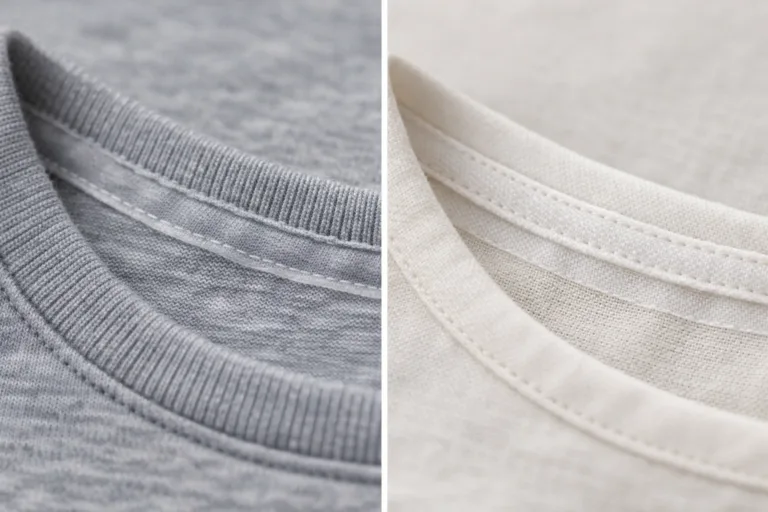
Introduction: Unraveling Knit Pattern vs Woven Pattern Development
When it comes to garment design, understanding the key differences between knit patterns and woven patterns is essential. Apparel makers, designers, and manufacturers routinely face critical decisions about ease allowances, stretch factor calculations, neckline stability, and sewing adjustments—all of which are dictated by the nature of the chosen fabric. This guide is crafted to walk you through the crucial contrasts and practical methods for successfully developing patterns for knits versus wovens, making your process more accurate and efficient.
Fabric Construction: The Foundation of Pattern Making
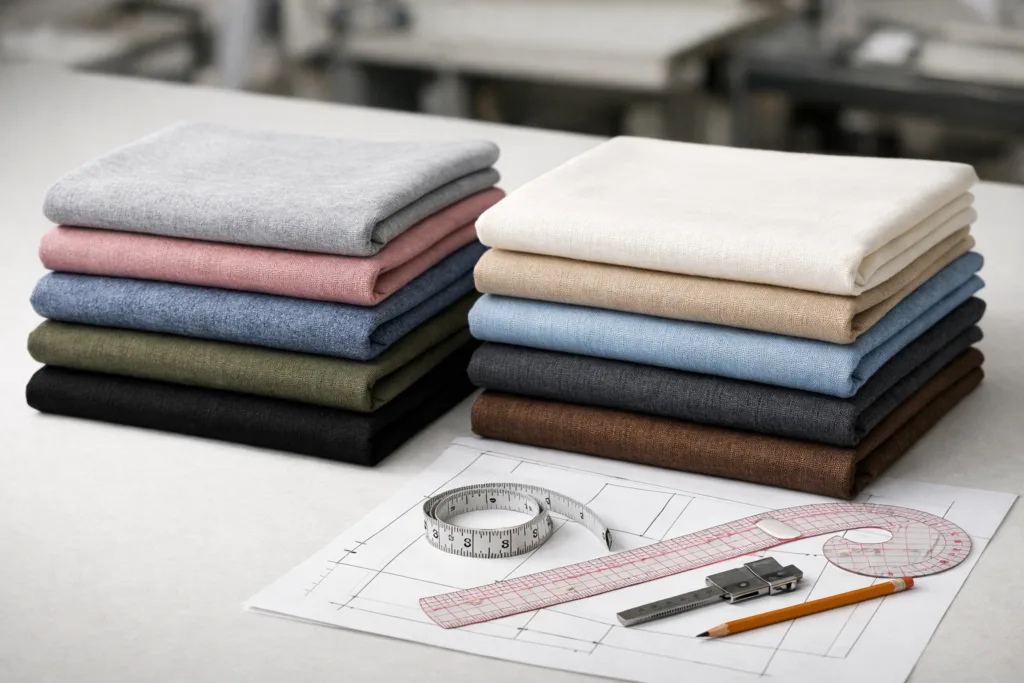
Knit and woven fabrics represent two distinct construction techniques. Knit fabrics are produced by interlooping yarns, resulting in natural stretch and flexibility. Woven fabrics, in contrast, involve interlacing threads at right angles, yielding a more stable, less stretchy textile. These fundamental differences dictate everything from pattern shape to seam treatment.
Knit Fabric Characteristics
Knits are typically soft, conforming, and forgiving, offering stretch both horizontally and, in some cases, vertically. Their looped structure enables significant recovery after being stretched, a trait vital for activewear, T-shirts, and leggings.
Woven Fabric Characteristics
Wovens hold their shape, resist stretching (except on the bias), and provide crisp lines making them preferred for shirts, trousers, jackets, and structured dresses.
Ease Allowances: Calculating for Comfort and Fit
Ease is the extra room included in a pattern to allow for movement and proper fit. The required ease varies sharply between knits and wovens:
- Knits: Often designed with negative ease, meaning the garment is smaller than the body to rely on fabric stretch.
- Wovens: Require positive ease for comfort and mobility since they don’t stretch.
Practical Tips for Ease Adjustment
For woven patterns, add 2–3 cm of ease to key measurements like bust, waist, and hips. For knits, you may subtract up to 5–10% of body measurements, depending on the stretch factor calculated.
Stretch Factor Calculation: Precision for Patternmaking Success
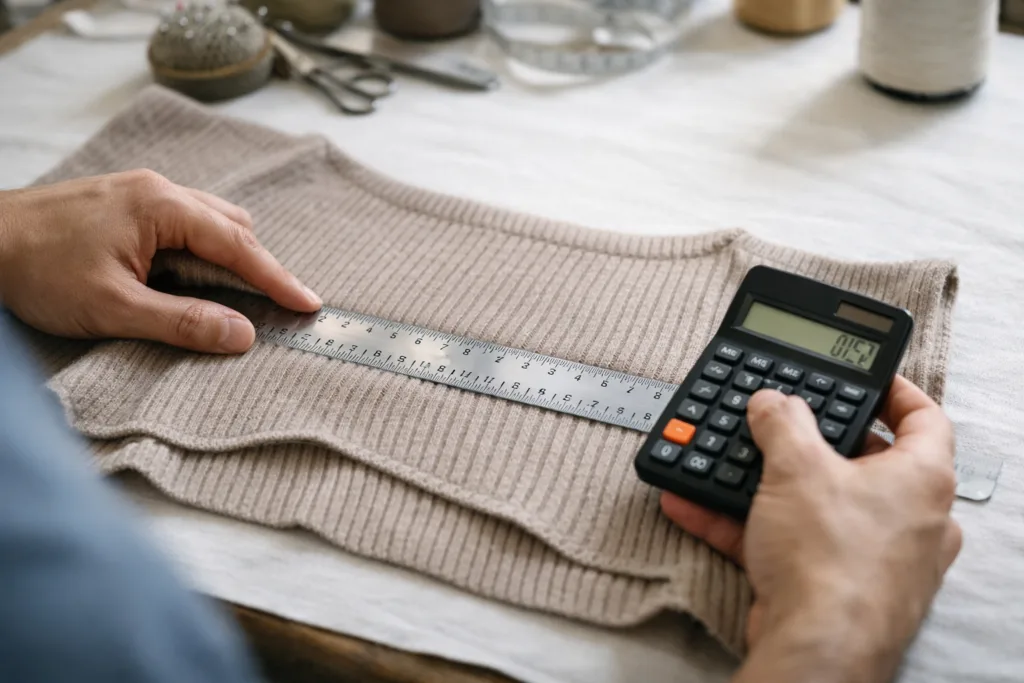
Stretch factor quantifies fabric extensibility, guiding pattern reduction in knits. Calculate it by:
- Marking a 10cm section on the fabric
- Stretching to its maximum without distortion
- The resulting measurement guides percentage adjustment
For example, if 10cm stretches to 13cm, the stretch factor is 30%. Patterns for such highly stretchable knits can be reduced accordingly, ensuring snug but comfortable fit.
Neckline Stability: Preventing Distortion Across Fabrics
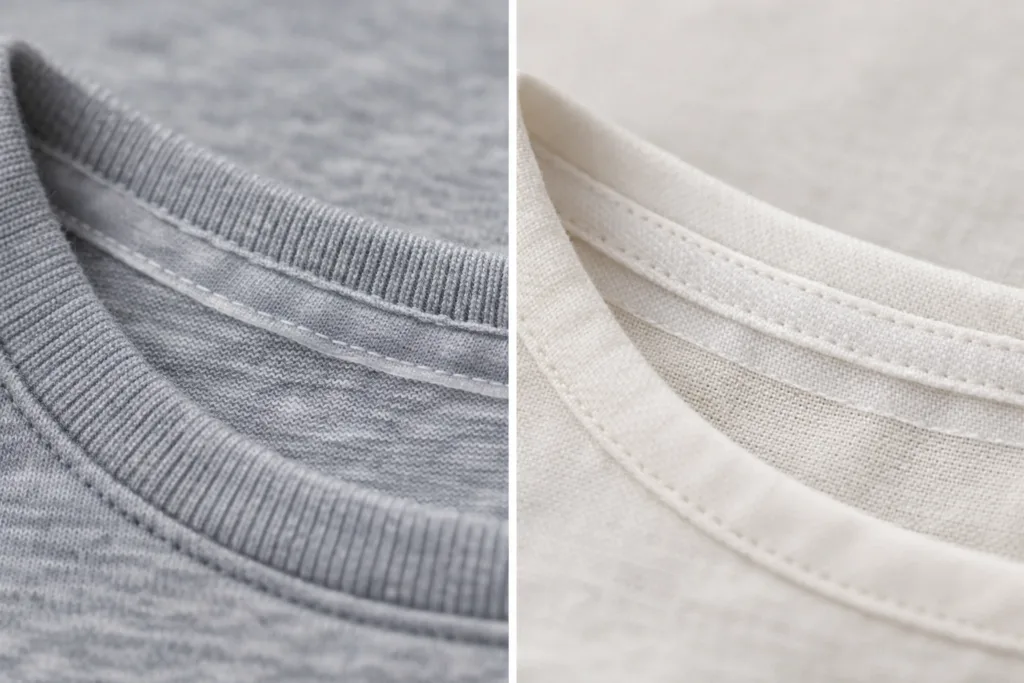
Necklines differentiate the expertise of pattern developers. Knits, due to stretch, often require stabilizers—fusible strips, stay tape, or binding—to prevent sagging. Woven necklines maintain their shape with minimal intervention, though interfacing may be added for structure.
Methods for Neckline Reinforcement
For knits, use lightweight fusible tape along the neckline. In wovens, choose interfacing that matches the garment’s purpose. Apparel Wiki suggests always testing reinforcements on scraps to minimize puckering or stiffness.
Sewing Adjustments: Techniques for Precision and Durability
Pattern success depends on adapting sewing methods to fabric type:
- Knits: Use stretch stitches, ballpoint needles, and avoid excessive tension. Seam finishes like serging are preferred.
- Wovens: Straight stitch, universal needles, and crisp edge finishes such as French seams enhance garment quality.
Pattern Drafting: Stylistic and Technical Nuances
Drafting for knits often involves closer-fitting silhouettes and allows for creative shaping thanks to stretch. Woven drafting emphasizes structured lines, darts, and fullness-control techniques.
Adapting Commercial Patterns
If transitioning a woven pattern to knits, remove darts and reduce ease. The reverse process requires adding shaping and ease to ensure comfortable fit when using woven fabric as the base.
Fit Testing: From Muslin to Wearable Sample
Always test patterns with a representative fabric. For wovens, muslin is ideal. For knits, use a sample in the actual fabric or a fabric with similar stretch characteristics. This trial run highlights necessary adjustments.
Industry Insights: Apparel Wiki’s Production Notes
Rain Chen from Apparel Wiki notes that proper stretch calculation is critical for QC—ill-fitting knits often originate from neglected testing. In mass production, maintaining consistent batch control ensures reliable sizing and prevents costly returns. Factories should check stretch factors and apply QC checkpoints for both knit and woven garments before bulk cutting.
Pitfalls and Solutions When Switching Fabric Types
Transitioning patterns between knits and wovens isn’t straightforward. Common pitfalls include:
- Mismatching ease allowances, leading to tight woven garments or shapeless knits
- Ignoring neckline stabilization in knits, causing distortion
- Applying the wrong sewing techniques, resulting in broken stitches or seam popping
Optimizing Pattern Grading for Knits and Wovens
Pattern grading for knits can be smaller per size step due to fabric flexibility. For wovens, traditional grading increments ensure mobility. Always base grading increments on actual wear trials and factory feedback.
Selecting Suitable Fabrics: What to Consider
Beyond stretch, fabric weight and drape impact pattern adjustment. Lightweight knits require minimal shaping; heavy wovens need structural support. Factor in intended garment style, usage, and wash durability.
Quality Control Checkpoints for Pattern Integrity
In production, verify:
- Stretch consistency across fabric batches
- Ease allowance alignment with approved specs
- Neckline stabilization before sewing
- Correct stitch type and tension
Costing Considerations: Pattern Choices Affect Bottom Line
Knits often reduce fabric waste with closer fits, but require specialized sewing. Wovens take more fabric due to extra ease. Factor these differences into costing calculations in both sampling and bulk production phases.
Lead Time Management: Planning for Fabric and Pattern Variables
Bulk production lead times may be affected by pattern complexity and seam finishing standards. Knit garments usually sew faster but need more technical inspection; woven garments require precise pressing, finishing, and shaping steps.
Common Beginner Mistakes When Developing Patterns
Novices often:
- Neglect stretch factor calculation for knits
- Use the same pattern for both knit and woven fabrics
- Skip fit testing, resulting in poor outcomes
Comparative Table: Knit Pattern vs Woven Pattern
| Feature | Knit Pattern | Woven Pattern |
|---|---|---|
| Ease Allowance | Negative/Minimal | Positive/Generous |
| Stretch Factor | Critical | Not required |
| Neckline Stability | Must stabilize | Interfacing optional |
| Sewing Technique | Stretch stitches | Straight stitches |
| Fit Testing | Fabric sample | Muslin |
Visualizing Construction Differences
A clear comparison between knit and woven patterns highlights why technical precision is essential. Diagrams, swatch samples, and sample garments are invaluable learning tools.
Advanced Pattern Adjustments: Handling Blended Fabrics
Blends (knit/woven mixes or spandex-enhanced weaves) require flexible pattern rules. Test stretch, adjust ease by percentage, and fit test rigorously to ensure pattern reliability in production.
Pattern Layout: Directional Strategies for Knits and Wovens
Knits usually orient pattern pieces along maximum stretch; wovens align to grainlines. Direction matters for garment wear and longevity.
Ensuring Neckline and Shoulder Precision
Shoulder seams in knits can stretch excessively. Apparel Wiki recommends applying stable tape or binding to these seams prior to joining neckline pieces, especially for bulk production runs.
Handling Special Garment Details
Applying zippers, pockets, and trims requires extra planning for stretch and stability. Reinforce woven details appropriately, and trial run specialty additions on knit scraps to avoid warping.
Conclusion: Mastering Knit Pattern vs Woven Pattern
Developing patterns for knits versus wovens demands technical knowledge, hands-on testing, and an eye for both fabric and construction detail. From the intricacies of ease calculation to the stability of necklines, each step affects final fit and quality. Balancing technical requirements and aesthetic goals ensures smoother manufacturing and happier wearers. Keep these insights at hand as you refine your patternmaking process for every project.
Frequently Asked Questions
How do I calculate the stretch factor for a knit fabric?
Mark a 10cm section, stretch it without distorting, and measure the increase. The percentage helps adjust your pattern size for optimal fit.
What is the main difference in ease allowance between knits and wovens?
Knits use negative or minimal ease for a snug fit; wovens need positive ease for comfort since they don’t stretch.
How can I prevent wavy necklines in knit garments?
Use stabilizers like fusible tape or stay tape during sewing to prevent stretching and misshaping at the neckline.
Are sewing techniques the same for both fabric types?
No, knits require stretch stitches and ballpoint needles while wovens work best with straight stitches and universal needles.
Can I use the same pattern for knits and wovens?
Patterns must be adjusted for fabric differences; directly swapping can lead to poor fit and garment distortion.
What common mistakes should be avoided when moving patterns between knits and wovens?
Avoid mismatching ease, overlooking neckline stabilization for knits, and skipping fit testing to prevent poor quality outcomes.