Introduction: Digital Tech Packs and the Changing Face of Fashion Manufacturing
Technology has transformed nearly every aspect of the apparel industry, and nowhere is the impact more pronounced than in the rise of digital tech packs. Designed to replace traditional paper-based methods, digital tech packs now stand as a cornerstone for streamlined fashion manufacturing worldwide. This guide explores how digital tech packs are revolutionizing the process, showcasing their benefits, and offering a comprehensive look into future trends, tools, and best practices for both emerging brands and global fashion houses.
What Are Digital Tech Packs? Core Concepts & Definitions
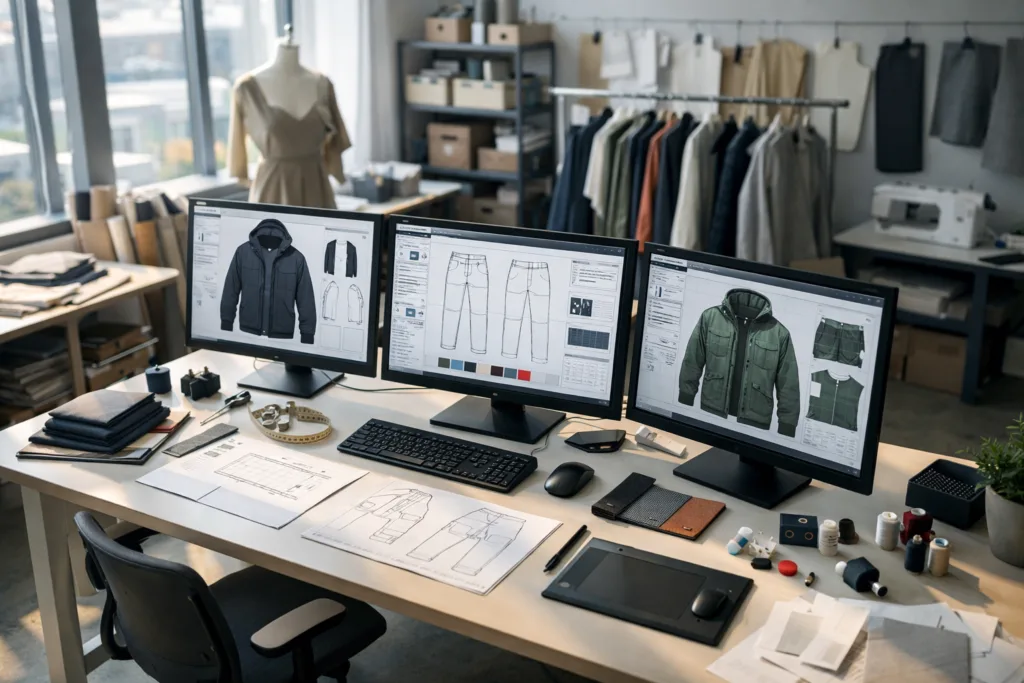
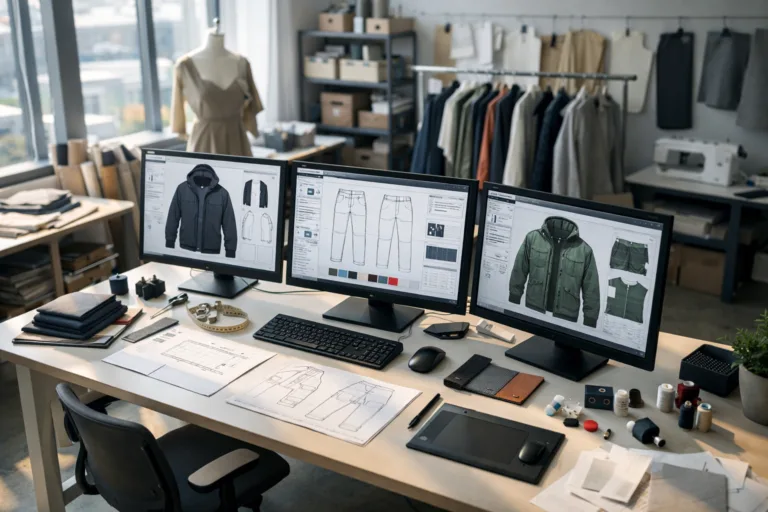
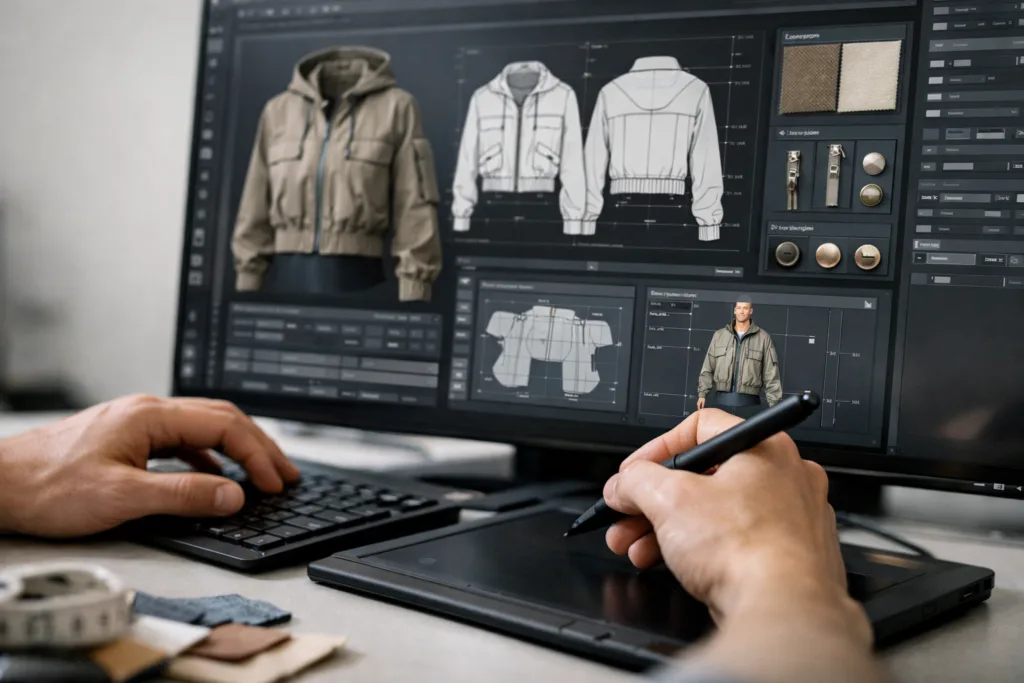
Digital tech packs are structured digital documents detailing every component, measurement, material, and design intent required to manufacture a garment. Unlike static spreadsheets or handwritten sheets, these packs consolidate sketches, specs, trims, colorways, assembly instructions, and graded size charts into an interactive file or cloud-based format, greatly reducing ambiguity in the production pipeline.
The Historic Shift: From Paper-Based to Digital
For decades, fashion manufacturing relied on hard copy pattern sheets, handwritten spec lists, and faxes across continents. Miscommunication was rife. Digital tech packs have ushered in an era where cloud-based edits, real-time sharing, and high-fidelity visualization form the basis for global collaboration.
Key Benefits of Digital Tech Packs over Traditional Methods
Why make the switch to digital? Here are several powerful advantages:
- Increased speed: Instant updates and coordination reduce sampling and production lead times.
- Reduced errors: Unified files prevent misinterpretation, minimizing fit and construction errors.
- Enhanced collaboration: Multiple stakeholders—designers, product developers, factory technicians—can view and update documentation in real time.
Apparel Wiki notes that more brands are integrating digital solutions to streamline communication, lowering costly back-and-forth revisions and misunderstandings between teams. For concrete strategies, see Clear Factory Communication: 18 Game-Changing Techniques for Writing Comments and Callouts.
How Digital Tech Packs Improve Efficiency in Manufacturing
Efficiency is one of the biggest reasons brands invest in digital tech packs. Digital files feature standardized content blocks—size charts, materials, construction diagrams—that guide each phase of development. Edits and clarifications can be executed instantly, maintaining version control and keeping all teams on the same page.
Error Reduction: Accurate Specifications, Less Waste
Manual forms and loose spec sheets are notorious for misalignments, inaccuracies, and costly mistakes. Digital tech packs employ built-in validation, preventing oversights like missing measurement charts or mislabeled fabrics. This leads to less sample waste and smoother handoffs from design to production. For persistent production delays caused by poor documentation, refer to Top Tech Pack Blunders: 15 Delays You Can Avoid.
Collaboration Across Continents: Designers & Suppliers Unified
Brands with remote teams and international manufacturers rely on the accessibility of cloud-hosted digital tech packs. Automatic language translation, comment logs, and secure sharing links allow for continuous feedback as products move from concept into reality. Integrated platforms like Techpacker and Adobe Illustrator make revisions transparent and easy to trace. Curious about which platform serves your workflow? Compare side-by-side with Adobe Illustrator vs. Techpacker: 2024’s Tough Tech Pack Showdown.
What Goes Into a Digital Tech Pack?
- Technical sketches
- Detailed measurements
- Construction instructions
- Sample/fit comments
- Material and trim specifications
- Labeling and packaging details
Why detail each segment? Because factory workers, production managers, and quality control teams all rely on these specs to deliver accuracy. Apparel Wiki’s Section-by-Section Tech Pack Guide breaks down every component for reference.
User Experience: How Designers & Merchandisers Interact with Digital Tech Packs
Intuitive interfaces allow users to drag and drop images, edit measurements, set approvals, and even link internal factory comments. No more sifting through endless PDFs or email threads—everything lives in one place, always up to date.
Bridging the Gap: Factories Benefit from Digital Integration
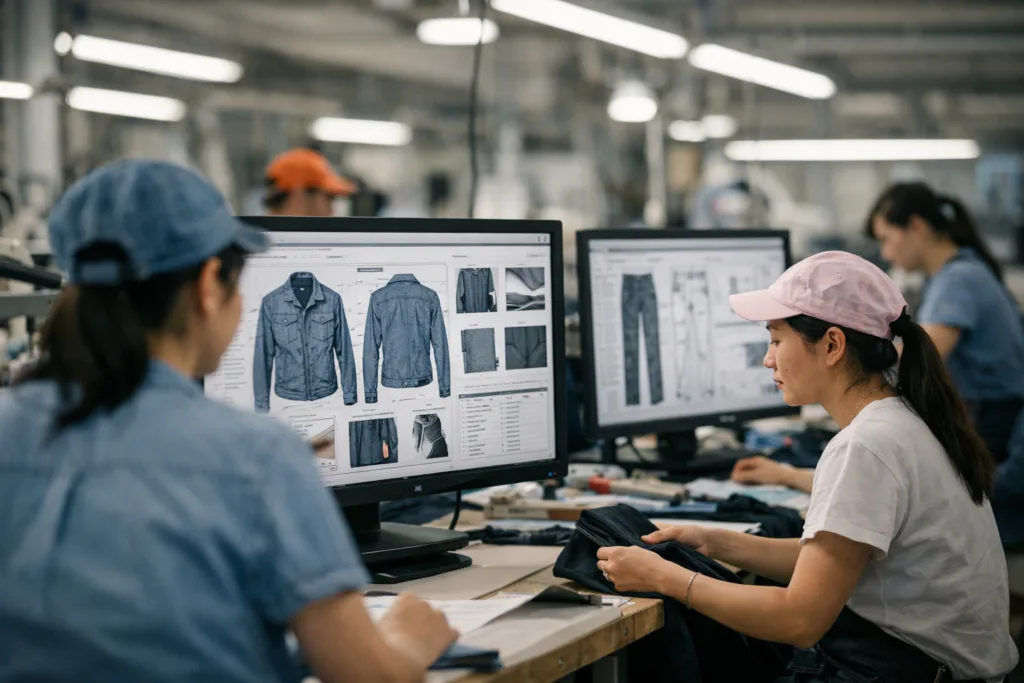
Digital packs are revolutionizing not just design, but manufacturing on the ground. Factories receive precise instructions, can flag ambiguities immediately, and refer to high-quality visuals throughout construction. Paired with modern ERP and PLM systems, tech packs fit seamlessly into broader production workflows.
Case Studies: Brands Leading the Digital Tech Pack Revolution
Example: Small Batch Apparel Startups
One sustainable activewear brand reduced sample iterations by 35% after digitizing their tech pack process. Faster feedback and less ambiguity increased speed to market without sacrificing quality.
Example: Global Luxury Brands
Large luxury houses use proprietary digital platforms for their tech packs, ensuring consistency across divisions in Paris, Milan, and Shanghai. Integration with their PLM allows real-time updates and strict version control for hundreds of SKUs.
Creating Your First Digital Tech Pack: Step-by-Step Essentials
Ready to make the switch? Clothing startups and established brands alike can start by outlining a tech pack in Excel (see Step-by-Step Guide to Creating a Tech Pack in Excel). Focus on:
- Clear technical drawings
- Detailed size charts
- Material, trim, and color details
- Sample comments and callouts
- Packaging and care instructions
Integrating CAD and 3D Visualization in Digital Tech Packs
Advanced digital tech packs allow direct integration of CAD files and 3D images, making fit adjustments and visualization far more precise. Tools like CLO3D and Browzwear are bridging the gap between virtual prototypes and physical samples. For background in digital pattern development, see Digital Pattern Making: CAD Tools in R&D.
Automation and AI: The Next Leap in Tech Pack Technology
AI-powered platforms can auto-check for missing specs, flag outlier measurements, and even simulate fit for various body shapes. Automated systems sync tech packs with factory ERP, speeding up everything from sampling to bulk order placement. The future points to fully integrated product development pipelines—one click and your design is ready for production.
Sustainability Through Digital Tech Packs
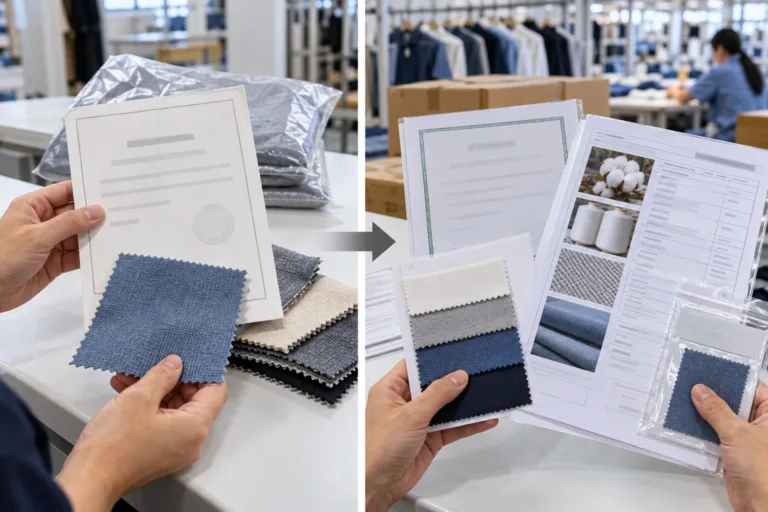
Digital documentation reduces paper waste, accelerates sampling, and supports traceability in materials. As compliance standards tighten, tech packs help certify components and track environmental inputs, aligning with sustainable production goals. Reference Eco-Friendly & Sustainable Fabrics for sourcing ideas.
Comparing Leading Software Solutions for Digital Tech Packs
| Software | Subscription | Key Features | Ideal For |
|---|---|---|---|
| Techpacker | Paid Monthly | Cloud-based, intuitive, version control | Startups, SMEs |
| Adobe Illustrator | One-Time/Subscription | Professional design tools, plugin support | Designers, Enterprises |
| Excel/Google Sheets | Free | Template based, widely available | Beginners, Sampling |
For in-depth comparisons, explore the Tech Pack Software Showdown.
Common Pitfalls & How to Avoid Them with Digital Tech Packs
Many brands face costly delays from incomplete specs, missing callouts, or unclear measurements. Digital platforms mitigate risk by enforcing required fields and change logs. Frequent quality checks, guided by digital tech pack templates, cut down on errors.
Ensuring Consistency: Standards and Best Practices
Consistent formatting, logical naming conventions, and standardized measurement units are key. Tech packs should match a brand’s fit standards and production rules, as outlined by Apparel Wiki’s extensive resources on Avoiding Costly Manufacturing Mistakes.
Digital Tech Packs and the Evolution of Sampling
Sampling is faster and more precise when all dimensions, tolerances, and construction notes are digitally communicated. Digital tech packs keep all sample feedback accessible, creating a living history for each style.
Measurement, Grading, and Fit Process Improvements
Digital tech packs automate many aspects of grading and fit, allowing pattern makers to visualize how a style expands across sizes. For approaches to grading rule setup, refer to Grading Rules: How Sizes Expand from a Base Pattern.
Quality Control and Final Checks with Digital Tech Packs
Quality assurance is simplified—inspectors access all required standards, processes, and checklists from any device, catching issues before products reach stores. Digital records leave a clear audit trail for accountability.
Supplier Relations: Improved Trust and Transparency
When factories receive digital tech packs, timelines are clearer and deliverables more precise, building trust throughout the supply chain. Transparent specification increases reliability for both small and large production runs.
Industry Insight: Apparel Wiki’s Recommendations for Digital Tech Pack Success
Based on editorial experience, Apparel Wiki recommends brands document every step, proactively address comment loops, and schedule regular digital reviews. Problems such as misaligned fit comments or missing trims are often resolved through structured digital packs.
Digital Tech Packs: The Future of Fashion Manufacturing
The expansion of mobile tools, global supply chains, and sustainability standards ensures that digital tech packs will remain central. As AI and automation continue to evolve, manual errors will become rare, leaving brands free to focus on innovation and creativity.
Frequently Asked Questions
Can I create a digital tech pack without design software?
Yes, simple digital tech packs can be made using Excel or Google Sheets. Templates are widely available for those starting out.
How do digital tech packs reduce production errors?
Digital tech packs employ standardized sections, validations, and clear visuals that minimize misinterpretation and mistakes in manufacturing.
Are digital tech packs suitable for small brands?
Absolutely. Small brands benefit from quicker iterations, enhanced collaboration, and reduced sampling costs with digital tech packs.
Can digital tech packs be integrated with factory systems?
Modern digital tech pack platforms often sync with ERP and PLM systems, enabling updates and data sharing throughout the production cycle.
How does AI help with digital tech packs?
AI can check for missing information, suggest corrections, and simulate garment fit, streamlining product development and reducing manual work.
What is the environmental impact of digital tech packs?
Digital tech packs reduce paper waste, support traceability, and help document sustainable practices across the apparel supply chain.
Related Reading
- The Complete Tech Pack Guide for Manufacturing Success
- 18 Techniques for Crisp Factory Comments & Callouts
- 2024’s Tech Pack Software Comparison: Illustrator vs Techpacker
- Excel Tech Pack Creation: Step-By-Step Guide + Free Template
- Building Smart Grading Rules for Apparel Production
- Selecting Eco-Friendly Fabrics for Tech Packs & Production
- 15 Tech Pack Mistakes That Cause Delays—And How to Avoid Them
- Harnessing CAD Tools for Digital Pattern Making
- Unlock the Section-by-Section Anatomy of a Perfect Tech Pack