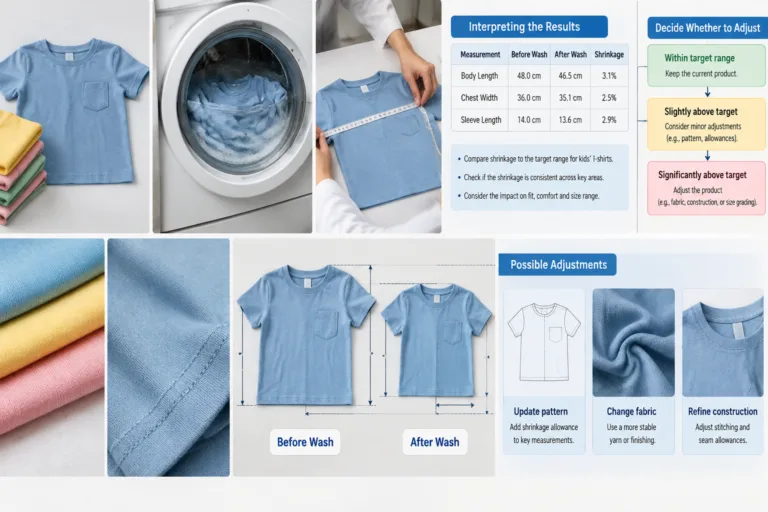

Introduction to Tech Pack Examples for T-Shirts, Hoodies, and Denim
Creating a tech pack is essential for translating your apparel design—whether it’s a T-shirt, hoodie, or pair of jeans—into a manufacturable garment. A tech pack is the blueprint for your product, used by factories to bring your ideas to life with the right fit, materials, and details. In this guide, you’ll discover practical tech pack examples for T-shirts, hoodies, and denim, with a focus on key components, real-world templates, and actionable tips for effective apparel design communication.
What Is a Tech Pack and Why Does It Matter?

A tech pack, short for technical package, is a set of documents that communicates all the critical design, fit, and quality information to garment factories. It brings clarity to the manufacturing process, ensuring every detail—fabric choice, stitching, trims, measurements—is specified and mistakes are minimized. Apparel Wiki often receives questions about this, and it’s clear: a precise tech pack reduces surprises and expedites production success.
Essential Components in Every Apparel Tech Pack
Regardless of garment type, a robust tech pack includes:
- Technical drawings (front, back, and detail views)
- Bill of materials (BOM)—fabric, trims, and accessories
- Measurement chart for all garment sizes
- Construction and stitching details
- Colorways and artwork placements
- Labels, hangtags, and packaging instructions
- Special notes for quality control or finishing
How to Structure Your Tech Pack for Success
An easy-to-navigate structure ensures your tech pack is understood globally. Typically, start with a cover page (style name/code and version), then progress to visual references, materials, construction, sizes, and at the end, any unique requirements. For a deep-dive breakdown, explore the Anatomy of a Tech Pack for practical section-by-section guidance.
Tech Pack Examples for T-Shirts, Hoodies, and Denim
Let’s examine the unique considerations and examples for these three wardrobe staples.
T-Shirt Tech Pack Example
Key Highlights:
- Single jersey or interlock knit fabric
- Precise neckline and sleeve specifications
- Minimal trims; focus on print/art placement
Sample Table: T-Shirt Tech Pack Breakdown
| Section | Details Included |
|---|---|
| Drawing | Flat sketch, all views, callouts showing seams and prints |
| Fabric | 100% cotton, 180gsm, white or heather gray |
| Measurements | Chest, length, shoulder width, sleeve length |
| Stitching | Double-needle at sleeve/hem; SPI: 12 |
| Label/Trim | Printed main label; woven size tag |
Hoodie Tech Pack Example
Key Highlights:
- More complex construction: hood, pockets, drawcords, and sometimes zippers
- Detailed fabric weights and lining instructions
- Clearly defined artwork/embroidery zones
Sample Table: Hoodie Tech Pack Breakdown
| Section | Details Included |
|---|---|
| Drawing | Flat sketches of exterior, hood construction, pocket types |
| Fabric | Fleece, 300gsm, brushed inside, black |
| Measurements | Chest, body length, sleeve length, hood depth |
| Stitching | Flatlock at seams, coverstitch at hem/cuff |
| Label/Trim | Woven neck label, branded drawcord tips |
Denim Tech Pack Example
Key Highlights:
- Critical: stitch types, pocket placement, and reinforcement methods
- Wash type and finish notes (distressing, whiskering, etc.)
- Hardware: button and rivet specs
Sample Table: Denim Tech Pack Breakdown
| Section | Details Included |
|---|---|
| Drawing | 5-pocket diagrams, yoke shape, pocket stitch details |
| Fabric | 100% cotton denim, 12.5 oz, medium blue wash |
| Measurements | Waist, inseam, rise, leg opening, hip |
| Stitching | Chainstitch at hems, bartack at stress points |
| Hardware | Metal zipper YKK 5#, branded tack button |
Visuals: Annotated Tech Pack Pages
Clear, detailed sketches with numbered callouts are critical. These make construction expectations obvious and minimize interpretation errors. When styling pockets, cuffs, or collars, add close-up drawings to prevent confusion. Practical callout writing tips can be found in guides like Clear Factory Communication.
Bill of Materials: Getting Specific
Your BOM should list every material, trim, or accessory—think main fabric, ribbing, threads, zippers, buttons, and labels. Include supplier codes, colors, and material weights. This lets factories source or substitute with confidence. Apparel Wiki recommends organizing your BOM with clear item descriptions and global availability for easier manufacturing handoff.
Measurement Charts for Each Apparel Category
Tech pack measurement charts are one of the most common causes of production delays if incomplete or unclear. For each style, list every Point of Measurement (POM) with diagrams showing how to measure. For a simple t-shirt, this means chest, body length, and sleeve length at minimum. Advanced resources like How to Measure a Garment: 9 Key POMs and Pro Tips for Perfect Fit provide deep dives for every type of apparel.
What to Include: Critical POMs for T-Shirts, Hoodies, and Denim
T-Shirts: Chest, Body Length, Shoulder Width, Sleeve Length
Hoodies: Add Hood Depth, Hem Width, Pocket Height
Denim: Inseam, Waist, Hip, Front and Back Rise, Leg Opening
How to Create a Measurement Chart
Use clear diagrams and logical order. Mark each measurement point with consistent abbreviations. For hands-on help, see How to Create a Measurement Chart for Development for step-by-step visuals and free templates.

Stitching and Seam Instructions—Why Details Matter
Every stitch type—from overlock to chainstitch—affects seam strength, stretch, and visual finish. For instance, T-shirts often call for a 2-needle topstitch at the hem, while jeans require heavy-duty double topstitch and bartacks for durability. Refer to technical guides such as What Is “Topstitching”? for explanations and examples.
Color, Artwork, and Placement Calls
Include color Pantone numbers (or equivalents), print/embroidery scale in centimeters or inches, plus exact placement from shoulder seam or hem. Artwork files should be attached in scalable vector format (AI, PDF).
Labeling, Hangtags, and Packaging
Don’t forget details like main labels, care/content instructions, and swing tag designs, especially for denim and hoodies where branding and care compliance are critical. State packaging specs—e.g., folded, packed in polybags, number of units per carton—to align with logistics needs.
Comments, Change Logs, and Version Control
Use clear, dated comments and a running change log—this keeps factories updated on recent revisions. For best practices, review Clear Factory Communication: 18 Game-Changing Techniques.
How Tech Packs Guide Sample Development and Bulk Production
During sample making, tech packs enable factories to construct prototypes accurately. Each change or fit revision gets updated into the master document, so bulk production proceeds without unwanted surprises.
Fabric and Trim Specifications by Category
T-shirts and hoodies rely heavily on knits, while denim is always a woven product. Understanding these differences avoids confusion. For a comprehensive look at fabric properties, see Developing Patterns for Knits vs Wovens.
Fit Guidelines and Tolerance Ranges
State tolerances (e.g., ±0.5cm for chest circumference). Communicate expected fit (relaxed, classic, or slim)—these terms vary globally; clarify your definitions to reduce fit disputes during production.
Quality Control Points: Stitch, Wash, and Measurement Checks
Highlight critical quality control steps: check all measurements against spec, verify correct trims/stitch types, and confirm washes (for denim) match approval standards. This ensures a professional outcome even with remote manufacturing.
Production Timeline Guidance
Map out sample due dates, fit review rounds, and delivery windows. Build flexibility for revisions—especially important with custom artwork or complicated construction, as in hoodies and denim.
Tech Pack Mistakes to Avoid
Common pitfalls include unclear measurements, missing artwork files, outdated revisions, and failing to specify stitch or packaging types. For an in-depth look at the most frequent errors, review Top Tech Pack Blunders: 15 Delays You Can Avoid.
Tips for First-Time Tech Pack Designers
- Start with a template matching your garment (e.g., t-shirt, hoodie, denim)
- Double check all measurements with fit samples
- Include reference photos to clarify details
- Use concise and consistent language
- Review before each sampling or production order
The Role of Digital Tools in Tech Pack Creation
Digital solutions streamline version control and collaboration. Tools like Adobe Illustrator and Techpacker allow for quick edits and graphic clarity. For a side-by-side review, see Adobe Illustrator vs. Techpacker: 2024’s Tough Tech Pack Showdown.
Conclusion: Building an Effective Tech Pack for T-Shirts, Hoodies, and Denim
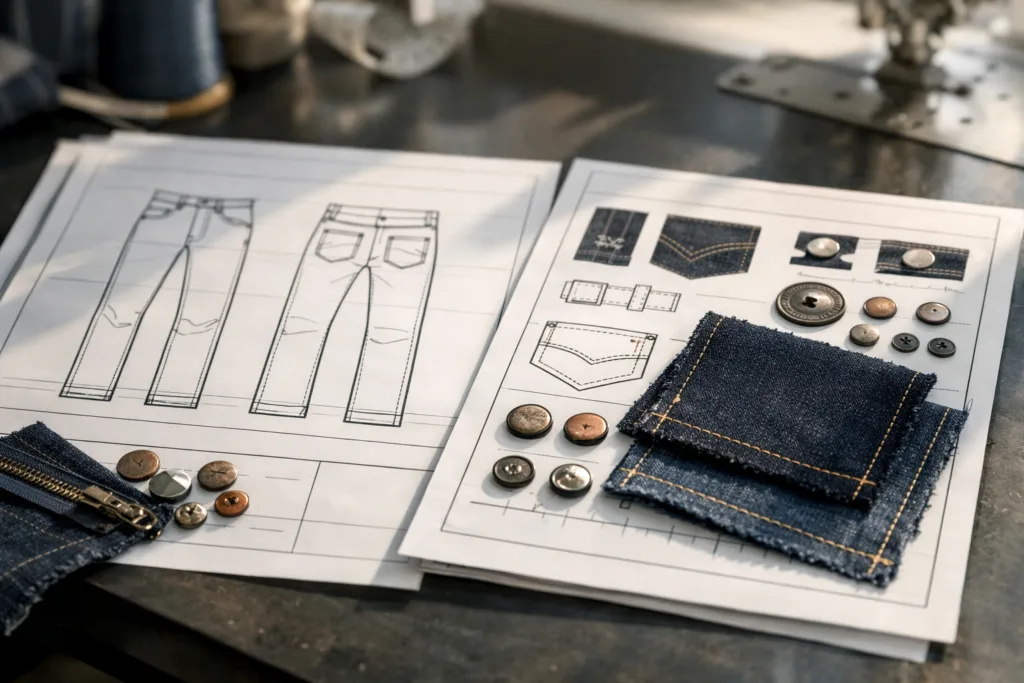
A well-structured tech pack bridges creative vision and manufacturing reality for T-shirts, hoodies, and denim. It’s your most powerful tool for clear communication, quality control, and keeping projects on track. Use the practical checklists, avoidable mistakes, and category-specific insights here to lay a strong foundation for your designs. Accurate, up-to-date tech packs improve consistency, reduce waste, and underpin every successful apparel launch.
Frequently Asked Questions
What information should a T-shirt tech pack always include?
A T-shirt tech pack should always include a detailed drawing, fabric and color specifications, measurements, construction details, labeling, and any artwork or print placements to ensure the manufacturer has complete instructions.
How does a hoodie tech pack differ from a T-shirt tech pack?
A hoodie tech pack covers more complex construction details like pockets, hoods, zippers, drawcords, and sometimes lining instructions, making it more detailed compared to a T-shirt tech pack.
Why is specifying stitch type important in a denim tech pack?
Denim garments require strong seams to withstand stress and washing. Specifying precise stitch types ensures durability, a clean aesthetic, and helps prevent construction errors during production.
How can a well-structured tech pack prevent production errors?
A clear tech pack gives factories all necessary details, reducing miscommunication. This minimizes costly errors like incorrect sizing, trim mismatches, or construction issues during sampling and bulk production.
What’s the most common tech pack mistake for new designers?
The most common mistake is missing or unclear measurement charts. Without these, factories can’t produce correctly sized samples, leading to delays and remakes.
How often should you update your tech pack during development?
Update your tech pack after every fitting session, design revision, or material change to ensure the latest information is always communicated to your manufacturer.
Related Reading
- Mastering Each Section of Your Tech Pack: The Ultimate Breakdown
- Avoid These 15 Costly Tech Pack Mistakes That Stall Your Production
- How to Write Factory-Ready Comments and Callouts for Tech Packs
- Choosing Between Illustrator and Techpacker for Faster Tech Pack Development
- 9 Essential Points of Measurement: How to Measure Garments for Perfect Fit
- Knits vs. Wovens: Smart Pattern Strategies for Each Fabric Type