Introduction: Why the Grain Line Matters in Sewing
Every great garment begins not simply on paper, but at the fabric’s very core: its grain. Understanding the grain line is a foundation in sewing and pattern making. If you’ve ever wondered why some clothes hang gracefully while others twist or bulge, the answer often lies in the direction the fabric was cut. In this guide, we pinpoint exactly why the grain line influences drape, stability, and, critically, the fit of your creations. Whether you’re new to sewing or fine-tuning your professional methods, getting grain line basics right is essential for perfect results.
What Is the Grain Line in Fabric?
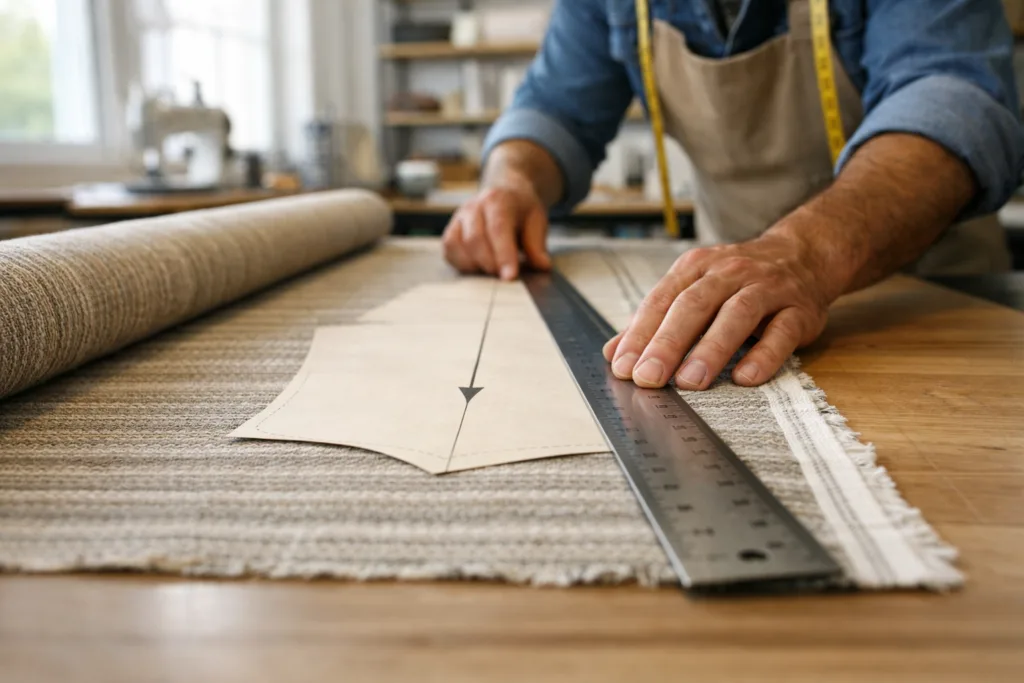
The grain line refers to the orientation of yarns in a woven or knitted fabric. On a cut of material, you’ll see threads running in two main directions—the lengthwise (warp) and the crosswise (weft). The grain line is usually marked by a line with arrows on sewing patterns, instructing you to align the pattern piece with the fabric’s structure for best results.
The Three Main Grain Orientations: Lengthwise, Crosswise, and Bias
Lengthwise Grain (Warp) runs parallel to the fabric’s selvedge, offering the greatest stability and the least amount of stretch. Crosswise Grain (Weft) runs perpendicular and typically has a bit more give. Bias Grain is at a 45-degree angle to the selvedge. All three grain directions influence how a garment looks, moves, and fits. (Editors at Apparel Wiki often recommend exploring grain orientation as early as the pattern making stage to avoid common fit problems later on.)
Why Grain Line Placement Impacts Fit and Drape
The way your fabric is cut directly affects how it will drape, stretch, and maintain its shape over time. Cutting along the correct grain line ensures garments hang as intended, resist twisting, and fit comfortably—especially in areas like sleeves, waistbands, and trouser legs.
How Fabric Grain Affects Stretch and Structure
Lengthwise grain is firm and resists stretching, perfect for body-defining shapes that shouldn’t warp. Crosswise grain offers modest stretch—handy for movement in areas like waistbands. The bias, meanwhile, is famous for its flexibility and flattering drape, often used in bias-cut dresses or skirts for elegant contouring and softness. Misaligning the pattern grain can cause bagging, twisting, and other unwanted fit issues.
Decoding the Grain Line Marking on Patterns
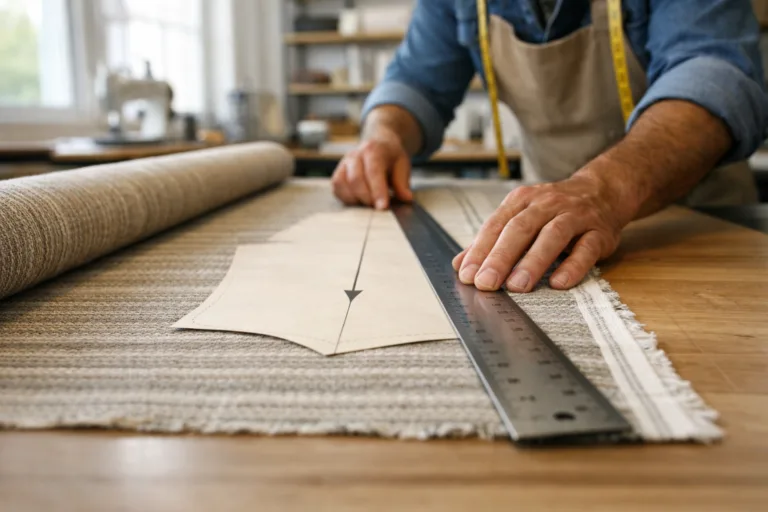
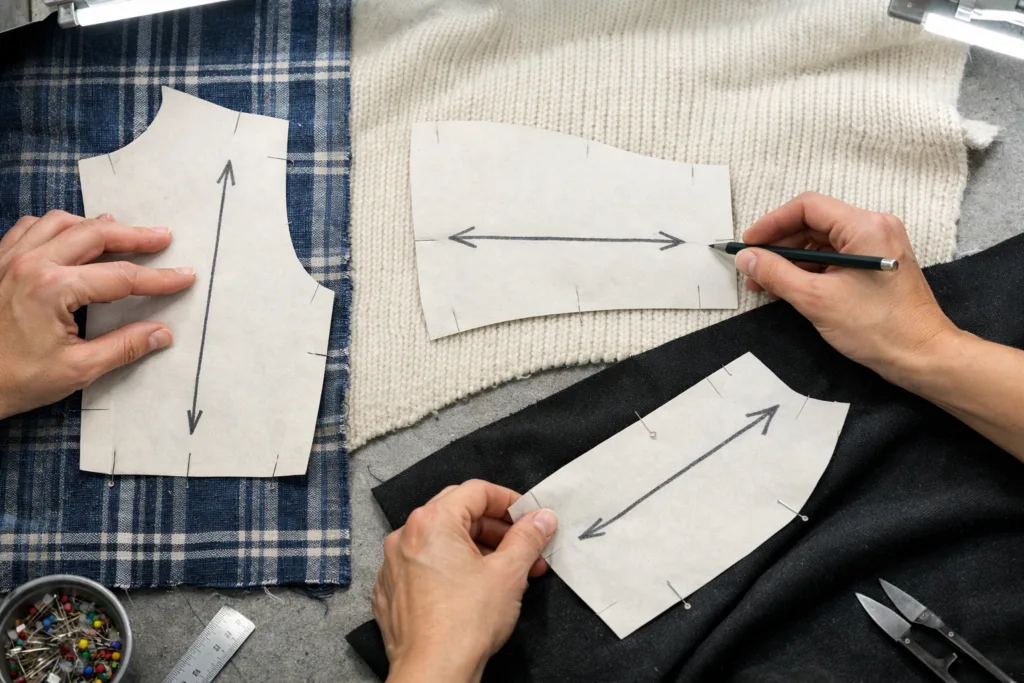
Sewing patterns include a straight, double-ended arrow to indicate the grain line. This arrow should always be placed parallel to your fabric’s selvedge, unless the pattern specifies otherwise (such as with bias cutting for special effects).
How to Find the Grain Line on Your Fabric
The selvedge edge—woven to prevent fraying—offers a visual guide for identifying the lengthwise grain. Aligning your ruler or tape measure from selvedge to selvedge quickly reveals the correct orientation for cutting.
Woven vs. Knit: How Grain Differs
In wovens, the grain lines are clear-cut: lengthwise (warp) and crosswise (weft). For knits, the terms change slightly—wale and course—but the principle is the same. Proper grain placement affects stretch recovery and seam stability, which is especially critical for close-fitting, stretchy garments. For more detail on constructing patterns for different fabric types, see Developing Patterns for Knits vs Wovens.
The Danger of Ignoring the Grain Line: Common Fit Issues
Disregarding grain line can sabotage fit, no matter your skill level. You might notice twisting at side seams, distorted collars, or hems that “wing out.” These problems often arise during pattern layout or due to stretching fabric while cutting.
How to Lay Out Patterns for Perfect Fit
To ensure your pattern pieces align with the correct grain, use a long ruler or tape measure to measure from the grain line marking on your pattern to the fabric’s selvedge at both ends—adjust until the distance is equal. This accuracy preserves fit and garment balance.
Troubleshooting: What Happens When Grain Lines Are Off?
Misaligned grain creates a host of fit headaches. Skirts or pants twist around legs, sleeve seams spiral, or fabrics hang unevenly. Sometimes these errors don’t reveal themselves until after the first wear or wash, making prevention during layout all the more critical.
Grain Line and Pattern Symmetry
Symmetrical alignment helps ensure both sides of a garment fall and fit identically. Discrepancies, such as different sleeve lengths, can signal a grain line mishap or inconsistent pattern placement. For deeper insights into pattern symmetry, read Why are the left and right sleeves different lengths?.
How Bias Grain Enhances Fit and Aesthetics
Cutting on the bias allows fabric to cling and drape naturally over the body’s curves, giving garments a luxurious, flowing movement. Designers frequently choose bias grain for dresses and scarves to achieve dynamic stretch and shape. For a step-by-step exploration of bias technique, see What Is “Bias Cut”?.
Frequently Used Garments and Their Grain Direction
Most shirts, pants, and structured pieces are cut on the lengthwise grain for stability. Skirts and dresses, meanwhile, may take advantage of the crosswise grain or bias, depending on the desired movement. Understanding these conventions prevents miscut pieces and ill-fitting results.
How the Grain Line Guides Fabric Consumption
Aligning patterns along the grain is crucial for efficient fabric usage. Incorrect orientation often leads to wasted material or the need to purchase more yardage to recut mistakes.
Stretch Fabrics: Considerations for Grain Direction
Stretch or jersey fabrics offer more forgiveness but still require careful grain alignment. Stretch usually runs parallel to the crosswise grain, affecting how the garment fits and moves with the body. For a technical breakdown on how this impacts apparel, see Stretch Fabrics: Elastane, Spandex & Mechanical Stretch.
Tips for Marking and Maintaining Grain Lines During Cutting
Careful preparation is everything. Pin pattern pieces precisely, use fabric markers to extend grain lines if necessary, and never stretch fabric as you cut—this preserves both the shape and intent of the pattern. Laying fabric on a smooth, level surface will help prevent distortion.
The Grain Line’s Role in Pattern Grading and Sizing
For patterns sized up or down (grading), grain lines guarantee consistency across all sizes. Misaligned grading often leads to disproportionate clothes as the fabric no longer follows the body’s movement correctly. Those interested in the intricacies of scaling patterns will find Grading Rules: How Sizes Expand from a Base Pattern insightful.
Fabric with No Obvious Grain: How to Proceed
Some specialty fabrics, like nonwovens or felts, lack an explicit grain. In these cases, pay attention to how the material behaves when stretched; choose the most stable direction as your simulated ‘grain’ in the absence of a true grain line.
Pre-Shrinking Fabric and Its Impact on Grain
Washing fabric before cutting ensures that shrinking or warping won’t ruin your hard-earned fit. Always press and align the fabric carefully post-wash to correct any grain distortion before laying out your pattern.
Quality Control: Checking Grain Alignment Before Sewing
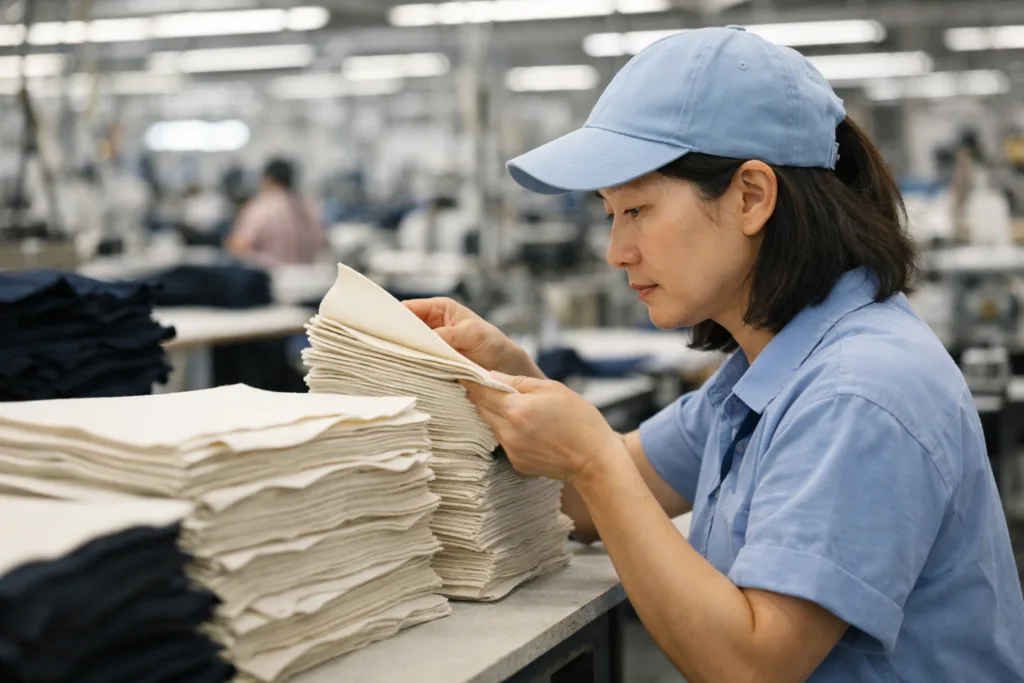
With all pieces cut, a final “grain check” catches mistakes before costly construction. Stack pattern pieces and inspect for consistent grain direction—especially peace-of-mind before sewing complex styles or expensive materials (a habit that, at Apparel Wiki, often distinguishes expert makers from beginners).
The Connection Between Grain Line and Pattern Making Methods
Whether you draft flat patterns or drape directly onto a mannequin, the grain line dictates every aspect of fit and style. For a battle-tested review of classic pattern making approaches, see Pattern Making Showdown: The Definitive Guide to Flat Pattern vs. Draping.
Industry Insights: How Professionals Manage Grain in Production
Large-scale apparel manufacturing relies on tight controls for grain alignment to minimize waste and guarantee standardized sizing. Operations often invest in digital pattern making and automated cutters—ensuring the grain line stays front and center, even at scale.
What If You Ignore the Grain Line? Real-World Risks
If grain line markings are disregarded, the garment may end up with puckered seams, rolling edges, or persistent fit failures (which can be costly in both time and materials). Reliable brands, factories, and sewing pros always prioritize grain during every phase of construction.
Understanding the Grain Line: Why It Matters for Fit.
From the classroom to the cutting room, the grain line remains a foundational element in achieving dependable fit and professional-quality results. By respecting the direction of both your pattern and your fabric, you minimize risk, make smarter design choices, and set your garments up for years of comfortable, beautiful wear.
Frequently Asked Questions
What is the grain line in sewing, and why is it important?
The grain line is the direction of threads in fabric and aligns with the strength and drape of the garment. It ensures stability, professional hang, and accurate fit when followed during cutting and sewing.
How does cutting on the bias affect garment fit?
Cutting on the bias lets the fabric stretch and drape gracefully, enhancing fit around curves and providing a fluid, elegant look. It’s commonly used for dresses, shawls, and skirts that need a soft, body-skimming effect.
What happens if I ignore the grain line when cutting fabric?
Ignoring the grain line can result in twisting seams, uneven hems, and uncomfortable fit. The fabric may stretch or shrink unpredictably, causing distortions that are hard to fix after construction.
Should I always align pattern pieces with the lengthwise grain?
Most garments are designed for lengthwise grain alignment for optimal fit and stability. However, some styles (like bias-cut dresses) require bias or crosswise placement for design and movement. Always follow the pattern’s grain marking.
How do I find the grain line on knit fabrics?
Knit fabrics have rows of vertical stitches (wales) and horizontal courses. The lengthwise direction (along the wales) typically functions as the grain line and should be used for aligning pattern pieces.
Can the grain line affect fabric waste?
Yes. Proper grain alignment makes efficient use of fabric. Ignoring it can lead to miscuts, wasted material, and the need for more fabric to complete your project.