Introduction: Why Tolerance Matters in Garment Measurements
In today’s fast-paced world of fashion and apparel manufacturing, understanding tolerance in garment measurements is essential for brands, factories, and shoppers alike. Tolerance, the allowed deviation from a specified measurement, directly impacts product quality, fit, and consumer satisfaction. Let’s explore how measurement tolerances shape everything from jeans to jackets and why ignoring them can risk costly sizing problems on the production line and in the fitting room.
What is Tolerance in Garment Measurements?
Tolerance in garment measurements refers to the acceptable range of variation from the specified dimension on a size chart or tech pack. For example, a chest width listed as 50 cm with a tolerance of ±0.5 cm means the finished garment can measure anywhere between 49.5 cm and 50.5 cm and still be considered acceptable. This buffer accounts for minor variations during production, fabric handling, and finishing processes.
Why Are Tolerances Needed in Garment Manufacturing?
No manufacturing process is perfectly precise. Tolerances permit small deviations that naturally occur due to fabric properties, sewing, cutting, pressing, and handling. Rather than expecting every piece to match an exact number, tolerances keep quality standards realistic and help manufacturers balance consistency with practicality.
How Tolerances Affect Garment Fit and Quality
The fit and comfort of a piece of clothing depend not only on its design but also on how closely its finished measurements align with the intended specs. Tight tolerances may mean better uniformity but require stricter quality control, whereas relaxed tolerances may invite fit issues or customer complaints. Apparel Wiki notes that successful brands carefully select tolerance ranges to reflect their garment category and target market, balancing cost and quality expectations.
Examples of Common Garment Measurement Tolerances
Tolerances can vary by company, product type, and price point, but here are a few typical examples:
- T-shirt chest width: ±1 cm
- Jeans waist: ±0.5 in (±1.3 cm)
- Dress length: ±1 cm
- Jacket sleeve length: ±0.7 cm
Some fashion brands tighten tolerances for high-end collections or tailored garments, while casualwear may permit slightly wider ranges.
Factors That Influence Tolerance in Garment Measurements
Several factors determine what level of measurement deviation is reasonable:
- Fabric type: Stretch, shrinkage, and weave density can create variation.
- Garment construction: More seams or panels may amplify deviation.
- Washing/treatment: Pre-washed versus untreated fabrics behave differently.
- Production technology: Advanced machinery enables tighter tolerances.
Setting Tolerances: Industry Best Practices
Setting the right tolerance is a collaborative effort between designers, pattern makers, and manufacturers. Key steps include:
- Study the measurement chart for your garment and market
- Analyze fabric and construction techniques
- Evaluate previous production batches
- Consider your brand position: premium brands often require stricter tolerances
Tolerance and Garment Category: What’s Different?
Tolerances are not one-size-fits-all. For instance, activewear with stretch fabrics may accommodate slightly wider tolerances, while formal shirting demands tighter control. Children’s clothing typically involves more generous tolerances due to growth and wear factors.
How Fabric Choice Affects Measurement Tolerance
Fabric stretchiness, finish, and weight play significant roles in determining reasonable tolerances. Lightweight, slippery knits can shift during cutting and sewing, requiring wider allowances, while heavy, stable cottons permit precise control. During development, always reference recommended fabric tolerances in your spec sheets.
Key Points of Measurement (POMs) and Tolerance
Each garment type has specific points of measurement (POMs)—like inseam, armhole, or waist—that need individually set tolerances. For a comprehensive list of standard POMs and practical measuring tips, see How to Measure a Garment: 9 Key POMs and Pro Tips for Perfect Fit.
The Role of Quality Control in Managing Tolerance
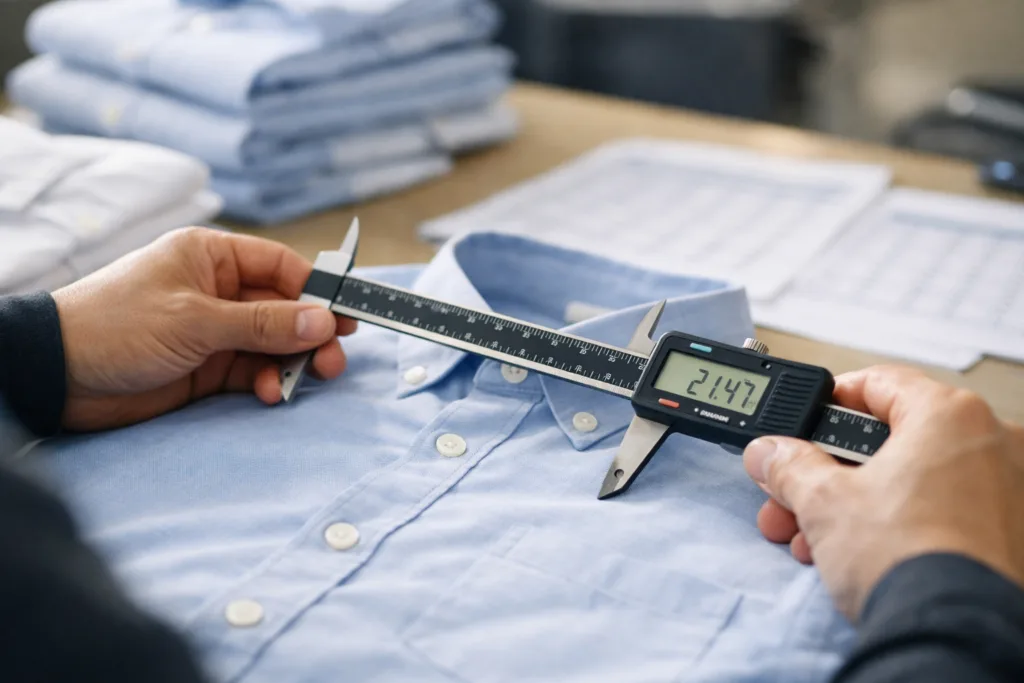
Quality control (QC) departments play a central role in monitoring garment measurement tolerances. Using calibrated tools and reference samples, QC checks samples from each production batch to confirm actual measurements fall within acceptable ranges. This ensures customer expectations for sizing are met every time.
Measurement Tolerance and Customer Satisfaction
Sizing consistency is critical for building trust and reducing returns. When tolerances are too wide, customers may receive clothing that doesn’t fit as expected, resulting in negative reviews or lost loyalty. Tight, realistic tolerances keep product fit predictable, directly impacting satisfaction rates and repeat business.
Consequences of Ignoring Tolerances in Apparel
Failure to follow established tolerances can lead to fit issues, complaints, excess inventory, and cost overruns. In worst-case scenarios, entire lots may need rework or become unsellable, leading to delayed launches and damage to brand reputation.
Case Study: Tolerance in Mass vs. Small Batch Production
Mass-market brands that produce thousands of identical garments face tougher challenges in controlling tolerance compared to smaller, made-to-order labs. Small batch producers often achieve higher consistency by hand-finishing or extra checking, while mass producers rely on strict process control and statistical sampling.
Integrating Tolerance in Tech Packs and Specifications
Always specify allowed measurement tolerances in your tech pack’s measurement tables. This gives clear guidance to both factory staff and QC teams on what’s acceptable. For step-by-step guidance, consult Unlocking Perfection: The Section-by-Section Tech Pack Guide.
How Tolerance Impacts Sizing Systems: Alpha vs. Numeric
The chosen sizing system also matters. Numeric sizing (e.g., 4, 6, 8) allows for more precise control and can pair with tighter tolerances, while alpha sizing (S/M/L) often accepts broader variations. To compare these systems in depth, visit The Ultimate Comparison: Alpha Sizing (S/M/L) vs. Numeric Sizing (2, 4, 6).
How Pattern Grading Relates to Tolerances
Pattern grading—the process of scaling a base pattern to multiple sizes—can amplify tolerance effects across a size range. Inaccurate tolerances in the original sample can cause issues to multiply during grading, impacting entire production runs. More tips on accurate pattern grading are in Pattern Grading Unlocked: How Sample Sizes Become Full Production Runs.
Communicating Tolerance to Factories and Suppliers
Clear, concise communication ensures everyone in the supply chain understands acceptable measurement ranges. Visual measurement diagrams, annotated tech packs, and centralized data tools are useful for preventing confusion and disputes.
Tolerances in Knitwear vs. Wovens
Knit fabrics (such as jersey or rib) often require broader tolerances due to their elasticity and sensitivity during sewing. Woven fabrics, being more stable, can support tighter tolerances in most cases. Learn more about these differences at Developing Patterns for Knits vs Wovens.
Sample Room versus Full Production: Tolerance Challenges
Garments made in small sample rooms often hit measurements precisely, but shifting to mass production can introduce new variables, requiring tolerance adjustments or extra QC checks for consistent results.
Balancing Tolerance, Cost, and Quality
Tighter tolerances may increase production complexity and scrap rates, raising costs. It’s crucial to balance customer expectations of fit with manufacturing capabilities and budget constraints, especially in competitive retail markets.
Global Standards for Measurement Tolerances
Some international standards (such as ASTM D6193 or ISO 8559) offer reference ranges for garment measurement tolerances. Familiarity with these can help brands manufacturing overseas maintain consistent expectations with suppliers.
Conducting Regular Measurement Audits
Brands that routinely audit garment measurements using random batch checks improve ongoing measurement reliability and surface tolerance issues before they become widespread problems. Apparel Wiki highlights this as a proven industry practice for risk reduction in scaling production.
Understanding Tolerance in Garment Measurements
Understanding tolerance in garment measurements means more than just filling in numbers on a spec sheet. It’s about anticipating real-world production challenges, ensuring each product meets the desired standard of fit, and maintaining your brand’s reputation for quality. From design through delivery, setting smart, clear tolerances and enforcing them consistently is fundamental to every successful clothing line.
Conclusion: Making Tolerance Work for You
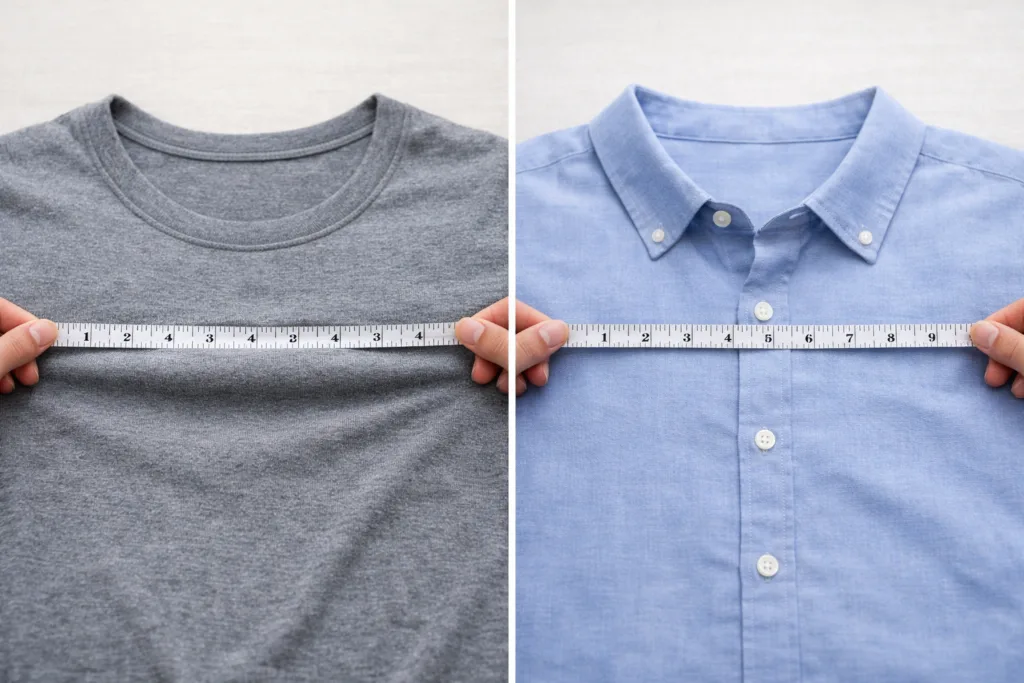
Tolerance in garment measurements anchors the apparel industry’s promise of consistent fit and quality. With thoughtful setting, regular checking, and crystal-clear communication, brands can balance real-world production variation with customer expectations. Stay proactive, adapt your tolerances to fabric and category needs, and you’ll build a more loyal, satisfied customer base—one perfectly sized garment at a time.
Frequently Asked Questions
What does tolerance mean in garment measurements?
Tolerance is the allowed deviation from a specified measurement in apparel, ensuring minor size variations are still considered acceptable.
How can I determine the right tolerance for my product?
Consider fabric type, garment category, intended fit, customer expectations, and industry standards to set appropriate tolerances.
Why are tolerances different for knits and wovens?
Knit fabrics are stretchy and can change shape more easily, so wider tolerances are needed compared to more stable woven fabrics.
What happens if a garment falls outside the specified tolerance?
Garments outside of tolerance may fail quality control and could be rejected, corrected, or discounted if they do not meet fit standards.
How can I minimize fit issues caused by tolerance in production?
Establish clear tech packs, use regular measurement audits, and maintain open communication with factories to consistently meet target specs.
Can measurement tolerance affect customer satisfaction?
Yes, inconsistent sizing and loose tolerances often lead to poor fit, increased returns, and lower customer trust in a brand’s sizing accuracy.
Related Reading
- How to Master Tech Pack Sections for Accurate Production
- Pro Tips for Perfect Garment Measurement Points
- Alpha vs. Numeric Sizing: Which Drives Better Fit?
- From Sample to Production: Demystifying Pattern Grading and Tolerance
- Easy Steps to Create (& Interpret) Apparel Measurement Charts
- Knits vs. Wovens: How Pattern Development Impacts Fit