Introduction: Anthropometric Data and the Pursuit of Perfect Fit
Ensuring great garment fit is one of the advancing frontiers in fashion. With the surge in e-commerce, consumer expectations have shifted: today’s shoppers demand clothes that fit their unique bodies—not just standard sizes. This is driving the apparel industry to embrace anthropometric data and body scanning for fit optimization. By leveraging precise digital measurements, brands can offer better-fitting products, minimize costly returns, and deliver a more personalized shopping experience. Understanding how these technologies work, and their industry implications, is essential for anyone invested in modern apparel, from technical designers to brand managers and consumers alike.
What Is Anthropometric Data?
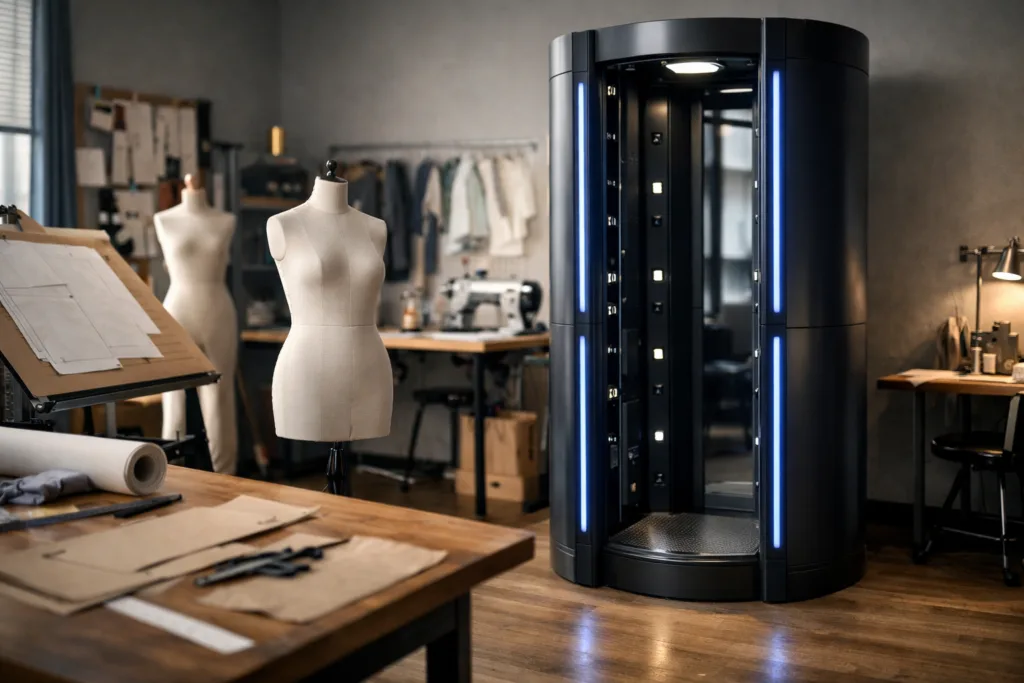
Anthropometric data refers to the systematic measurement of human body dimensions. It includes detailed statistics about height, waist, chest, arm length, hip circumference, and dozens of other metrics. Traditionally measured by hand with tape measures, today’s apparel industry increasingly captures this data via advanced body scanning technology. This shift not only streamlines data gathering but also makes it possible to analyze, compare, and standardize sizing across diverse populations—an important leap for brands serving global audiences.
Why Accurate Measurement Is Vital for Fit Optimization
Clothes that fit properly drive sales, customer loyalty, and positive reviews. Inaccurate sizing, on the other hand, leads to confusion, low satisfaction, and avoidable returns. For decades, brands have relied on manual amalgamations of average body size data, often neglecting variances in height, proportion, or posture. As fit optimization becomes essential to customer satisfaction, precise and individualized measurement is replacing guesswork. Informed by anthropometric data, designers can create garments accurately tailored for real bodies—not just theoretical averages.
How Body Scanning Technology Works
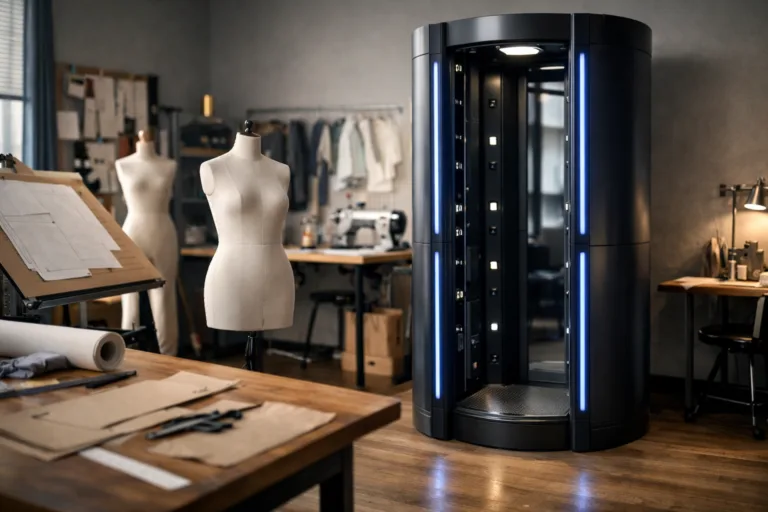
Modern body scanning uses a range of techniques—infrared sensors, structured light, or even smartphone depth cameras—to generate a three-dimensional digital model of an individual’s body. The process is quick, non-invasive, and highly precise. Users stand in a designated scanning booth or pose for multiple photos via a mobile app. Software then extracts dozens of critical measurements in seconds. This digital data becomes the cornerstone for pattern making, grading, and ultimately, customized sizing solutions across the supply chain.
Main Types of Body Scanners Used in Apparel
- Laser-Based Scanners: Project laser grids onto the body, capturing depth and contour information accurately.
- Photogrammetry: Uses multiple cameras or smartphone sensors to stitch together a 3D model from photographs.
- Structured Light Scanners: Project a pattern of light onto the body and measure distortions to infer shape.
- Millimeter-Wave/Radar Sensors: Primarily used for security, but emerging in fitting applications for non-contact, high-speed detection.
The Science Behind Fit: Translating Body Data to Garment Patterns
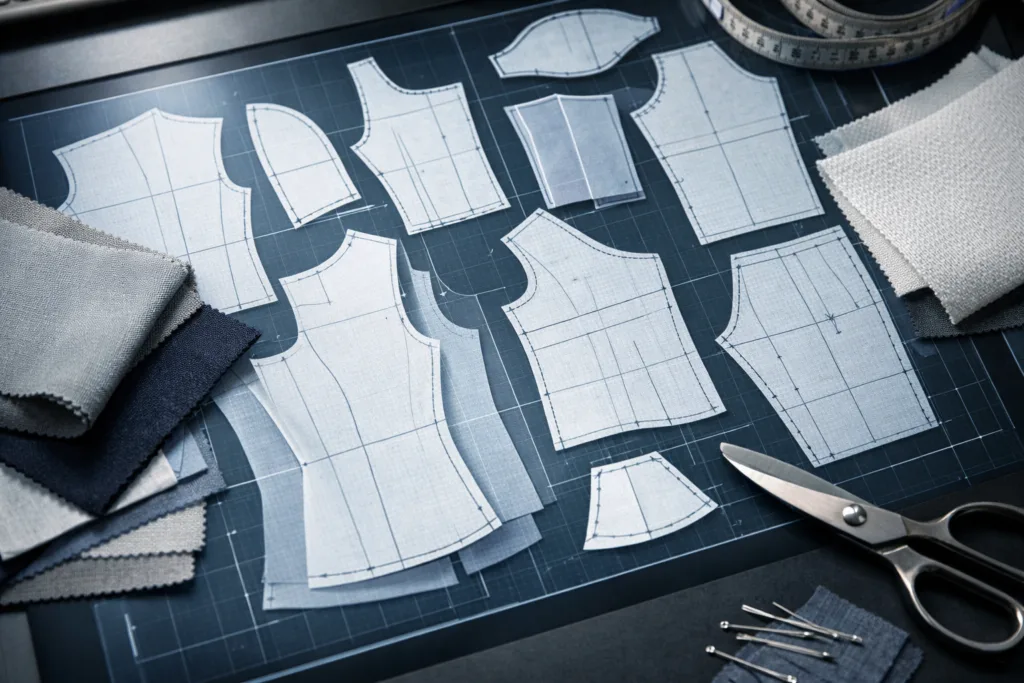
Turning digital body scans into perfectly fitting garments isn’t automatic. The process involves translating three-dimensional data into two-dimensional patterns—a task that demands both technical skill and creative decision-making. Apparel Wiki editors often highlight the importance of considering movement, ease, and cultural differences in grading rules when interpreting anthropometric data for garment design.
Key Benefits of Body Scanning for Consumers and Brands
- Personalized Fit: Garments designed to match an individual’s unique shape and posture.
- Reduced Return Rates: Fewer fit-related returns lower costs and environmental impact.
- Inclusive Sizing: Brands can serve diverse body types, from petite to plus, addressing gaps in traditional grading systems. For more on inclusive sizing, see our Plus Size Grading guide.
- Efficient Pattern Development: Automated, data-driven systems make sample creation faster and more precise.
- Enhanced Consumer Confidence: Better fit guarantees increase online purchase confidence and satisfaction.
Case Study: Brand Success Stories Using Body Scanning
Several apparel brands have already piloted or fully adopted body scanning for sizing and fit optimization. Take for example:
- Ministry of Supply: This brand uses in-store body scanners to recommend sizes and generate custom-fit garments. Their return rates for scanned customers are significantly lower.
- MTailor: Offering made-to-measure shirts and jeans, MTailor relies on an app that body scans users via smartphone and delivers clothes with a satisfaction guarantee.
- Naked Labs: With a 3D body scanner mirror at home, their users receive individualized fit feedback and apparel recommendations online.
Integrating Body Scanning in the Apparel Supply Chain
From product development through retail, body scanning impacts every phase of garment production. Designers can start projects with accurate digital measurements, guide pattern makers, and communicate precise sizing instructions to factories using digital tech packs. For instance, brands integrating digital tech packs streamline communication and minimize manufacturing errors. If you’re interested in upgrading your factory specs, discover how digital tech packs support modern production workflows.
Tackling the Challenges: Cost, Adoption, and Data Privacy
Despite clear benefits, integrating body scanning is not without hurdles:
- Cost and Accessibility: High-quality scanners remain expensive, though prices are dropping.
- Retailer Readiness: Stores must train staff and adapt retail spaces for new technologies.
- Data Privacy: Collecting and storing body data raises privacy and security concerns that brands must address transparently.
Addressing Diverse Body Shapes for True Inclusivity
Traditional sizing charts have often failed to account for the full range of human body shapes—from athletic to curvy to tall and short. With a wealth of anthropometric data, brands can diversify size charts, offer more accurate plus, petite, or athletic fits, and reduce exclusion. See our resource on creating a size chart for global standards to better understand the need for worldwide inclusivity.
The Link Between Fit Optimization, Returns, and Sustainability
Every returned garment represents wasted resources and carbon emissions. By improving fit with body scanning, brands not only boost satisfaction but also contribute to sustainability. Reductions in returns can have measurable positive impacts—financially and environmentally—across the entire industry. Internal analysis by Apparel Wiki shows that even a 15% drop in size-related returns produces outsized environmental and cost benefits.
Body Scanning and the Future of Customization
As mass customization goes mainstream, apps and stores can use body scan data to recommend or even create garments altered for each buyer individually. Direct digital-to-factory transmission shortens lead times and eliminates the need for broad inventory speculation. This shift enables rapid on-demand manufacturing, which represents a future where style and fit are truly personal.
The Impact on Grading and Pattern Development
For technical designers, integrating body data into the grading process helps develop size sets that better represent the population’s true diversity. With automated sizing systems grounded in robust anthropometric research, the days of “just scaling up” patterns are numbered. Manufacturers looking for practical advice can explore our guide to pattern grading for a look at how data-driven grading improves consistency across all sizes.
Adoption in Retail: In-Store and Online Approaches
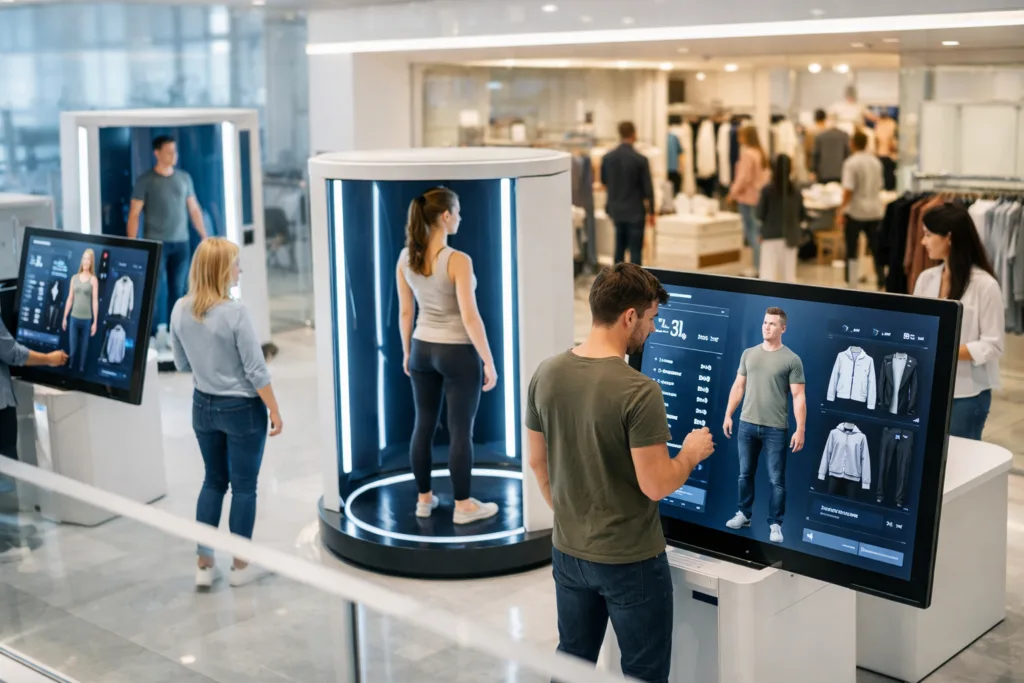
Physical retail is experimenting with in-store booths where customers receive personalized sizing recommendations. Online, brands are deploying scanning apps compatible with mobile phones, bringing this technology into shoppers’ homes and bypassing the barrier of costly in-person equipment. Both approaches meet customers where they shop and offer tangible improvements in fit confidence.
Privacy and Security Concerns in Body Scanning
Storing and processing sensitive body data introduces legitimate privacy risks. Clear communication about data use, robust encryption, and active consent protocols are crucial to consumer trust. Industry standards and evolving regulations demand careful compliance—forward-thinking brands are already making privacy an important differentiator.
Technological Limitations and Calibration Considerations
No system is perfect: ensuring scanner calibration, minimizing distortion from clothing during scanning, and standardizing software algorithms are all ongoing industry efforts. Early adopters should prioritize trial runs, careful training, and regular calibration to maintain consistently high levels of measurement accuracy.
The Role of Data Analytics in Fit Optimization
Once body data is collected at scale, brands can analyze trends, predict fit issues, and even identify opportunities for new product offerings. Advanced analytics platforms help teams proactively solve problems—such as why a garment has an unusually high return rate—by providing actionable insights into the patterns hidden in the data.
Enhancing Customer Experience through Virtual Try-On Tools
Integrating body scanning with virtual try-on technology allows customers to see a digital version of themselves wearing garments before purchase. This interactive experience not only boosts confidence but also bridges the gap between online and in-store shopping, further slashing the guesswork out of size selection.
Reducing Production Waste and Lead Time
By leveraging accurate fit data, factories can reduce the number of prototypes and physical samples needed, slashing both cost and production time. Manufacturers using CAD and digital pattern making systems can input scan data to optimize marker layout and fabric utilization, directly boosting efficiency.
The Business Case: ROI for Bodyscanning Investments
For decision makers, it’s important to consider both up-front and ongoing costs of body scanning technologies, set against reduced returns, improved brand loyalty, and a lower environmental footprint. Many leading brands report recouping initial investments within months through greater customer retention and decreased costly returns.
Global Trends: Regional Differences in Fit Preferences
Anthropometric data reveals important global differences—what fits well in one country may not suit another. Brands expanding overseas must understand and incorporate local fit preferences. For more insight, see how leading companies handle alpha vs numeric sizing worldwide.
Anthropometric Data: Using Body Scanning for Better Fit
At the center of the shift toward better apparel fit is the seamless integration of body scanning and anthropometric data. Real-time measurements feed directly into design and production, removing much of the guesswork from sizing. This ultimately transforms the consumer experience, offering fashion that’s personalized, inclusive, and reliable.
The Ongoing Evolution: Beyond Garments to Wearable Tech and Health
Body scanning’s applications don’t end at fashion. Sports apparel companies, medical prosthetics developers, and fitness brands all benefit from accurate anthropometric data. The crossover between apparel and personalized health is opening new frontiers, with emerging products offering fit, comfort, and biometric monitoring in one package.
Conclusion: Precision Fit Is the Future of Apparel
The pursuit of perfect fit is driving remarkable innovation in the clothing industry. Through anthropometric data and body scanning, brands and factories can move beyond traditional size charts to deliver precise, customer-centric products. The benefits—from lower return rates to higher consumer confidence and more sustainable manufacturing—make investing in this technology a strategic, forward-thinking choice. As body scanning becomes a standard part of the apparel workflow, its influence will only grow, shaping not only how we measure but how we define what it means for clothing to “fit” in the future.
Frequently Asked Questions
How accurate are body scanning measurements?
Modern body scanning systems deliver highly precise measurements, usually within a few millimeters. Calibration and proper scanning techniques are essential to achieve consistent accuracy.
Is body scanning technology affordable for small brands?
While high-end scanners can be costly, mobile-based solutions and third-party scanning services are making body scanning increasingly accessible for brands of all sizes.
Can body scanning help reduce return rates?
Yes, brands that use body scanning report lower fit-related returns by ensuring garments are tailored more closely to the customer’s actual measurements.
What steps should brands take to address privacy concerns?
Brands should use strong data encryption, obtain clear consent, and explain how body data will be used and stored to maintain customer trust and comply with regulations.
Will body scanning work equally well across all types of clothing?
Body scanning is most effective with fitted garments but provides value for all clothing types by informing improved sizing and grading practices.
How does inclusive sizing benefit from anthropometric data?
Extensive body measurement data ensures size charts and fit models represent real, diverse body types, leading to better inclusivity and fewer exclusions.