Introduction: Why Apparel Sampling Matters
Every successful apparel collection begins with a robust sampling process. The 5 stages of apparel sampling create the foundation for quality garments, efficient manufacturing, and memorable designs. Mastering these stages ensures that your ideas transition from paper to production without costly setbacks. In this guide, we break down the complete timeline and give practical insights drawn from real-world results. Whether you’re developing your first line or optimizing an existing workflow, understanding each sampling stage is key to launching apparel that stands out.
The 5 Stages of Apparel Sampling: A Complete Timeline
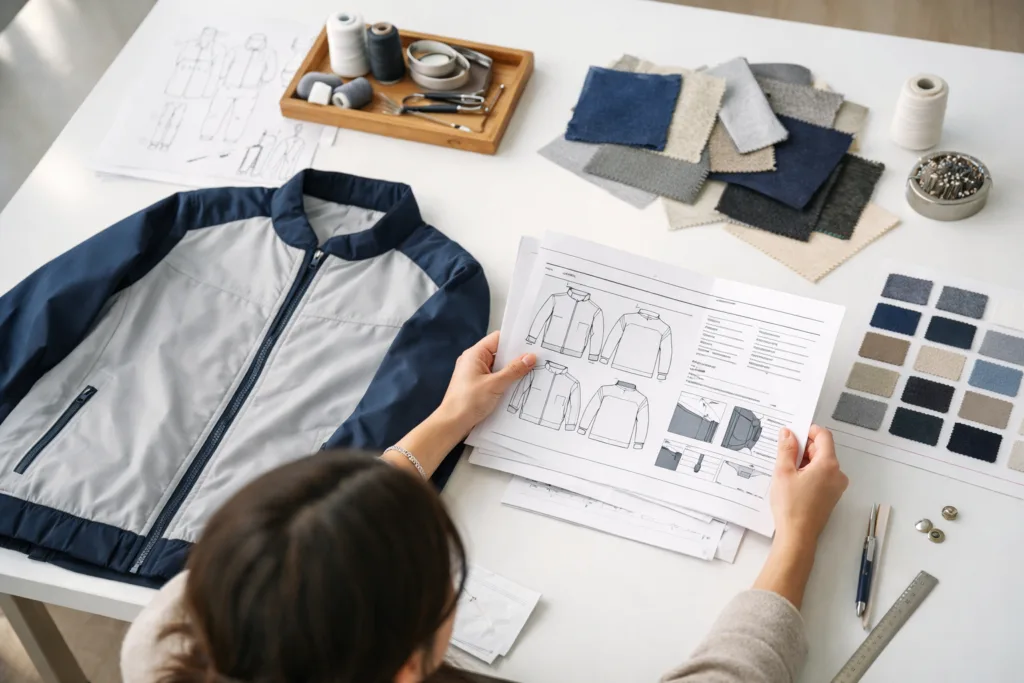
Apparel sampling typically unfolds in five distinct stages that mirror the journey of a garment, from concept to approval. Let’s walk through each stage and highlight essential details, industry tips, and timeline benchmarks.
Concept Development and Initial Sample Request
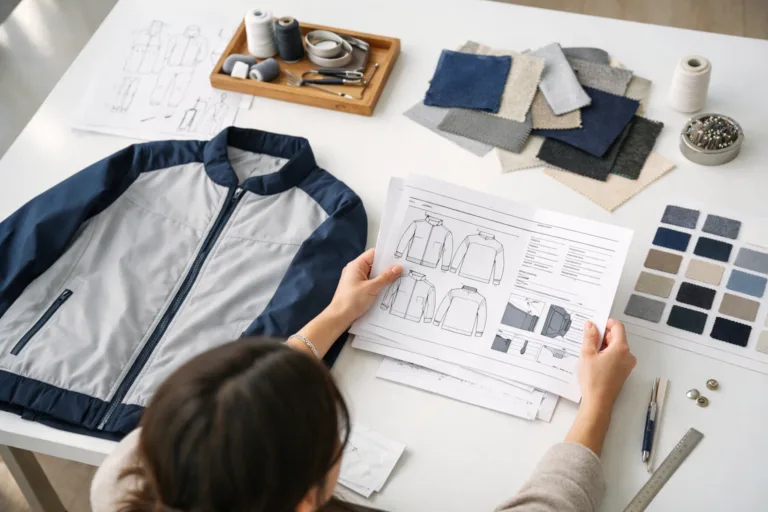
This stage is all about refining your creative vision and converting ideas into actionable samples. Designers define style details, fabrics, fits, and technical sketches. The tech pack manufacturing guide is often referenced at this step to outline everything a factory needs for the first prototype.
- Best Practices: Be meticulous with measurements and artwork. Include garment measurement charts and clear specs.
- Common Challenges: Ambiguous sketches or incomplete tech packs lead to misinterpretations.
- Timeline: 1–2 weeks to clarify concepts and submit sample requests.
Pattern Making and Prototype Creation
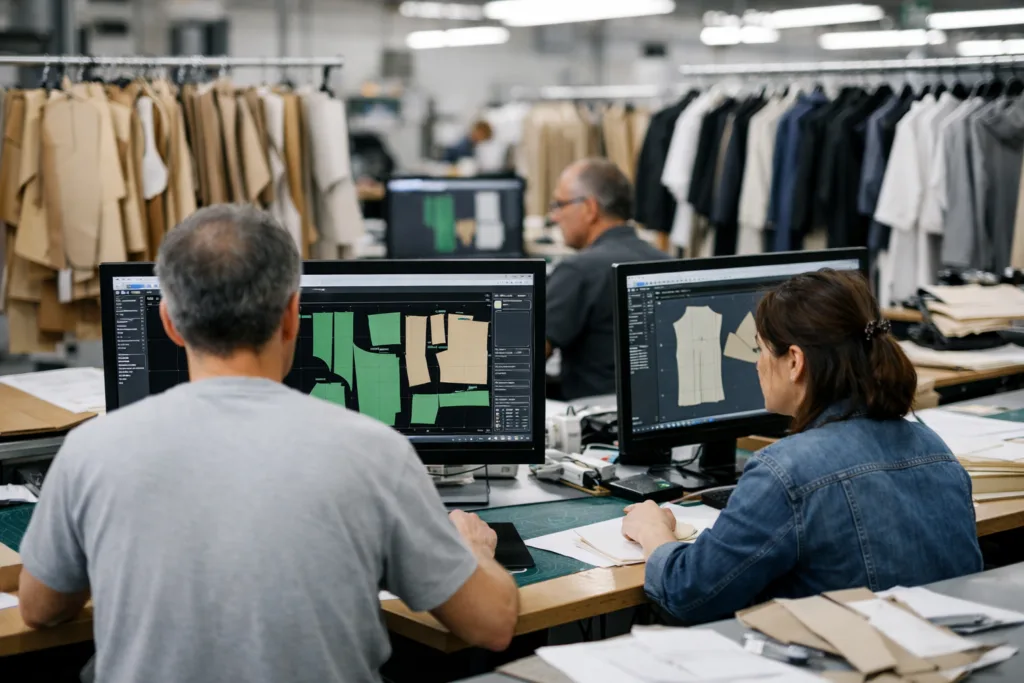
At this stage, pattern makers turn sketches into real garments. Digital tools like Gerber and CLO3D—covered in digital pattern making CAD systems—speed up refinement and reduce mistakes. Factories create prototypes to test design viability and fit.
- Best Practices: Confirm fit through live model fit sessions. Review seam allowances and grading rules.
- Common Challenges: Misaligned grain lines or tolerance issues can cause poor fit.
- Timeline: 1–3 weeks for pattern development and prototyping.
Sample Review and Corrections
Initial prototypes undergo thorough evaluation. Measurements, construction, and style details are scrutinized. Feedback is documented and sent back to the factory. Useful tips can be found in how to communicate pattern corrections to your factory.
- Best Practices: Use clear callouts and annotated comment sheets. Conduct fit sessions and body scanning for precision (body scanning for better fit).
- Common Challenges: Miscommunication or insufficient correction notes may delay approvals.
- Timeline: 1–2 weeks for review and correction feedback.
Pre-Production Sample and Approval
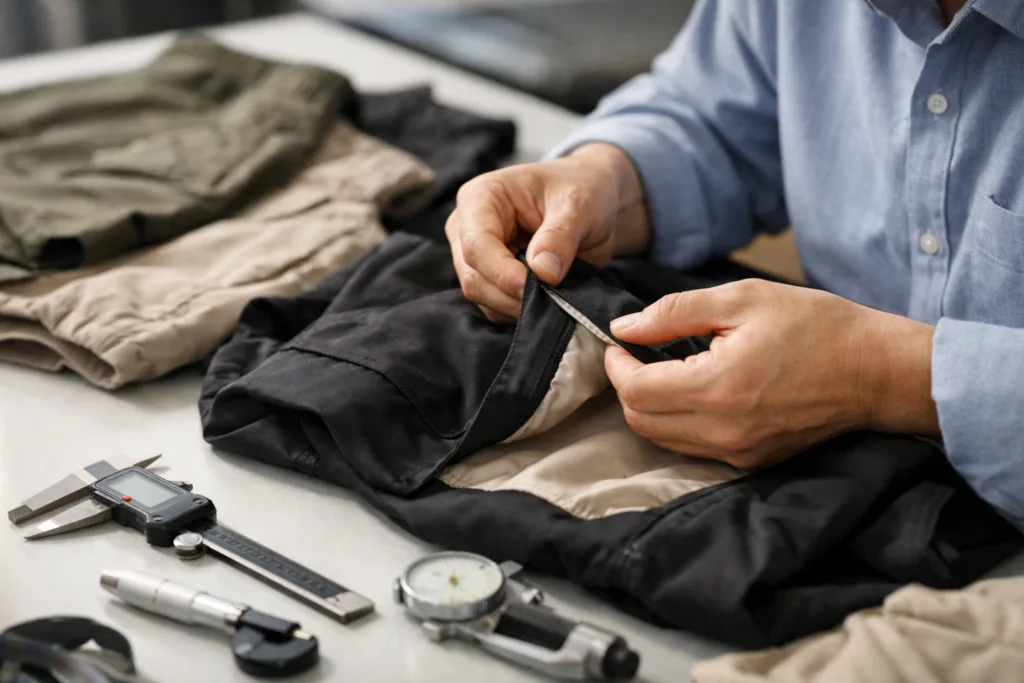
This phase involves producing a final sample that mirrors the intended bulk production. Brands check tolerances, colorfastness, and overall construction. The understanding tolerance in garment measurements resource guides on setting acceptable variation limits.
- Best Practices: Verify color consistency and check for production delays.
- Common Challenges: Unexpected fabric behavior or overlooked sizing errors.
- Timeline: 1–2 weeks for pre-production sampling and approval.
Final Production Sample & Bulk Order Readiness
Here, the approved pre-production sample becomes the template for bulk production. Factories prepare size sets and perform quality control checks. This is the last chance for corrections before mass manufacturing begins.
- Best Practices: Store approved samples as a reference. Update tech packs after sampling reviews (updating tech packs after sampling reviews).
- Common Challenges: Rush approvals increase risk of overlooked issues.
- Timeline: 1–2 weeks for bulk production prep.
Visualizing the Apparel Sampling Timeline
| Stage | Expected Duration | Key Activities |
|---|---|---|
| Concept Development | 1–2 weeks | Sketching, tech pack, measurement chart |
| Pattern Making | 1–3 weeks | CAD tools, proto sampling, fit |
| Sample Review | 1–2 weeks | Fit sessions, feedback, corrections |
| Pre-Production Approval | 1–2 weeks | QC checks, colorfastness, tolerance |
| Bulk Prep | 1–2 weeks | Final sample, size set, tech pack updates |
Key Tools and Resources for Sampling Stages
Across the five stages, certain tools and practices streamline the process:
- Tech Packs: Provide essential instructions and specs. Learn more about digital tech packs for fashion manufacturing.
- Pattern Blocks and Slopers: Standardize fits and sizing. Knowing the difference helps you build stronger brand foundations (pattern block vs sloper).
- CAD Tools: Digital pattern making reduces errors.
- Measurement Charts: Help clarify fit requirements.
Common Sampling Pitfalls and How to Avoid Them
Industry veterans see recurring issues due to unclear communication, missing measurements, and rushed approvals. To minimize wasted time:
- Review spec sheets for accuracy.
- Set garment tolerances early.
- Keep correction notes clear and concise.
- Always conduct multiple fit sessions and use live models if possible (fit session with a live model).
Apparel Wiki recommends cross-checking measurement charts and continuously updating tech packs after every sampling phase for maximum clarity.
Best Practices for Efficient Sampling Cycles
Staying ahead of deadlines means optimizing each stage:
- Set realistic timelines.
- Communicate feedback promptly.
- Digitize all pattern and tech pack documents.
- Use interactive tools for virtual fit reviews to speed up corrections.
- Integrate quality control checks early and often.
Integrating Sizing, Grading, and Fit During Sampling
Accurate sizing and grading is built into the pattern development and reviewed throughout sampling. Resources like pattern grading scaling from sample size to production give helpful overviews. Using alpha vs numeric sizing and adjusting for plus size fits during sampling can solve fit challenges before production.
Understanding Sample Types: Proto, Fit, Size Set, and PP Samples
The four main types of samples serve distinct purposes:
- Proto Sample: First look, checks the big picture.
- Fit Sample: Trials fit on models, tests comfort.
- Size Set Sample: Reviews multiple sizes for consistency.
- Pre-Production (PP) Sample: Approves bulk production readiness.
Each plays a role in the sampling timeline and ensures no surprises when garments reach customers.
How Measurement, Tolerances, and QC Interact in Sampling
Quality control starts early—most brands check measurements and tolerances before bulk production. Learn about key standard POMs for garment measurement and set acceptable tolerances using industry benchmarks.
Sample Approval: Decision Criteria and Process
Factories and brands agree on approval criteria before sampling begins. Main decisions include fit, workmanship, colorfastness, and adherence to tech pack specs. Final sign-off only happens when all fail points are resolved.
Tech Pack Updates After Each Sampling Stage
Updating a tech pack after sampling reviews (tech pack updates after sampling reviews) keeps development teams and factories in sync. It details corrections, fabric changes, and new construction notes.
Real-World Examples of Sampling Stage Outcomes
A start-up designer saw errors in their proto sample due to unclear seam allowance instructions. After clarifying and referencing seam allowance standards for garment types, subsequent samples improved dramatically. Another brand resolved repeated fit issues by integrating body scanning and alpha vs numeric sizing comparisons in early stages.
Expert Timeline Shortcuts and Efficiency Tips
Experienced technical designers save time by digitizing all pattern corrections, using virtual fit reviews, and maintaining a rolling tech pack for rapid updates. Timelines shrink when feedback is precise and manufacturers have clear reference samples.
How Apparel Wiki Defines Sampling Stages
Apparel Wiki categorizes sampling stages as: concept development, pattern making, sample review and correction, pre-production sample, and bulk order readiness. Each stage supports efficiency and clarity for brands, factories, and designers alike.
Adjusting Sampling Cycles for Seasonality and Market Needs
Busy seasons or trend-driven launches require tighter timelines. Brands often overlap sampling stages or use fast-fit digital tools, while maintaining rigorous QC. Adapt your sampling cycle to align with production lead times and shipment needs.
Sampling Stages for Different Apparel Categories
The timeline may shift for categories like children’s wear (children’s wear grading for growth spurts and safety) and plus size apparel (plus size grading fixes for better fit). Each requires extra attention to grading, fit, and safety compliance.
Comparing Fast Fashion vs. Luxury Sampling Stages
Fast fashion brands compress sampling cycles, focusing on speed and cost. Luxury brands spend more time refining fit, fabrics, and details, often running additional sample reviews. Both approaches yield distinct timelines and results.
Common Misconceptions About Sampling Stages
It’s often assumed that only one sample is needed. Most brands create several rounds to catch errors early and improve final product quality. Another misconception: digital patterns eliminate the need for physical samples. Physical prototypes remain crucial for verifying garment feel and construction.
Tips for Clear Factory Communication During Sampling
Clarity saves time and reduces mistakes. Write detailed callouts in tech packs and comment sheets (clear factory communication techniques). Attaching annotated photos helps bridge language barriers and clarify corrections.
Integrating Eco-Friendly and Sustainable Fabrics into Sampling Stages
Brands adopting sustainable fabrics must adjust sampling timelines to test shrinkage, colorfastness, and texture. Resources on eco-friendly and sustainable fabrics help clarify sampling stage requirements for new materials.
How Sampling Stages Impact Final Production and Sales
Strong sampling processes prevent costly recalls, improve fit, and increase customer satisfaction. High-quality samples set standards for manufacturing, reducing errors and boosting sales outcomes.
Conclusion: Navigating the Apparel Sampling Timeline
The 5 stages of apparel sampling are the backbone of successful garment creation. By carefully planning each phase—from concept to final bulk preparation—brands and manufacturers build efficiency, consistency, and quality into every product. Using best practices, staying vigilant about communication, and continuously fine-tuning your approach will help you create garments customers love and trust. As apparel timelines and technologies evolve, mastering the sampling process positions your brand for ongoing success.
Frequently Asked Questions
What is the purpose of apparel sampling?
Apparel sampling evaluates design, fit, and quality before mass production, ensuring the final product matches expectations and reduces costly errors.
How long does the apparel sampling process take?
Typically, the complete timeline spans 5–10 weeks, depending on complexity, category, factory location, and how quickly feedback is given.
Can you skip any sampling stage?
Skipping stages increases risk. Each stage catches different issues, so eliminating one may result in fit problems or quality failures in bulk production.
How do you communicate sample corrections to factories?
Use annotated tech pack updates, clear written comments, and reference photos to clarify corrections and reduce misunderstandings with factories.
Are digital patterns enough for accurate samples?
Digital patterns speed development, but physical samples remain vital for verifying construction, drape, and garment feel.
How do sustainable fabrics affect sampling stages?
Sustainable fabrics require additional testing for shrinkage, durability, and colorfastness—often extending sampling timelines.
Related Reading
- Live Model Fit Sessions: Maximizing Garment Success
- Quick Guide: Updating Tech Packs After Sampling
- Scaling Up Patterns: How Sample Sizes Guide Production
- Garment Measurement Tolerance: Improve Quality, Cut Returns
- Plus Size Grading Fixes: Better Fit, Fewer Mistakes
- Children’s Clothing Grading: Growth & Safety Essentials