Introduction: Navigating Alpha Sizing (S/M/L) vs. Numeric Sizing (2, 4, 6): Pros and Cons.
If you’ve ever been stumped in the fitting room, you’re not alone. The battle between alpha sizing (S/M/L) and numeric sizing (2, 4, 6) is at the core of clothing fit worldwide. Some shoppers rely on the simplicity of small, medium, or large, while others count on the extra precision of detailed numbers. Choosing the right sizing path affects how well clothes fit, how smoothly brands manufacture, and how happy customers are after checkout. In this guide, let’s untangle the differences, highlight the strengths and flaws of each system, and discuss why the choice isn’t just about numbers—it’s about wearing confidence every day.
Understanding Sizing Systems in Fashion
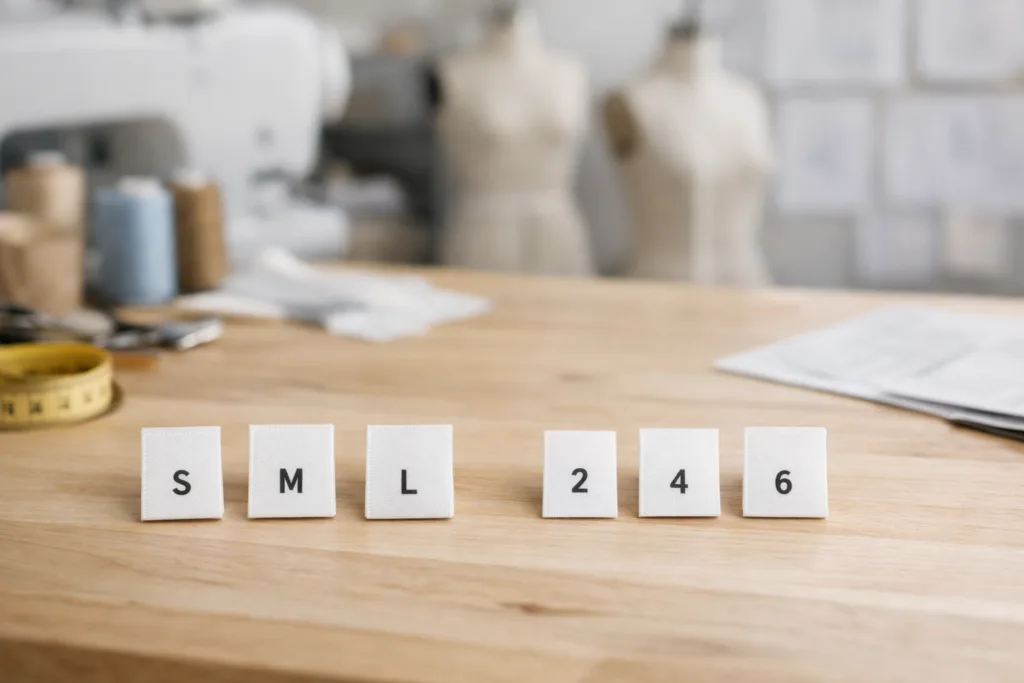
Clothing sizing is more than a label—it’s the secret language that connects designers’ sketches to your closet staples. Sizing systems set expectations, manage inventories, and directly impact how a garment drapes on your body.
What Is Alpha Sizing?
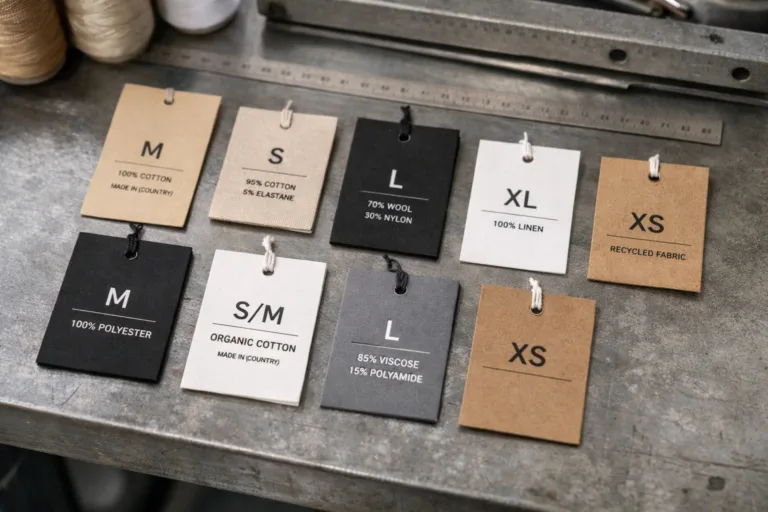
Alpha sizing sorts clothes into broad categories: Small (S), Medium (M), Large (L), XL, and sometimes XXS or XXL. It’s used widely for t-shirts, hoodies, sweaters, and many casual or knit garments.
What Is Numeric Sizing?
Numeric sizing uses numbers like 2, 4, 6, or 30, 32, 34 to organize garments into specific fit increments. You’ll see numeric sizing most often in tailored items like jeans, pants, dresses, and blazers, where the fit is key and a few centimeters can make or break your look.
Alpha Sizing (S/M/L) vs. Numeric Sizing (2, 4, 6): Pros and Cons.
Both alpha and numeric systems aim to make buying clothes accessible, but each brings distinct advantages and drawbacks for brands, retailers, and wearers alike. Here’s a comprehensive look at how they stack up:
| Alpha Sizing | Numeric Sizing | |
|---|---|---|
| Fit Precision | More generalized; may suit stretchy/relaxed fits | Highly specific; ideal for fitted/tailored items |
| Shopping Simplicity | Easier and faster for most customers | More choices/greater detail, but can be confusing |
| Inventory Management | Fewer SKUs; simpler for brands & warehouses | Many more SKUs; high granularity complicates stock |
| Return Rates | Can be higher if body shapes deviate from averages | Lower if sizing guides are accurate |
| Size Inclusivity | May miss bodies at size spectrum extremes | Usually offers more options for differing proportions |
The Basics of Sizing Terminology
Sizing can be one of the trickiest areas to standardize across brands. Alpha sizing, with its general S/M/L options, speaks to simplicity. Numeric sizing, conversely, attempts to offer specificity with numbers, sometimes broken further into even-numbered or odd-numbered increments.
Global Variations: US, EU, and Asian Sizing Influences
Sizing gets even more interesting when you factor in global variations—what fits as ‘Medium’ in the US might not pass for the same in European or Asian sizing practices. If you’re designing or sourcing internationally, reference guides like The Ultimate Guide to Creating a Size Chart: US vs. EU vs. Asian Sizing Standards from Apparel Wiki are invaluable for decoding these differences.
Where Alpha Sizing Shines
Alpha sizing makes life easier for both customers and supply chains alike. With fewer SKU variations, forecasting, manufacturing, and restocking become smoother processes. For items made from stretch fabrics or those intended to be worn loosely—think activewear and basics—alpha sizing often works flawlessly.
Downsides of Alpha Sizing
Yet, these broad buckets can exclude people whose bodies fit somewhere between classic sizes, resulting in ill-fitting clothes and higher returns. Apparel Wiki editors note that alpha sizing doesn’t readily account for height, body proportions, or particular fit requirements.
Best Use Cases for Alpha Sizing
- T-shirts, sweatshirts, and basic knits
- Unisex and casual styles
- Brands aiming for a forgiving fit
- Retailers reducing inventory variety
Where Numeric Sizing Excels
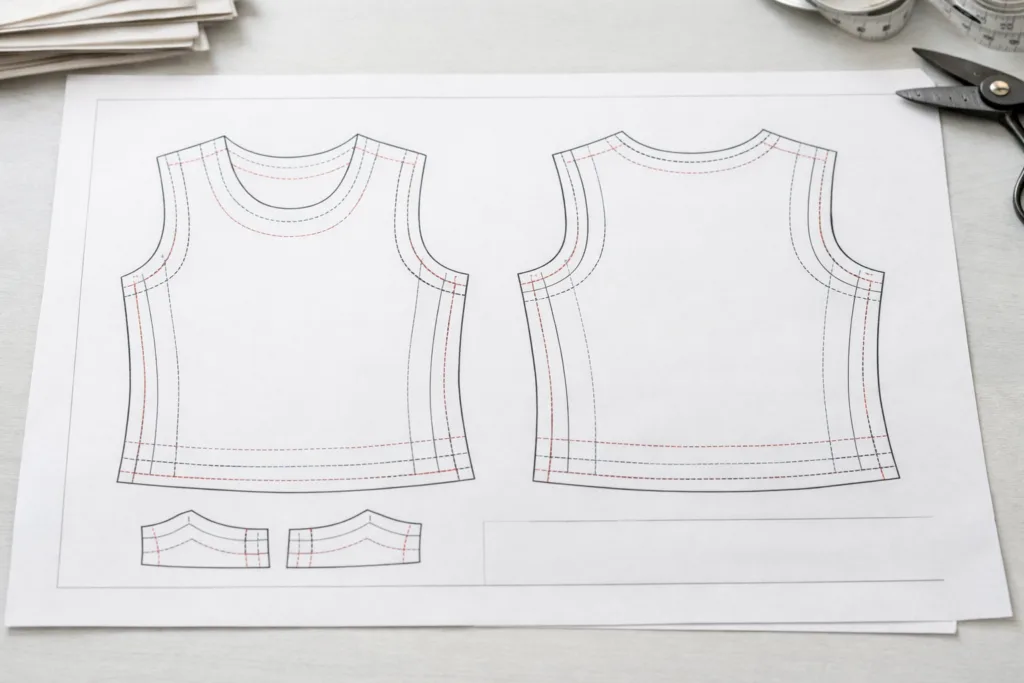
Numeric sizing offers a more nuanced approach to meeting the needs of unique body shapes. You’ll find it a better match for tailored garments, suiting, or any item where an off measurement means discomfort or excess tailoring costs. This system can integrate advanced pattern grading, as detailed in Pattern Grading Unlocked: How Sample Sizes Become Full Production Runs.
Challenges with Numeric Sizing
While numeric systems improve fit specificity, they also add complexity. Brands deal with dozens of SKUs, higher production overhead, and more challenges during inventory audits. For consumers, understanding which size number works for them isn’t always obvious, especially with international size variations.
Best Garments for Numeric Sizing
- Denim, tailored pants, and skirts
- Blazers, formal dresses, fitted shirts
- Items intended for minimal alterations
Inventory and SKU Management Impact
SKU count balloons the more detailed sizing you have. With alpha systems, a retailer may need to stock just four to six sizes. Numeric systems often go up to 12 sizes or more, multiplying storage, ordering, and reordering considerations.
Fit Consistency Across Brands
Neither system is immune to inconsistency. What’s a ‘Medium’ in one store might fit like a ‘Large’ elsewhere. Numeric sizing can reduce this somewhat, but only if the underlying measurement standards are clear and communication with factories is precise. Brands can minimize discrepancies by following guides on communicating pattern corrections to your factory.
Consumer Experience: Simplicity versus Precision
For shoppers who prefer to grab-and-go, alpha sizing is hard to beat. For those who have been frustrated by loose waists, short sleeves, or lengthy pant legs, numeric options offer a better experience—if shoppers understand the system and sizing chart provided.
The Role of Stretch and Pattern Grading
Stretch fabrics have blurred some traditional boundaries: a body-hugging T-shirt can fit a wider range of bodies with alpha sizing. But for woven fabrics or structured clothing, numeric sizing—and careful pattern grading—remain essential. Apparel Wiki’s insight on grading rules and size expansion shows why brands must think beyond the tag.

The Influence of Gendered Sizing Conventions
Historically, women’s clothing relies more on numeric sizing, while men’s clothing trends towards alpha for shirts and both systems for pants. This has roots in fashion’s history, expectations of fit, and marketing tradition.
Sustainability and Waste: Less Is More?
Smaller SKU counts in alpha systems generally produce less inventory waste but risk under-serving niche body types. Numeric systems offer more inclusive sizing but require sophisticated forecasting to avoid surplus stock and markdowns. Sustainable brands must weigh both impacts carefully.
Ease of Shopping and Returns
Alpha sizing is transparent—anyone can pick up a Medium and know roughly what to expect. With numeric sizing, shoppers are more likely to reference company-specific charts or even measure themselves. A mismatch between label and body means more returns or dissatisfaction.
Branding and Market Positioning
Brands that want to project an inclusive, approachable image often lean alpha, while those focused on tailoring or high-fashion precision almost always opt for numeric.
Hybrid Sizing Models and Their Place
Some retailers use both systems. For example, jeans may be sold as ‘Small/28’, blending alpha and numeric to help shoppers cross-reference their likely fit. Hybrid models aim to combine the best of both worlds—but can also confuse new customers.
The Future: Customization and Digital Fitting
With advances in digital pattern systems and 3D fitting, brands can move beyond traditional size buckets altogether. Digital tech packs, as featured on Apparel Wiki’s digital tech packs guide, show how brands may soon offer individually tailored items at scale—reshaping the old alpha vs. numeric debate entirely.
Deciding What Sizing System Is Right for Your Brand
Consider your product type, production capacity, target customer, and sales channels. If simplicity and inclusiveness are key, alpha may serve you best. If precision and premium fit are invaluable, numeric is the logical choice. Hybrid and digital approaches are increasingly viable for flexible brands.
Inviting Your Perspective: Which Sizing System Works for You?
Do you prioritize easy shopping or a tailored fit? Have some sizes failed to match your expectations? Brands and fellow shoppers can benefit from real-life stories—share your experiences below to help create a more transparent fashion journey.
Conclusion: Key Takeaways on Alpha Sizing (S/M/L) vs. Numeric Sizing (2, 4, 6): Pros and Cons.
Choosing between alpha and numeric sizing means balancing simplicity with specificity, and inclusivity with efficiency. Both systems offer advantages to different segments—retailers can make smoother inventory decisions with alpha, while numeric sizing lets customers find their closest fit. The right solution could be a blend, depending on the garment, production platform, and your market. As technology advances and consumer preferences evolve, the boundaries between these two systems may blur, making your understanding of their strengths and weaknesses even more valuable for successful, satisfying wardrobe choices.
Frequently Asked Questions
Why do different brands’ alpha sizes fit differently?
Brands use unique measurements for S/M/L sizes, so a medium from one label may differ from another due to individual design standards and customer profiles.
What garments should use numeric sizing instead of alpha sizing?
Tailored clothing like dress shirts, trousers, suits, and form-fitting dresses benefit most from numeric sizing for a better, more precise fit.
Is one sizing system more sustainable than the other?
Alpha sizing can help reduce inventory and waste due to having fewer SKUs, but may lead to returns if the fit is too general. Numeric systems risk higher overproduction but offer more inclusivity.
How can I find my best size in either system?
Use size charts, company guides, or body measurements. When between two sizes, try both or check for fabric stretchiness and style guide notes.
What is a hybrid sizing system?
Hybrid systems blend alpha (S/M/L) and numeric sizing (2, 4, 6) to help customers narrow down fit using both a general category and a specific measurement.
Are sizing systems evolving with technology?
Yes, digital fitting, customizable tech packs, and advanced pattern grading enable more precise and potentially individualized sizing solutions for modern brands.
Related Reading
- How to Create an Accurate Size Chart Across Continents
- Everything You Need to Know About Pattern Grading & Sizing Up
- Unlocking Grading Rules: How Sizes Expand from a Base Pattern
- How Digital Tech Packs Are Reshaping Apparel Sizing
- Communicating Pattern Corrections: A Manufacturer’s Guide to Reducing Sizing Errors