Introduction to Barcodes and UPCs in Retail Inventory Management
Barcodes and UPCs (Universal Product Codes) are the backbone of modern retail inventory management. They allow retailers to track stock, automate sales, and cut down human error. In this guide, we’ll explore why these tools are essential, how they function, and what retailers need to know to leverage them for smoother operations.
What Are Barcodes and UPCs?

Barcodes are machine-readable representations of data, typically in the form of parallel lines. UPCs are a specific type of barcode used globally to uniquely identify products. They’re found on nearly every retail product, helping automate inventory logging and sales processing.
How Barcodes Function in Retail
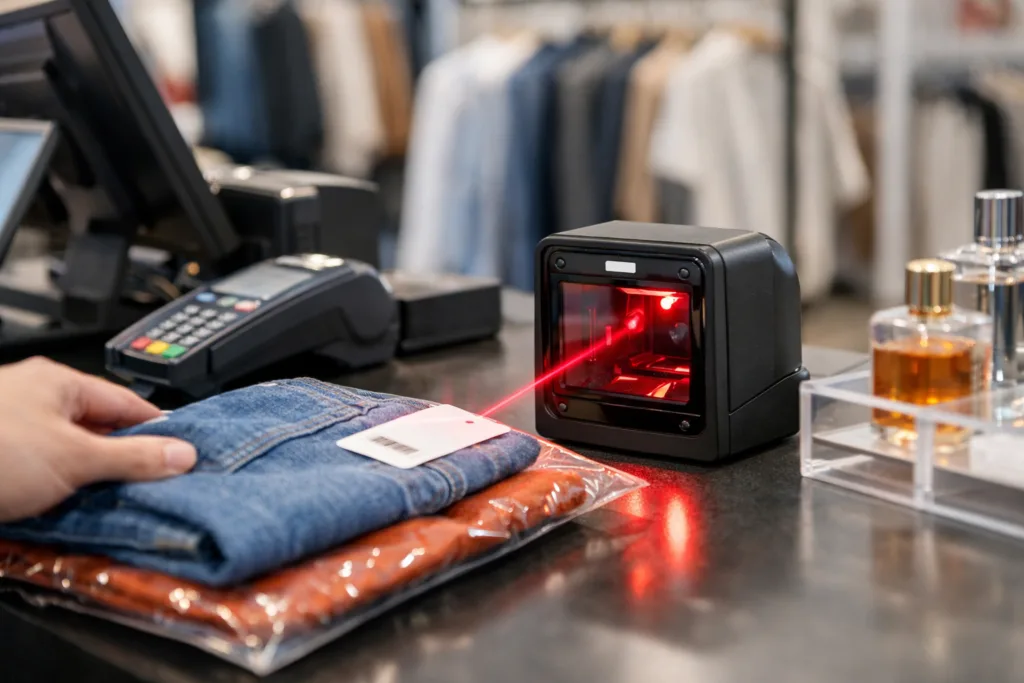
When a cashier scans a barcode at checkout, the system instantly identifies the product, records the sale, and updates inventory. This process enhances accuracy, reduces human error, and makes restocking more efficient.
The Structure of a UPC
A typical UPC consists of a 12-digit number. The digits represent the manufacturer and item, ensuring every product is uniquely identifiable. This standardized format is why UPCs are widely accepted in retail globally.
Main Types of Barcodes in Retail
- UPC (Universal Product Code): Used primarily in the US and Canada for retail goods.
- EAN (European Article Number): Common outside North America, mainly in Europe.
- QR Codes: Used for promotions and inventory, more data-rich.
- Code 128 and Code 39: Often used in logistics and warehousing for advanced tracking.
Barcode Technology: Scanners and Software
Barcode systems rely on scanners and specialized software. Scanners read the barcode, and the software interprets and stores the information. Retailers can choose between handheld, mobile, and fixed-mount scanners depending on store size and workflow.
How to Implement a Retail Barcode System
- Choose a barcode type suited for your products and geography.
- Integrate barcode software with your POS and inventory systems.
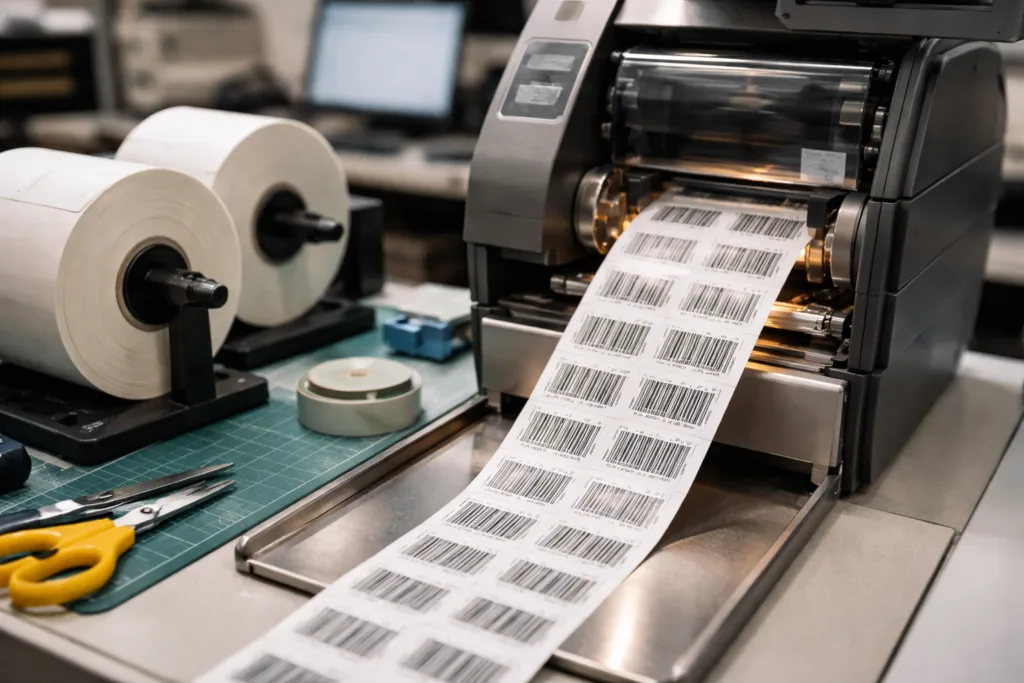
- Print and attach barcodes to all products.
- Train staff to use barcode scanners efficiently.
- Establish regular auditing schedules to ensure barcode accuracy.
Inventory Accuracy: Minimizing Errors
Manual data entry can cause miscounts, misplaced items, and costly errors. Automated barcode scanning significantly reduces these risks. This leads to improved reporting and optimized stock levels.
Barcodes and Sales Tracking
Barcodes allow for real-time sales data collection. With instant reporting, retailers can adjust stock and pricing strategies on the fly. Barcode-based sales tracking is a pillar of modern retail analytics.
Improving Inventory Control
Retail inventory management systems powered by barcodes enable quick, accurate stock counts. Products are tracked from arrival to sale, and shrinkage is easier to spot, helping maintain profitability.
Enhancing Customer Satisfaction
Efficient barcode systems cut down checkout wait times, reduce pricing disputes, and ensure shelves are fully stocked. Shoppers enjoy a smoother experience, leading to increased loyalty.
Best Practices for Barcode Implementation
- Use high-quality printers and materials for labels.
- Test barcodes before rollout to avoid scan failures.
- Maintain a consistent label placement policy across products. For more tips, see Visibility Matters: 7 Essential Steps for Placing Size Tabs and Country of Origin Labels Consistently.
Barcodes, UPCs, Retail Inventory Management: Core Benefits
- Faster inventory counts and replenishment cycles
- Reduction in theft and stock discrepancies
- Improved data for forecasting and reporting
- Supports scalable operations as business grows
Common Challenges in Retail Barcode Systems
- Label wear and tear causing scan failures
- Mismatched or duplicate codes in the system
- Software integration hurdles with legacy systems
- Training new staff on proper scanning procedures
Solving Problems: Barcode Troubleshooting Tips
- Regularly inspect barcode labels for damage
- Periodically audit inventory for duplicate entries
- Update software to maintain compatibility and security
- Run staff refresher courses on scanning best practices
The Future of Barcodes and Inventory Management
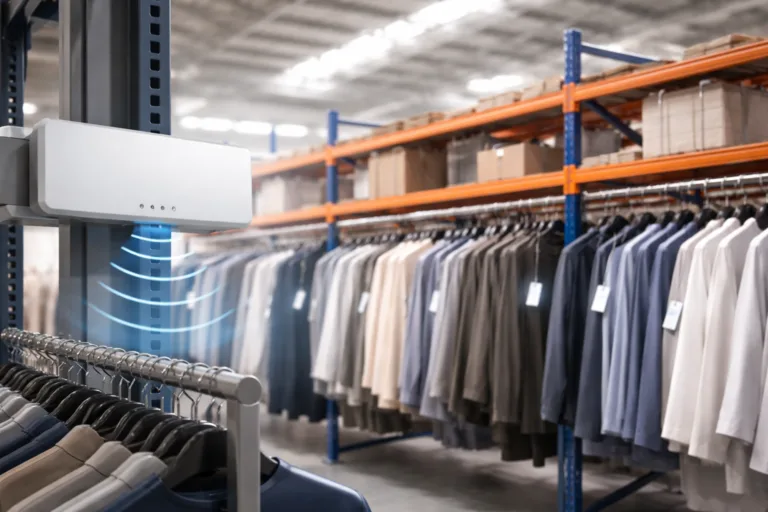
Technology advances like RFID (Radio Frequency Identification) and mobile scanning apps are expanding the possibilities for retail inventory management. While UPCs remain the standard, retailers are exploring multi-dimensional codes and automation for even greater accuracy.
Real-World Examples: How Major Retailers Use Barcodes
Large chains like Walmart and Target rely on high-efficiency barcode systems to process enormous volumes of stock daily, keeping store shelves filled and ecommerce logistics running smoothly. Small retailers can adapt these strategies by adopting scalable barcode solutions.
Integrating Barcodes with Other Retail Technologies
Many modern POS (point-of-sale) systems integrate with barcode platforms, linking sales, accounting, and inventory. Connecting barcodes to costing and pricing tools can further streamline end-to-end product workflows.
Universal Adoption: GS1 Standards for UPCs
Barcodes and UPCs must follow international standards, like GS1, to ensure compatibility across retail chains, suppliers, and markets. Adhering to these rules makes stock management and data-sharing seamless.
Choosing Between Woven and Printed Labels
For garments and fabric products, retailers decide between woven and printed label types, which can impact barcode legibility and durability. Learn about these label differences in Woven vs. Printed Labels: 6 Key Insights on Label Longevity and Cost-Efficiency on Apparel Wiki.
Best Practices for Barcode Placement
- Position labels for easy scanning at checkout
- Avoid folds or seams that obscure barcodes
- Follow industry guidelines for consistency
Sustainable Labeling and Barcodes
As sustainability becomes central, retailers are seeking eco-friendly label options without compromising barcode readability. Learn more in Sustainable Labeling: Recycled Polyester and Organic Cotton—7 Key Benefits for Eco-Friendly Fashion Brands.
Barcodes and Product Compliance
In regulated industries like apparel, labels must also convey care instructions, origin, and compliance data alongside barcodes. Careful alignment prevents costly recalls and meets customer expectations. Detailed guidance is found in Essential Guide to Care Label Laws: Compliance Made Simple for US, UK, and EU Apparel Brands.
Barcodes and UPCs: A Guide for Retail Inventory
This article has examined the purpose and setup of barcodes and UPCs in retail inventory management. Internal tracking, sales automation, and customer-facing benefits are all tied to well-implemented barcode solutions. For retailers, the message is clear: barcode systems are no longer optional but critical tools for modern, mistake-free inventory management.
Frequently Asked Questions
How do barcodes improve inventory accuracy?
Barcodes reduce manual errors in counting and logging, ensuring that stock levels recorded digitally match the actual inventory on hand. This leads to more reliable ordering and fewer costly surprises.
Can small retailers benefit from barcode systems?
Yes, even small retailers gain from barcodes. Automated tracking and sales processing save time, decrease errors, and help manage growth without adding unnecessary overhead costs.
Do barcodes help with theft prevention?
Barcodes assist with shrink control by tracking inventory movements through each phase, allowing managers to quickly spot and act on any discrepancies caused by theft or loss.
What is the difference between a UPC and a QR code?
A UPC is a simple, 12-digit barcode mainly for retail product identification at checkout. A QR code stores more complex data and is often used for marketing, in addition to inventory functions.
Are barcode systems expensive to set up?
Initial costs depend on the scale and complexity, but many affordable options exist for retailers of all sizes. Savings from improved efficiency typically offset these investments quickly.
Why do some labels have trouble scanning?
Poor label quality, damaged barcodes, or improper placement can cause scan failures. Using high-quality materials and checking alignment during application prevents most issues.
Related Reading
- Woven or Printed? Decide for Lasting, Cost-Efficient Barcodes
- Unlock 7 Surprising Sustainable Labeling Benefits
- Instant Wins: Perfect Label Placements Every Time
- Don’t Slip Up! Easy Care Label Law Compliance
- Redefine First Impressions: Hang Tag Secrets for Impact
- Master Apparel Costs, Sizing, and Workflow with Free Tools