Introduction: Why BOM Software Tools Matter for Small Fashion Brands
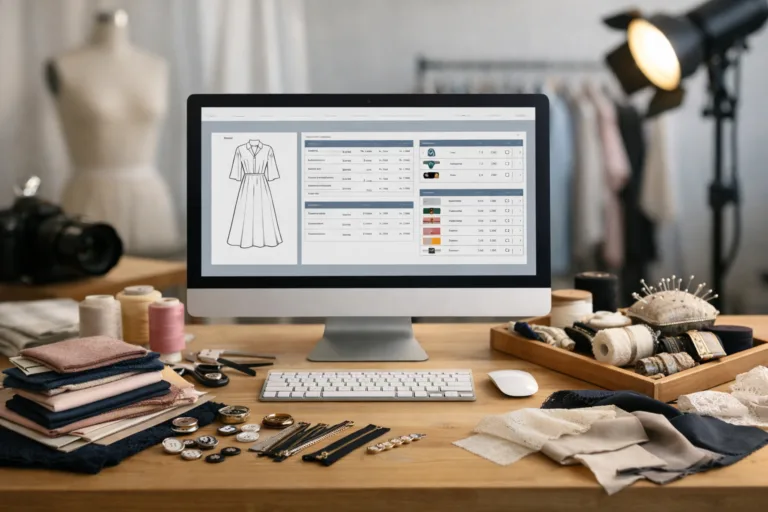
In the fast-paced fashion industry, small brands juggle creative energy with the realities of manufacturing. Accurate tracking and management of every trim, fabric, and process are crucial for sustainability and profitability. BOM software tools for small fashion brands have become essential for staying competitive. These digital solutions streamline the creation, revision, and management of the bill of materials (BOM)—proving invaluable from sketch to shipment. This guide explores why selecting the right BOM software can unlock new levels of control and confidence for rising labels.
What Is BOM Software?
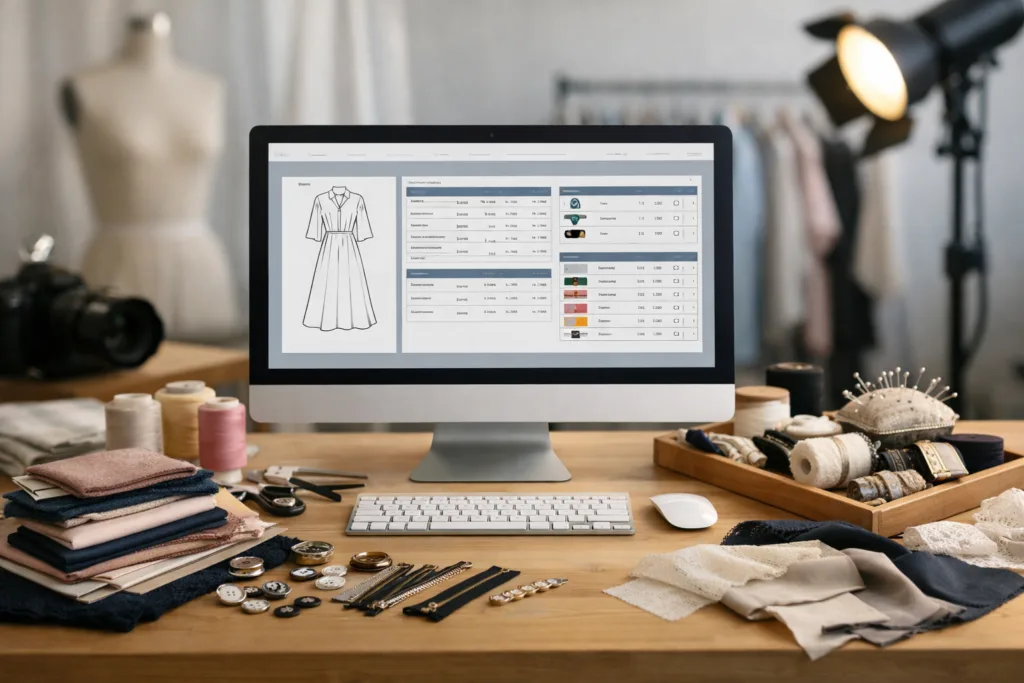
BOM software enables small fashion brands to accurately document each component and material used in their products. Traditionally, bills of materials were managed in spreadsheets or even on paper, but software solutions offer digital precision, version control, and collaboration. Through automated tracking, brands minimize costly mistakes, control inventory, and ensure every detail is factory-ready. The result: fewer surprises and more predictable production cycles.
The Unique Challenges of Small Fashion Brands
Small labels often work with lean teams, tight budgets, and big dreams. Lacking dedicated production departments, a single costly error in a BOM can jeopardize a launch. Limited run sizes mean that over-ordering fabric or miscommunicating trims can wipe out margins. Here, robust yet accessible BOM software can be a game-changer.
Top Benefits of BOM Software for Small Fashion Brands
- Inventory clarity: Prevents overbuying or running short on materials.
- Costing accuracy: Detailed breakdowns help with competitive yet profitable pricing (see Unlock Costing Secrets: 9 Reasons BOM Alignment Supercharges Metal Product Profitability).
- Collaboration: Real-time updates keep internal teams and external partners on the same page.
- Faster product cycles: Reduces sample lead-time issues and supports version control (Managing BOM Revisions and Version Control: 7 Critical Steps).
- Supplier clarity: Clear BOMs help avoid costly factory misunderstandings.
Key Features to Look for in BOM Software
- Easy BOM creation and editing
- Inventory tracking and alerts
- Automated cost calculations
- Document attachment for images and spec sheets
- Cloud access and team permissions
- Supplier and vendor management tools
BOM Software vs. Spreadsheets: The Upgrade Explained
While spreadsheets like Excel offer familiarity, they lack error checking, live updates, and advanced costing tools. BOM software protects data integrity, provides historical records, and automates tedious calculations, freeing founders to focus on design and growth (9 Pro Steps: How to Create a Bill of Materials Without Stress).
Examples of Leading BOM Software Tools
| Software | Best for | Notable Features |
|---|---|---|
| Techpacker | Small to mid-size brands | Visual BOMs, comment threads, integration with Illustrator |
| WFX PLM | Scalable teams | Sourcing tools, cloud-based, supplier portals |
| ParagonERP | Startups & agile teams | Inventory linking, customizable modules |
| Monday.com | Flexible workflows | Project management, BOM templates, automation |
| Excel/Google Sheets (with templates) | Early stage or testing | Free, great for prototyping—not for scaling |
How BOM Software Streamlines Production
BOM software tools help detect material shortages and automate order triggers when inventory dips below safe thresholds. Integrated costing modules connect real-time prices and usage data, empowering small brands to react to supplier changes quickly—without risky delays or overbuying fabric.
Integrations That Matter: From BOMs to Tech Packs
Many BOM solutions plug directly into tech pack management software or cloud services. This ensures product information flows seamlessly between design, costing, and manufacturing. For brands scaling up, look for software offering integrations with tech pack examples or popular ERP systems.
Costing Features: Calculating Profit Every Time
Small fashion brands survive on precise profit margins. Modern BOM software allows for up-to-date cost tracking, factoring in raw material prices, labor, and overhead. Accurate bills of materials help prevent underpricing and reduce the risk of financial surprises.
Inventory Management Capabilities
Smart inventory controls in BOM tools let teams set minimum and maximum stock levels, flag slow-moving trims, and improve order accuracy. Automated consumption summaries make it easier to predict purchasing needs and optimize cash flow (9 Key Strategies to Reduce Waste and Cut Costs).
Collaboration Features: Connecting Designers, Developers, and Factories
With cloud-based BOM software, pattern makers, designers, and external partners can access live documents and even comment or suggest changes. This real-time feedback loop prevents unnecessary sample revisions and delays, aligning the whole development chain.
BOM Software for Sourcing and Supplier Management
A robust BOM tool can track supplier quotes and lead times for each component. Some even offer reminders for reordering trims and fabrics, reducing lapses in the sourcing process (13 Mistakes to Avoid When Choosing Buttons, Zippers, and Labels).
Managing BOM Revisions and Version Control
Designs evolve quickly. The ability to store, compare, and revert BOM revisions is a life-saver during tight deadlines or last-minute style tweaks. Clear version control keeps everyone aligned and production on track.
BOM Software and Fabric Consumption Accuracy
Precise BOM software can drastically reduce over-ordering or shortages of material by linking bill quantities directly to style specs. Calculators help brands estimate yardage requirements and even account for common wastage, as addressed in Apparel Wiki’s guides on fabric consumption.
Reducing Sample Lead Times with BOM Tools
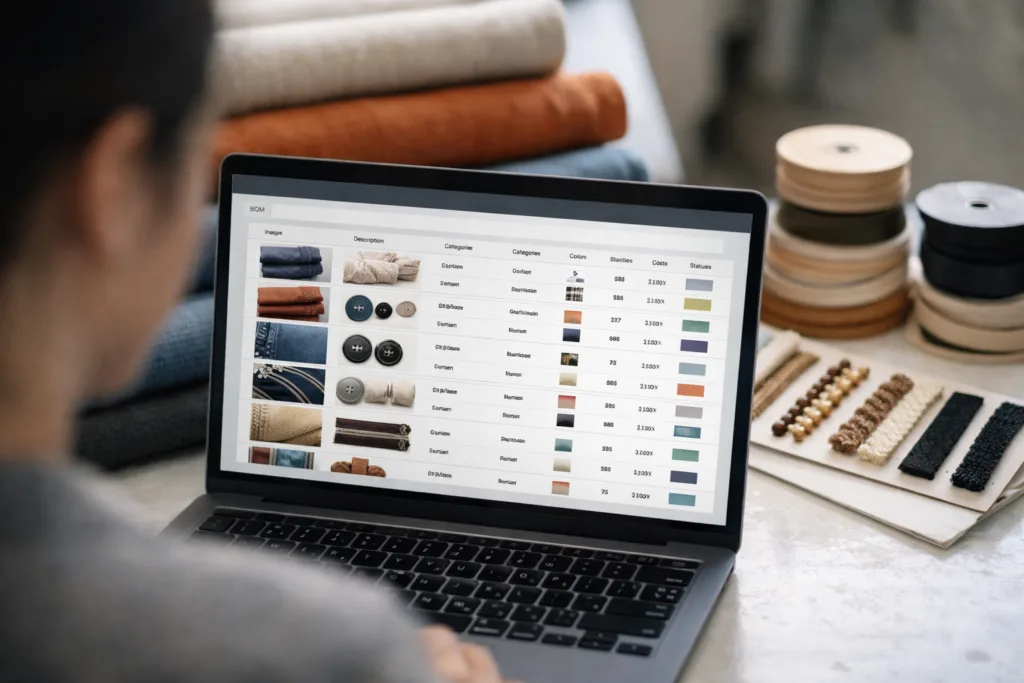
Delays in fabric or trim arrivals slow down the sample phase. BOM tools help foresee shortages and avoid bottlenecks. Access to up-to-date BOMs reduces confusion and ensures faster approvals, keeping tight seasonal collections on schedule.
Case Study: A Small Brand’s BOM Software Success Story
Consider a London-based start-up that struggled with versioning errors in spreadsheets while managing custom trims. By adopting a cloud-based BOM tool, they improved sample accuracy and communicated seamlessly with overseas suppliers, resulting in fewer revisions and a 30% reduction in wasted materials.
User Testimonial: The Designer’s Perspective
“As the only product developer on my team, switching to BOM software changed everything. I no longer worry about missing items in my costing sheet or the wrong trims being delivered to the factory—it’s all right there, clearly itemized, shared with everyone I need.”
How to Choose the Right BOM Software for Your Small Fashion Brand
- Consider your brand’s volume: Are you producing a few styles per year or dozens?
- Evaluate integration needs: Do you need the tool to connect with other systems, such as accounting?
- Prioritize ease of use: The interface should be intuitive for non-technical users.
- Assess cost vs. feature balance: Avoid overpaying for tools with enterprise features you may never use.
Common Pitfalls in BOM Management (and How Software Helps)
- Missing or outdated data leading to order errors
- Inconsistent versioning across teams
- Overbuying or underutilizing inventory
- Breakdowns in communication with suppliers
- Manual costing errors that impact margins
Pushing Past Spreadsheets: Practical First Steps
Even on a tight budget, moving from Excel templates to BOM software is possible. Many platforms offer free trials or starter plans. Begin by mapping your current process, identifying common issues, and starting with BOM tools that address your most expensive pain points.
The Future of BOM Software for Small Fashion Brands
As technology evolves, BOM software is rapidly adopting automation, AI-driven costing, and even predictive inventory tools. These capabilities, once accessible only to major corporations, are now available to small brands, democratizing efficient and error-free manufacturing. Apparel Wiki notes that this shift is expected to continue, bringing greater precision and scalability to fashion entrepreneurs everywhere.
BOM Software Tools for Small Fashion Brands
Efficient production and material management can mean the difference between profit and loss for a small brand. By implementing the right BOM software, brands gain not only control and transparency, but also a strategic edge that empowers creative risk and business sustainability.
Conclusion: Start Small, Scale Smart
For small fashion brands, mastering the bill of materials is much more than a compliance task—it’s a gateway to profitability, fewer errors, and a professional reputation. BOM software tools designed for small brands bring precision, speed, and confidence to every season. Investing in a digital solution sets your label up for scalable, sustainable growth in a competitive market. As features and integrations improve, those who adapt early will benefit most from efficiency gains and better decision-making.
Frequently Asked Questions
What is BOM software, and why do small fashion brands need it?
BOM software helps small fashion brands organize, manage, and track every material and step involved in product creation, minimizing errors and improving efficiency.
Can BOM software help with costing and inventory?
Yes, most modern BOM tools automate costing calculations and track inventory levels, helping small brands stay on budget and avoid shortages or overstocking.
Is transitioning from Excel to BOM software difficult?
Most BOM platforms are designed for easy onboarding, with import tools and tutorials for a smooth migration from spreadsheets.
What features should I prioritize in BOM software?
Look for intuitive editing, real-time collaboration, robust version control, accurate costing functions, and good supplier management features.
Does BOM software integrate with other systems?
Many BOM solutions offer integrations with tech pack managers, ERP, and sourcing tools for seamless information flow.
How much does BOM software typically cost for small fashion brands?
Prices range from free starter plans to $50–$200/month, based on feature set and team size. Most offer scaling pricing to suit small brands.