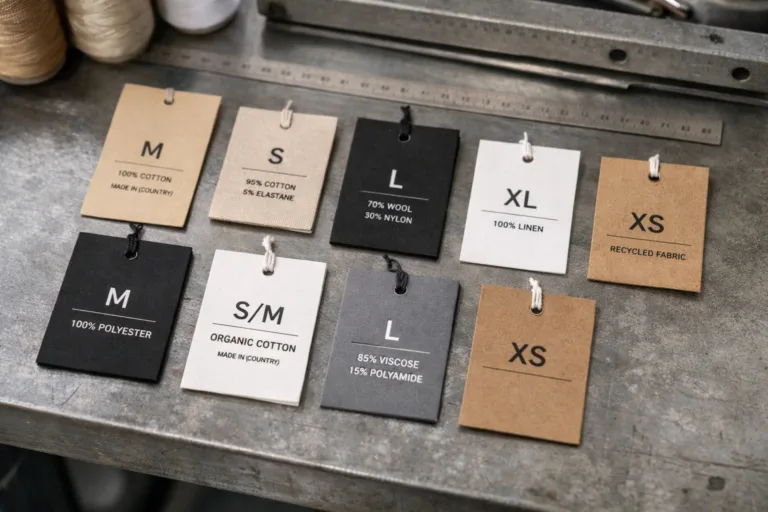
Introduction: The Importance of Care Label Requirements
Every piece of clothing you buy, from a simple t-shirt to a high-end coat, contains a small but vital tag: the care label. These labels aren’t just for your laundry room—they represent a legal necessity for brands, factories, and retailers. As international clothing moves across borders, understanding care label requirements: laws in US, UK, and EU is crucial. Non-compliance could result in product recalls, fines, or consumer lawsuits. This article explores the essentials of legal care label standards, with a practical approach for garment manufacturers, sourcing teams, and fashion professionals.
Care Label Requirements: Laws in US, UK, and EU
The structure and content of care labels in the US, UK, and EU reflect both practical washing guidance for consumers and binding legal mandates. These regions share similar goals—clear communication and safety—but have unique rules for how labels must be created, where they’re attached, and what information is required. Let’s break down these differences and similarities.
Why Are Care Labels Legally Required?
Care labels protect consumers by providing crucial information about cleaning, fabric care, and safety. They also offer traceability for brands in the event of defects. Many countries require these labels by law to safeguard public health and fair trade practices. Garment professionals can avoid costly mistakes by staying up-to-date with regulations, as outlined by industry resources such as Apparel Wiki.
The US: FTC Care Labeling Rule
In the United States, the Federal Trade Commission (FTC) enforces the Care Labeling Rule. Every clothing or textile item sold must display clear instructions for washing, drying, bleaching, ironing, and dry cleaning. Key points include:
- Labels must be permanent and legible for the garment’s life.
- Specific instructions are mandatory (“Machine wash cold, tumble dry low”).
- Inaccurate or missing care labels can lead to fines and product recalls.
Required Content on US Care Labels
- Washing temperature and method
- Whether bleach can be used
- Drying methods and temperatures
- Ironing instructions (if appropriate)
- Any necessary warnings (e.g., “Do not dry clean”)
US Label Placement and Permanence
Labels must be securely attached where easily visible—a side seam, neck, or waistband—and remain legible after repeated washes.
UK: Regulations Under the General Product Safety Regulations
While the UK does not have a single, dedicated care labeling law like the US, care labels are enforced under the General Product Safety Regulations (GPSR) and the Trade Descriptions Act. Key features include:
- Clear, accurate information is required to prevent misleading consumers.
- Care symbols are strongly encouraged and must comply with British Standards (BS EN ISO 3758).
- Fibers and care instructions must be understandable in plain English or symbols.
How UK Labels Differ
Symbols alone can be used, but if instructions are complex, additional written explanations should be given. The label must be durable and securely attached, just as in the US.
EU: Mandatory Care Labels Under the Textile Regulation (EU) No 1007/2011
Across the European Union, the Textile Regulation covers fiber composition, but national laws may dictate care labeling. Most countries align with the international ISO 3758 symbols, so most garments include these icons to comply with EU-wide distribution. Regulations cover:
- Permanency and legibility of labels
- Consistent use of official care symbols
- Textual instructions (when symbols could be unclear)
Common Global Care Label Symbols
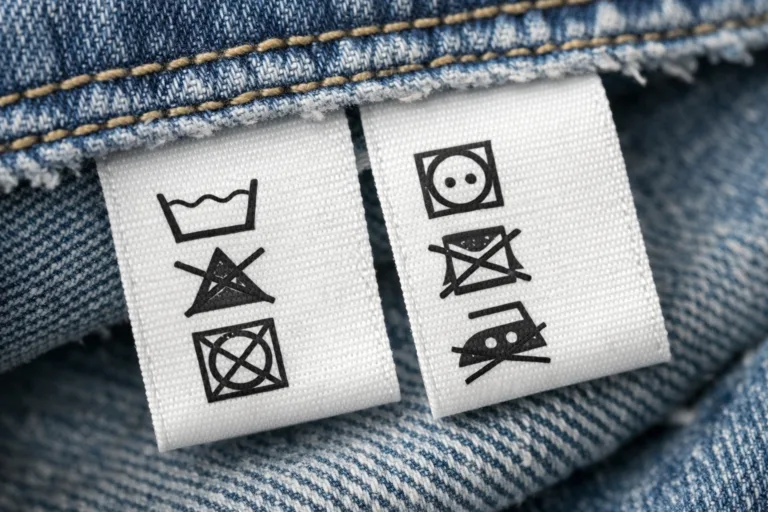
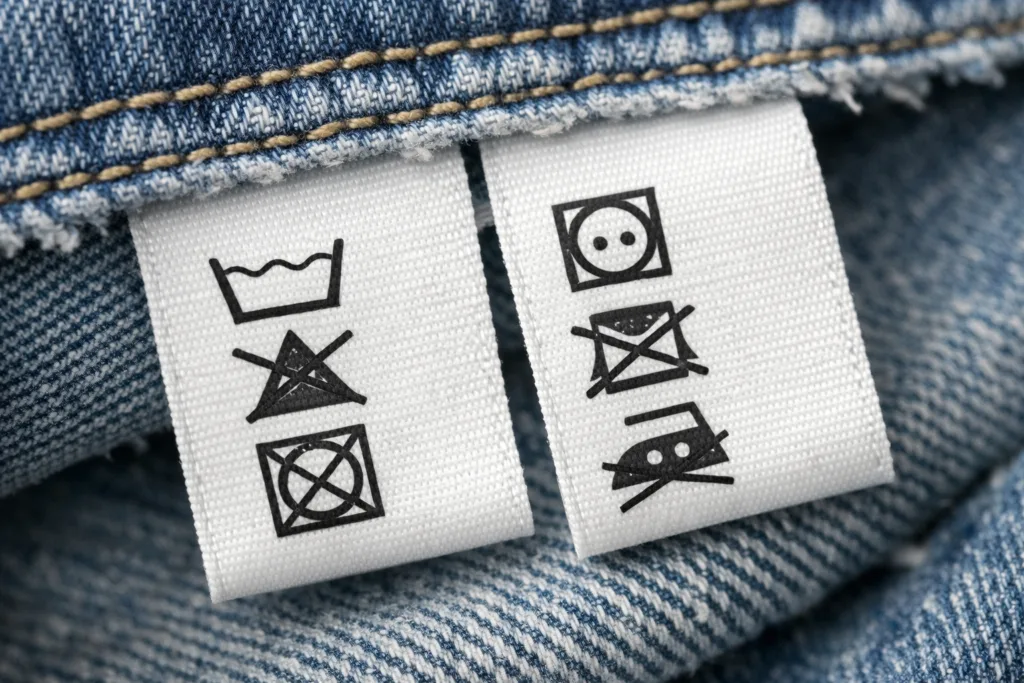
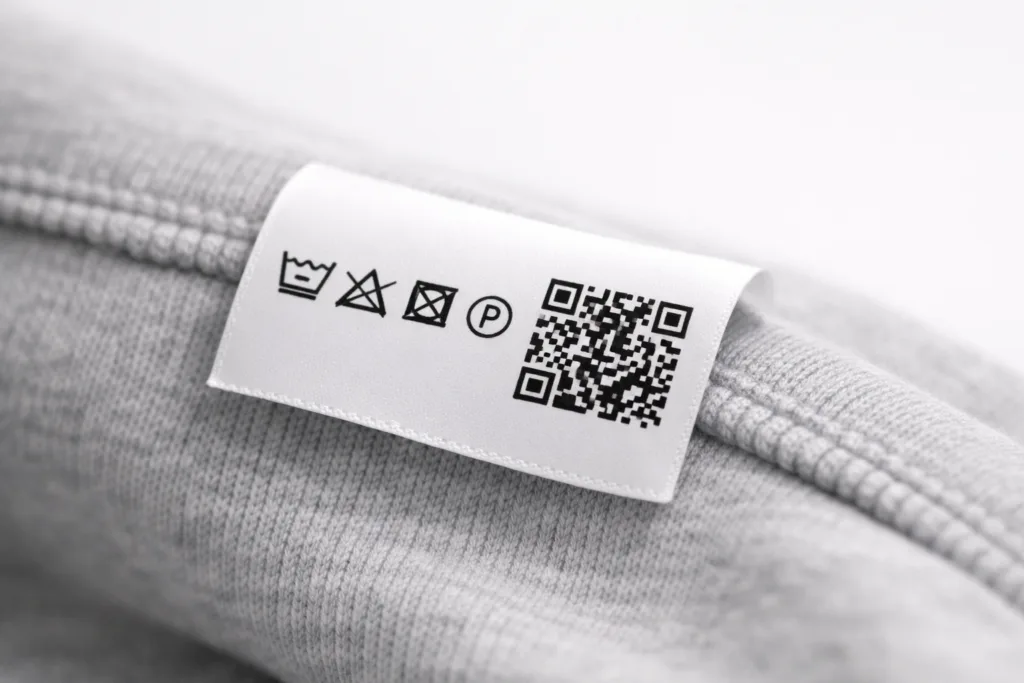
Standardized symbols help break down language barriers. ISO 3758 provides universal care instructions through five main symbols:
- Washing (tub symbol)
- Bleaching (triangle)
- Drying (square)
- Ironing (iron)
- Professional textile care (circle)
Each symbol may have dots, lines, or bars to indicate temperature or method limitations. For factories exporting globally, using ISO symbols helps avoid confusion and streamline compliance.
International Symbol Table
| Symbol | Meaning | Region Required |
|---|---|---|
| Tub | Washing instructions | US, UK, EU |
| Triangle | Bleaching allowed/forbidden | US, UK, EU |
| Square | Drying instructions | US, UK, EU |
| Iron | Ironing permitted/forbidden | US, UK, EU |
| Circle | Dry cleaning/Professional | US, UK, EU |
How Labeling Laws Differ: US, UK, and EU Compared
| Aspect | US | UK | EU |
|---|---|---|---|
| Legal Code | FTC Care Labeling Rule | GPSR, Trade Descriptions Act | Textile Regulation, National Laws |
| Symbols | Optional (text required) | Strongly encouraged (ISO) | ISO symbols preferred |
| Language | English | English or ISO icons | Any EU language or ISO |
| Permanence | Mandatory | Mandatory | Mandatory |
| Coverage | Apparel, Textiles | Apparel, Textiles | Apparel, Textiles |
Legal Implications of Non-Compliance
Failure to comply with care label laws brings financial and reputational risks. Penalties range from fines and recall costs to blocked shipments at border inspection. Consumer lawsuits may also arise if instructions are absent or misleading and damage occurs.
Consumer Protection and Rights
Care label regulations exist to empower the consumer. Clear guidance means less chance of ruined clothes or dangerous care mistakes. If care instructions are incorrect, customers may be entitled to refunds or compensation—increasing the stakes for brands and manufacturers to get labeling right every time.
Label Design: Placement, Attachment, and Durability
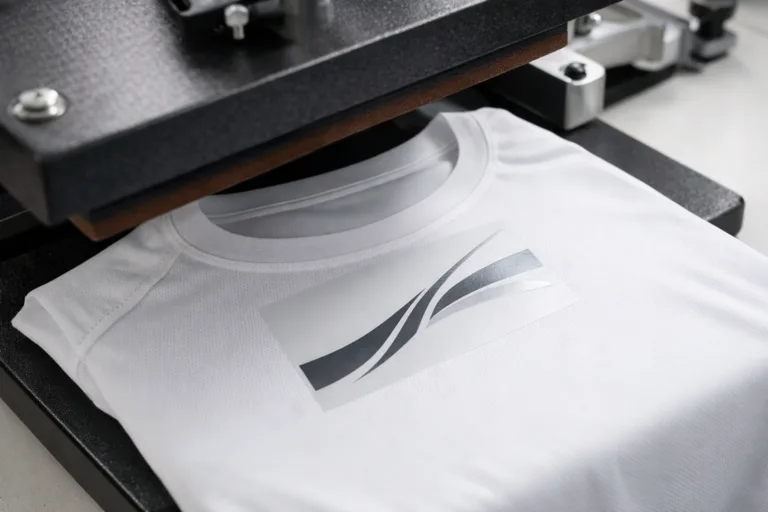
Durable, readable labels are required by all major regions. Labels must stay attached for the garment’s expected life, whether stitched, heat-pressed, or securely adhered. Place them inside the neckline, side seam, or waistband for easy access without irritation to the wearer.
Required Languages for Care Labels
Language expectations differ:
- US: English only
- UK: English or comprehensive care symbols
- EU: Official language(s) of the destination member state
Special Labeling for Children’s Apparel
Extra caution surrounds clothes intended for children. Required disclosures may include flammability warnings, specific washing advice, and compliance with further regional standards. For a detailed look at children’s wear regulations, this Apparel Wiki guide on children’s wear grading and safety is an excellent resource.

Eco-Friendly and Additional Voluntary Labels
Many brands add more than the legal minimum—think eco-friendly icons, recycled material notes, or QR codes for digital content. Voluntary information must never contradict required care instructions. The growing use of digital garment information, such as integrating care with 3D design systems (learn more here), further modernizes compliance efforts.
Updates After Brexit: UK Versus EU Labels
Post-Brexit, UK and EU care label requirements are nearly identical, but manufacturers should verify current standards with local authorities for country-specific details. For fabrics made and sold within the UK, the GPSR and British Standards remain the main points of reference.
Digitalization: The Future of Care Label Information
QR codes, smart tags, and interactive garment technologies are changing the game. Factories using advanced digital fabric rendering or digital avatar fitting systems can more easily embed care information dynamically, boosting both accuracy and consumer engagement.
The Role of Testing Labs and Certified Standards
Independent testing can validate the durability of label attachment and ink. Using ISO or GINETEX certified symbols also safeguards against compliance errors and import hold-ups at the border, reducing costly mistakes for exporters.
Label Material Types and Their Impact
Common materials for care labels include woven polyester, satin, cotton, and Tyvek. Each material has strengths and should be selected for compatibility with the garment type and placement, as well as for its ability to remain legible after many washes.
Practical Steps for Global Compliance
- Study each target country’s laws before finalizing production
- Use ISO 3758 symbols for multi-region compliance
- Work closely with your trim supplier to ensure label durability
- Review your bill of materials (see this detailed guide) to guarantee the proper care label is included
- Spot-check labels from bulk production to confirm permanency and accuracy
Tips for Label Implementation in Manufacturing
- Integrate care label choices into early technical design packs
- Standardize care symbols and language during SKU creation
- Document all label placement and attachment instructions for your factory
Including care label detail in digital product development software (learn more about tools like CLO3D vs. Browzwear) can help prevent late-stage compliance errors.
Label Sourcing: Coordinating with Your Supply Chain
Partner with reliable label and trim suppliers who understand international requirements. For insights on how to specify and source trims for BOMs, see Apparel Wiki’s step-by-step guide.
Cost Implications and Hidden Risks
Non-compliance can have hidden costs—from wasted inventory to emergency relabeling. Plan early for enough time and budget for regulatory reviews, and consider label and trim minimum order quantities in your pricing strategy (learn more about MOQ’s effect on pricing here).
Care Label Requirements: Laws in US, UK, and EU
In summary, care labels are much more than simple laundry tips—they are mandatory disclosures, consumer information tools, and legal safeguards. Whether selling domestically or exporting, manufacturers must keep current with US, UK, and EU care labeling rules. The best approach is integrating compliance into every stage, from design and BOM creation to final inspection.
Conclusion: Staying Ahead in Care Label Compliance
Understanding and correctly applying care label requirements: laws in US, UK, and EU protects your brand and builds trust with end users. Proper labels mean fewer complaints, higher satisfaction, and lower risk. By adopting globally recognized symbols, regularly reviewing legal changes, and collaborating with knowledgeable suppliers, you ensure a smooth, compliant journey from factory floor to retail shelf. Stay diligent—care label requirements are only getting stricter as transparency and consumer expectations rise.
Frequently Asked Questions
What symbols are mandatory for care labels in the US, UK, and EU?
The EU and UK expect ISO 3758 care symbols, while the US focuses on clear English text but allows symbols as a supplement to written instructions.
Can brands use only symbols with no text on care labels?
In the EU and UK, symbols alone are typically acceptable if standardized, but the US requires English instructions as the primary guidance for consumers.
Are care labels required for all textile products?
Most textiles, especially apparel and home goods, need care labels. Some exceptions include shoes, gloves, hats, and certain accessories—but always check specific regional rules.
What happens if clothing is sold without legally compliant care labels?
Non-compliant apparel can be fined, recalled, or banned from sale. Retailers and manufacturers may also face consumer lawsuits if garments are damaged due to poor instructions.
Are digital care labels or QR codes accepted in place of physical labels?
Physical labels are still a legal requirement in all markets, but QR codes and digital features make a useful supplement for extra instructions, videos, or sustainability messages.
How can a brand keep up with changes in care label laws?
Regularly consult resources like Apparel Wiki, your local trade authority, and certified testing labs. Updating processes annually ensures compliance with evolving standards.
Related Reading
- Stress-Free BOM Creation for Apparel: 9 Pro Steps
- Sourcing Trims & Labels: Avoid 13 Common Mistakes
- Children’s Wear Grading & Safety: The Essential Guide
- MOQ Strategies: Smarter Sourcing for Better Pricing
- CLO3D vs. Browzwear: Which Should You Use?
- Remote Sampling: How Digital Fabric Rendering Changes Workflow