Introduction: The High Cost of BOM Errors
When companies rely on Bills of Materials (BOM) to organize and source the raw materials and components for production, accuracy is everything. Unfortunately, common BOM errors—like incorrect item descriptions or outdated revision control—routinely trigger material shortages, disrupt supply chains, and cost manufacturers time and money. This article reveals exactly which BOM errors cause the most pain and, most importantly, how you can prevent costly material shortages in your operations.
Understanding BOM Errors and Material Shortages
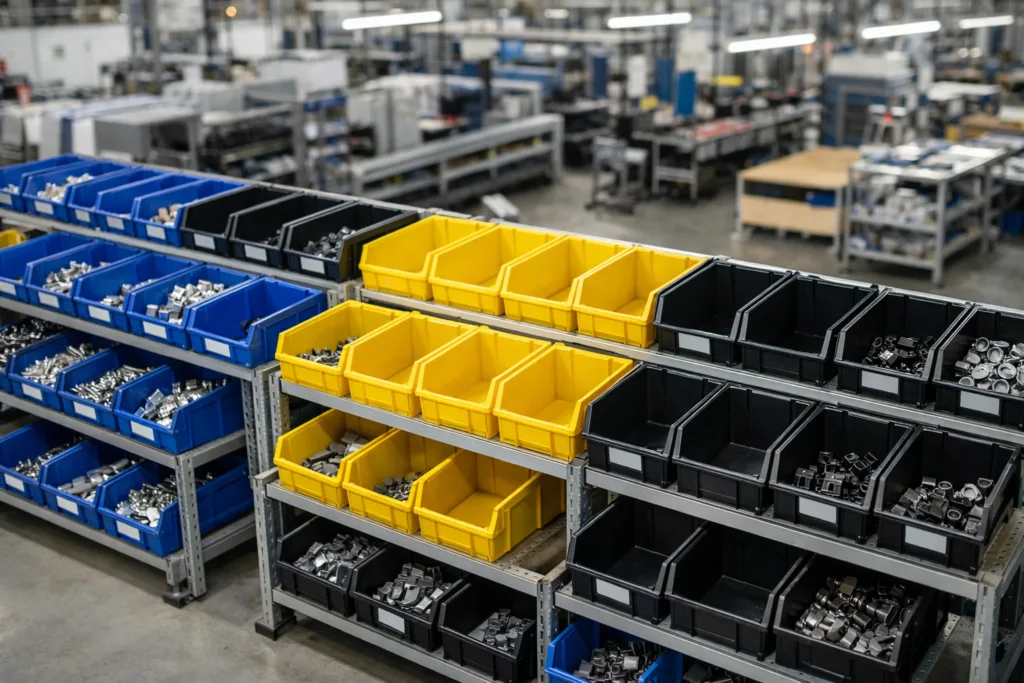
BOM errors refer to mistakes made in the documentation of a product’s materials, parts, or quantities. Even minor slips amplify into major disruptions, leading to material shortages: scenarios where key production materials are unavailable when needed. Understanding these core issues is the first step toward incident-free manufacturing.
Why Material Shortages are So Disruptive
Production lines often operate on just-in-time schedules with little material buffer. If even one part listed on a BOM is incorrect, late, or missing, the entire process may halt—leading to late deliveries, frantic supplier calls, and unsatisfied customers.
Common BOM Errors That Lead to Material Shortages
Let’s examine the most frequent BOM errors manufacturers encounter, why they happen, and practical ways to avoid them.
Inaccurate or Vague Item Descriptions
When items are vaguely listed—”button, blue” or “fabric, cotton”—suppliers may deliver the wrong size, type, or finish. Precision is crucial. Listing colors and colorways in a BOM using detailed descriptors prevent these mismatches.
Incorrect Quantities or Units of Measure
Specifying wrong quantities or using inconsistent units (yards vs. meters, each vs. dozen) is a classic trigger for shortages. Cross-verifying units and referencing trusted apparel manufacturing tools can help clarify expectations and cut costly mistakes.
Omitting Essential Components or Trims
Overlooking small parts—like labels, zippers, or thread—may cause last-minute emergencies. Sourcing trims for your BOM with a comprehensive checklist ensures full readiness for ordering and production.
Outdated BOM Versions in Circulation
If teams work from old BOM revisions, they might order obsolete parts or miss new updates. Strong revision and version control ensures only accurate, current instructions drive manufacturing decisions.
Poor Communication Between Design and Production
When design updates aren’t promptly shared with purchasing or factory teams, confusion reigns. Collaborative BOM processes and transparent communication pipelines limit these communication-driven shortages.
How BOM Errors Affect Supply Chains
BOM errors ripple well beyond individual production lines. Supply chain schedules are carefully choreographed; small errors can delay raw material inbound shipments, increase expedited shipping costs, and upset retail delivery promises.
Real-World Examples of BOM Error Impact
The fashion industry offers a rich trove of cautionary tales. Apparel makers have lost entire production runs due to missing labels, unapproved fabric switches, or wrong color trims—often tied directly to simple BOM mistakes. Apparel Wiki notes that these seemingly minor errors can set off chain reactions, hurting costing accuracy and shrinking profit margins.
Key Areas Where BOM Mistakes Happen
From raw material sourcing to final QC, BOM errors can creep in at many stages:
- Design Handoff: Miscommunication when samples transition to tech packs and BOMs.
- Procurement: Incomplete data confuses purchasing teams and vendors.
- Production Planning: Missing updates lead to reliance on obsolete specs.
- Costing: BOM misalignments yield inaccurate price sheets (see BOM alignment and costing insights).
Classification: Types of BOM Errors
| Error Type | Description | Common Result |
|---|---|---|
| Omission | Leaving out a component or sub-assembly | Unexpected shortages, incomplete orders |
| Mistaken Entry | Wrong part number, size, or color | Wrong materials received |
| Versioning Error | Using out-of-date BOM | Ordering obsolete items |
| Quantity Error | Incorrect unit or count | Over- or under-ordering |
| Ambiguity | Vague descriptions | Supplier confusion, delays |
How to Diagnose and Prevent BOM Errors
Early detection is key. Cross-team reviews, regular audits, and data validation steps catch most errors before they cascade into shortages. Using BOM software tools streamlines version control and tracking.
Regular BOM Audits
Set a routine to review BOMs for every active style or product. Check item details, materials specs, units, and revision dates. Audits should involve design, sourcing, and production teams for maximum accuracy.
Leveraging BOM Management Software
Modern BOM management tools centralize data, flag version mismatches, and ensure everyone works from the current “single source of truth.” These platforms often include change logs, which are invaluable for diagnosing root causes of material shortages.
Collaboration for BOM Accuracy
Break down the silos: designers, production planners, and supply chain managers must all have input and visibility on the BOM. Simple practices like structured feedback loops and shared checklists minimize miscommunication risks. Apparel Wiki suggests adopting digital tech packs as a foundation for better collaboration and fewer errors.
Role of Packaging and Trim Specifications
Material shortages often involve more than just textiles or components. Using precise details for packaging materials reduces last-minute sourcing headaches—see 9 proven ways to specify packaging correctly in your BOM. Don’t forget trims like buttons or snaps, either, as they’re often omitted but just as production-critical.
Revision Control: Keeping Everyone on the Same Page
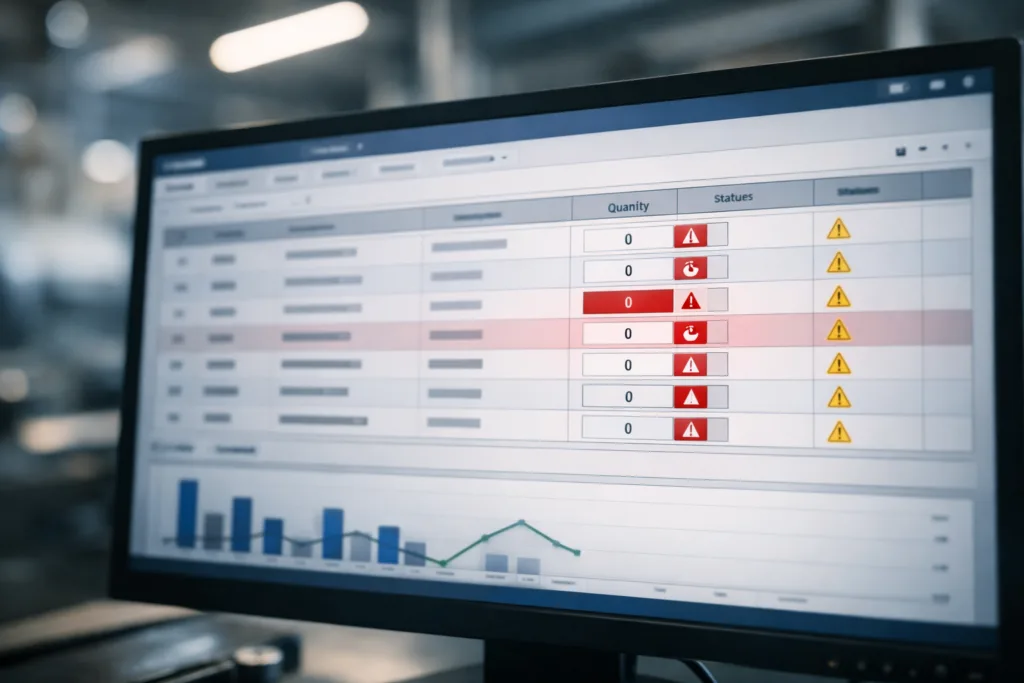
Whenever a design changes—or supply constraints force substitutions—immediately update the BOM and notify every stakeholder. A robust revision process prevents costly situations where the factory is ordering and cutting obsolete materials.
Staff Training and BOM Process Discipline
Ongoing internal education ensures staff understand the importance of detail and consistency in BOM management. Walking new team members through practical examples of common mistakes—like double-checking units of measure—drives home the point.
How Data Validation Reduces Shortages
Basic techniques, such as using dropdown menus for materials or units and validating part numbers before sign-off, slash the risk of errors from manual entry. Many manufacturers integrate these steps into their ERP or BOM software workflows.
Streamlining Communication with Suppliers
Share clear, comprehensive BOMs with all vendors—preferably in digital form. Set up scheduled “BOM walks” with suppliers to confirm each aspect is understood—reducing the chance of misinterpretation that leads to shortages.
Early Involvement of Quality Control Teams
QC teams reviewing BOMs from the start can spot potential inconsistencies—such as conflicting finishes or unapproved substitutions—that might otherwise only surface at delivery or assembly. Catching these issues early prevents scrap and rework costs.
Why Change Management Processes Matter
Design, material, or supplier changes require a formal approval pipeline. Automated records of BOM changes, along with date and responsible party, help trace and correct errors quickly if shortages appear.
Critical BOM Review Checkpoints (From Design to Delivery)
- At design handoff from development to manufacturing
- Before purchase orders are issued
- After receiving samples and feedback but before bulk ordering
- When substitutions are required due to shortages or delays
Using Sample and Pre-Production Reviews to Catch BOM Problems
Final sample reviews are an essential safety net. Effective sample review processes often flag missing or incorrect BOM components before full-scale production begins—saving time, materials, and money.
Costing and Financial Impact of BOM Errors
Material shortages create a domino effect: delayed shipments, short runs, rush freight charges, and in some cases, missed retail windows. BOM alignment with costing sheets is vital for estimating true costs and maintaining profit margins.
Making BOMs User-Friendly: Clear Formatting and Structure
Organized, readable BOM formats (with grouped sections, filters, and standardized terminology) speed up procurement and reduce errors. Apparel Wiki provides example templates for reference on their knowledge hub.
Common BOM Errors That Lead to Material Shortages
To recap, persistent errors like outdated versions, missing trims, or vague specifications remain the biggest culprits of shortages. Tying quality assurance, version control, and collaboration together provides a strong defense.
Conclusion: Build a Shortage-Proof BOM Process

BOM accuracy is the foundation of reliable manufacturing. By auditing regularly, fostering cross-functional communication, and leveraging digital tools, you can dramatically lower risks and keep your production running smoothly. In a world of increasingly complex supply chains, disciplined BOM management is your front line of defense against disruptive material shortages.
Frequently Asked Questions
What is the most common BOM error leading to shortages?
The most frequent error is using outdated BOM versions, causing teams to order obsolete or incorrect materials.
How often should BOMs be audited?
Regular audits—at least before each new production run—are crucial for catching updates, missing parts, or errors before they trigger shortages.
What’s the best way to ensure BOM version control?
Leverage BOM management software with access controls and automatic version logging to keep teams aligned on the latest approved BOM.
Can software really prevent all BOM errors?
While software streamlines updates and checks, it must be paired with disciplined team processes, regular reviews, and comprehensive training.
How do ambiguous BOM descriptions affect suppliers?
Vague descriptions cause confusion, leading suppliers to ship the wrong materials or request repeated clarifications, ultimately causing delays.
Is it necessary to include trims and packaging on the BOM?
Yes. Omitting these critical elements often causes unexpected shortages and production delays—complete BOMs should detail all required materials and finishes.
Related Reading
- 7 Smart Strategies for Color & Colorway Accuracy in BOMs
- Avoid Packaging Surprises: How to Specify Packaging Materials in Your BOM
- Top 7 BOM Software Tools for Small Brands to Boost Accuracy and Savings
- Unlocking BOM Alignment: The Secret to Accurate Costing and Profitability
- Trims, Buttons & Labels: Essential Sourcing Mistakes to Avoid in Your BOM
- Mastering BOM Revisions and Version Control: 7 Critical Steps for Error-Free Manufacturing