Introduction: Why International Sizing Standards Matter
Creating a Size Chart: US vs. EU vs. Asian Sizing Standards is a must-have resource for brands and shoppers exploring global apparel markets. With international sales and e-commerce making global reach accessible, size confusion can be a dealbreaker. Sizing isn’t just numbers—it’s a blend of cultural preferences, measurement methods, and regional fit philosophies. This guide walks you through the crucial sizing differences between the US, EU, and Asian markets and offers clear, practical advice for developing a universal size chart that reduces returns and enhances buyer confidence.
Understanding Key Sizing Systems: US, EU, and Asian Methods
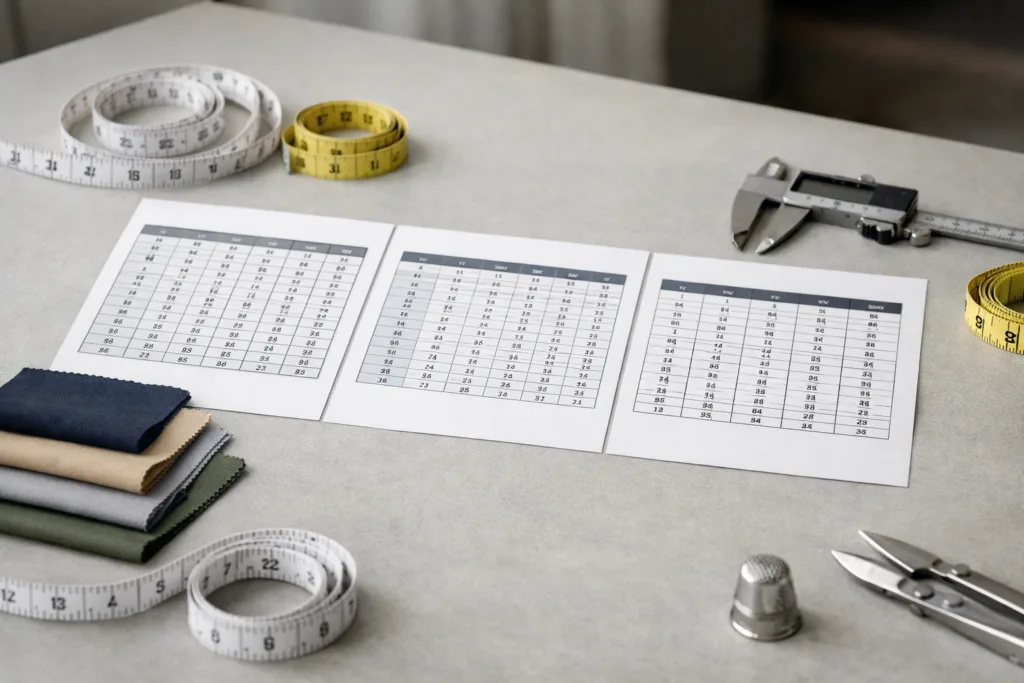
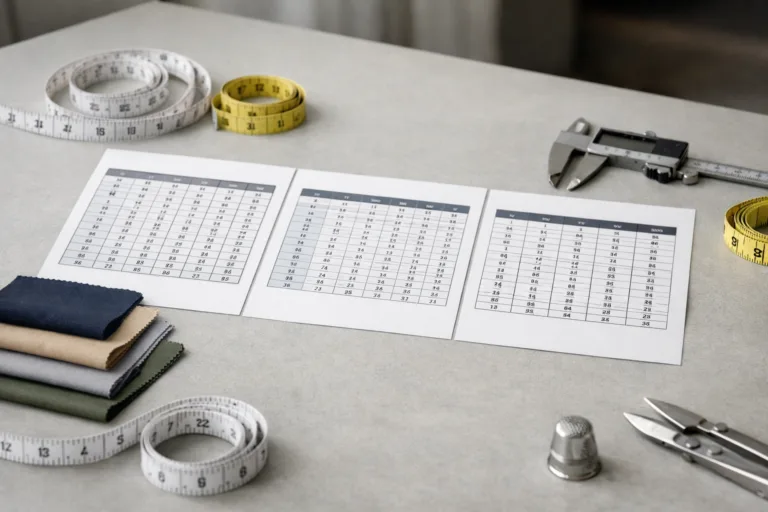
The three dominant global apparel sizing systems each have distinct origins and conversion challenges. In the US, numerical (2, 4, 6) and S-M-L categories dominate, often focusing on body dimensions in inches. The EU generally uses numbers that reflect centimeters (e.g., 36, 38, 40), with size referring to body measurements or product dimensions. Asian sizing standards often run smaller and are heavily influenced by local body shape data and cultural fit preferences, frequently using S, M, L, but with unique measurements.
How Sizing Standards Differ: Measurements, Grading, and Cultural Fit
US sizing emphasizes comfort and accommodates broader ranges of body types with more generous ease for movement. EU standards are more closely graded, often fitting narrower frames but with standardized measurement increments. Asian standards prioritize a slender fit—garments tend to be narrower through the chest and hips, with shorter sleeves and torsos. This means an “M” in Europe or the US often equates to an “L” or even “XL” in many Asian countries. It’s vital for brands to compare fit models and sample grading systems before launching globally. Apparel Wiki points out that misunderstanding grading rules can cause disproportionate garments, so consult guides on how sizes expand from a base pattern for better accuracy.
Creating a Size Chart: US vs. EU vs. Asian Sizing Standards.
To craft an effective international size chart, start by collecting reliable measurement standards from all target markets. This typically means body dimensions (bust/chest, waist, hip, inseam) and garment measurements. Overlay U.S., EU, and Asian sizes side-by-side in your chart, using both metric (cm) and imperial (inches) units. For each garment type (tops, bottoms, dresses), clarify whether the chart measures the body or the finished product. Always note if the measurements correspond to a fitted, relaxed, or oversized style. Provide a clear legend and illustrative graphics when possible.
Common Pitfalls in International Size Conversions
Many brands stumble with direct numeric conversions—one-to-one mapping rarely works due to differences in grading and local proportions. A European 40 is not always identical to a US 10, nor does an Asian M perfectly translate to Western mediums. Improper translation leads to fit issues and return rates surging. Instead, use cross-reference tables and fit models for test fittings in each region. Learn more about dealing with fit challenges in guides on troubleshooting common fit issues in pattern making.
The Role of Cultural Fit Preferences in Sizing Interpretation
Culture shapes expectations—US shoppers value comfort and looser garments for casualwear, while European markets favor closer fits and tailored details. Asian consumers, particularly in countries like Japan and South Korea, often seek streamlined, body-hugging silhouettes. Recognizing these distinctions is crucial for writing accurate product descriptions and choosing fit models. Apparel Wiki defines “ease” as the extra room built into a garment. Understanding and adjusting “ease” for each market helps create more accurate, region-appropriate size charts. Explore “What Is Ease in Pattern Making?” for details on this critical sizing variable.
How to Gather Reliable Body Measurement Data Globally
Start with major sizing standards organizations, such as ASTM (US), EN (EU), and JIS (Japan/Asia). Access published body measurement surveys, or commission sample fittings across your target demographics. Collaborate with local partners for sizing tests and monitor customer return feedback for patterns of recurring issues. Data-driven brands iterate size charts based on real fit outcomes, rather than relying solely on technical conversion charts.
Measurement Methods: Body vs. Garment Specs
Some charts reference body measurements (the fit model’s chest, waist, hip), while others use finished garment specs. Communicate clearly which method your brand uses, as misunderstandings here are a frequent cause of returns. Apparel Wiki’s guide to key garment points of measurement (POM) helps standardize this part of your tech pack or product description.
Cross-Referencing: Sample International Sizing Chart Comparison Table
| Region | US | EU | Asia | Bust (cm) | Waist (cm) | Hip (cm) |
|---|---|---|---|---|---|---|
| XS | 2 | 34 | M | 80-82 | 62-64 | 86-88 |
| S | 4-6 | 36-38 | L | 84-86 | 66-68 | 90-92 |
| M | 8 | 40 | XL | 88-91 | 70-72 | 94-96 |
| L | 10-12 | 42-44 | XXL | 92-96 | 74-78 | 98-102 |
Note: This table provides general guidelines. Brand-specific or country-specific variations exist within each region.
Fit Philosophy: Loose, True-to-Size, Slim, or Oversized?
Make it clear whether your size chart and recommendations refer to a fitted, standard/true-to-size, or relaxed/oversized garment. For example, streetwear may have intentionally oversized dimensions, changing the translation for international shoppers. A note or illustration about intended fit can preempt disappointment at delivery. To gain further understanding, check out how pattern grading transforms fit during sizing scale-up.
Including Both Metric and Imperial Units
Some markets (US, UK) expect inches, while most of the world uses centimeters. Provide both units in your charts. This simple step makes your brand accessible and trustworthy to international shoppers.
Visual Tools That Make Sizing Charts More Effective
Use easy-to-read tables, diagrams showing “how to measure,” and, when possible, 3D fit avatars to preview the designed silhouette. Many digital tech packs now integrate visual fit tools for factories and buyers. Learn more about this approach in “Digital Tech Packs Transforming Fashion Manufacturing.”
How Asian Sizing Differs from Western Sizing
Asian sizing is typically 1–2 sizes smaller than U.S. or European equivalents. For instance, a US S may be labeled as “L” or even “XL” in Japan. Asian sizes are also cut with a narrower frame and shorter torso. This discrepancy is one of the most common causes of online ordering mistakes. Always advise international buyers to consult your size chart and, when possible, provide conversion guidance for popular regions or brands.
Practical Tips for Creating a Global Size Chart
- Survey your customers: Ask buyers which sizes they usually wear in their home country
- Use dual columns for body and garment measurements
- Include conversion tables and clear measurement legends
- Add “fit comments” or recommended sizing notes based on product type
- Offer email/chat support to help with sizing questions—especially during international launches
Quality Control and the Importance of Size Consistency
Maintain strict quality control protocols to ensure every garment batch matches the posted size chart. Random sample measuring, frequent updates based on real buys/returns, and a direct communication loop with the factory are essential. The tech pack guide from Apparel Wiki helps product developers standardize size specs and minimize mistakes.
Reducing Returns Through Accurate Size Information
Accurate sizing reduces costly returns and cancellations. Brands that provide clear body measurement guidance and conversion tables see fewer complaints and higher satisfaction. Check if frequent returns are caused by mismatched local sizing standards—this can often be corrected by updating chart visuals and product copy with additional regional fit advice.
Comparing Unisex Vs. Gendered Size Standards
Unisex apparel must strike a balance between typically broader men’s and narrower women’s sizes. Consider offering a separate chart, or clearly mark unisex fit in all measurement guides. Gender-neutral size approaches can open new markets but increase conversion complexity.
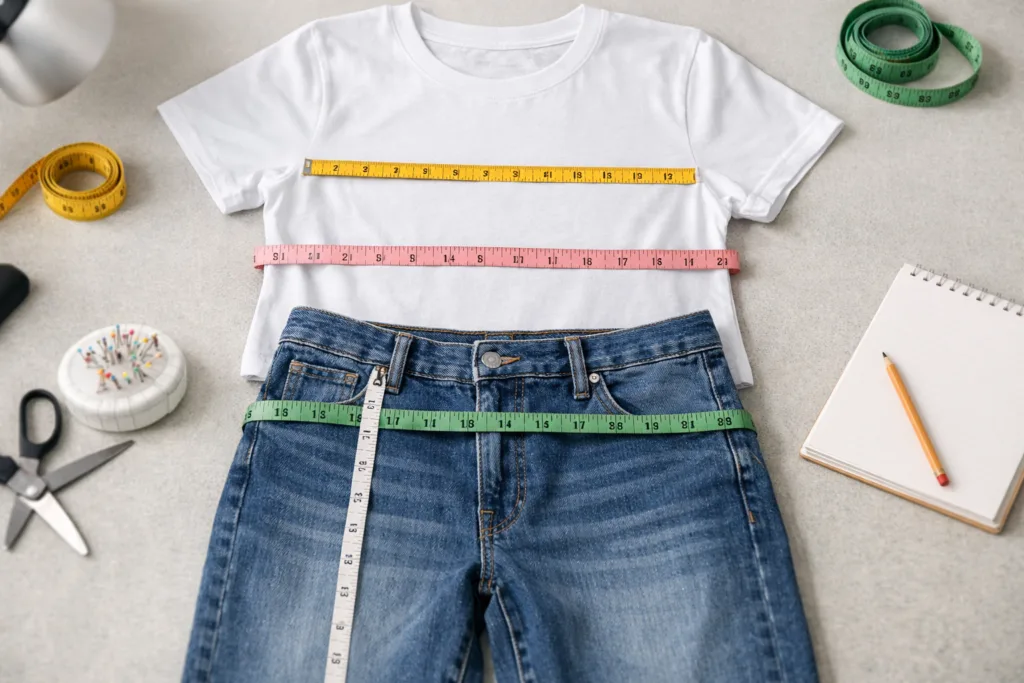
Sizing for Specific Garment Types: Tops, Bottoms, Dresses, Outerwear
Don’t use a single standard chart for all styles! Jackets, jeans, skirts, shirts, and dresses all have unique measurement priorities. Provide separate charts or at least clear notes for different categories—such as inseam for pants or sleeve length for coats.
FAQ: Common Sizing Conversion Questions
How do I know if an Asian Large will fit a US Medium? Asian sizing typically runs a size (or two) smaller than the US. We recommend checking the measurement table for exact bust, waist, and hip comparisons.
Why doesn’t a European 40 fit like a US 10? While often close, grading rules and fit philosophies differ. Compare the centimeter measurements, not just the number, as some EU brands fit slimmer.
Role of Fabric and Pattern Grading in International Sizing
Stretch fabrics can bridge some size differences but may also introduce more variability (customers underestimate the effect of elastane, for example). Proper pattern grading—for each region—ensures sizes scale up and down in proportion, minimizing fit errors. Apparel Wiki further explains developing patterns for knits versus wovens to help apparel teams choose the right grading approach depending on the garment’s construction.
Digital Tools for Calculating International Sizing
Modern e-commerce platforms can automate sizing conversion and recommendation using customer data, returns, and machine learning. Interactive widgets, size calculators, and augmented reality fit previews are becoming standard—especially for brands with high international sales. Integration into digital tech packs helps maintain consistency from design to delivery.
Global Case Studies: Sizing Successes and Failures
Brands like Uniqlo succeed by openly communicating conversion tables, showing side-by-side size visuals, and offering fit notes. In contrast, brands that skip sizing transparency may suffer from negative reviews and preventable returns. Analysis of actual sales data shows that clear, accurate size charts support higher purchase confidence and lower churn.
The Impact of Fit Models and Sample Size
Fit models help bring your measurements to life. Always reference the sample size’s exact dimensions and model measurements (height, bust, waist, etc.). Include a statement if the chart is body-based or garment-based to avoid uncertainty.
Tips for Communicating Sizing to Factories and Teams
Clarity is key—document size charts in the tech pack and update after each fit session or regional launch. Use standardized Points of Measurement (POM) and ensure everyone (design, manufacturing, QC teams) references the same chart revision.
Legal Labeling Requirements for International Sizing
Be aware of legal mandates: The EU, US, and many Asian countries often require size, fiber content, and care info in the local language. Failure to comply can result in border delays or returns. Always check the latest local laws on apparel labelling before international shipping.
Conclusion: Turning Sizing Challenges into Global Sales Confidence

International apparel success hinges on clear communication and precision. By understanding the key differences among US, EU, and Asian sizing standards, using accurate, customized size charts, and continuously improving based on real feedback, brands can reduce returns, drive conversions, and foster loyal buyers everywhere. Smart, consistent sizing documentation is a non-negotiable investment for any brand with an eye on global growth.
Frequently Asked Questions
How do I choose the right size when shopping internationally?
Always check the brand’s measurement chart, note regional conversion guides, and compare your body measurements to the posted specs. When in doubt, contact customer support for personalized advice.
Are Asian clothing sizes really that much smaller?
Yes—Asian sizing typically runs about one or two sizes smaller than the equivalent US or EU size, reflecting narrower body frames.
Why do size names (S, M, L) mean different things in various countries?
Size names are relative: Every region defines “M” or “L” differently based on average local body measurements and grading standards.
Can size charts prevent most online clothing returns?
Clear, accurate size charts greatly reduce return rates, especially when supported by measurement examples, visuals, and fit notes for various regions.
How do companies determine which sizing method to use?
Brands typically use customer data, market research, and local standards to select the method—body-based or garment-based—that best matches their target shopper’s expectations.
Do international size conversions work for footwear and accessories as well?
Generally, yes, but footwear has separate standards (e.g., US Men’s 9 = EU 42). Always consult dedicated charts for non-apparel items.
Related Reading
- How to Build a Custom Measurement Chart for Your Apparel Line
- 7 Pro Strategies for Fixing Common Garment Fit Issues
- How Size Grading Rules Shape Global Apparel Sizing
- The Real Meaning of “Ease” (and Why It Matters for Sizing Accuracy)
- Revolutionize Apparel with Digital Tech Packs: Sizing & Factory Communication
- Knits vs. Wovens: How Pattern Type Changes Sizing & Fit