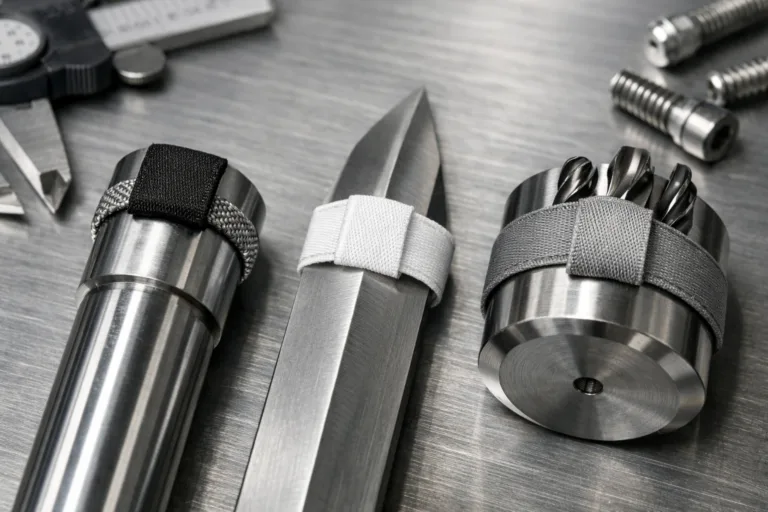
Introduction: The Art and Impact of Label Fold Types in Metal Product Design
When it comes to designing main labels: fold types (end, center, loop) for metal products, every detail counts. A label isn’t just a tag—it’s a visual handshake between your brand and the customer. The fold type you select shapes first impressions, impacts quality perception, and determines application ease on everything from custom tools to high-end home hardware. In this guide, we break down how end fold, center fold, and loop fold labels work, how each serves metal products differently, and why deliberate choices pay off in a competitive market.
Understanding Label Fold Types: End, Center, Loop
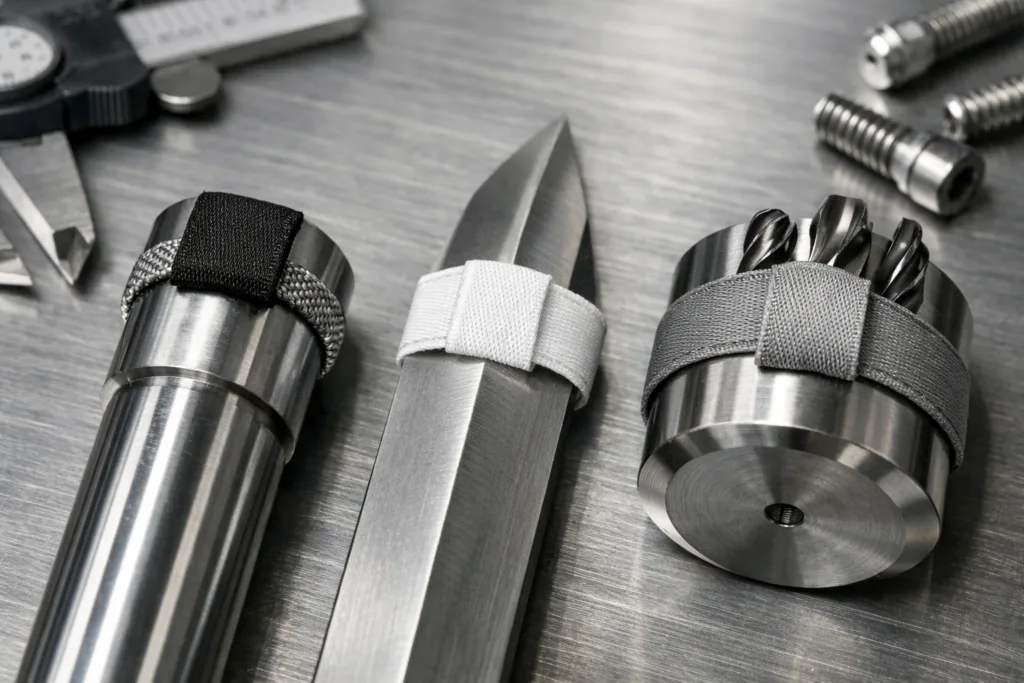
Fold types form the backbone of effective label design for metal goods. Each style—end, center, and loop—serves distinct purposes and delivers unique advantages. Familiarity with these can help you tailor your branding and improve manufacturing efficiency.
What Are End Fold, Center Fold, and Loop Fold Labels?
Both technical differences and user experience drive the choice of these main label folds:
- End Fold: Flat label with ends folded under, creating a soft edge for sewing or gluing.
- Center Fold: Label folded in half—usually at the center—to sandwich a seam or edge.
- Loop Fold: Label folded to create a prominent loop, ideal for hanging or branding details.
End Fold Labels: Sleek and Versatile
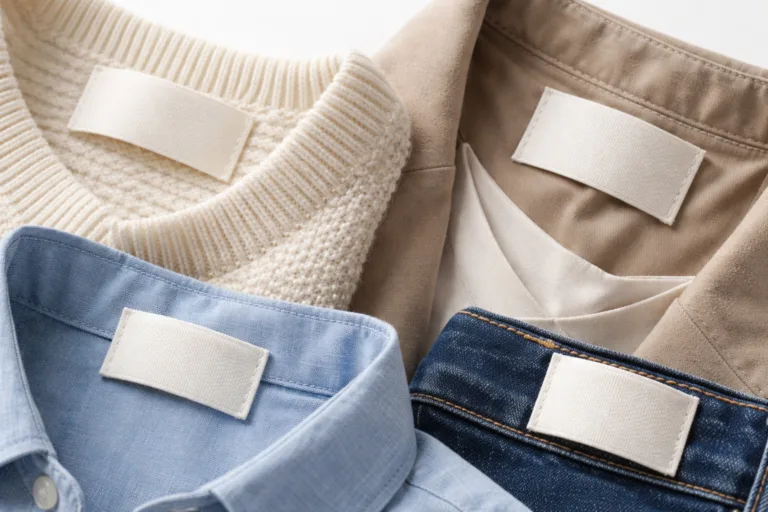
End fold labels lie flat against the product, with their edges tucked beneath for a polished finish. In metal product design, these are favored for decorative hardware, metal badges, or nameplates that need seamless application.
Functional Benefits of End Fold Labels
- Easy Integration: Their flat profile helps minimize bulk, a key advantage for slim, modern metal items.
- Clean Look: Hidden stitch lines or adhesives reinforce a premium feel.
- Flexibility: Works well on flat panel surfaces, trays, or custom fixtures.
When to Choose End Fold Labels
Opt for end fold designs if your metal product demands subtle elegance—think brushed steel wallet inserts or high-touch display pieces. They’re perfectly suited when minimal disruption to the product’s lines is essential.
Center Fold Labels: Practicality Meets Visibility
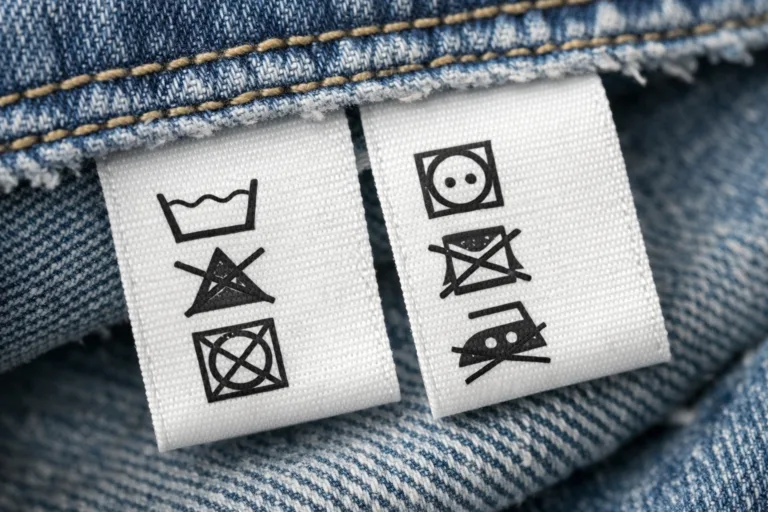
Center fold labels are folded in half, creating a neat “flag” or “sandwich” effect. This format is commonly seen in metal-based accessories, tool covers, or metal apparel tags, ensuring the logo or care info stays clearly visible.
Why Center Fold Labels Stand Out on Metal Goods
- Enhanced Branding: They provide a two-sided canvas—perfect for a logo on one side and a slogan or QR code on the other.
- Seam Placement: Sandwiching the label along a seam adds strength and longevity—key for rugged products or items exposed to wear and tear.
- Functional Versatility: Center folds make it easy to include care instructions, model numbers, or certifications without cluttering up the visible space.
Center Fold Use Cases in Metal Products
These labels work particularly well on items like stainless steel kitchen utensils, branded multi-tools, or metallic equipment cases, where both visibility and durability are required.
Loop Fold Labels: Elevating Utility and Brand Recognition
Loop fold labels are engineered for attention. Folded into a loop, they often protrude from seams, handles, or hooks on metal products. This design is popular for items that benefit from hanging, easy grabbing, or eye-catching branding, like water bottles, utility buckets, or sample chains.
Practical Perks of Loop Fold Labels for Metal Goods
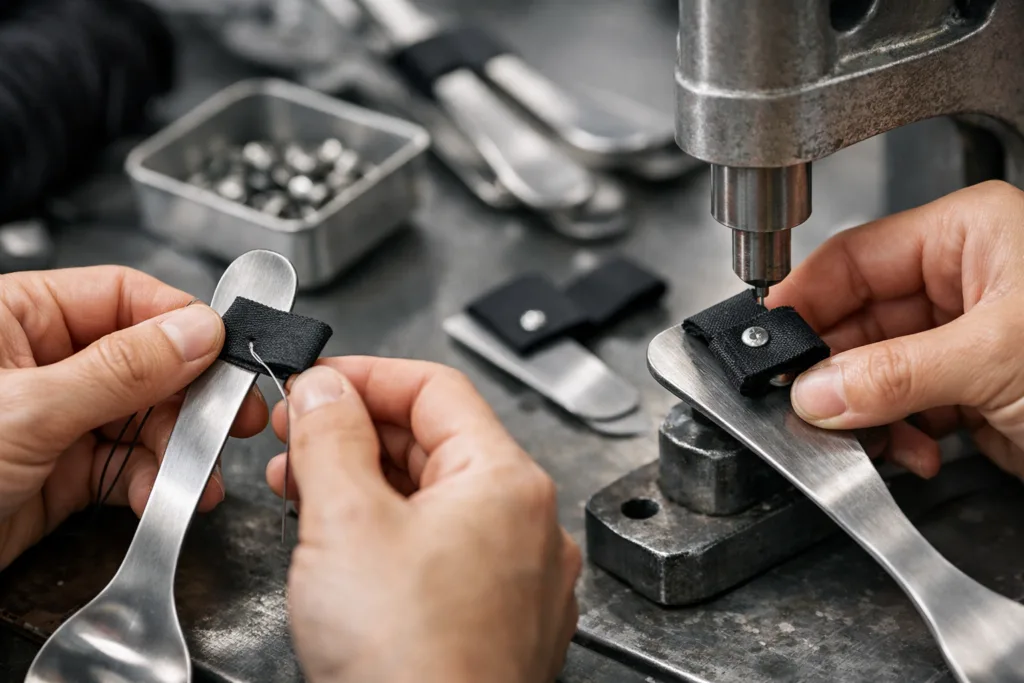
- Easy Attachment: Loops allow secure sewing or riveting into seams, withstanding frequent handling or industrial cleaning.
- Enhanced Visibility: Extended label areas make your brand stand out on crowded retail displays.
- Functional Hooks: When used on items like keychains or measuring spoons, loops serve as attachment points for storage or display racks.
Where Loop Folds Excel
Choose loop folds for items marketed in tough environments or in settings where hanging/storage is a plus, such as contractor tools or metalwork sample kits. Their stand-off form also works for multi-packs, making your logo instantly recognizable from a distance.
Design Considerations: How Fold Types Shape Function and Branding
The right label fold type isn’t just for looks—it impacts performance, safety, and customer satisfaction in metal product lines. Here’s how to weigh each factor:
Key Performance Factors
- Durability: Center and loop folds often handle repeated handling better due to robust seam integration.
- Ease of Application: End folds may offer the fastest application using adhesives—great for streamlined production.
- Comfort: For metal items with touchpoints (like handles or grips), smooth edges of end folds can prevent snags or discomfort.
Impact on Brand Perception
- Visibility: Loop folds create instant focal points; end folds make branding discreet yet refined.
- Professionalism: Center folds suggest attention to detail through their double-sided presentation.
- Customizability: Different folds support extra design features like woven effects, metallic threads, or serial-numbering to connect physical and digital branding.
Comparing Fold Types: Which Works Best for Your Metal Product?
| Fold Type | Main Benefits | Ideal For | Durability Level |
|---|---|---|---|
| End Fold | Streamlined look, comfort, quick application | Badges, edges, decorative panels | Medium |
| Center Fold | Two-sided info, reinforced placement | Utilities, gear, high-visibility items | High |
| Loop Fold | Stand-out branding, hanging function | Storage-ready items, sample chains | High |
Application Techniques: How Folded Labels Are Attached to Metal Goods
Attachment method is crucial for label longevity—especially in settings where metal products are cleaned, handled, or exposed to the elements frequently. Choose from:
- Sewing: Often used for center/loop folds on soft-sided accessories or covers for metal tools.
- Riveting: Secure end folds or loops by mechanical fasteners if heat could damage adhesives.
- Adhesives: Strong industrial glues suit flat end fold labels when surfaces are smooth, clean, and require no visible hardware.
Best Practices for Label Placement
Strategic label placement can maximize visibility and compliance. For difficult-to-label items, consult guidelines similar to those in the Essential Guide to Care Label Laws to avoid common production errors and reduce costly rework.
Material Selection for Label Durability on Metal Products
Material choices reinforce both aesthetics and endurance. Woven polyester or coated fabrics usually outlast printed alternatives under tough use. For a closer analysis of label longevity—including woven versus printed pros and cons—see our expert guide on label durability and cost.
Scenarios: Real-World Label Fold Choices in Metal Manufacturing
Case Study: Stainless Drinkware
Premium water bottles often use loop fold labels threaded through cap rings for a rugged, removable brand marker. For gift sets, a simple end fold label adhered to the base may reinforce discreet sophistication.
Case Study: Industrial Tool Branding
Branded measuring tapes and industrial rulers typically rely on center fold labels for instructions and serial numbers. High-wear loop folds are common for attachment to work belts or storage pegs.
Case Study: High-End Hardware
Luxury drawer pulls or shelf brackets favor end fold labels for that flush, subtle signature mark without distracting from the product’s design lines.
Sourcing Considerations: Balancing Function, Cost, and Minimum Order Quantities (MOQs)
If you’re sourcing custom labels for metal products, it’s important to weigh the cost-benefit of each fold type versus your project’s MOQ agreement. You can learn more about how minimum order quantities affect pricing and choices in metal manufacturing in our MOQ pricing insights guide. Sometimes, a fold type that appears lower-cost initially can increase overall production expenses—especially if it requires extra handling or specialized machinery.
Folding Techniques and the Legacy of Branding in Metalwork
The history of label application mirrors trends in metal craftsmanship—from stamped brass plates with loop folds for tool chests to sleek, laser-cut badges using modern adhesives. Companies use different folding strategies to echo tradition or signal innovation, depending on the intended brand story.
Key Compliance Concerns When Labeling Metal Products
National and international regulations can dictate mandatory information placement, such as safety warnings and supplier IDs. The right fold type can make compliance easier, allowing for clear separation of branding and regulatory info. For brands selling in multiple markets, see Apparel Wiki’s compliance guide for detailed requirements.
Designing Main Labels: Fold Types (End, Center, Loop).
Ultimately, designing main labels: fold types (end, center, loop) involves a blend of technical knowledge and thoughtful branding. The process includes evaluating where your label will go, how it will be interacted with, and what story you want it to tell. Apparel Wiki recommends starting with sketches, clarifying compliance needs, and prototyping in collaboration with your factory to make sure the label matches your intended user experience. When in doubt, reference proven production workflows, like those found in the 3D sampling process, to avoid waste and costly design missteps.
Conclusion: Making Your Label Fold Choice Count in Metal Manufacturing
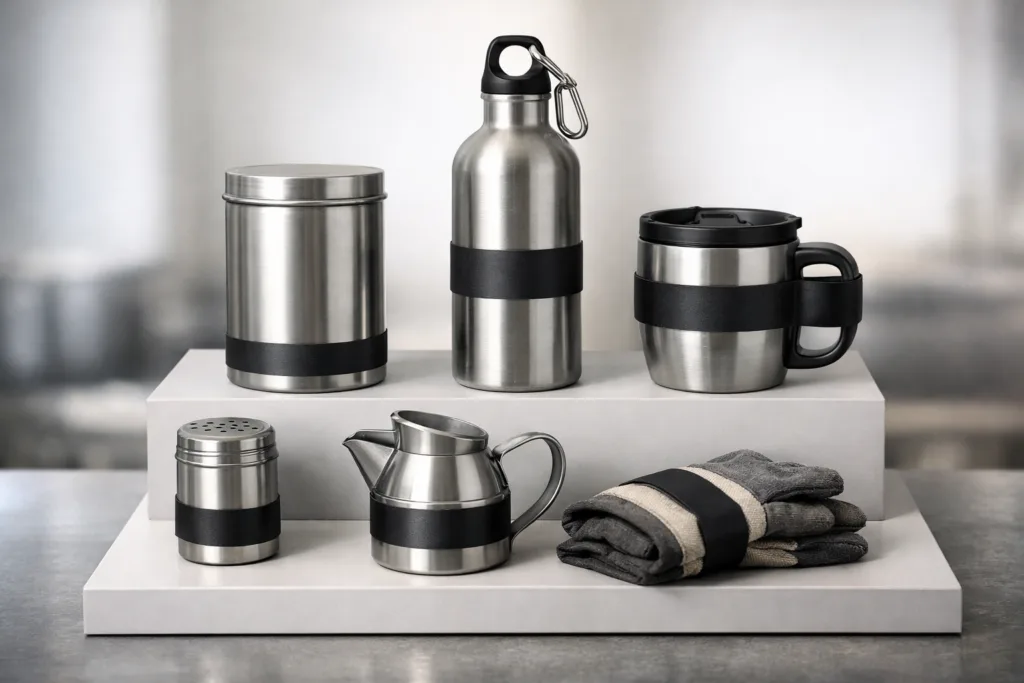
In the competitive world of metal product branding, the fold type you choose is more than an afterthought—it’s a lever for differentiation, perceived quality, and efficient production. End, center, and loop folds each deliver unique value. With a strategic approach, you can enhance your product’s visibility, utility, and compliance, while reinforcing your brand’s visual identity for years to come.
Frequently Asked Questions
What is the main difference between end, center, and loop fold labels?
The difference lies in how the label is folded and applied: end folds have both ends tucked under, center folds are folded in half, and loop folds create an open loop for attachment.
Which fold type works best for high-touch metal items?
End fold labels are ideal for high-touch metal products because their tucked edges minimize snags and ensure a discreet, comfortable finish.
Do fold types affect label durability on metal products?
Yes, center and loop fold labels tend to be more durable since they are often sewn or riveted into seams, reducing the risk of peeling or damage.
How does the choice of label fold impact branding?
Loop folds provide standout branding and visibility, while end folds offer subtle elegance. Center folds balance both by providing two printable surfaces.
Are there regulations affecting label folds in metal goods?
Some countries require safety or compliance information on labels; the fold type can help ensure these details are displayed according to regulations.
Can I mix fold types on the same item?
Yes, but it’s best to coordinate with your manufacturer to ensure a cohesive look and efficient application compatible with your design requirements.