Introduction: Understanding Digital Pattern Making and CAD Apparel
In the fast-paced world of apparel development, digital pattern making using CAD apparel tools is transforming how researchers and development teams take clothing from concept to reality. As technology continues to evolve, digital tools for creating and adapting patterns are essential for fashion brands, factories, and independent designers alike. Let’s take a deep dive into the modern landscape, key CAD software, and workflow advantages driving digital pattern making in today’s apparel R&D segments.
The Evolution of Pattern Making: From Manual to Digital
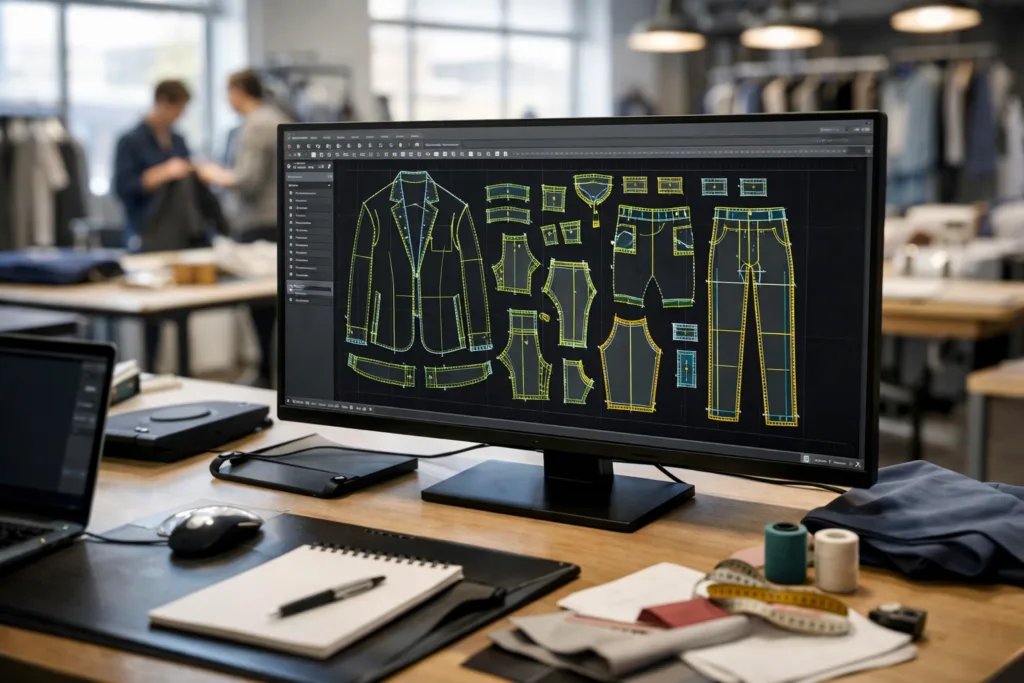
Pattern making has long been the backbone of garment production. Traditionally, this process relied on skilled craftsmen drawing on paper or cardboard, painstakingly adjusting fit and style with rulers and markers. However, with the arrival of powerful computer-aided design (CAD) tools, the landscape shifted dramatically. Now, designers and technicians can create, modify, and share patterns on a screen, streamlining collaboration, minimizing errors, and enabling rapid prototyping—the entire process is more efficient and precise than ever before.
What Is Digital Pattern Making: CAD Apparel Tools in R&D?
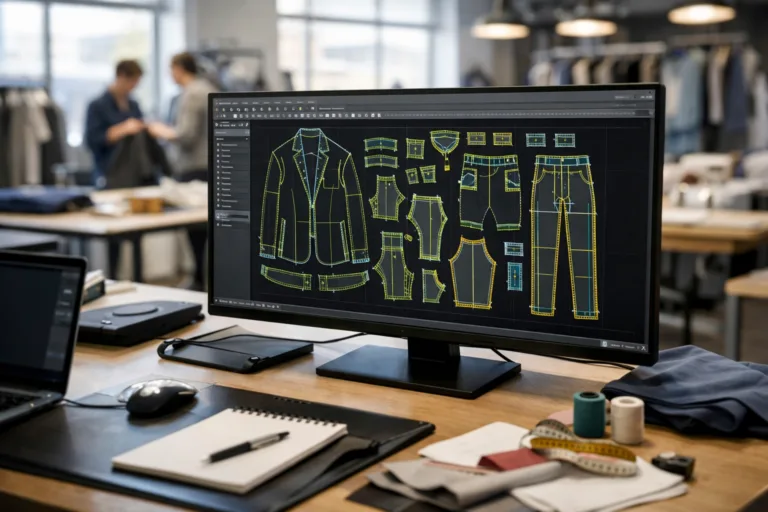
Digital pattern making refers to the creation, editing, and grading of garment patterns using specialized computer software. CAD apparel tools allow users to draft patterns from scratch, digitize hand-drawn templates, and adjust patterns for fit, style, or size range—all within a smart, visual interface. This technology not only energizes R&D teams, but it also enhances the link between design imagination and mass production potential.
Benefits of Digital Pattern Making in Modern Apparel
Digital pattern making with CAD apparel tools offers several practical benefits:
- Increased accuracy and reduced human error
- Faster iteration for new designs or adjustments
- Real-time pattern visualization and 3D simulation
- Improved communication between design, tech, and production teams
- Easy storage, versioning, and sharing of pattern data
Popular CAD Software for Apparel Digital Pattern Making
Global apparel players leverage several leading CAD systems to drive innovation. Notable examples include:
- Gerber AccuMark: Longtime industry staple known for accuracy and integration with automated cutting systems.
- CLO 3D: Adds simulation and rendering for 3D garment visualization.
- Lectra Modaris: Well-established platform with extensive tools for pattern grading and marker making.
- Optitex: Focuses on ease of use and cloud collaboration.
- TUKAcad: User-friendly interface, excellent for digital grading, and small workshops.
Key Features of Modern CAD Apparel Software
Though each package has its strengths, most share several advanced features:
- Vector-based pattern creation and editing
- Automated pattern grading across size ranges
- Advanced marker making for material efficiency
- 3D garment visualization linked to 2D patterns
- Customizable libraries for blocks and components
How Digital Grading Changes Apparel Sizing
Digital grading revises how apparel developers handle sizing. Instead of laboriously hand-plotting each size, CAD tools let users apply standardized grade rules, previewing results instantly. This is especially valuable in R&D when exploring new fits, extended size ranges, or rapid market feedback. It’s also possible to test grade rules virtually, spotting issues long before sample creation—a timesaver and cost-cutter.
Improving Marker Efficiency Through CAD
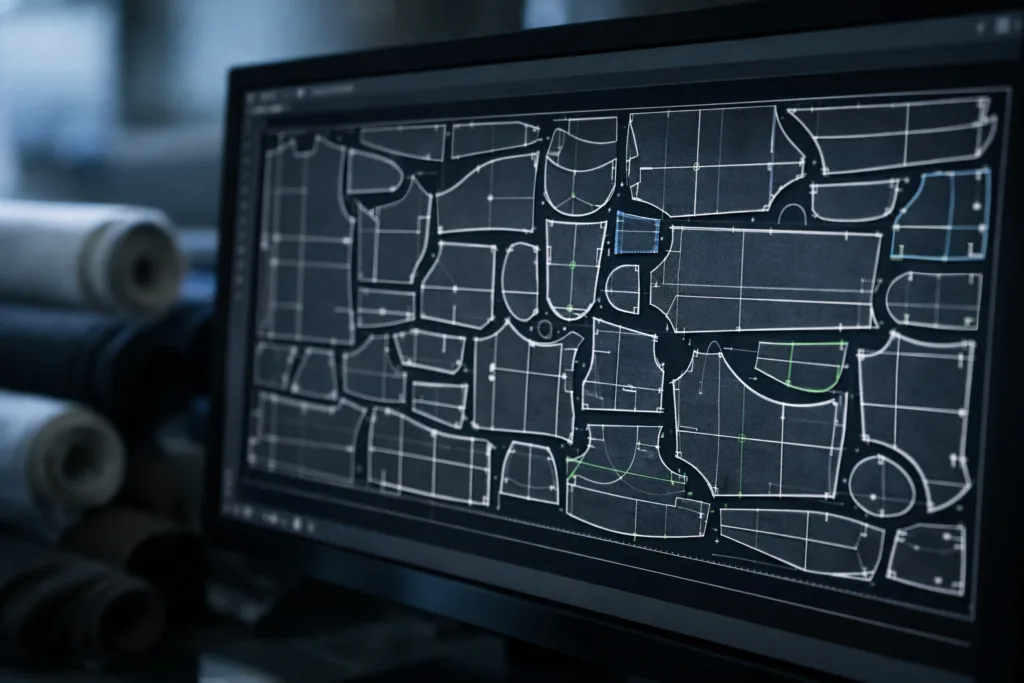
One underappreciated aspect of CAD apparel tools is marker making—arranging pattern pieces on fabric with minimal waste. Digital marker makers use algorithms to optimize layouts, fitting more pieces into the same yardage. This drives down raw material costs, reduces waste, and eases environmental impact. Apparel Wiki notes that even experienced marker makers may miss subtle improvements the latest software algorithms can achieve, particularly on complex or tightly scheduled production lines.
The Digital Workflow: From Concept to Cutting Table
The digital pattern making workflow follows a logical progression:
- Concept Design: Sketches and style lines defined
- Pattern Drafting: Shapes drawn within CAD, traced from existing blocks, or digitized from physical pieces
- Pattern Grading: Size range creation
- Marker Making: Fabric layout optimization
- Tech Pack Assembly: Specs, notations, and pattern info bundled
- Digital or Automated Cutting: Patterns sent direct to CNC or plotted as templates
This streamlined sequence greatly reduces feedback loops, allowing teams to prototype quickly and adjust in real time before investing in costly samples or bulk runs.
Integrating 3D Sampling and Virtual Fitting Rooms
Many leading CAD apparel systems now offer 3D garment construction. Designers can drape digital fabric over avatars, simulate stitch construction, and view fit adjustments—all before ever touching fabric. This is a boon for R&D, where vetting designs quickly determines cost and feasibility. Modern buyers and manufacturers appreciate virtual sample reviews as a means to cut lead time and reduce unnecessary sample shipments across continents.
Advantages Over Traditional Pattern Making
While traditional pattern skills remain essential for foundational knowledge, digital pattern making offers distinct advantages:
- Rapid prototyping and iteration
- Consistent, replicable size grading
- Automatic recordkeeping and version tracking
- Plug-and-play integration with 3D and PLM platforms
- Easier handoffs between remote or global teams
Practical Workflow Changes: What to Expect in R&D Teams
Adopting digital tools brings clear workflow adjustments. Pattern makers spend more time on screens and less time by cutting tables. Real-time collaboration grows, with pattern corrections and comments shared instantly over cloud systems. Production and R&D timelines contract as fewer manual steps mean faster movement from idea to finished prototype. It’s practical, not just technical: according to Apparel Wiki, mid-sized factories reported 25–40% increases in pattern room productivity when switching from paper-based to CAD-driven processes.
Apparel Wiki Insights: Real-World R&D Challenges and Solutions
Drawing from experience, veteran garment craftsman Rain Chen of Apparel Wiki highlights a few R&D lessons:
- Pay close attention to digital-to-physical translation: Simulations are not always perfect matches. Well-calibrated printers, digitizers, and cutters ensure on-screen accuracy matches real fabric outcomes.
- Grading for nonstandard bodies: While CAD tools make mass grading easier, bespoke fits still need human review, especially with tricky silhouettes or specialty fabrics.
- Integrate quality control early: Use digital checklists and marked notations to flag critical points in the pattern—crotch reinforcements, underarm curves—to avoid downstream headaches.
Cloud Collaboration and Data Security in CAD Apparel
The rise of cloud-based pattern making software means R&D teams can now work from anywhere, accessing shared files and real-time updates. However, with the ease of remote work comes the need for proper data security and version management. Most leading CAD software providers offer advanced encryption, access controls, and detailed audit trails to ensure proprietary designs remain safe.
Integration With Other Apparel Manufacturing Systems
Modern R&D doesn’t stop at pattern making. Effective CAD apparel tools can integrate seamlessly with:
- PLM (Product Lifecycle Management) software
- ERP (Enterprise Resource Planning) platforms
- Automated spreaders and cutters
- 3D visual merchandising systems
This interoperability ensures information and specifications flow directly from design through sampling, costing, and into mass production—cutting out repetitive manual data entry and reducing miscommunication risks.
Common Pitfalls When Transitioning to Digital Pattern Making
Shifting from manual to digital isn’t without its snags. Some common traps include:
- Relying solely on auto-grade tools without review
- Assuming marker optimization means zero waste (fabric relaxations may alter the outcome in practice)
- Retention of manual-centric thinking, causing underutilization of digital features
- Neglecting proper training or system calibration
R&D teams benefit from ongoing training, frequent digital-to-physical accuracy checks, and embracing a more iterative design philosophy.
Environmental Impact: Digital Pattern Making and Waste Reduction
One major advantage of digital pattern making is sustainability. With marker efficiency algorithms, less fabric waste is produced. Plus, digital samples mean fewer physical prototypes, cutting both material use and shipping emissions. Over time, these changes support a greener, more responsible apparel industry while meeting brand and consumer eco-expectations.
Digital Pattern Libraries and Version Control
Organizing and tracking patterns is dramatically simpler digitally. Companies store thousands of pattern files—complete with revisions, annotations, and linked grading rules—in searchable libraries. Digital archives prevent lost or damaged templates and make updating collections painless. You can even restore earlier design versions instantly, making R&D troubleshooting or legacy line updates efficient and accurate.
Remote Sampling and Global Collaboration Enabled by CAD
Digital pattern making breaks down geographic barriers. Pattern files can be shared instantly between headquarters and overseas vendors. Remote teams review samples in 3D or 2D, mark corrections, and send feedback in real time. For brands operating internationally, this accelerates development timelines and reduces costly miscommunications.
Future Trends: AI and Automation in Pattern Making
The future looks bright for digital pattern making. Emerging AI-driven systems suggest pattern corrections based on historical fit data and predict fabric yield with uncanny insight. Increasing automation frees R&D professionals to focus more on creativity and innovation, less on repetitive detail work. As these systems mature, expect even tighter integration between digital design, real-world manufacturing, and consumer personalization demands.
Digital Pattern Making: CAD Tools in R&D
Digital pattern making using CAD apparel tools is a cornerstone of innovation in modern R&D environments. Adoption of this technology results in faster development cycles, improved fit and style, higher material utilization, and closer collaboration between creative and technical teams. For many in the industry, embracing digital is not just a matter of efficiency—it represents a necessary step toward sustainable, scalable, and globally competitive fashion production.
Conclusion: Transforming R&D With Digital Pattern Making

The shift to digital pattern making and CAD apparel software is reshaping every aspect of apparel R&D. Companies benefit through faster prototyping, more accurate grading, waste-reducing marker layouts, and enhanced collaboration across continents. R&D teams gain flexibility, precision, and control, while designers discover new creative potential. By integrating digital tools now, brands and factories future-proof their operations against the rapidly changing demands of the global fashion landscape.
Frequently Asked Questions
What is the main advantage of digital pattern making?
Digital pattern making greatly improves accuracy, speeds up design changes, and increases workflow efficiency by reducing manual steps and minimizing errors.
How does CAD apparel software help with grading?
CAD tools use built-in grade rules to automatically create accurate size ranges, letting pattern makers preview and adjust grading instantly across all sizes.
Can digital marker making reduce fabric waste?
Yes, digital marker making software optimizes the layout of pattern pieces on the fabric, improving yield and lowering raw material costs and waste.
Which CAD software is most popular in apparel R&D?
Some of the most widely used include Gerber AccuMark, Lectra Modaris, CLO 3D, Optitex, and TUKAcad, chosen based on company needs and workflow.
Is it difficult to switch from manual to digital pattern making?
There’s a learning curve, but with proper training and step-by-step adoption, most teams adapt quickly and realize substantial productivity gains over time.
Does digital pattern making support remote teamwork?
Absolutely. Cloud-based CAD systems allow teams in different locations to collaborate in real time, sharing files and providing feedback instantly.