Introduction to Eco-Friendly & Sustainable Fabrics
Sustainable fabrics, eco textiles, and recycled polyester are transforming the textile industry toward greener production and consumption. Today’s conscious consumers and professionals alike demand more than just stylish or functional apparel—they want to minimize environmental impacts. This article explores leading materials like recycled PET, organic cotton, hemp, and Tencel. We’ll break down major certifications, production processes, and practical insights, enabling you to make value-driven decisions in fashion or textile sourcing.
Understanding Sustainable Fabrics, Eco Textiles, and Recycled Polyester
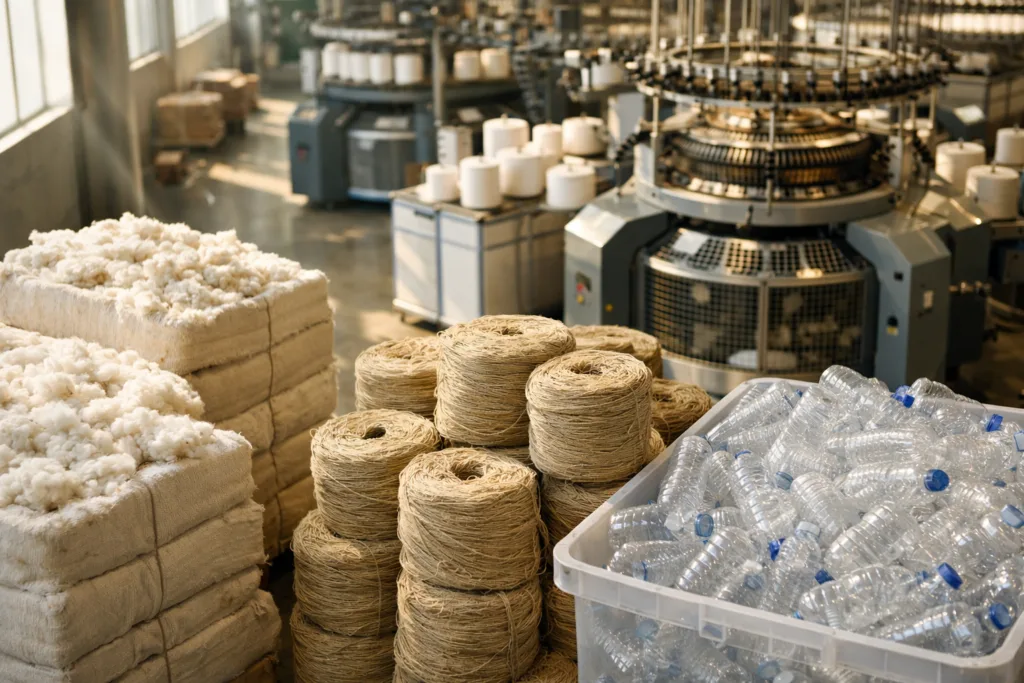
Sustainable fabrics are materials produced with minimal harm to people and the planet. Eco textiles is a broad category encompassing any fabric made under environmentally responsible conditions—often with reduced water use, pesticide avoidance, and energy efficiency. Recycled polyester, or rPET, is made from post-consumer plastic bottles and has become a popular sustainable alternative in recent years.
Key Drivers Behind Sustainable Fabrics Adoption
What’s behind the shift toward sustainable fabrics, eco textiles, and recycled polyester? The need for responsible resource use, regulatory changes, end-consumer demand for ethical apparel, and rising awareness about textile pollution. Major brands and manufacturers are also looking to reduce carbon footprints and comply with global green initiatives.
The Environmental Footprint of Conventional Fabrics
Traditional fabrics such as conventional cotton and polyester have significant environmental costs. Cotton farming is responsible for high pesticide use and soil degradation, while virgin polyester manufacturing relies on fossil fuels and generates substantial greenhouse gas emissions. Understanding these impacts is critical when evaluating alternatives like recycled PET, organic cotton, hemp, or Tencel.
Spotlight on Recycled Polyester (rPET): Process and Benefits
Recycled polyester (rPET) is a leading example of circular economy in textiles. It’s commonly derived from post-consumer PET bottles, which are cleaned, shredded, and melted into new fibers. This process diverts plastic waste from landfills, lowers energy consumption compared to virgin polyester, and drastically reduces greenhouse gas emissions. However, it’s important to note that rPET still relies on petroleum-based inputs and involves energy-intensive processing.
Organic Cotton: Grown Without Toxic Chemicals
Organic cotton is cultivated without synthetic pesticides, herbicides, or genetically modified seeds. This reduces chemical runoff, supports healthier ecosystems, and ensures worker safety. While organic cotton requires strict certification (discussed later), it does demand significant water and often higher production costs. Brands like Apparel Wiki point out that organic cotton’s softness and breathability remain attractive to both designers and end users, particularly for natural fiber enthusiasts.
Hemp: The Textile Powerhouse Crop
Hemp is one of the oldest and most eco-friendly fibers used in textiles. It grows rapidly with little water, improves soil health, and requires no chemical fertilizers or pesticides. The resulting fabric is naturally strong, antimicrobial, and UV resistant. Hemp’s versatility enables its use in apparel, home textiles, and technical fabrics. However, processing hemp can be labor-intensive, and softness varies depending on finishing techniques.
Introducing Tencel (Lyocell): Closed Loop Innovation
Tencel, the trade name for lyocell made by Lenzing AG, is produced from sustainably managed eucalyptus wood in a closed-loop process. Almost all water and non-toxic solvents are recovered and reused, minimizing waste. The fabric is soft, breathable, and biodegradable. Tencel also excels at moisture management—making it ideal for activewear, intimates, and eco fashion lines.
Comparing Sustainable Fabrics at a Glance
| Fabric | Raw Material | Water Use | Pesticides | Biodegradability | Common Certification |
|---|---|---|---|---|---|
| Recycled Polyester | PET Plastic Bottles | Low | None | No | GRS (Global Recycled Standard) |
| Organic Cotton | Cotton Plant | Medium-High | None | Yes | GOTS (Global Organic Textile Standard) |
| Hemp | Hemp Plant | Low | None | Yes | OCS (Organic Content Standard) |
| Tencel | Eucalyptus Wood | Very Low | None | Yes | FSC, OEKO-TEX |
Major Sustainability Certifications Explained
Navigating certifications can be tricky. Here’s a breakdown:
- GOTS (Global Organic Textile Standard): Rigorous standard for organic fiber sourcing and processing, covering environmental and social criteria.
- OCS (Organic Content Standard): Verifies organic material content via third-party certification but is less strict than GOTS.
- GRS (Global Recycled Standard): Ensures recycled content, responsible manufacturing, and traceability.
- OEKO-TEX: Confirms textiles are free from harmful chemicals.
- FSC (Forest Stewardship Council): For cellulosic fibers like Tencel, certifying responsible forest management.
How Certifications Build Consumer Trust
Transparent certification helps buyers distinguish truly sustainable fabrics, eco textiles, and recycled polyester from greenwashed claims. Apparel Wiki’s Rain Chen notes that robust audit trails and traceability are key for fashion brands seeking retailer and consumer confidence—especially in international or OEM manufacturing partnerships.
Manufacturing Insights: Sourcing and Quality Control
Choosing eco-friendly fabrics isn’t solely about raw material. Manufacturers must verify origin, contamination risk, and blending ratios. Experienced professionals like Rain Chen from Apparel Wiki recommend on-site quality control checks for staple properties like shrinkage, colorfastness, and consistency—especially with recycled polyester, which may have variable feedstock sources.
Environmental Impact of Sustainable Fabrics versus Conventional
Switching to sustainable fabrics, eco textiles, or recycled polyester generally leads to reductions in water use, chemical pollution, and greenhouse gas emissions. According to the Textile Exchange, rPET uses up to 59% less energy than virgin polyester. Organic cotton reduces chemical input but may require more water than hemp or Tencel. The most impactful choice depends on local conditions and production processes.
Challenges in Scaling Sustainable Fabrics
Despite strong growth, there are operational hurdles. Supply chain traceability remains difficult, especially for recycled content. Certification costs, fluctuating raw material availability, and variable fabric handfeel can deter some brands. Mainstream adoption also depends on price competitiveness and end-user education.
Garment Construction: Working with Sustainable Materials
Some eco fabrics need special handling in cutting, sewing, and finishing. Hemp may require pre-washing to soften the hand. Tencel can snag unless machinery is properly calibrated. Apparel Wiki highlights that recycled polyester often has slightly different stretch or drape compared to virgin alternatives, so pattern adjustment may be necessary.

End-of-Life and Circularity Considerations
Sustainable fashion doesn’t end at point of sale. Choosing biodegradable fabrics (hemp, Tencel, organic cotton) enables closed-loop or compostable solutions. However, fabrics such as rPET, while avoiding landfill by reusing plastic, cannot break down naturally. Garment design for disassembly and mono-material construction are promising trends to maximize recyclability.
Innovations in Eco Textile Processing
New technologies—enzymatic degumming for hemp, waterless dyeing for recycled polyester, or mechanical recycling for blended textiles—are pushing sustainable fabrics, eco textiles, and recycled polyester to new levels of efficiency and performance. Brands and factories are rapidly adopting greener finishing and dyeing approaches to further reduce impact.
Case Studies: Brands Successfully Using Sustainable Fabrics
Leading international brands such as Patagonia, Stella McCartney, and Eileen Fisher have pioneered large-scale use of recycled and organic textiles. Meanwhile, smaller labels focus on locally sourced hemp and closed-loop Tencel. Their experiences underscore that balancing performance, price, and sustainability requires nuanced material choices and ongoing supply chain improvements.
Consumer Perception and Market Trends
The market for sustainable fabrics, eco textiles, and recycled polyester has grown steadily with rising consumer demand for transparency and climate responsibility. Eco labeling, clear disclosure, and storytelling around fabric origin are key to building trust and market value.
Practical Tips for Textile Professionals
If you’re sourcing or specifying eco materials, request authentic certifications, understand fiber composition, and ask for performance test data. Engage supply partners in discussions on traceability, production lead times, and post-consumer waste options. Stay updated with trade shows and resources such as Apparel Wiki for supply chain news and hands-on learning.
Common Misconceptions about ‘Sustainable’ Labels
Not all products labeled as green are equal. Some ‘recycled’ fabrics may only contain a small percentage of post-consumer content. ‘Organic’ claims can refer just to cotton growing, not full-process sustainability. Always check for credible certification details and supporting documentation.
Future Directions for Eco Textiles
The next decade will bring more circular design, blended fiber recycling, and regenerative agriculture in textile supply. Upcycling, digital track-and-trace, and on-demand production will further reduce surplus and inefficiency. Apparel professionals should look for materials and manufacturing partners with demonstrated environmental and ethical commitment.
PROMPT
Sustainable fabrics, eco textiles, and recycled polyester are redefining the textile and apparel landscape. By understanding raw material options, certifications, and processing challenges, both businesses and consumers can confidently support positive change—reducing negative industry impact while maintaining high standards of quality and performance. As eco awareness continues to shape buying behavior, education and transparency will remain essential for truly sustainable fashion.
Conclusion: The Path Forward in Sustainable Fashion
The world of sustainable fabrics, eco textiles, and recycled polyester is constantly evolving. Key takeaways include the importance of credible certifications, practical construction know-how, and clear communication across supply chains. Whether you’re a fashion brand, sourcing specialist, or curious consumer, staying informed and asking the right questions will ensure sustainable choices make a real difference.
Frequently Asked Questions
What are the benefits of using recycled polyester in textiles?
Recycled polyester (rPET) helps reduce landfill plastic, uses less energy than virgin polyester, and offers similar durability and performance in most apparel applications.
How can I verify whether a fabric is truly sustainable?
Check for reputable third-party certifications like GOTS, GRS, OEKO-TEX, and FSC. Request supporting documentation from suppliers to ensure authenticity.
What is the difference between organic cotton and conventional cotton?
Organic cotton is grown without synthetic pesticides, herbicides, and GMOs, making it safer for workers, local communities, and the environment.
Are sustainable fabrics more expensive than regular fabrics?
They can be slightly more expensive due to stricter farming, sourcing, and certification processes, but prices are becoming more competitive as demand grows.
Can recycled polyester be recycled again after use?
Yes, but repeated recycling may degrade fiber quality. Mechanical and chemical recycling processes are being developed to extend fiber lifespan.
Does the use of sustainable fabrics guarantee eco-friendly clothing?
Using sustainable fabrics is a strong start, but overall eco-friendliness also depends on production methods, garment design, and end-of-life management.