Introduction: Why Fabric Consumption Markers Matter
In today’s highly competitive apparel industry, fabric is more than just a material—it’s a major factor that influences production costs, profit margins, and your bottom line. Fabric consumption markers: optimizing yield to save money aren’t just technical jargon; they’re powerful tools for cost efficiency. But what exactly are these markers, and how do they help manufacturers, sourcing managers, and designers reduce waste and improve profits?
This guide takes you inside the world of fabric consumption optimization, revealing the measurement strategies, actionable techniques, and practical examples that actually save manufacturers money—without sacrificing quality.
Understanding Fabric Consumption and Yield
To master fabric consumption markers and boost yield optimization, you need to understand both terms:
- Fabric consumption is the total amount of fabric used to produce a specific number, style, or size of garments.
- Yield optimization means improving the amount of usable fabric to reduce waste and cost.
Getting these right is critical—waste even 2% extra fabric, and profits can vanish. An accurate calculation is the foundation for smart cost management throughout the supply chain.
What Are Fabric Consumption Markers?
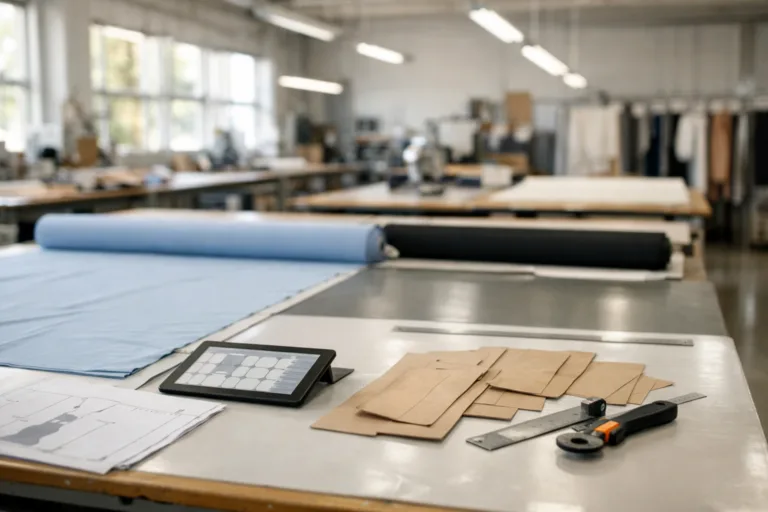
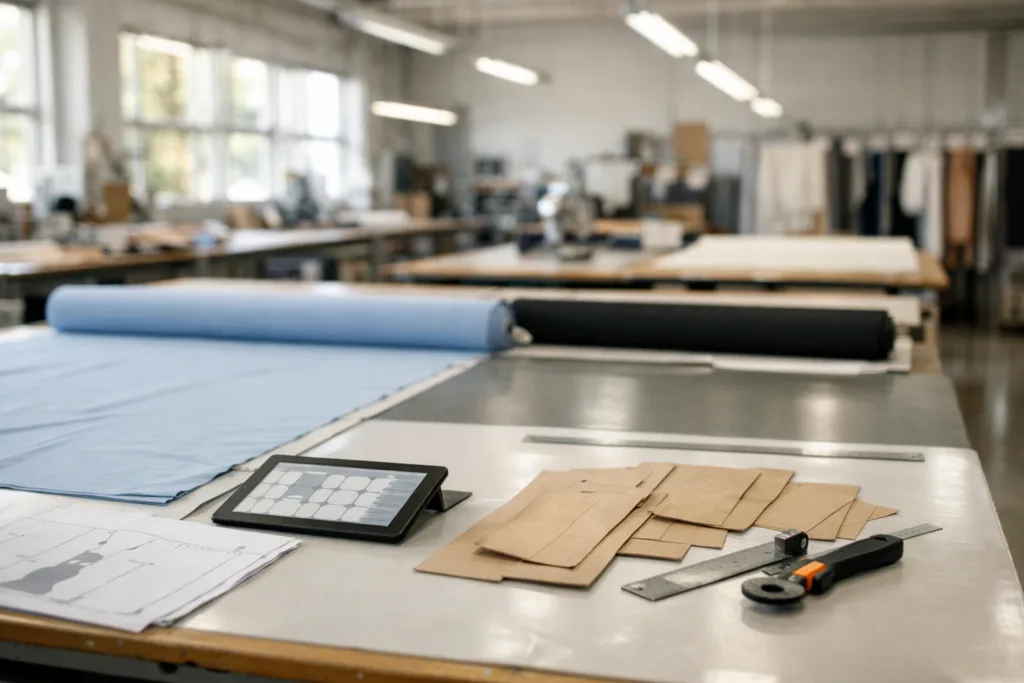
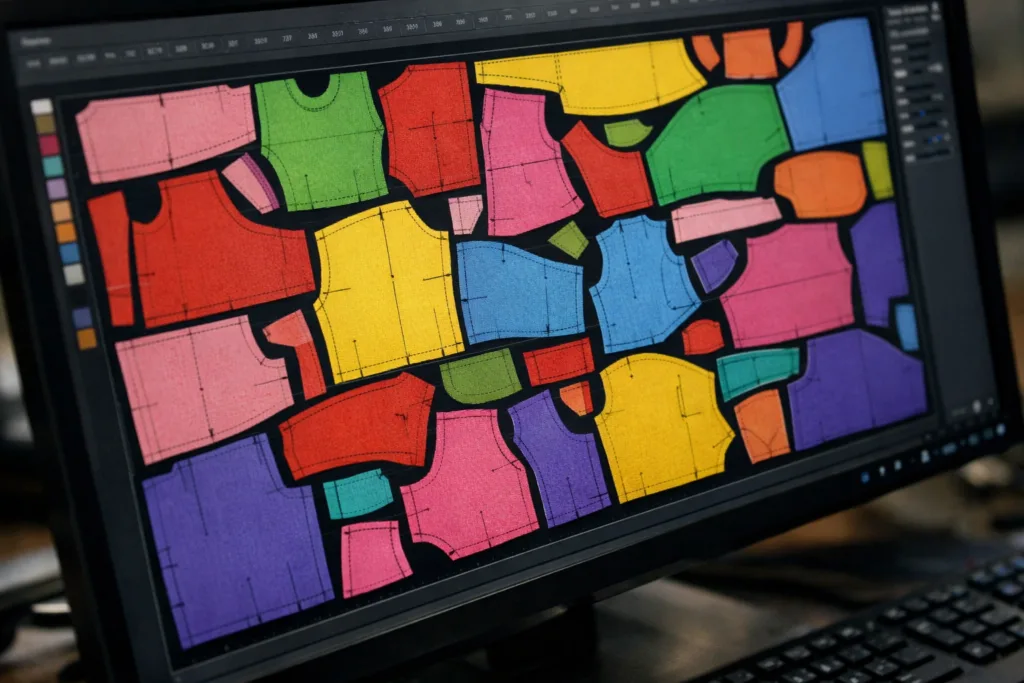
Fabric consumption markers refer to the physical or digital layouts (“markers”) that determine how garment pattern pieces are arranged on fabric for cutting. They are like a blueprint for maximizing usage and minimizing leftovers.
| Marker Type | Purpose | Impact on Yield |
|---|---|---|
| Manual | Traditional paper or chalk layouts | Good for basic lots, less precise |
| Digital/CAD | Software-based with simulation | Highly precise, repeatable, efficient |
| Hybrid | Combines manual and software | Flexible, bridging gaps between skill levels |
Techniques for Measuring Fabric Consumption
Precise measurement is key. The general process involves:
- Pattern placement analysis
- Accounting for all garment pieces and sizes
- Factoring in seam allowances and shrinkage
Read more about The Ultimate Guide to Fabric Consumption (Yield) Calculation for Your BOM to master these techniques.
Common Methods for Creating Accurate Markers
- Lay planning (manual layout on tables)
- CAD software (digital marker making)
- Automatic nesting algorithms
- Test marker runs on sample fabric bolts
Digital marker making is especially effective for complex styles and can simulate many variations quickly, ensuring the highest possible yield.
The Role of BOM in Fabric Consumption
Your Bill of Materials (BOM) acts as the master checklist for every item and measurement needed for production. Aligning your markers with BOM data ensures nothing is missed or underestimated. Apparel Wiki explains how BOM and costing sheets interact to boost profitability and cut costly errors.
Understanding Marker Efficiency Ratios
Marker efficiency is calculated as:
Marker Efficiency (%) = Total garment area / Total fabric area used × 100
A higher percentage means less waste and lower costs. Aim for 85%+ efficiency in bulk production whenever possible.
Variables That Affect Fabric Yield
- Garment style complexity
- Pattern shapes and sizes
- Fabric width and type (knit vs. woven)
- Grain line requirements
- Fabric flaws or defects
- Shrinkage allowance
Ignoring any variable can disrupt calculations and increase waste.
Optimizing Cutting Room Efficiency
How markers are used in the cutting room directly influences yield. Best practices include:
- Lay fabric in precise stacks
- Minimize tension and shifting
- Regular calibration of cutting machines
- Staff training for marker reading
Digital Tools for Marker Making and Optimization
Cutting-edge solutions like Lectra, Gerber AccuMark, and Optitex empower teams to automate nesting, test different layouts, and quickly analyze efficiency. Choose a system that fits your operation size and complexity.
Advantages of Digital Markers
- Real-time yield feedback
- Easy pattern variations and last-minute corrections
- Repeatability and fewer manual errors
Real-World Example: Increased Profits Via Marker Optimization
Savvy manufacturers leverage optimized markers to deliver results. For example, an outerwear brand used digital optimization to improve fabric yield by 4%, saving $28,000 on a single production run. That’s the payoff for getting it right!
Case Study: Reducing Waste in Shirt Manufacturing
A shirt factory faced consistent excess waste due to old marker habits. After switching to CAD-based optimization and marker audits, fabric waste fell by nearly 7%. Their BOM and costing accuracy soared, and profitability went up—demonstrating why marker efficiency matters.
Common Challenges in Measuring Fabric Consumption
- Wide range of garment sizes in one style
- Pattern modifications late in development
- Fabric inconsistencies (e.g., flaws, width variation)
- Manual mistake during lay planning
- Unrecorded fabric usage deviations
Solutions: Overcoming Marker and Yield Challenges
- Implement rigorous marker audits
- Adopt easy-to-use digital tools
- Track every pattern and production batch
- Create size-specific or grouped markers when variety demands
Cost Savings: Financial Impact of Optimized Fabric Consumption
Even a 1% improvement in marker efficiency can generate thousands in savings per season. Over a year, cumulative effects compound dramatically—lowering COGS and freeing up budget for product innovation or increased margins.
When to Audit Your Markers
- Before each production run
- After substantial pattern or style changes
- When switching fabric suppliers or types
- Regular intervals—even if no major change occurs
Apparel Wiki Guidance: The Practical Rule for Markers
At Apparel Wiki, the editorial team often sees marker misalignment costing factories more than they realize. As a rule of thumb: Any marker made for sampling should be re-validated before bulk cutting. Minor tweaks in pattern grading or fabric width, if missed, can spiral into large overruns or shortages.
Integrating Markers with BOM Management
Linking digital markers directly to your BOM prevents errors, ensures all components are accounted for, and makes version control smoother. Smart software can automate notifications when a pattern changes, prompting marker review to protect yield.
How Marker Data Supports Sourcing and Costing Decisions
Marker analytics allow accurate costing sheets and smarter sourcing. Know your average yield before buying fabric, and negotiate savings with confidence. To learn more, see insights on calculating FOB price of a garment.
Managing Fabric Shrinkage in Consumption Estimates
Shrinkage can wreak havoc if left unaccounted for. Test each batch, add the specified shrinkage percentage to total marker yield, and update all estimates and BOMs accordingly to avoid costly shortages or quality control headaches.
Fabric Consumption Markers: Optimizing Yield to Save Money
Applying fabric consumption markers can turn a sluggish costing process into a profit-building routine. Remember, yield optimization is a continuous process involving all departments—from pattern making to sourcing to production and QC. Team alignment is key.
Avoiding Typical Pitfalls in Marker Making
- Assuming sample marker = bulk marker
- Neglecting to account for fabric grain orientation
- Missing last-minute pattern/size changes
- Lack of employee training on reading digital markers
Continuous Improvement: Audits and Analytics
Integrating audits, even quarterly, helps spot sudden yield drops. Keep records, analyze outcomes, and share learnings between teams. Data-driven feedback loops are essential for sustained improvement and cost savings.
Success Stories: Brands that Use Optimized Markers
Several global brands now include marker efficiency reports in their cost reviews. A sportswear company improved seasonal yields up to 6% after standardized digital marker adoption—creating savings they reinvested in design and marketing.
Helpful Tools for Modern Fabric Consumption
Resources such as BOM software tools for small fashion brands streamline calculation, help catch errors early, and enable real-time collaboration among teams, leading to more reliable yield optimization.
Training and Onboarding: Teaching Yield Optimization
Regular staff training is critical—include onboarding on digital layout tools, BOM integration, and marker audits. Make yield optimization an everyday habit in the workplace, not just a seasonal event.
Conclusion: Takeaways for Smarter Fabric Yield

Fabric consumption markers are silent heroes in the battle for lower costs and higher margins. With careful measurement, digital tools, and regular audits, you can optimize yield—which means money saved, less waste, and a more sustainable operation. Whether you’re cutting one style or hundreds, these markers power up your bottom line with every production run.
Frequently Asked Questions
What is a fabric consumption marker in apparel manufacturing?
A fabric consumption marker is a strategic layout plan—physical or digital—that shows how garment pattern pieces are positioned on fabric for cutting to maximize yield and minimize waste.
How do digital markers improve yield optimization?
Digital markers improve accuracy, enable easy adjustments, and simulate multiple layouts, which increases fabric usage efficiency and reduces manual errors in the cutting process.
Why should BOM and markers be aligned?
Aligning your BOM with markers ensures every pattern piece is counted, reduces over- or under-ordering of materials, and prevents expensive last-minute corrections.
How often should marker audits be conducted?
Marker audits should occur before major production runs, after pattern changes, with new fabric types, or at regular intervals—even if there are no visible changes.
What is a common mistake in measuring fabric consumption?
One common mistake is using inaccurate or outdated sample markers for bulk runs, leading to unexpected fabric shortages or overruns during production.
Can optimizing markers really create significant cost savings?
Yes, even small improvements in marker efficiency can generate large cumulative savings over multiple production runs, increasing overall profit margins and reducing waste.
Related Reading
- Slash Waste: The Step-By-Step Guide to Fabric Yield Calculation
- Smart Tools to Minimize BOM Errors for Small Brands
- Unlocking Profits: How BOM & Costing Sheets Work Together
- FOB Price Calculation: 11 Steps to Avoid Costly Mistakes
- Stop Shortages: 7 BOM Errors You Must Avoid
- True Cost of a T-Shirt: Fabric, Labor, Overhead and Margins Exposed