Final Random Inspection: Checklist & Standards
Final random inspection (FRI) is a pivotal step in garment manufacturing, used to verify that finished apparel products meet contract requirements before shipment. For both buyers and factories, a rigorous checklist and a clear understanding of standards are crucial to manage quality, prevent returns, and protect business relationships. This guide outlines how to conduct a professional FRI QC process, with focused inspection points such as measurement, appearance, workmanship, packaging, and weight—ensuring all apparel is shipment-ready.
Understanding Final Inspection Apparel: Purpose & Process

Final inspection apparel, often called FRI QC, is performed when at least 80% of the total order is packed and before shipment leaves the manufacturer’s premises. The inspection covers finished garments selected randomly from finished shipments, mirroring the acceptance sampling logic. This method balances cost, time, and risk, focusing resources on assessing key quality attributes in representative samples. Buyers and quality teams use FRI results to accept, reject, or hold lots, minimizing surprises once goods arrive in the target market.
When and Where FRI QC Is Applied
- After sewing, finishing, pressing, and >80% packing completion.
- At the production warehouse, before loading containers for shipment.
- For all apparel types: T-shirts, hoodies, workwear, uniforms, kidswear, sportswear, and more.
Main Objectives of FRI QC
- Verify that mass production matches approved samples and specifications.
- Check measurements, fabric, construction, trims, and branding for compliance.
- Assess packaging, labeling, and logistics handling details.
- Document and feedback systemic defects for process improvement.
Core FRI QC Standards & Industry Protocols
The apparel sector references well-established standards for FRI, including AQL (Acceptable Quality Level) sampling, ISO/ANSI methods, and major retailer protocols. These standards establish clear pass/fail criteria, defect categories, and minimum sample sizes, and provide consistent benchmarks for multi-factory sourcing environments.
Common Quality Standards Referenced
- AQL Levels: Typical values are AQL 2.5 for major defects, 4.0 for minor.
- Sampling Tables: ISO 2859-1, ANSI/ASQ Z1.4 for lot sampling and decision-making.
Defect Classification
| Defect Type | Description | Impact |
|---|---|---|
| Critical | Safety or legal non-compliance (e.g., sharp object, wrong fiber content) | Shipment rejected, recall possible |
| Major | Visible, functional, or branding defect (e.g., sizing error, loose seam, missing print) | Reduced market value, possible customer return |
| Minor | Slight appearance or packaging imperfection (loose thread, tiny spot) | Acceptable but notes for future improvement |
Apparel Wiki Tip:
Always align FRI criteria with buyer’s specs and tech packs; do not assume standard tolerance or defect priorities. Confirmation in writing prevents disputes.
FRI QC Inspection Points: Measurement
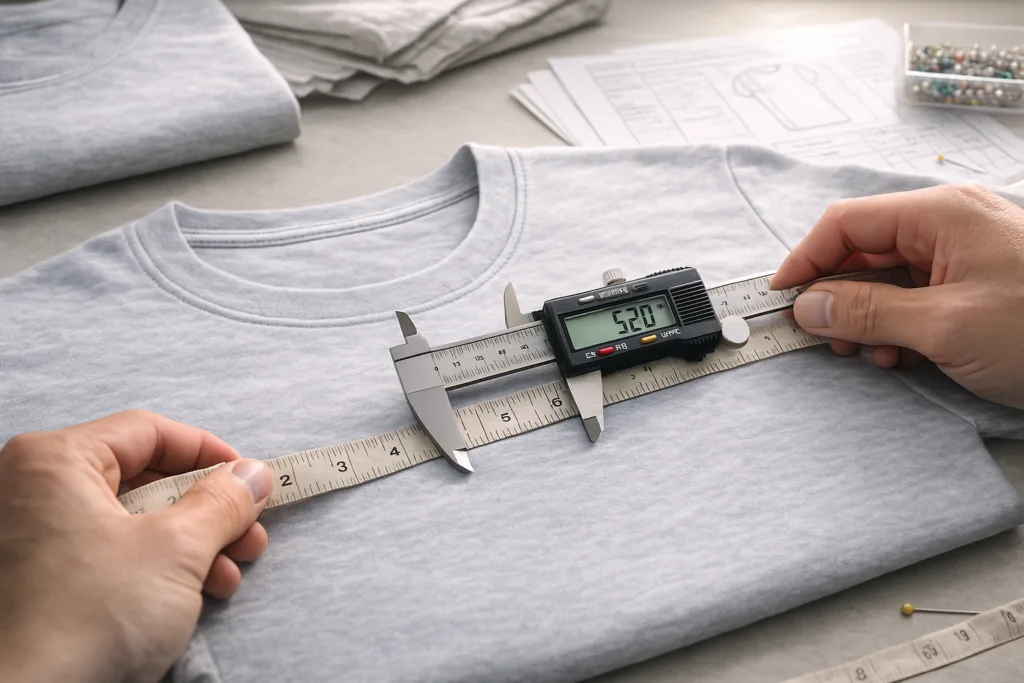
Measurement is the foundation of apparel quality. Inspectors compare randomly chosen sample garments to the customer’s spec sheet or approved pre-production sample, focusing on key points of measure (POM). Tolerance allowances depend on garment category, fabric type, and market expectations.
Key Measurement Checks
- Body length (high point shoulder to hem)
- Chest/bust width (1″ below armhole or as specified)
- Sleeve length (from center back neck or shoulder, per tech pack)
- Waist/hip (for bottoms and fitted styles)
- Neck opening, armhole, cuff, and hem circumference
Common Tolerances in Production
| Garment Part | Typical Tolerance (cm) |
|---|---|
| Body width | ±1.0 cm |
| Body length | ±1.0 cm |
| Sleeve length | ±1.0 cm |
| Pocket position | ±0.5 cm |
| Neck rib width | ±0.3 cm |
Measurement Failures
- Oversize/undersize garments (beyond tolerance)
- Extreme measurement deviations between same size items
- Poor symmetry (shoulder slope, sleeve length difference)
Appearance Inspection: Surface, Color & Branding
The first impression matters—inspectors must ensure apparel matches the approved color, has no surface defects, and branding is clean and correctly placed. Factors like fabric shading, pilling, print clarity, and embroidery neatness are evaluated with daylight-equivalent lighting and close-up checks.
Appearance QC Checklist
- Fabric color matches approved lab dips; shading is consistent across panels and within a garment set.
- Surface is smooth; no pilling, snags, holes, stains, or oil marks.
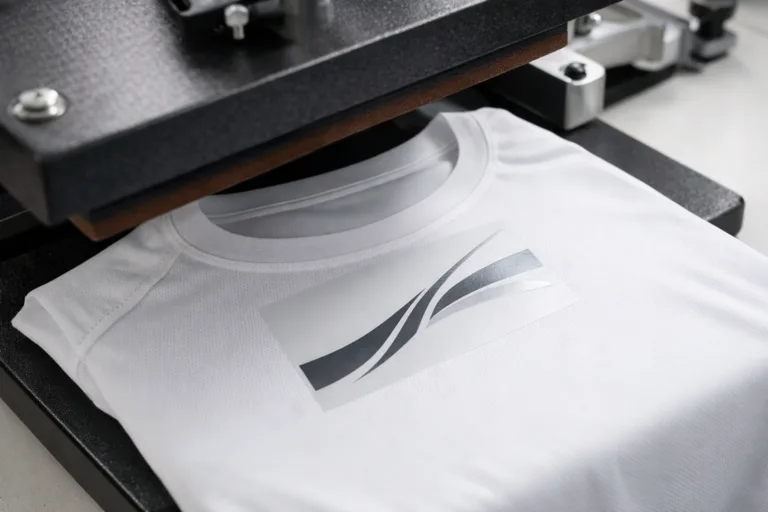
- Prints: No color bleeding, missing areas, offset registration.
- Embroidery: Clean edges, no loose threads, back covered if required.
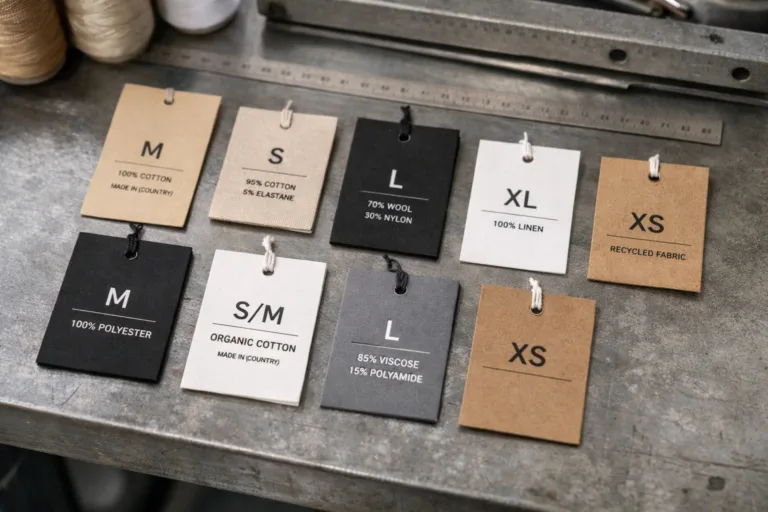
- Labeling: Brand, size, and care labels attached as specified, readable and not crooked.
Common Appearance Defects
- Fabric streaks, shade bands, color transfer
- Off-register or broken prints
- Visible oil marks, glue, or pressing lines
- Incorrect or missing logo or care instructions
Workmanship & Construction Quality
Workmanship judgment focuses on how the garment is made—stitch type, seam alignment, thread tension, and attachment security. Consistency here prevents premature failure and upholds brand reputation.
Key Workmanship Checks
- Seams: Overlock (504/514), lockstitch (301), or coverstitch (602) types as specified.
- Stitch density: Typically 10-12 SPI for main seams.
- No loose/hanging threads, missed stitches, skipped stitches, broken seams.
- Uniform seam allowances; correct alignment of side, shoulder, and sleeve seams.
- Pocket, patch, or applique securely attached. Fasteners and trims are firmly secured and function correctly.
Common Construction Failures
- Unraveling serged edges
- Open seams, unfinished bartacks, weak bottom hems
- Mismatch at collar joins, raglan or armhole ripple
In Rain Chen’s workshops, we emphasize double-checking all stress points (e.g., armhole, crotch seam, pocket corners) with a quick stretch/pull test before bulk packing. This simple habit can halve post-shipment complaints.
Packaging Inspection: Cartons, Polybags & Presentation
Final inspection apparel checks extend to packaging, which directly impacts presentation, protection, and logistics. Proper carton strength, clear markings, and correct folding/packing keep garments in sale-ready shape and meet retailer or brand requirements.
Packaging QC Checklist
- Folding: Consistent, neat, as per buyer’s folding board/sample.
- Polybags: Correct size, thickness (usually 30-40 microns for most knits), with suffocation warnings and vent holes as needed.
- Cartons: Double-walled as standard; check crush/test strength if required. Carton weight and size must not exceed handling limits.
- Labels: Hangtags, barcodes, and carton markings match PO and style codes; positioned correctly.
- No mixed sizes/styles in a single polybag or carton unless specified.
- Desiccants, anti-mold chips, or silica gel packs inserted if specified for sea shipments.
Common Packaging Faults
- Wrong packing ratio or assortment
- Damaged or moist cartons
- Missed labeling, incorrect barcodes, or carton marks
Weight Assessment & Fabric Consistency
Garment and package weight is more than a logistic metric; it can signal underlying manufacturing issues. For example, variations in fabric GSM, missing components, or incorrect packing methods. FRI QC often includes weighing random samples against the spec and conducting spot checks on both single garment and carton weights.
What to Check for Weight Consistency
- Single garment net weight should fit within buyer or approved sample tolerance (often ±5%).
- Batches of XL sizes should not be lighter than S/M unless design requires.
- Polybag, tag, and included accessories calculated into final packed unit weight.
Weight-Related Quality Concerns
- Fabric GSM drop (yarn lot change, unauthorized substitution)
- Omitted trims, partial packing
- Miscalculated carton weights affecting freight or duty
Lightweight T-shirtsHoodies, sweatshirtssportswear, workwear
| GSM/Weight | Common Fabric | Best Use in Apparel |
|---|---|---|
| 120-140 GSM | Single Jersey Cotton | |
| 180-220 GSM | CVC Fleece | |
| 220-300 GSM | French Terry, Double Knits |
Final Random Inspection: Checklist in Action
A robust FRI QC checklist brings all the above points together in structured, easy-to-use form. The inspector verifies each checkpoint, records defects, and photographs or tags any samples that fail. Below is an example workflow for in-factory final random inspection apparel teams:
Sample FRI QC Checklist for Apparel
- Count and select random samples per AQL chart.
- Check measurements for key POMs and tolerance vs. size spec.
- Inspect visual appearance, color shade, surface, branding, and print/embroidery quality.
- Evaluate workmanship: seams, stitches, trims, attachment, and durability at stress points.
- Confirm folding, polybag, and cartons per packing list; check barcodes, hangtags, and carton marks.
- Weigh samples and sealed cartons. Compare with approved samples/specs.
- Document all defects (type, location, severity, photo if needed).
- Compile result, mark as Pass/Hold/Fail, communicate with buyer or production manager.
Tips for Success
- Do all measurements on flat surface, garments unwashed and relaxed.
- Double-inspect critical points (collar join, side seam, pocket attach).
- If any carton fails, expand inspection or repack before sign-off.
Resolving FRI Failures & Communication Flow
When FRI QC uncovers critical or major defects above AQL limits, clear corrective action is essential. This includes sorting, repairing, re-lotting, or reviewing systemic process gaps.
Action Steps if Lot Fails
- Hold shipment and alert buyer within 1 business day.
- Share inspection photos and defect tally.
- Recommend root cause and rework plan: re-measure, repair, repack, or replace.
- Conduct re-inspection with new random batch before approving shipment.
On busy seasons, Rain Chen advises scheduling post-correction rework checks with both factory and buying office present—this transparency builds trust and saves re-negotiation wear-and-tear.
Documenting & Improving FRI QC for Future Orders

Sustaining high FRI QC performance is as much about process learning as inspection accuracy. Leading factories use detailed inspection records to drive CIP (Continuous Improvement Program), share feedback with patternmakers, sewing techs, and packers, and update tech packs for next run issues. This factory-to-buyer feedback loop is central to building strong, resilient supply chains in apparel manufacturing.
Recommended FRI QC Documentation
- Sample photos of approved vs. defective items
- Tagging sample garments for training/seminars
- Digital logs for measurement deviation and recurring defects
- Monthly review meetings for defect trend and solution brainstorm
Frequently Asked Questions
What is an FRI QC in apparel?
FRI QC, or Final Random Inspection Quality Control, refers to quality checking of finished apparel products through systematic random sampling before shipment to ensure compliance with buyer specifications.
How is measurement tolerance determined in final inspection?
Measurement tolerances in final inspection are typically set by the buyer’s spec sheet, garment type, and fabric, with common values being ±1 cm for body width and length in knits but must always align with the contract.
What are the main defect categories in FRI?
The main defect categories in final random inspection are critical (safety/legal fail), major (function or sellability issue), and minor (small cosmetic or packaging issue).
Why is appearance check important in FRI QC for apparel?
Appearance checks identify shade differences, printing flaws, and visible stains or damages, ensuring the product matches buyer branding and is saleable in the target market.
What should be included in FRI packaging inspection?
Packaging inspection must verify folding, polybag and carton quality, labeling/barcodes, correct assortment, and inclusion of desiccants or other protection for logistics safety.
How does weight assessment help in apparel QC?
Weight assessment helps catch fabric GSM drops, incomplete garments, or missing trims, signaling issues in material control or process deviations before shipment approval.