Introduction: Why Final Quality Check on Production Samples Matters
In metal manufacturing, the final quality check on production samples is a critical step that separates reputation-building excellence from costly mistakes. This article explores why Top of Production (TOP) samples act as the last defense in quality assurance, what criteria and best practices should guide your evaluations, and how documenting findings preserves product consistency and customer trust. For both seasoned professionals and new startups, understanding this process is key to flawless production runs.
The Role of TOP Samples in Quality Assurance
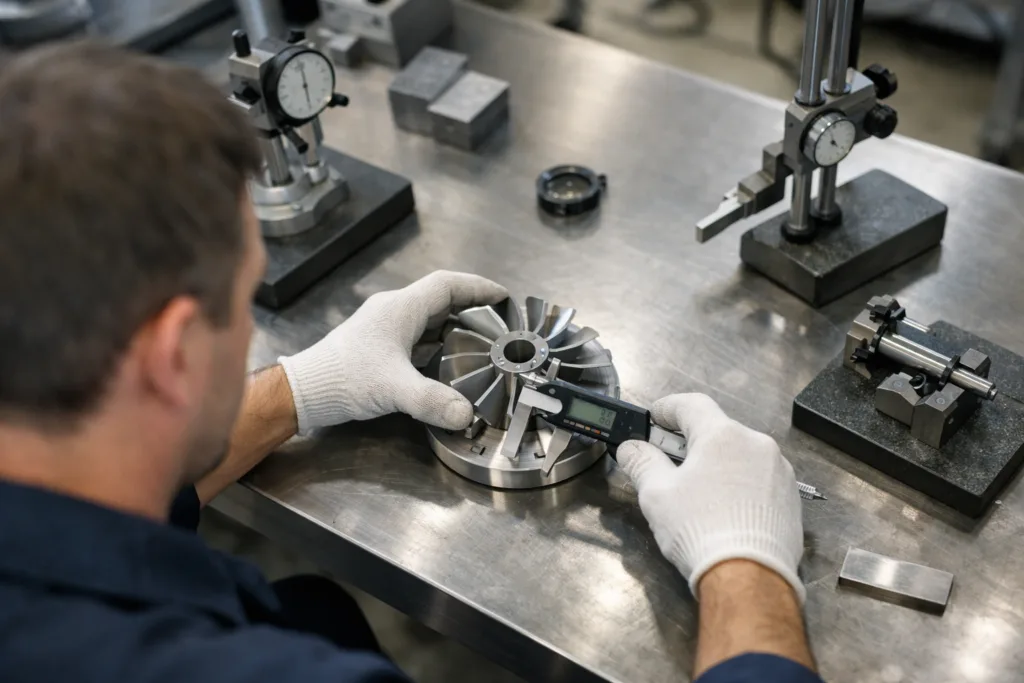
TOP samples, often referred to as “first-off” or “golden” samples, are the first units produced using the finalized manufacturing methods and approved specifications. They serve as tangible benchmarks against which bulk production is measured. The final quality check for TOP samples ensures every detail aligns with technical standards, aesthetic requirements, and safety criteria. Skipping or rushing this stage can lead to widespread defects, costly recalls, or brand damage.
Why Is Final Quality Check Essential in Metal Production?
Metal product manufacturing faces unique challenges: tight tolerances, surface flaws, and structural integrity issues can escalate quickly in mass production. A rigorous final check catches errors like incorrect material composition, misaligned joints, improper finishes, or inconsistent dimensions. This is the moment when a single inspection can protect the entire production batch.
Linking Pre-Production and TOP Sample Quality Control
Many brands emphasize pre-production sample quality assurance, but the TOP sample is where reality meets the ideal. Any corrections made during pre-production reviews must be fully reflected in TOP samples before mass production. Apparel Wiki recommends using a clear checklist comparing pre-production findings and TOP sample performance, minimizing surprises downstream.
Criteria for Evaluating Final Quality Check Production Samples
The evaluation should cover:
- Dimensions: Confirm all critical measurements fall within specified tolerances.
- Material Composition: Verify alloy accuracy, hardness, and surface treatments.
- Finish Quality: Inspect for uniform coatings, absence of scratches, and correct color.
- Functionality: Ensure moving parts operate smoothly, joints are secure, and the product performs its intended function.
- Safety: Check for sharp edges, stable assembly, and compliance with regulatory standards.
Best Practices for Conducting the Final Check
Follow these steps to maximize effectiveness:
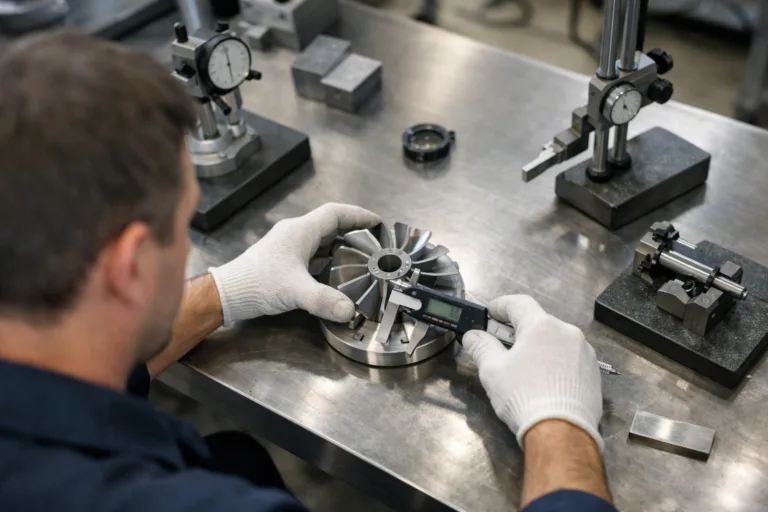
- Use calibrated measuring tools and standardized test procedures.
- Review technical drawings and product specifications alongside TOP samples.
- Photograph and document any deviations.
- Conduct comparative tests against the approved pre-production sample.
- Involve cross-functional experts (engineers, QC inspectors, designers) for a holistic review.
The Importance of Measurement Tolerance in Final Checks
Understanding measurement tolerance is vital, as even slight deviations can affect fit, function, or appearance. A strong grasp of tolerance in garment measurements is applicable to metal production too, ensuring fewer returns and higher customer satisfaction.
Effective Documentation of TOP Sample Findings
Clear and systematic documentation is your insurance policy. Record measurements, photographic evidence, defect descriptions, corrective actions, and approval status. Use digital formats when possible for easy sharing, revision tracking, and future reference. Apparel Wiki recommends treating this documentation as part of your manufacturing history—a resource for troubleshooting or training new staff.
Common Mistakes in Final Quality Check
Some pitfalls include:
- Rushing the process when deadlines loom
- Accepting “almost okay” samples that don’t meet standards
- Failing to review all criteria (e.g., overlooking finish or function)
- Not updating technical specifications after corrections
Meticulous attention during this phase prevents systemic production failures.
Documenting Corrections and Feedback for the Factory
Communication is central to quality. Precise comments, annotated photos, and clear callouts help manufacturers understand corrections needed. For guidance on how to communicate detailed pattern corrections, see communicating pattern corrections to your factory.
Comparing Final Quality Check vs. Pre-Production Sampling
| Aspect | Pre-Production Sample | TOP Sample |
|---|---|---|
| Purpose | Design & feasibility test | Finalized production method check |
| Timing | Before bulk production starts | Just before full production launch |
| Criteria | Aesthetics, materials, fit | Technical, functional, regulatory |
| Documentation | Prototype notes | Approved QC record |
How The Final Quality Check Prevents Costly Errors
Even minor deviations at this stage—such as inconsistent welds or incorrect sizing—can translate into thousands of defective units. The final check on TOP samples often identifies issues not caught earlier, providing a critical opportunity for corrective action.
Involving Stakeholders in the Final Check Process
Ensure the review team includes production managers, technical experts, and quality assurance staff. Inviting input from client-side representatives can add perspective on functional and user requirements.
Tracking Revisions from Proto Sample to TOP Sample
Successful manufacturers maintain clear revision history—from initial proto sample through fit sample and then to TOP sample. For more on mastering proto vs. fit sample revisions, see proto sample vs. fit sample best practices.
Using Digital Tools to Streamline Final Checks
Digital quality assurance systems reduce errors, enable rapid reporting, and facilitate remote approval workflows. Platforms that link technical drawings, test results, and photographs are especially valuable for dispersed teams and global factories.
Maintaining Consistency in Production Standards
Using standardized checklists and recurrent training ensures every batch produced after TOP sample approval maintains the same quality. This is critical for long-term reputation and repeat orders.
Adapting Final Quality Check for Different Metal Products
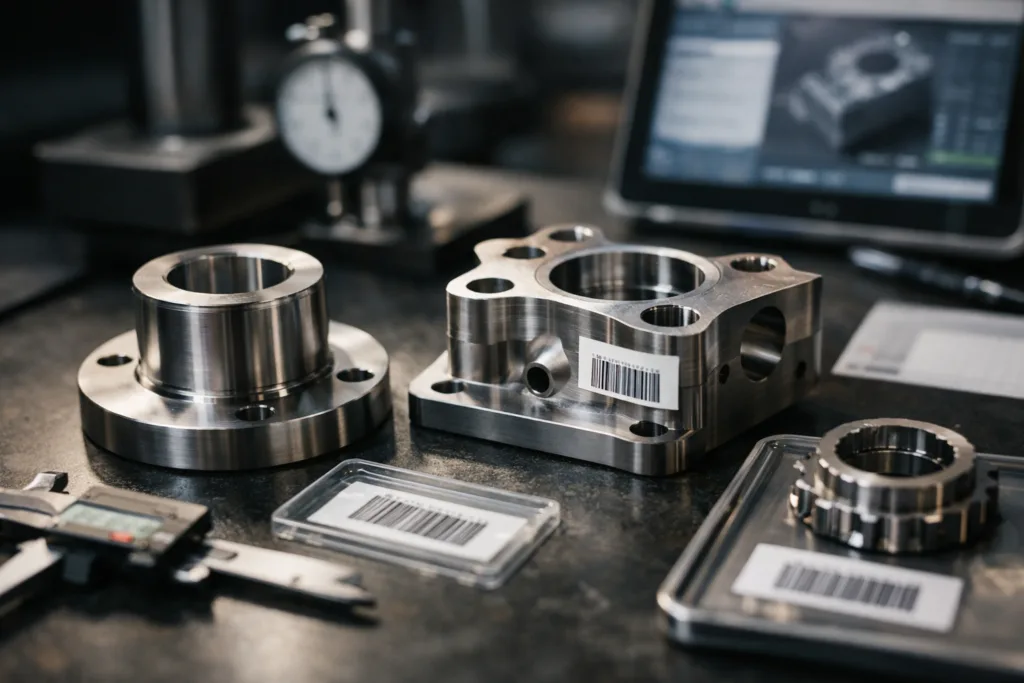
The specifics of the final check may differ by product type (e.g., castings, extrusions, stamped parts), but principles remain the same: focus on specification match, finish, and function.
Regulatory Compliance and Safety Checks
Metal products often face rigorous compliance requirements. Ensure all testing for toxicity, mechanical strength, and labelling is performed at the TOP sample stage to avoid legal problems and failed audits.
Role of Pattern Grading and Size Consistency
When products vary by size or configuration, pattern grading must be validated at the TOP sample stage. For garments, see pattern grading insights, which apply conceptually to metal part scaling too.
Environmental Factors in Final Quality Check
Environmental considerations—such as humidity, temperature, and corrosion risk—should be reviewed, especially in metal products that may be exposed to harsh conditions. These checks at the TOP sample stage reduce warranty claims and improve customer trust.
How to Update Technical Packs After Final Check Reviews
After final check findings, update your tech packs with precise specifications, corrected measurements, and notes about any special instructions learned. Learn more about updating tech packs efficiently at updating tech pack after sampling reviews.
Signs of Approval and Rejection in Final Quality Check
Good samples are signed off and labeled for reference. Rejected samples are documented with clear reasons and returned for correction. Maintain an approval chain for traceability and compliance.
Storage and Reference of Approved TOP Samples
Approved samples should be stored in a controlled environment for future comparison. In large factories, digital archives with photos and specs are increasingly standard.
Integrating Final Quality Check Into Overall Production Workflow
The final quality check should not be a stand-alone event; integrate it into production scheduling, supplier audits, and ongoing QC cycles for seamless operations.
Pitfalls If Final Check is Skipped or Incomplete
Failure to conduct a thorough final check exposes companies to bulk defects, missed deadlines, customer complaints, and increased costs. It’s a non-negotiable investment in product assurance.
TOP (Top of Production) Samples: The Final Check
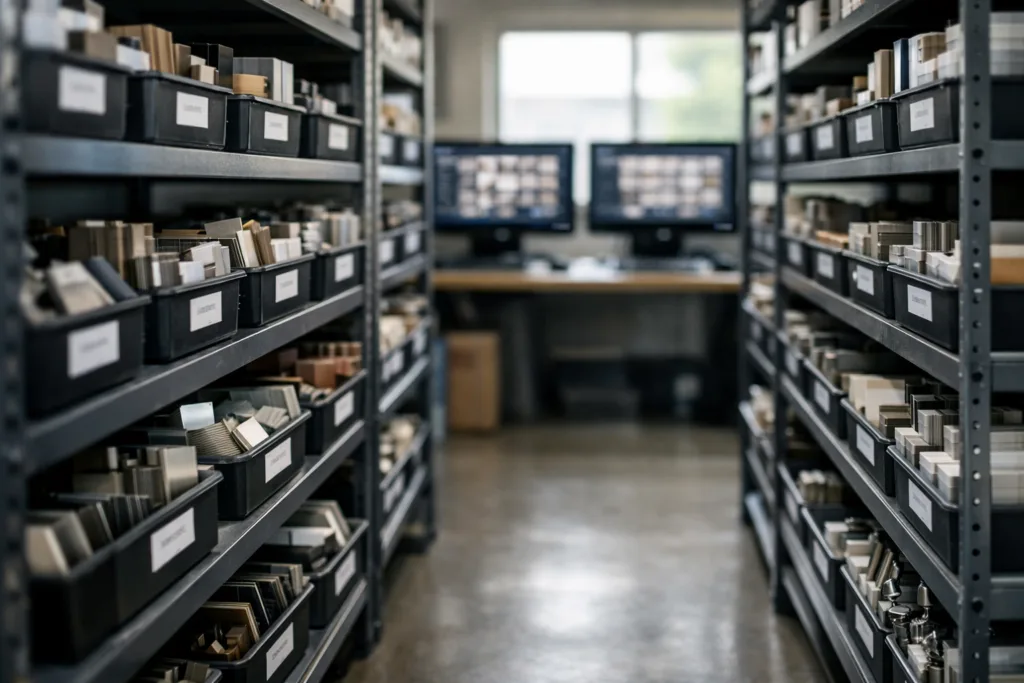
Summing up, the TOP sample final quality check is the gatekeeper between prototype promise and production reality. By systematically evaluating critical criteria, documenting findings, and integrating feedback, manufacturers safeguard their reputation and profitability.
Frequently Asked Questions
What is a TOP sample in metal manufacturing?
A TOP sample is the first unit produced using full production methods and final specifications, acting as a benchmark for the entire production run.
Why is the final quality check important before mass production?
It prevents wide-scale defects by verifying all standards are met through the first actual production units, catching issues that prototypes or pre-production samples might miss.
Which criteria are essential to review during the final check?
Review dimensions, material quality, surface finish, functionality, and safety to ensure compliance and user satisfaction.
How should findings from the final quality check be documented?
Document measurements, deviations, photographic evidence, and corrective actions digitally for traceability and training purposes.
What’s the difference between a pre-production sample and a TOP sample?
Pre-production samples test design feasibility; TOP samples validate full-scale production methods, acting as the final quality gate before mass manufacturing.
How can technical packs be updated after final check reviews?
Revise specifications, measurements, and special instructions based on final check findings to maintain consistency in future production batches.
Related Reading
- How Pre-Production Samples Set the Tone for Quality in Metal Manufacturing
- Mastering Sample Types: Proto vs. Fit in Metals
- Reducing Returns: Smart Measurement Tolerance Decisions
- The Secret to Scaling Pattern Sizes for Consistent Production
- Communicating Corrections for Flawless Factory Execution
- Top Steps for Seamlessly Updating Tech Packs After Sampling Reviews