Understanding Heavyweight Fabrics: GSM, Strength, and Usage
Heavyweight fabrics are renowned for their strength, durability, and distinctive textures, making them ideal for robust applications like jackets and workwear. In the textile industry, terms like canvas fabric, denim fabric, and corduroy have become synonymous with reliability and timeless style. But what truly defines a fabric as “heavyweight”? In this article, we’ll explore the defining characteristics, technical benchmarks, and real-world uses of these materials, providing a comprehensive guide for professionals and enthusiasts alike.
What Does “Heavyweight Fabric” Mean?
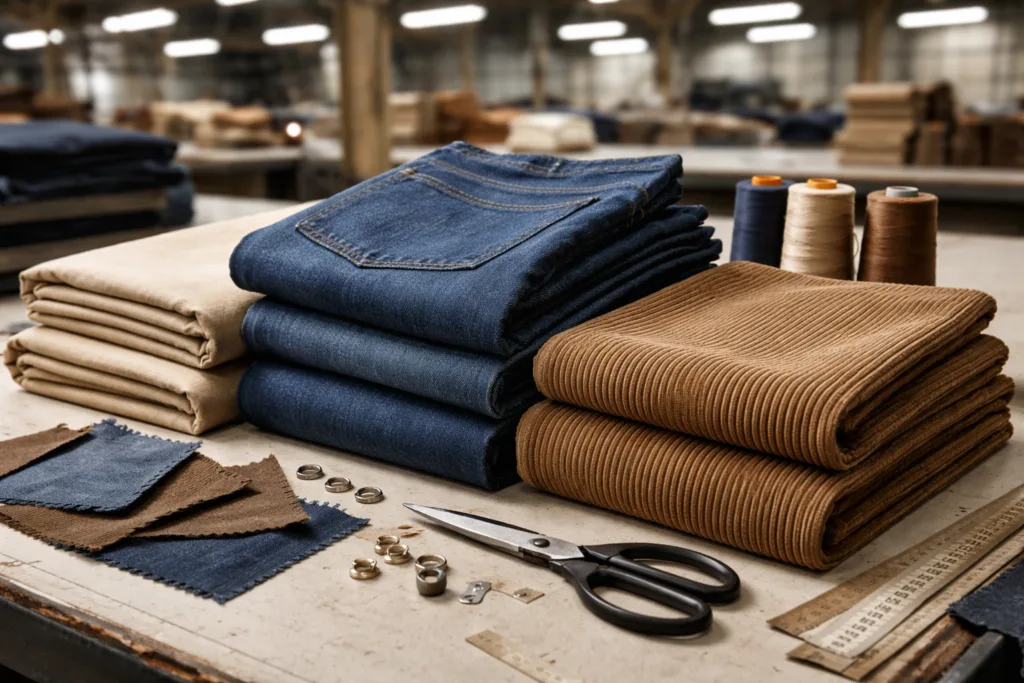
The phrase “heavyweight fabric” signifies textiles that have a high fabric mass or thickness, often measured in GSM (grams per square meter). These textiles are engineered to withstand significant wear and tear, making them perfect for functional garments and demanding environments.
The Role of GSM in Heavyweight Fabrics
GSM stands for grams per square meter, a standardized measure of fabric weight. For reference:
- Lightweight: <150 GSM (blouses, summer shirts)
- Medium weight: 150–300 GSM (casual pants, skirts)
- Heavyweight: >350 GSM (workwear, outerwear, uniforms)
This metric helps designers and manufacturers evaluate fabric suitability for specific applications.
The Importance of Thread Count and Yarn Composition
Thread count and yarn quality impact the overall heft and feel of heavyweight materials. Durable yarns like ring-spun cotton or blended synthetics are often used for industrial and apparel grades, combining comfort and resilience.
Defining Canvas Fabric: A Heavyweight Classic
Canvas fabric is typically woven from cotton or linen in a plain weave. Its dense construction and high GSM—often 400-800 GSM—makes it a staple for heavy-duty items. Canvas offers:
- Excellent abrasion resistance
- Strong water repellency (when treated)
- Incredible versatility, from bags to tents to jackets
Traditional & Technical Canvas vs. Modern Blends
Classic canvas relies on natural fibers, but today’s market also features poly-cotton or synthetic blends. These variations introduce extra stretch, colorfastness, or weatherproofing—ideal for specialized workwear and outdoor apparel.
Denim Fabric: The Icon of Heavyweight Durability
Denim fabric is instantly recognizable for its diagonal ‘twill’ weave and iconic indigo shade. Its fabric weight can range between 350-600 GSM for workwear denim. Key traits include:
- Rugged wear resistance
- Distinct “wear-in” character (aging patterns)
- Natural breathability with robust structure
Corduroy: Texture and Toughness Combined
Corduroy stands out with its ribbed ‘wale’ texture and solid fabric weight. Hefty corduroys (“wide wale”) can exceed 400 GSM, adding warmth and impact protection. It’s prized for:
- Exceptional insulation
- Velvety appearance with tactile depth
- Excellent resistance to movement and friction
Typical GSM Ranges for Heavyweight Materials
| Fabric Type | Typical GSM | Common Applications |
|---|---|---|
| Canvas | 400–800 GSM | Outdoor gear, jackets, totes |
| Denim | 350–600 GSM | Jeans, coveralls, jackets |
| Corduroy | 400–550 GSM | Work pants, outerwear, uniforms |
Why GSM Matters: Choosing the Right Fabric for Function
The higher the GSM, the thicker, more opaque, and more abrasion-resistant the fabric. This makes heavyweight options the go-to choice for protective, long-lasting garments that need to hold their shape over time.
How Durability is Tested: Industry Methods
Durability testing ensures that heavyweight fabrics can perform in demanding scenarios. Common tests include:
- Martindale Abrasion Test: Measures resistance to rubbing, tracking fabric breakdown across cycles.
- Tear Strength Test: Assesses the force needed to tear the fabric sample.
- Tensile Strength Test: Evaluates how much pulling the fabric can withstand before breaking.
These tests help manufacturers, including those referenced on Apparel Wiki, establish baselines for garment construction and end use.
Additional Qualities: Water Resistance, Breathability, and Care
Heavyweight fabrics often strike a balance between sturdiness and comfort. Modern finishing techniques give canvas and corduroy water-repellency or stain resistance, while denim’s natural fibers allow for adequate air permeability. Proper care instructions extend lifespan and preserve function.
Canvas Garment Applications: More than Totes
Canvas is a go-to for:
- Field jackets and chore coats
- Work aprons and utility vests
- Backpacks and industrial gear
This versatility is why apparel production professionals often default to canvas for rugged, customizable outerwear and accessories.
Denim Beyond Jeans: Workwear and Fashion
Denim remains foundational for:
- Traditional jeans and overalls
- Mechanic or carpenter jackets
- Protective aprons and smocks
Its unique fading and shaping over time grant denim garments a custom fit and unmatched “lived-in” feel.

Corduroy in Protective and Stylish Outerwear
Heavy-duty corduroy is commonly used in:
- Utility jackets and blazers
- Reinforced trousers and pinafores
- Children’s wear and school uniforms
Its plush wale not only cushions impact but insulates against cold—a favorite for autumn or winter capsules.
Industry Perspectives on Fabric Selection
Shop-floor experience shows that fabric weight and weave can make or break a garment’s success. Rain Chen, writing for Apparel Wiki, often points out: “When you select heavyweight fabrics for workwear, always verify GSM consistency across lots. Inconsistent canvas or denim weights can result in uneven panels or excessive waste during pattern cutting, which drives up costs and complicates QC.”
Construction Details: Seams and Reinforcement
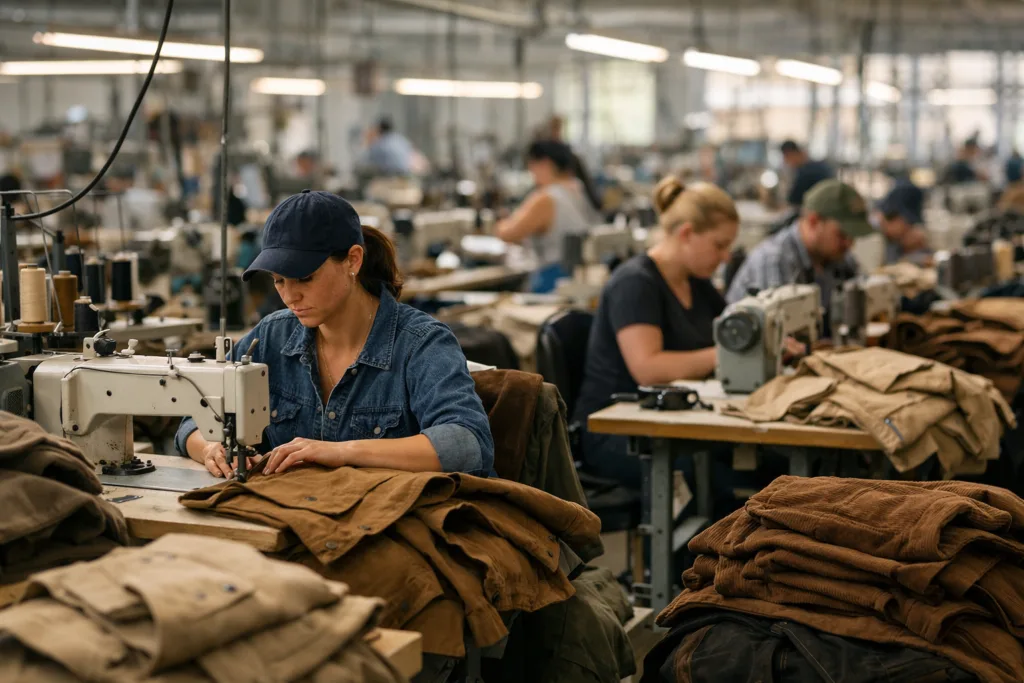
Heavy fabrics require specialized needles and threads, reinforced seams (like triple-stitching or bar tacks), and allowances for shrinkage. Manufacturers must factor in extra time for handling, cutting, and pressing during assembly to ensure shape retention and durability.
Seasonal Considerations: When to Use Heavyweight Textiles
These fabrics are best suited for cooler months or jobs requiring additional protection. Lined or quilted variants add insulation, while lighter twills or canvas versions extend wearability into transitional seasons.
Sustainability Considerations: Natural vs. Synthetic Options
While traditional heavyweight fabrics like cotton canvas and raw denim are renewable and biodegradable, modern blends may include recycled polyester or treated fibers to enhance weather resistance and lifespan—a meaningful consideration for environmentally conscious brands and buyers.
Trending: Fashion and Function Meet
Heavyweight fabrics have moved beyond workwear into mainstream fashion, thanks to their authentic style and longevity. Designers use them to create statement pieces that last season after season.
Red Flags: Common Pitfalls in Production
Working with heavy canvas, denim, or corduroy can test inexperienced teams—uneven dye uptake, seam puckering, or skipped stitches are frequent issues. Apparel Wiki advises pre-washing and careful control of feed rates to minimize defects during mass production.
Understanding Cost Drivers in Heavyweight Garments
The higher the GSM and yarn quality, the greater the material cost. Add labor for complex construction, and these garments can command premium pricing. However, buyers perceive the value through the product’s durability and lifetime use.
Heavyweight Fabrics: Canvas, Denim, Corduroy
Durable, dependable, and endlessly versatile, heavyweight fabrics continue to anchor both functional uniforms and bold, stylish outerwear. Whether you’re sourcing, designing, or simply wearing these garments, understanding their GSM, construction, and care is vital to unlocking their full potential—and appreciating why some classics never fade.
Conclusion
Heavyweight fabrics like canvas, denim, and corduroy offer unmatched durability, character, and versatility. By paying close attention to GSM, construction details, and proper care, end users and manufacturers alike can maximize garment lifespan and functionality. As trends evolve, these traditional workhorse textiles prove their worth not only in tough environments but also on runways and city streets. Making smart choices about fabric type and handling is the first step toward timeless, high-performance attire.
Frequently Asked Questions
How can I tell if a fabric is heavyweight?
Check its GSM—usually above 350 GSM marks a fabric as heavyweight. You can also rely on tactile feel: heavyweight fabrics are thicker, denser, and less flexible.
What is the best use for canvas fabric?
Canvas excels in workwear, outdoor gear, utility jackets, tote bags, and tents thanks to its unmatched abrasion resistance and strength.
How do I care for denim or corduroy garments?
Wash cold, avoid excessive heat drying, and iron inside out. For corduroy, brush the wales to keep texture raised; for denim, avoid frequent washing to retain coloration.
Are heavyweight fabrics suitable for all seasons?
Generally, these fabrics perform best in autumn and winter, or in environments needing extra protection. Lighter versions can be used during transitional weather.
What durability tests are standard in textile factories?
The Martindale abrasion, tear strength, and tensile strength tests are industry standards. They ensure the material meets key performance criteria for heavy-duty applications.
Does heavyweight fabric always mean better durability?
Not always. While higher GSM adds toughness, weave quality, fiber type, and finishing also determine long-term wear and tear resistance.