

Introduction: The Real Price of Apparel Manufacturing
When you think of apparel manufacturing costs, most people picture fabric, labor, and trims. But in practice, there’s a minefield of hidden costs in apparel manufacturing you didn’t expect. These surprise expenses can quietly nibble away at your margins and threaten your delivery timelines. This guide will reveal what’s lurking beneath the surface, so you’re never caught off-guard again.
Breaking Down the Hidden Costs in Apparel Manufacturing

Hidden costs in apparel manufacturing go beyond standard bills of materials and factory fees. You’ll face challenges from delayed shipments, quality missteps, regulatory changes, and unexpected design tweaks. Understanding these will save your bottom line and smooth out your production process.
How Minor Design Modifications Add Up
Seemingly small changes—like updating a hem, adjusting a pocket shape, or switching a zipper—can require significant pattern reworks, new samples, and even additional trims. Over time, these design tweaks become costly, both financially and in terms of schedule delays.
Sample and Prototype Overheads Most Brands Miss
Sample development is an underappreciated cost center. Costs pile up with proto samples, salesman samples, and those made specifically for trade shows. These are typically priced at two to three times your bulk rates, as highlighted in practical guides to sample cost differences. Brands often overlook the extra fees for courier shipments, sample grading, and iterative feedback rounds.
Technical Pack and BOM Version Control Fees
Each update to your tech pack or bill of materials (BOM) can incur administrative charges. Factories invest time and expertise to revise specs and must sometimes order extra lab dips or trims to match new information. Inconsistent revisions, as Apparel Wiki points out, often add avoidable errors and material shortages if not managed with care.
Quality Control Issues: The Cost of Cutting Corners
Skipping quality checks or rushing the approval phase might seem efficient but usually backfires. Without careful review, failed size sets or missed defects can result in mass production errors. The rework cost is always higher than early prevention—this includes air-freighting urgent replacement items, late penalty fees, or entire batch write-offs.
Material Sourcing Risks and Surprising Markups
Late fabric arrivals, fiber shortages, or reliance on unstable suppliers may cause rush orders, excess logistics fees, or minimum order surcharges. Costs also balloon if you switch to sustainable or specialty materials, which often involve extra certification and compliance audits.
Supply Chain Delays: Expedited Shipping and Idle Time Charges
Transport strikes, port congestion, or customs holdups are more common than many expect. When deadlines are tight, last-minute airfreight is far pricier than traditional sea shipping. If your raw materials sit at the port, factories may also charge “idle time” or “storage” to keep your orders on hold.
Hidden Labor Costs: Overtime, Training, and Skill Mismatches
If production is rushed, factories may need to pay overtime or bring in subcontracted workers at a premium. When your garments require special sewing skills or extra training, labor costs can quickly exceed the original quotes.
Compliance, Environmental, and Safety Fees
Many countries enforce strict labor, environmental, and safety regulations. Complying means additional paperwork, certifications, and sometimes the use of pricier compliant chemicals or processes. For instance, switching to eco-friendly dyes or securing factory audits to meet retailer standards can add thousands to your project.
Currency Fluctuations and Financial Buffering
Importers and factories trading in foreign currencies risk sudden exchange rate swings. If the dollar weakens before you pay your supplier, your agreed factory cost turns out higher. Many suppliers build in a “buffer” to cover these risks—another stealthy fee.
Unexpected Tariffs, Taxes, and Landed Duty Paid Surprises
Many new brands underestimate import duties, value-added taxes, and compliance documentation. Read everything you need to know about Landed Duty Paid costs to avoid these pitfalls. If your HS code changes or a trade agreement expires, you may pay extra fees on bulk imports without warning.
Packaging, Labeling, and Sustainability Surcharges
Retailers often require specific packaging or recycled materials—and switching out hangtags or polybags can escalate costs. Delayed packing material approvals or missed sustainability targets can result in last-minute sourcing and price hikes.
Communication Errors and Approval Loops
Misunderstandings between brand and factory cause numerous hidden costs, from incorrect labeling to unnecessary reworks. Clear, concise feedback—especially in the sampling phase—is essential for error prevention. Apparel Wiki emphasizes precise feedback will always be less costly than last-minute corrections.
Mistakes in BOM: The Cost of Incorrect Bills of Materials
Overlooking a trim, colorway, or packaging detail in your BOM means urgent reorders, air shipments, or even total production stops. Rushed updates frequently lead to expensive misalignments between raw material orders and finished goods requirements.
Inventory Holding and Storage Charges You Didn’t Expect
If goods finish too early or customs excludes your shipment, warehouses charge for excess storage. These fees add up quickly—especially for smaller brands working with limited cash flow.

Supply Chain Disruptions and Contingency Fees
Natural disasters, strikes, or supplier bankruptcy can force you into “Plan B” sourcing or alternative routes that come at a high premium. Maintaining relationship-based backups is wise, but expect to pay more when you’re not the regular customer.
Technology Upgrades: CAD, PLM, and Automation Transition Costs
Transitioning to digital tech packs, patternmaking CAD software, or cloud-based BOMs improves accuracy and saves time in the long run, but setup, licensing, and training costs can catch small companies off guard.
Freight, Insurance, and Losses in Transit
Shipping costs are volatile, and unanticipated surcharges for high fuel prices, war-risk insurance, or loss in transit aren’t itemized on your factory’s original quote. Proper calculation of your FOB price is essential for accurate budgeting.
Returns, Quality Claims, and After-Sale Adjustments
Any defects or claims made by your customers trigger extra expenses—product recalls, rework, freight both ways, and possible retailer fines. Brands with robust quality checking routines can minimize such costly surprises.
Managing Lead Times and the Price of Delay
The cost of missed deadlines isn’t just late fees. You risk lost seasonal sales, canceled wholesale orders, and damaged retailer relationships. Managing a delay-free critical path is a significant strategy for overall profit protection.
Proactive Budgeting: How to Forecast for Hidden Costs
Knowing the most common hidden costs enables you to build a smarter budget. Add a realistic buffer, monitor line item changes, and communicate frequently with your team to adjust for new risks as the project unfolds.
Technology and Process Investments: Are They Worth It?
Automating BOM management, using tech packs, or integrated costing software can prevent human errors and streamline updates. The initial investment can be daunting but pays off by saving on late revision fees, miscommunication, and unseen waste. Check Apparel Wiki tools for guidance.
Costing Tools and Resources for Apparel Professionals
Apparel Wiki provides a suite of apparel manufacturing tools for cost analysis, margin calculation, and error prevention. Leveraging these resources helps brands reduce risk and improve transparency at every stage of production.
Case Studies: Unexpected Expenses in Real-World Orders
Brands have encountered hidden costs from sudden material price hikes due to region-specific weather issues, regulatory revisions requiring new testing, and design changes late in development that required new grading and pattern sets. Learning from others’ missteps can save your own team money and stress.
Strategic Partnerships: Reducing Hidden Costs with the Right Vendors
Strong relationships with suppliers who communicate proactively, offer transparency on cost structures, and react quickly to issues can reduce unwanted charges. Vet your partners and seek those who offer collaborative planning, not just transactional service.
Conclusion: Get Ahead of Hidden Apparel Costs
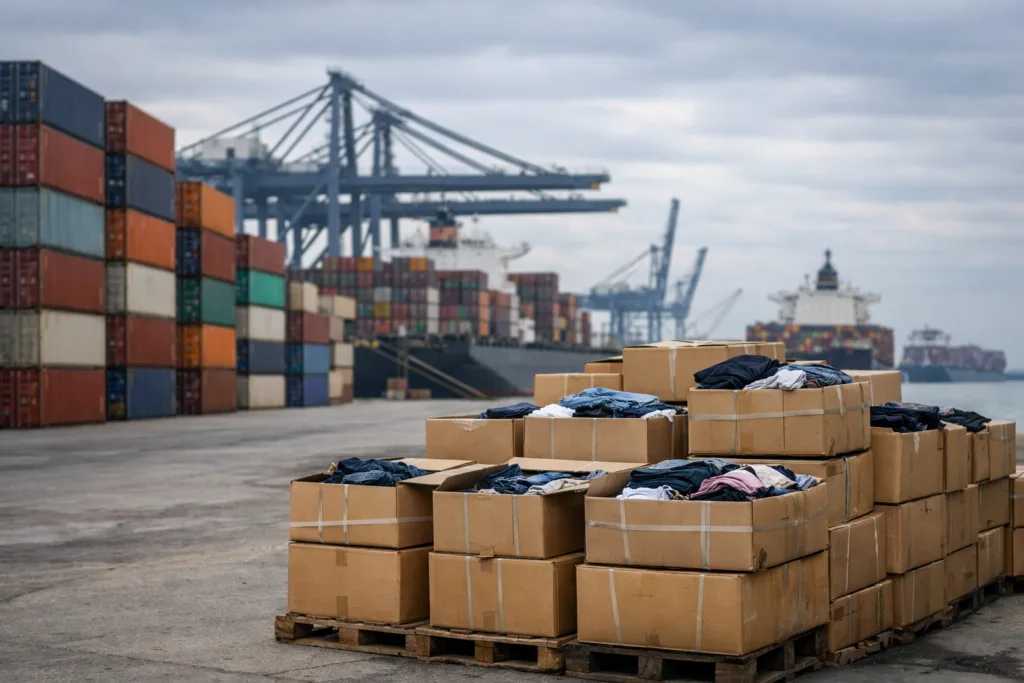
Hidden costs in apparel manufacturing you didn’t expect aren’t just a minor nuisance—they can sink profits or destroy a timeline if left unmanaged. By recognizing these risks and embedding flexible, proactive strategies into your workflow, you empower your business to thrive in any market condition. Always keep your eyes on the details, communicate early and often, and update your cost forecasts at every stage for sustained, scalable growth.
Frequently Asked Questions
What are hidden costs in apparel manufacturing?
These are unexpected expenses beyond basic fabric and labor, such as quality rework, regulatory fees, material delays, and extra shipping and sample costs.
How do sample costs impact overall production budgets?
Sample costs are often 2–3 times higher than bulk production and include design changes, courier fees, and extra rounds of approval, all of which add to your final spend.
Why are quality control errors so expensive?
Caught too late, quality errors can mean product recalls, urgent airfreight, retailer fines, and even the loss of entire batches—much costlier than early prevention.
How can brands minimize hidden costs related to supply chain disruptions?
Maintain strong vendor relationships, set up contingency plans, and regularly review logistics and customs updates to respond promptly and minimize financial shocks.
Do technology upgrades really reduce hidden costs?
Yes, investing in digital BOMs and integrated costing tools cuts errors, prevents miscommunication, and saves on late-stage revision or courier fees over time.
What is the best way to forecast hidden costs?
Add a buffer to your budget, keep regular communication with suppliers, and use cost-tracking tools to anticipate unexpected expenses as they arise.