Introduction: How Cost and Quality Shape Your Pattern Making Choice
Deciding between hiring a professional pattern maker or tackling your garment patterns yourself is a critical step in apparel development. Making the right choice can impact your production costs, quality, and overall project timeline. In this comprehensive guide on Hiring a Pattern Maker vs. DIY: Cost and Quality Analysis, you’ll find the key cost drivers, quality considerations, and practical tips to help you select the best path for your brand or next creative project. Whether you are a startup or a growing designer, the insights provided can help you minimize risk, control expenses, and achieve your quality standards.
Understanding Pattern Making: Professional vs. DIY
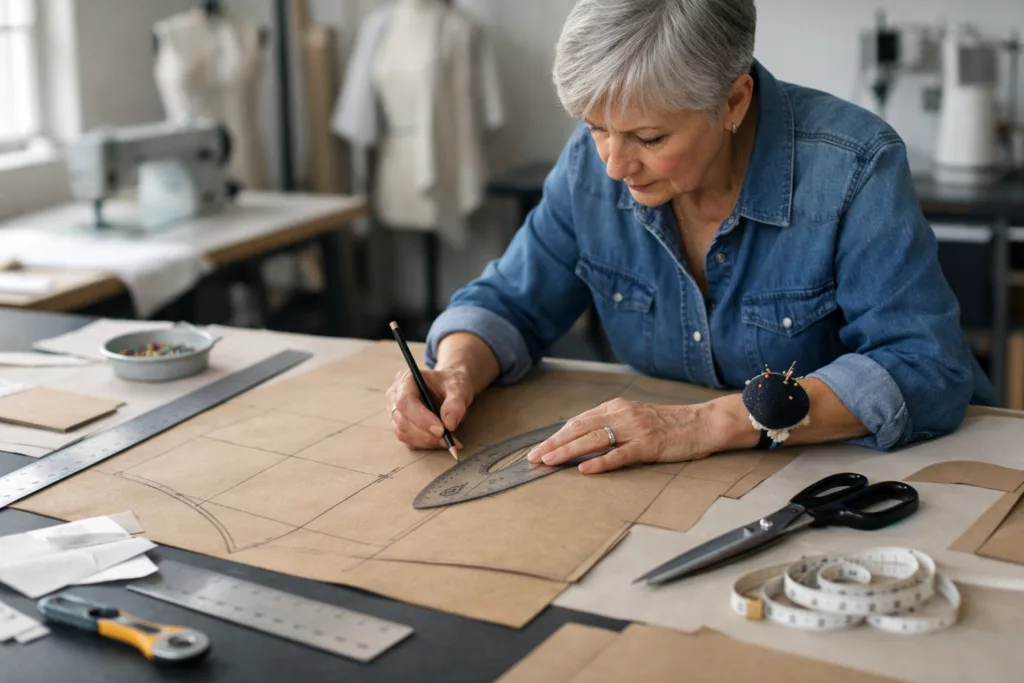
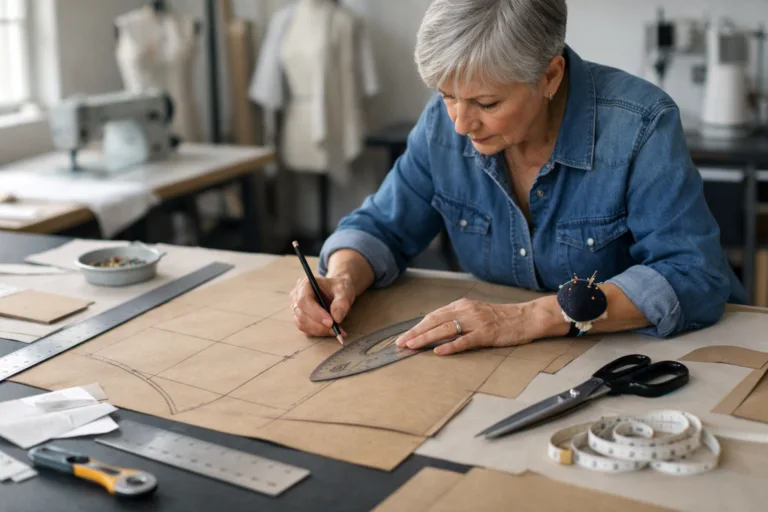
Pattern making translates a garment idea into a blueprint for construction. Professionals use advanced skills and years of experience, while the DIY approach relies on self-learning, online tutorials, or commercial patterns. The differences influence material waste, ease of corrections, and manufacturing success.
Key Cost Factors in Pattern Making
Every pattern-making decision involves costs that are often overlooked at the start. Common cost factors include:
- Labor and expertise (professional fees or your own time)
- Pattern-making tools and materials
- Software subscriptions for digital patterns
- Prototype/sample iterations
- Error correction and rework
Hiring a Pattern Maker: The Professional Edge
Professional pattern makers bring specialized knowledge to the table. Their experience translates into patterns that fit, function, and scale reliably. This reduces the need for multiple costly revisions and speeds up the manufacturing cycle.
What Does a Professional Pattern Maker Do?
Professionals interpret sketches or tech packs, create master blocks or slopers, manage grading rules for sizing, and ensure patterns are factory-ready. They use specialized software like Gerber or Lectra for digital pattern making and can handle industry standards that prevent costly production issues.
Common Fee Structures for Pattern Makers
Expect payment models such as:
- Hourly rates (commonly $40–$100+ per hour, depending on region and experience)
- Flat rates per project or pattern (often $150–$600 per style, based on complexity)
Rush fees, revisions, or grading for multiple sizes may be extra. Always request a detailed quote.
DIY Pattern Making: A Cost-Saving or Risk?
DIY pattern making appeals to cost-conscious startups or hobbyists. However, the reality involves a significant investment in time, trial-and-error, and sometimes unexpected expenses due to errors or fit problems that arise later in production.
Tools, Software, and Hidden Costs
Expenses for DIY often include:
- Paper, rulers, French curves, and pattern notcher
- Sewing machine and fabric for mock-ups
- Pattern software fees (if working digitally)
- Time spent learning and making corrections
Skill Development Required
Developing strong pattern skills can take years. Apparel Wiki notes that beginners tend to overlook essential concepts like seam allowances, ease, and grain lines, which can impact both pattern quality and garment fit.
Quality Analysis: Pattern Maker vs. DIY
How does the quality of professional-made versus DIY patterns compare?
| Aspect | Pattern Maker | DIY |
|---|---|---|
| First-time Accuracy | High | Low to moderate |
| Consistency | Very reliable across styles | Inconsistent, can vary by project |
| Fit and Function | Precisely engineered, scalable | Often requires multiple tweaks |
| Error Rate | Low | Higher, may increase cost over time |
| Production Readiness | Factory-ready | Often needs review/rework |
Case Study: Startup Brand’s Pattern Making Journey
Consider a new streetwear brand. Their founder invested 80 hours learning pattern-making basics to save on costs. Initial patterns required four rounds of corrections during sampling, resulting in three months of delays and additional materials. The brand switched to a professional maker for the next launch—delivering production-ready patterns in two weeks and reducing fabric waste by 25%.
Common Quality Issues from DIY Patterns
Typical pitfalls when creating your own patterns include:
- Asymmetric sleeves
- Poor-fitting necklines or waistlines
- Incorrect seam allowances
- Grainline and notch mistakes
These can lead to production mistakes, increased sampling, and ultimately higher costs. Learning the industry’s seam allowance standards can reduce these risks.
When to Consider a Professional Pattern Maker
You’ll benefit from hiring a specialist if:
- Your garment has a unique or complex silhouette
- You plan to grade (create multiple sizes) for production
- Fit precision impacts brand reputation or cost (e.g., tailored garments, sportswear)
- Deadlines are tight and re-dos are risky
When DIY Pattern Making Makes Sense
DIY is viable when:
- Budget is limited and risk is acceptable
- Small batches or one-offs are your focus
- You value learning and iterative design
- Prototypes are for in-house use or testing only
Cost Breakdown Comparison Table
| Factor | Pattern Maker | DIY |
|---|---|---|
| Upfront Cost | Higher per style | Lower, but time-consuming |
| Time Required | Quick turnaround | Slow, with learning curve |
| Quality | Industry standard | Varies, often lower |
| Error Correction | Less frequent, faster resolution | Frequent, can delay project |
| Long-Term Savings | Fewer costly mistakes | Potential for error-related expenses |
Sample Iterations: The Hidden Timeline Cost
Pattern mistakes reveal themselves during prototype and sampling. More errors or fit issues mean more rounds, which multiply costs quickly. Professional patterns reduce these iterations.
Software and Technology in Pattern Making
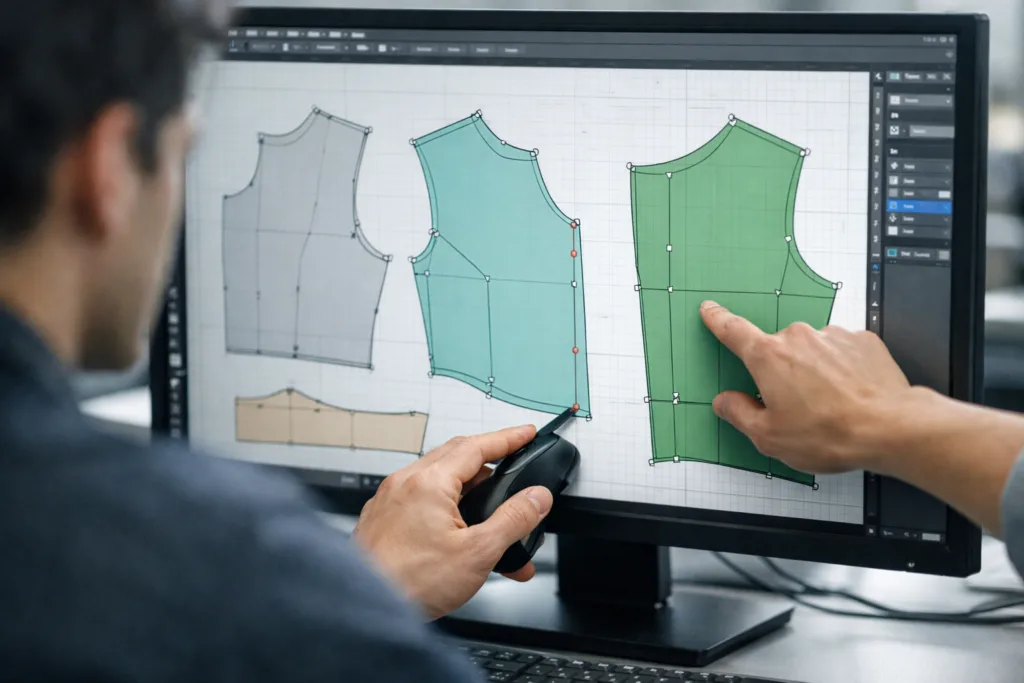
Digital pattern making tools such as Gerber, Lectra, and CLO3D are widely used by professionals. They come with steep learning curves and license costs, but their precise output streamlines factory communication and revisions. Read more about how digital pattern making is transforming the industry.
Pattern Making and Production Delays
Poor patterns—often from rushed DIY efforts—can cause production delays, adding to overall costs. Updating patterns after samples, remaking tech packs, and factory confusion can exaggerate lead times.
Impact of Pattern Quality on Manufacturing
High-quality, precise patterns mean factories can move faster and with fewer mistakes. This reduces sampling, wasted materials, and unexpected errors on the sewing floor. In contrast, ambiguous or incorrect DIY patterns can cause bottlenecks or misinterpretations.
The Role of Grading and Fit Consistency
Professionals understand grading—how to scale patterns for different sizes—avoiding fit anomalies. DIY grading, unless done carefully, can result in odd fits or out-of-proportion styles. Investing in proper grading rules is crucial.
Quality Control Checks for Patterns
Quality control (QC) ensures each pattern meets specifications. Professionals double-check seam allowances, notching, and grainlines. Familiarizing yourself with how to measure a garment properly can help DIYers minimize common pattern errors.
Examples of Costly Pattern Mistakes
Misaligned notches, uneven hems, and missing balance marks have all led brands to remake entire batches or face costly remakes. Understanding pattern balance and garment proportion can help you avoid disastrous results.
Collaborating With a Pattern Maker: What to Expect
Professionals often need detailed tech packs, clear design intent, and strong communication to deliver the best results. Using digital tech packs can optimize this process and ensure changes are tracked and understood by all parties.
DIY Pattern Making: Essential Resources and Learning Curve
Success in DIY pattern making relies on ongoing learning, practice, and tapping into resources, both online and print. Even then, expect errors and learning moments—especially when moving from simple to complex construction methods.
Mitigating Risks: Hybrid Approaches
A hybrid approach (DIY for prototyping, pro for final production) can provide a balance. Many brands iterate designs internally but hire pros to perfect and grade production-ready versions.
Apparel Wiki’s Decision-Maker Checklist
When advising new brands, Apparel Wiki suggests evaluating:
- How critical is fit and finish to your brand?
- Can you afford multiple corrections/time lost?
- Will you need to scale quickly or stay limited-run?
- What are your budget and expertise constraints?
Hiring a Pattern Maker vs. DIY: Cost and Quality Analysis
Choosing between hiring a pattern maker or doing it yourself ultimately comes down to balancing cost, time, quality, and business goals. While professionals bring expertise, reliability, and speed, DIY offers flexibility and cost savings if you’re prepared for a learning journey. For most growing brands, the peace of mind and final product consistency often justify the investment in professional pattern making. Still, a careful analysis using the tables and decision checklists above can help you make the right choice for each project stage.
Conclusion: Navigating Your Pattern Making Future
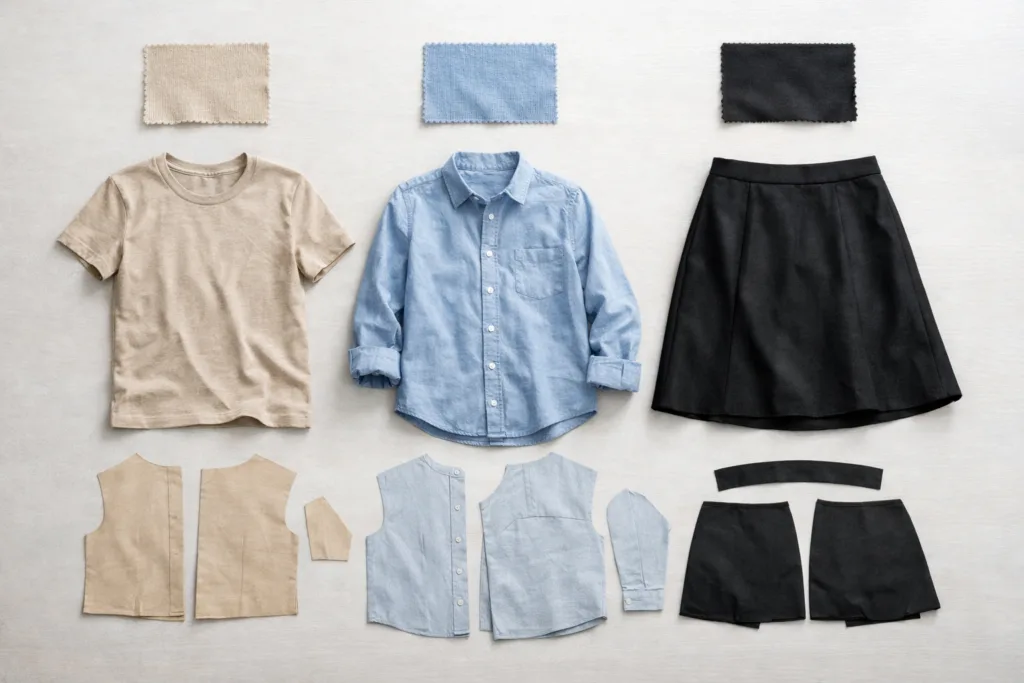
Investing in the right pattern-making method will define your apparel’s quality, market timing, and total cost. Carefully weigh the tangible and hidden factors covered in this article before deciding. Saving on patterns up front may result in higher costs down the road, while professional expertise can unlock new levels of product sophistication and ease of manufacturing. With knowledge and strategic planning, you’ll secure the best foundation for your creative vision—on time and on budget.
Frequently Asked Questions
How much does it cost to hire a professional pattern maker?
Professional pattern makers charge anywhere from $150 to $600 per style for basic patterns, and more for complex or multi-size grading. Hourly rates are typically $40–$100+, depending on experience and region.
Can I start with DIY patterns and later hire a professional?
Yes. Many brands start DIY for prototypes to control costs, then turn to professionals for production-ready patterns as scale and fit precision become more important.
What are the most common mistakes in DIY patterns?
Common errors include missing or incorrect seam allowances, poor grading for sizes, off-grain cutting, and asymmetric pattern pieces, all leading to fit and construction issues.
How does pattern quality affect manufacturing costs?
Poor-quality patterns often lead to increased sample rounds, delayed timelines, wasted materials, and higher overall production expenses due to error correction.
Do I need special software to make digital patterns?
Digital pattern making is much easier with professional software like Gerber, Lectra, or CLO3D, but these require investment and training. Paper patterns are a viable alternative for simpler needs.
What should I prepare before hiring a pattern maker?
Have clear design sketches, fabric information, target measurements, and a tech pack if possible. Good preparation improves accuracy, communication, and turnaround time.
Related Reading
- Master Essential Seam Allowance Standards for Superior Patterns
- How Top CAD Tools Revolutionize Pattern Making
- Perfect Every Fit: Garment Measurement Keys Explained
- Unlocking Pattern Balance for Consistent Garment Proportion
- Flat Pattern vs. Draping: Which Method Empowers Your Design?
- Smarter Manufacturing: The Power of Digital Tech Packs