Introduction: Why Pattern Corrections Matter
In the apparel industry, seamless collaboration between brands and factories hinges on effective communication—especially regarding pattern corrections. Mistakes made or overlooked during this stage can have lasting impacts on fit, quality, and brand reputation. This article delves into how to communicate pattern corrections to your factory, strengthening clarity and collaboration to ensure that each garment meets your expectations and market demands.
Understanding Pattern Corrections
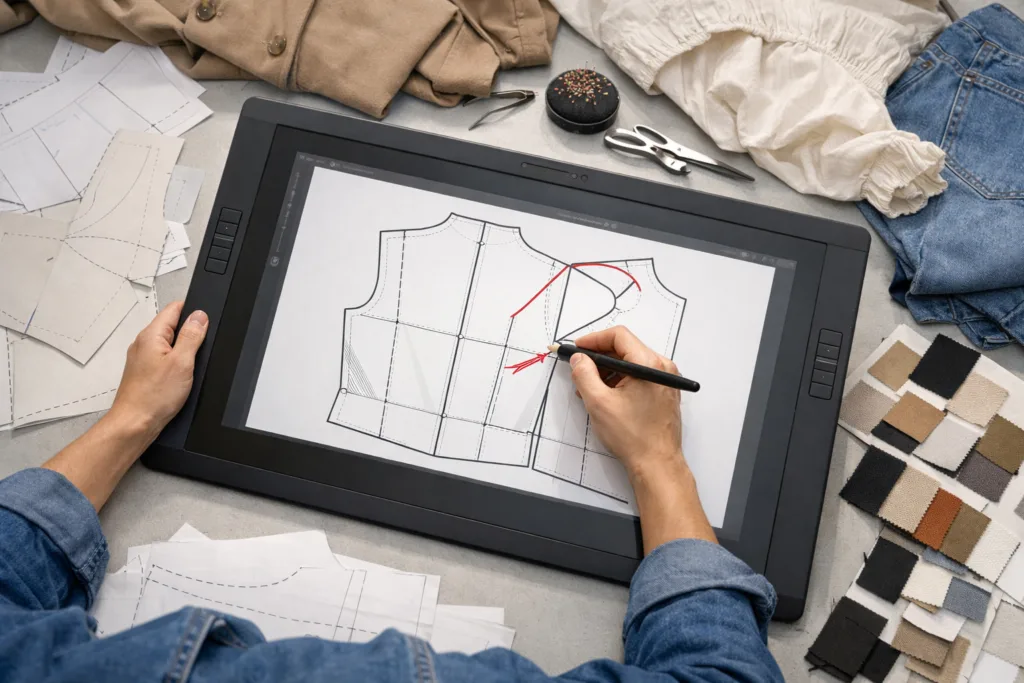
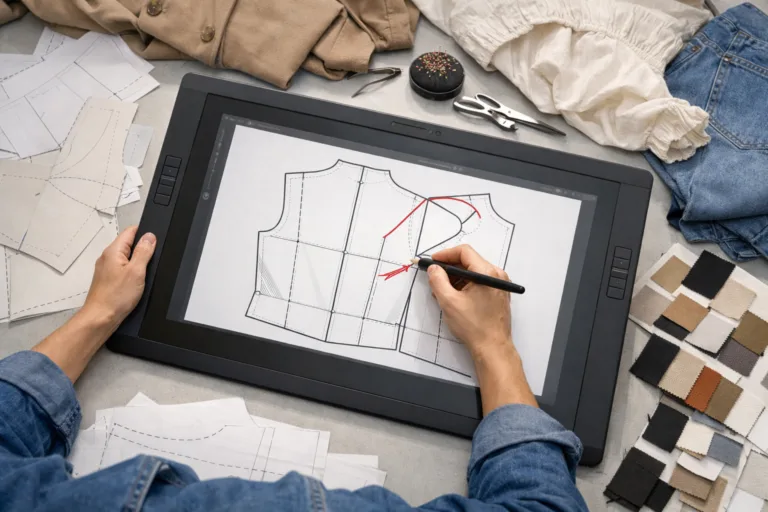
Pattern corrections refer to modifications made to garment blueprints after initial sampling or production trials. These changes are crucial for refining fit, improving construction, and resolving issues that may arise from the original design. Documenting and communicating these corrections clearly prevents costly production errors, delays, and material waste.
Common Types of Pattern Corrections
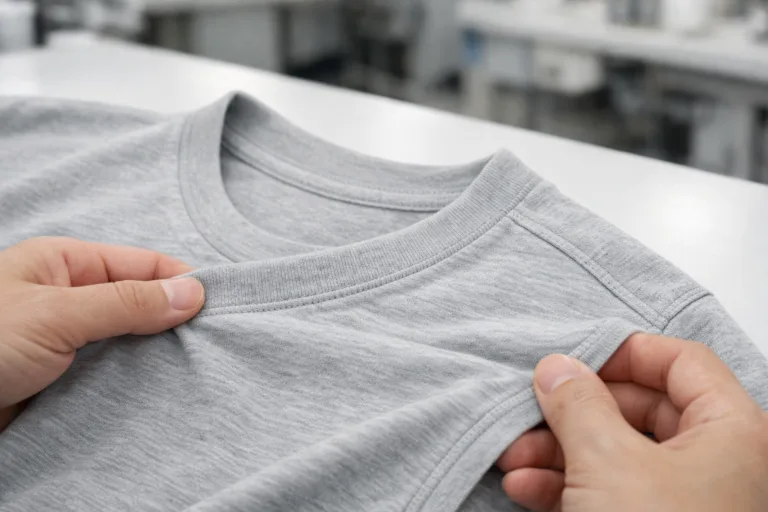
Some frequent pattern corrections include adjusting seam allowances, revising grain lines, reshaping necklines, or correcting sleeve asymmetry. Addressing these early ensures a smoother production process. For example, apparel brands that carefully check pattern balance and proportion often face fewer fit challenges downstream.
The Cost of Miscommunication
A minor misunderstanding in conveying corrections can lead to incorrect cutting, inconsistent sizing, or unsellable inventory. Factories may interpret ambiguous notes based on their local standards, resulting in garments that deviate from your vision. This is why factories and brands must speak the same technical language and standardize feedback where possible.
Pattern Corrections, Effective Communication
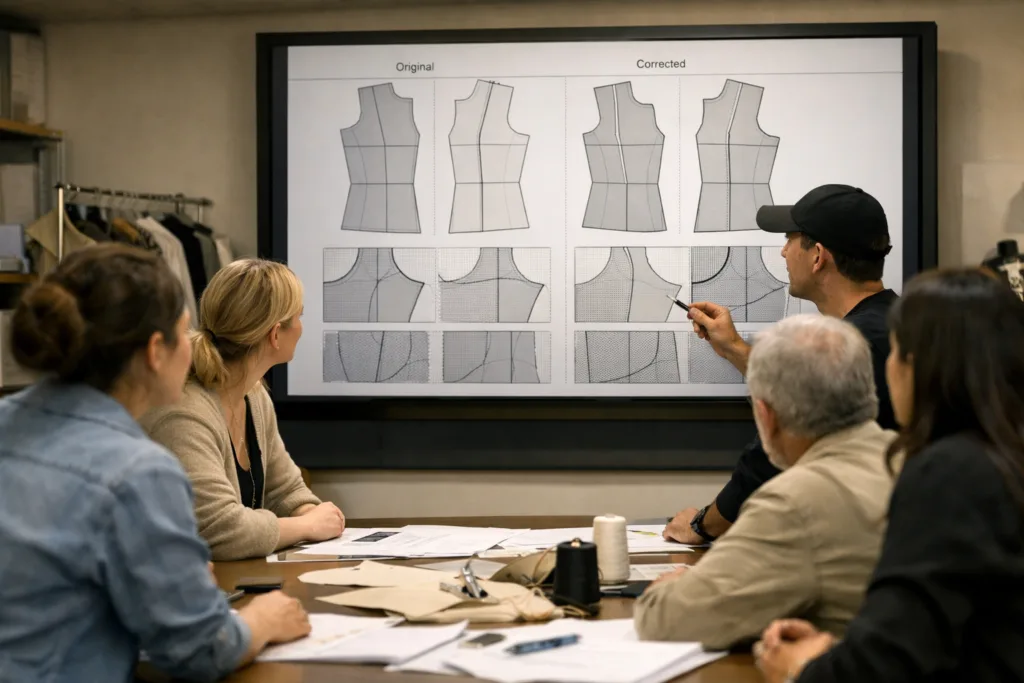
To achieve pattern corrections, effective communication should prioritize clarity, brevity, and mutual understanding. Utilize annotated visuals, standard terms, and unambiguous language. Confirm that your corrections are received and interpreted accurately by requesting samples or digital confirmations before bulk production.
Establishing Standard Terminology
Standard industry terminology ensures corrections mean the same thing to both parties. For example, terms like ‘seam allowance,’ ‘balance line,’ and ‘notch’ should be clearly defined in your tech pack or visual reference. Consistency prevents confusion, especially if teams change or tasks are delegated within the factory.
The Role of Visual Aids in Communication
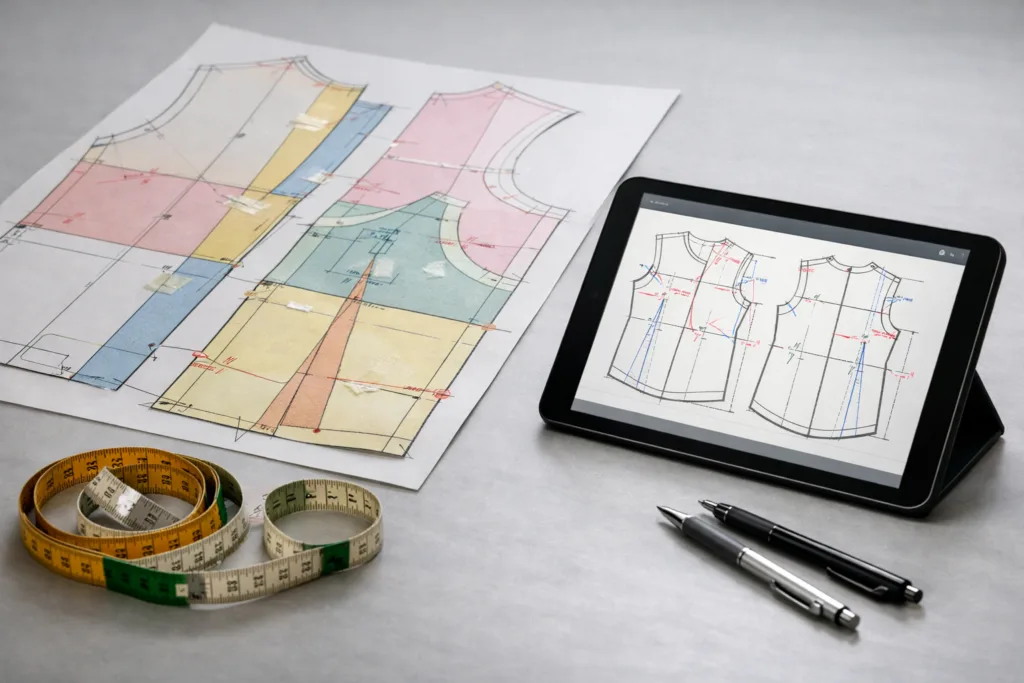
Clear sketches, diagrams, photos, or digital pattern overlays make abstract corrections tangible. Factories can better execute corrections when they see redlined PDFs or photos annotated with arrows and text. Visual communication bridges language barriers and reduces the risk of errors. For an in-depth guide on using pattern symbols and notches, refer to The Ultimate Guide to Sewing Pattern Symbols.
Leveraging Digital Tools for Precision
Software like CLO3D, Gerber, or Lectra allows real-time pattern visualization and precise communication. Sharing editable files with tracked changes or layer comments helps factories understand complex corrections without back-and-forth emails. For transformation insights, see Digital Pattern Making with CAD Systems.
How to Annotate Your Corrections Properly
When marking up a pattern, use straightforward pointers: color-code changes, highlight measurements, and label each correction with its purpose. Attach a summary sheet listing each correction in order of importance. This roadmap helps technicians prioritize critical adjustments versus minor tweaks.
Writing Clear and Actionable Comments
Avoid vague instructions like ‘improve fit’ or ‘make bigger.’ Instead, specify actions and quantify corrections: ‘Add 1cm ease at side seam for size M’ or ‘Shorten sleeve cap by 0.5cm.’ Direct language minimizes interpretation errors. Learn more techniques from Clear Factory Communication: 18 Game-Changing Techniques for Writing Comments and Callouts.
The Importance of Feedback and Confirmation
After submitting corrections, always ask for feedback and digital or physical confirmation. For instance, request a photo of the corrected pattern, a short video showing the adjustment, or a digital screenshot. This loop ensures alignment before the next sampling round.
Sample Comments and Visual Callouts
- “Move shoulder seam forward by 0.7 cm—all sizes. See red outline on pattern PDF.”
- “Increase armhole circumference for size L by 1.2 cm. Reference measurement chart updates attached.”
- “Align grain line parallel to center front. Photo attached for clarification.”
Documenting Corrections in the Tech Pack
Update your tech pack whenever you communicate pattern corrections. A well-maintained tech pack acts as the factory’s single source of truth, minimizing information gaps and production errors. For steps to update after sampling reviews, refer to 10 Critical Steps for Seamlessly Updating Your Tech Pack After Sampling Reviews.
Collaboration Tips for Working with Factory Teams
Build mutual respect by treating factory technicians as collaborators, not just executors. Invite their input on feasibility and offer explanations for design changes. Open dialogue fosters understanding and more accurate results.
Overcoming Language and Cultural Barriers
Translating correction notes or using visual references can prevent mistakes from language differences. Employ bilingual team members or liaison agents when needed, and be mindful of cultural approaches to hierarchy and feedback.
When to Use Comparison Tables
For multifaceted corrections—such as grading rules across sizes or changes to multiple components—a comparison table clarifies adjustments. Below is a sample table format:
| Pattern Piece | Original Spec | Corrected Spec | Comments |
|---|---|---|---|
| Front Body Length | 60.0 cm | 61.0 cm | Increase for improved fit |
| Sleeve Opening | 18.0 cm | 17.5 cm | Reduce gaping |
Key Traits of Effective Factory Communication
- Clarity: Avoid ambiguity in instructions
- Consistency: Use repeatable formats and terminology
- Promptness: Address issues proactively before production runs
- Documentation: Archive all corrections for traceability
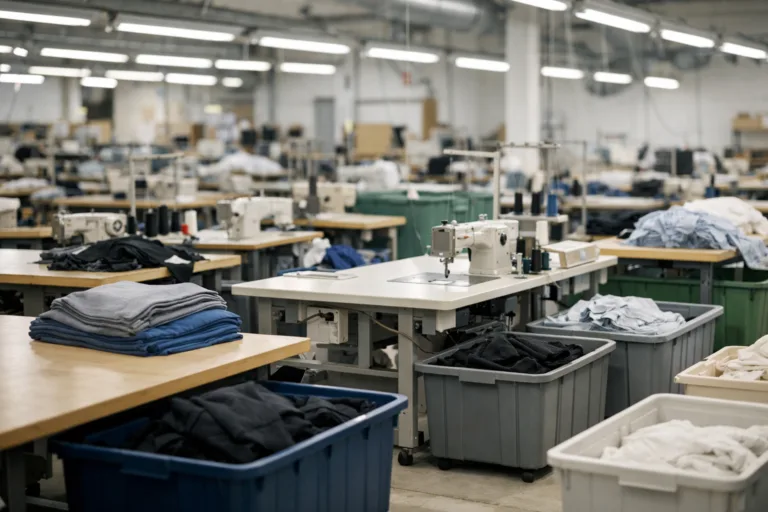
Understanding Factory Constraints and Capabilities
Factories face limitations such as machine types, technician expertise, or minimum order quantities. Factor these into your requests and encourage staff to signal if proposed changes are impossible or will affect cost/timeline.
Creating a Correction Log and Revision History
A correction log tracks all changes, responsible parties, and dates. This historical record is invaluable during disputes or for revisiting previous decisions. Many brands integrate correction logs directly into their tech packs for traceability.
Building Trust for Long-Term Success
Successful pattern correction communication is not a one-off project but a relationship-building process. Consistent feedback, transparency, and appreciation cultivate a partnership where both brand and factory teams proactively solve issues together.
Top Pitfalls to Avoid in Pattern Communication
- Relying only on email text with no visuals
- Omitting correction details from tech packs or master documentation
- Failing to confirm execution of critical changes before bulk production
- Underestimating the value of feedback from factory technicians
Case Study: Addressing Sleeve Asymmetry
An emerging brand noticed consistent sleeve length discrepancies in sampled garments. By clarifying the correction with annotated images, measurement charts, and direct calls with the factory, the issue was resolved in one sampling round. For more, see Why are the left and right sleeves different lengths?.
Integrating Digital Tech Packs for Streamlined Updates
Cloud-based tech pack solutions allow brands and factories to collaborate in real time. Edits, comments, and corrections are instantly traceable, reducing misalignment across teams. To learn about the advantages in detail, check out 7 Ways Digital Tech Packs Are Transforming Fashion Manufacturing.
Achieving Continuous Improvement Through Feedback Loops
After each production round, invite factory feedback on the correction process and clarity. Use their suggestions to iteratively refine communication tools, templates, and processes, boosting efficiency for future collections.
The Apparel Wiki Perspective on Best Practices
Apparel Wiki recommends that brands treat pattern correction as an ongoing, collaborative dialogue. Combining standardized language, annotated visuals, and diligent logging not only prevents costly mistakes but also cements industry partnerships built on mutual understanding.
How to Communicate Pattern Corrections to Your Factory.
To summarize, communicate pattern corrections clearly by combining precise instructions, visuals, and standardized documentation. Give context whenever a correction changes intended fit or construction, remain open to factory feedback, and always confirm implementation before moving into full-scale production. This best-practice approach safeguards your creative vision and paves the way for high-quality garments delivered on time.
Conclusion: Delivering Consistent Results
Mastering pattern correction communication isn’t optional in apparel manufacturing—it’s the cornerstone of reliable, high-quality production. By prioritizing clarity, visual aids, real-time confirmation, and collaborative logging, you dramatically reduce risk and improve outcomes. Build relationships, not just instructions, and make every correction count toward a better finished product.
Frequently Asked Questions
What is the best way to send pattern corrections to a factory?
Combine annotated visuals with clear, measurable instructions and update your tech pack to ensure nothing is missed and all parties understand the corrections.
How can you avoid miscommunication when making pattern corrections?
Use standardized terminology, visual aids, feedback loops, and confirm execution with digital or physical samples before bulk production begins.
Why is it important to use visuals when explaining corrections?
Visuals make complex corrections clear, bridge language barriers, and reduce chances of misinterpretation by factory technicians.
How often should you update your tech pack after corrections?
Every significant pattern correction should be documented and reflected in the tech pack to provide an up-to-date reference for all parties involved.
What should you do if a factory doesn’t understand your correction?
Clarify the instructions with additional visuals, provide concrete examples, and encourage open questions to reach a shared understanding.
Why is building a collaborative relationship with the factory important?
Collaboration ensures both parties are invested in success, leading to faster problem-solving, fewer errors, and improved quality over time.