What Is a Bill of Materials (BOM) in Apparel?
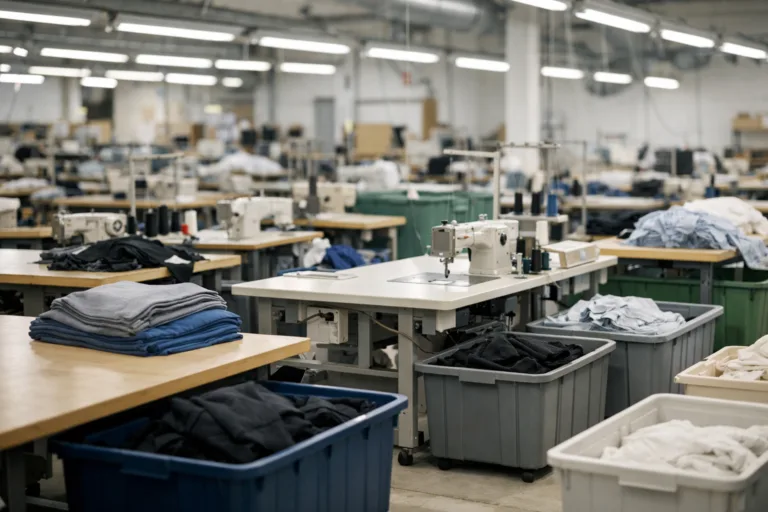
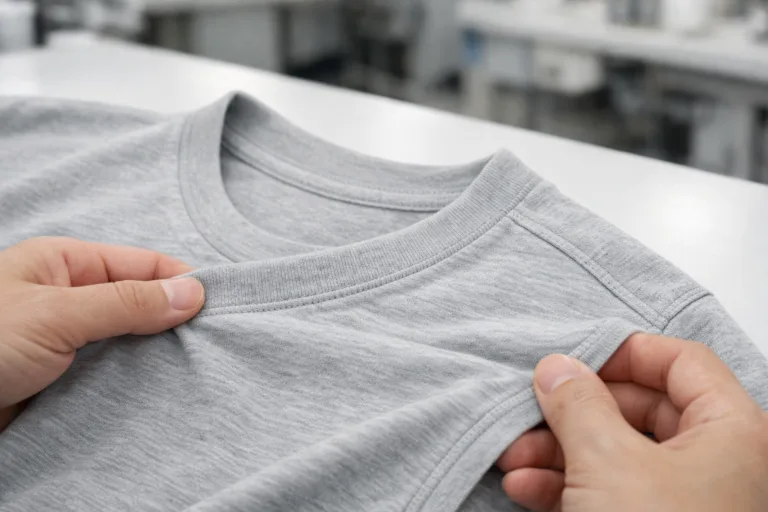
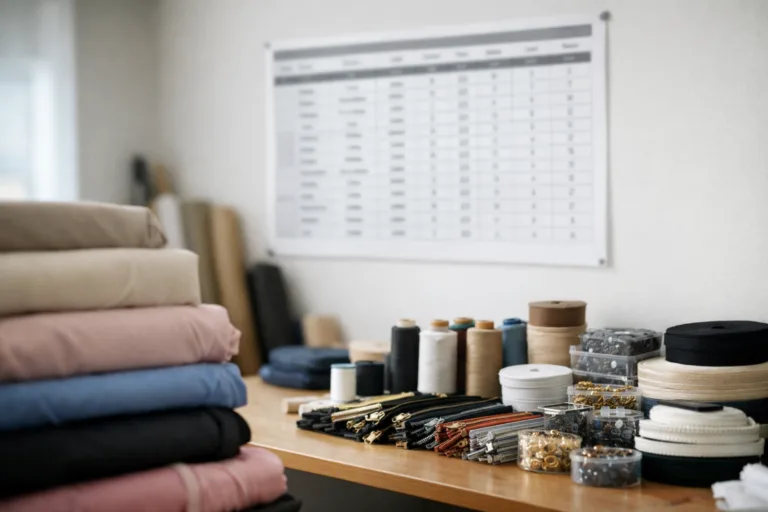
A Bill of Materials (BOM) is a comprehensive list detailing every component required to create a garment. From fabrics and trims to labels and fasteners, a BOM provides clear documentation essential for both production accuracy and cost management. In apparel manufacturing, an accurate BOM ensures teams speak the same language—leading to fewer mistakes and smoother workflows.
Why a Detailed BOM Matters in Garment Manufacturing
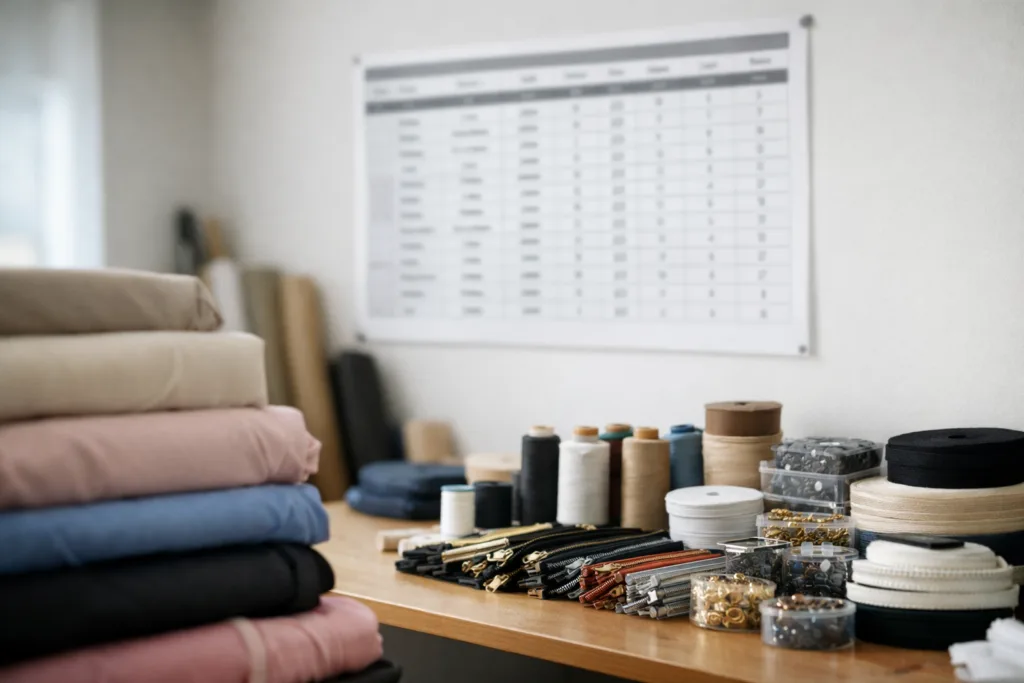
Maintaining a complete BOM does more than list what goes into a garment. It aligns design, sourcing, costing, and production teams, avoiding confusion and unnecessary delays. Without a well-structured BOM, apparel brands risk production errors, missed deadlines, and overblown costs.
Core Elements of an Apparel BOM
Each apparel BOM should include:
- Fabrics – Main body and contrast materials.
- Trims – Buttons, zippers, elastics, drawcords.
- Labels – Brand, size, care, and country-of-origin tags.
- Thread – Stitching colors, thickness, and type.
- Packaging – Polybags, hangtags, cartons.
- Other Materials – Any additional hardware or specialized finishes.
How to Create a Bill of Materials (BOM) for Apparel
Follow these steps for an effective BOM:
Gather Your Tech Pack Details First
A tech pack is the blueprint of your apparel product and will serve as the starting point. If you need help with creating a tech pack, check out this step-by-step tech pack guide.
Identify All Fabrics and Materials
List every fabric—main body, contrast, liner—along with fiber content, supplier, and color codes.
Document Trims, Notions, and Small Parts
Include everything from zippers to snaps. Specify sizes, placement, quantities per garment, and any custom requirements.
Catalog Labels and Tags
Identify the types of labels (main, care, size, etc.), their placement, and sourcing information.
Include All Thread Types and Colors
Even these small materials can impact cost and manufacturing quality.
Cover Packaging Requirements
Specify polybags, hangtags, inner and master cartons, and size of stickers or barcodes.
Specify Quantities per Garment
List exact quantities of each material needed for one finished unit. For example, “five buttons per shirt” or “150cm elastic per waistband.”
Add Supplier Information and Codes
List reliable suppliers, material codes, and lead times, making reordering and troubleshooting easier. For strategies to stay on schedule, consider delay-busting production tactics.
BOM Structure: Templates and Formats
Standard BOMs are typically structured as tables with columns such as Item Category, Description, Supplier, Color, Code, Unit, Quantity, and Cost. Some brands add columns for lead times, QC requirements, or sustainability notes to enhance clarity.
Example of a BOM Table Format
| Item | Category | Description | Supplier | Color/Code | Unit | Qty |
|---|---|---|---|---|---|---|
| Main Fabric | Fabric | 100% Cotton Jersey | ABC Textiles | Navy / 456 | Yard | 1.4 |
| Button | Trim | Resin, 4-hole, 9mm | ButtonCo | Black / B003 | Piece | 5 |
Best Practices for Building an Effective BOM
- Update your BOM as you adjust designs.
- Add clear images or sketches for each item where possible.
- Confirm all codes and supplier names before issuing to factories.
- Cross-check BOMs during initial sample reviews—see this designer’s review checklist for tips.
Common BOM Mistakes (and How to Avoid Them)
- Omitting small items, like labels or specialty threads.
- Incorrectly estimating fabric consumption.
- Using supplier or color codes that change mid-season.
- Neglecting to update BOMs as designs or trims evolve.
How BOMs Improve Apparel Supply Chain Communication
BOMs keep all departments—design, sourcing, costing, and QC—on the same page. Clear documentation minimizes errors and delays, improving operational efficiency even when teams are spread across time zones and cultures. Apparel Wiki notes that aligning on the BOM before mass production reduces quality issues and costly fixes down the line.
Integrating BOMs with Production Planning
You should link your BOM directly to your production and costing plans. By maintaining live BOM documents accessible by all stakeholders, you will catch discrepancies early and avoid material shortages or over-ordering. For workflow advice, see this practical resource on apparel manufacturing tools.
Updating and Version Control: Keeping BOMs Current
Always create a new BOM version when changing design, trim, or fabric. Set a process for approval and distribution—this is vital in fast fashion or when multiple factories handle one style. Use unique file names and date all versions clearly.
Supplier Communication: Sharing the Right Details
Suppliers need BOMs to prepare accurate quotes and source materials. Attach the BOM to every purchase order and sample request, specifying the tolerance for substitutions or alternatives as needed. For more on communicating with factories, see clear comment and callout strategies.
Costing and Margin Management with BOMs
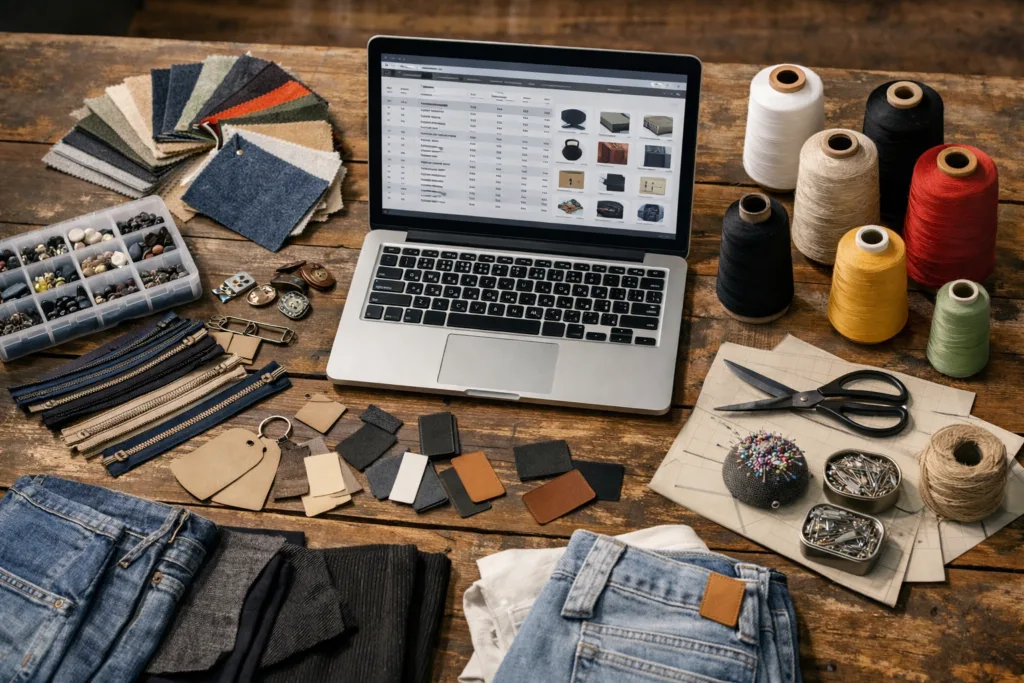
BOMs are integral to cost analysis. Break down each material’s cost per unit, and tally the total for an accurate landed cost. This helps when negotiating prices or optimizing your product mix for higher margins.
BOMs and Sample Development: Prototyping Made Easy
When you create prototypes, share the BOM with sample rooms to ensure each test garment uses correct components. For detailed sample workflows, reference the stages of apparel sampling.
BOMs and Production Quality Assurance
BOMs support QC teams during incoming inspection—they know exactly which materials to check and reject. Cross referencing with BOMs reduces off-spec products and returns.
Digital vs. Manual BOM Management
Small brands may start with spreadsheets, but as operations scale, digital platforms streamline updates, collaboration, and archival retrieval. Evaluate solutions based on your company’s volume, product lines, and staff skills.
Frequently Used BOM Software in Apparel
Popular software for apparel BOMs includes PLM systems, dedicated BOM apps, and Excel templates. Assess features such as cloud syncing, image embedding, and integration with ERP or costing modules.
Factoring Size and Color Variations
Create separate BOMs for each size/color combination or indicate differences in one master BOM. For scale-ups, pay attention to how size variations alter material consumption.
Why Accurate Quantities Are Essential
Errors in quantity per garment ripple across the supply chain, leading to shortages or waste. Always confirm with sample room tests, and use real-world measurements instead of estimates whenever possible.
Who Maintains the BOM—and When?
Designers, product developers, or technical developers typically own the BOM in early stages. Once approved, the BOM is handed off to sourcing, costing, and manufacturing teams. Appoint one owner to prevent version confusion.
BOMs for Sustainability and Compliance Tracking
For eco-conscious or regulated brands, include country of origin, certifications (like GOTS or OEKO-TEX), and supplier environmental credentials. This ensures compliance from the start, not as an afterthought.
Tips for First-Time BOM Creators
- Start with a proven template and adapt as you learn.
- Cross-check every step against your actual sample and production notes.
- Ask your supplier or sample room to review the BOM before bulk production.
How to Create a Bill of Materials (BOM) for Apparel: Section Summary
To make an accurate BOM for apparel, start with your complete tech pack and identify every material your design requires. Document item names, details, quantities per unit, supplier information, and keep your BOM up-to-date as changes occur. This central document creates the backbone for accurate costing, purchasing, and reliable production in any garment business.
Conclusion: Making BOMs Your Competitive Edge
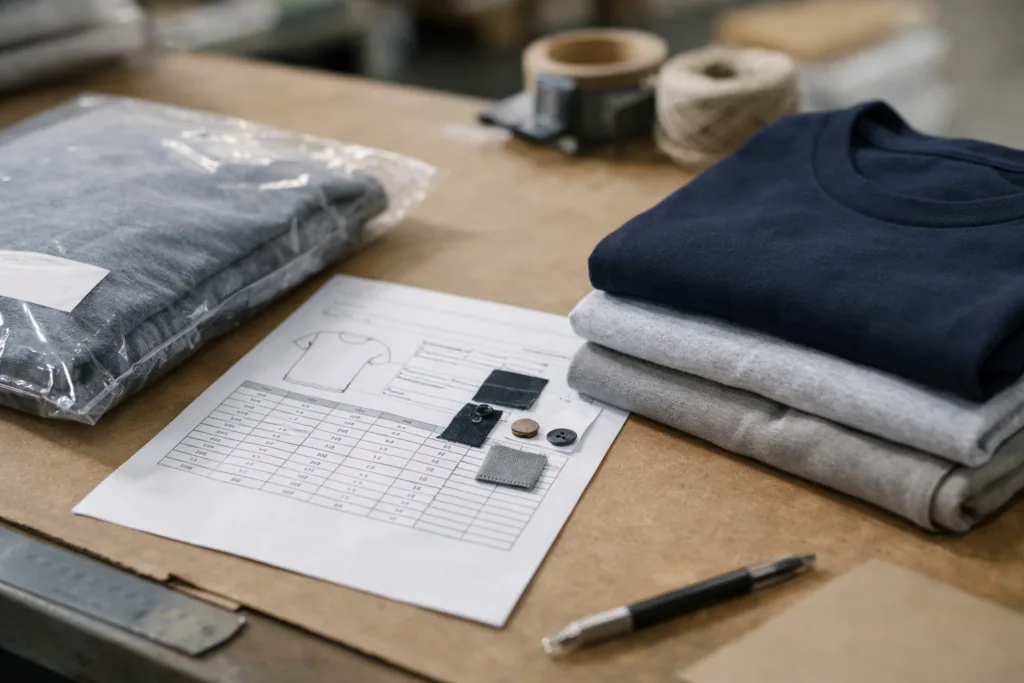
A well-constructed BOM aligns your entire workflow—from design and sourcing to costing, QC, and final delivery. Invest time in creating detailed, clear, and up-to-date BOMs. The payoff is fewer mistakes, lower costs, and higher product quality throughout your apparel production chain. By prioritizing solid documentation and frequent updates, your team stays ahead—delivering consistency, quality, and reliability every season.
Frequently Asked Questions
What is the main purpose of a BOM in apparel manufacturing?
A BOM lists all materials needed for a garment, supporting cost control, quality assurance, and clear factory communication.
What details should be included for each component in a BOM?
Include item name, description, supplier, color/code, quantity per unit, cost, and any special instructions.
How often should a BOM be updated?
Update the BOM every time you change a component, trim, or design—especially before production or sample orders.
Can I use a single BOM for all sizes or colors of a style?
It depends; minor changes can be noted in one BOM, but large variations require separate BOMs for accuracy.
Why is supplier information important in a BOM?
Supplier info makes sourcing, troubleshooting, and reorders easier, ensuring you always get the right materials fast.
Is a BOM required for both sample and mass production stages?
Yes, accurate BOMs are crucial at both stages—helping sample development and ensuring all units meet your quality and cost targets.
Related Reading
- How to Build a Tech Pack in Excel: The Quick-Start Guide
- The 5 Essential Stages of Apparel Sampling – and Why Each One Matters
- 9 Proven Ways to Keep Sample Lead Times On Track and Meet Critical Deadlines
- 13 Key Points Every Designer Should Check During Sample Review
- 18 Techniques for Clear Comments and Callouts to Factories
- The Complete Apparel Manufacturing Toolbox: Converters, Costing, and More