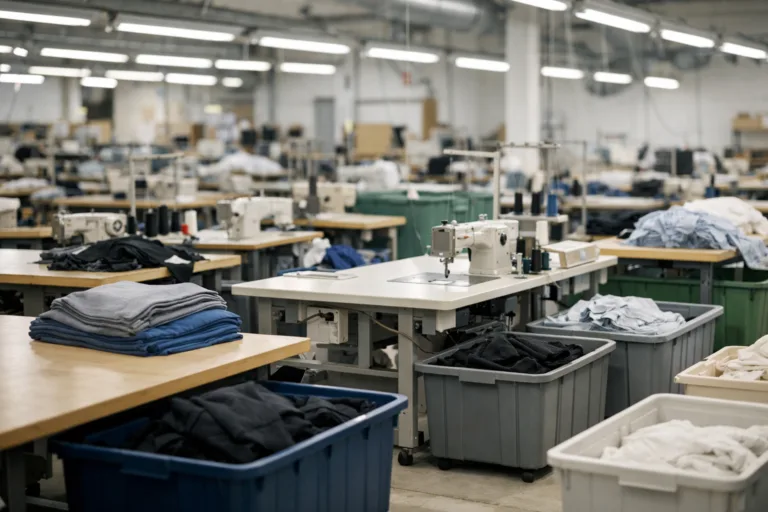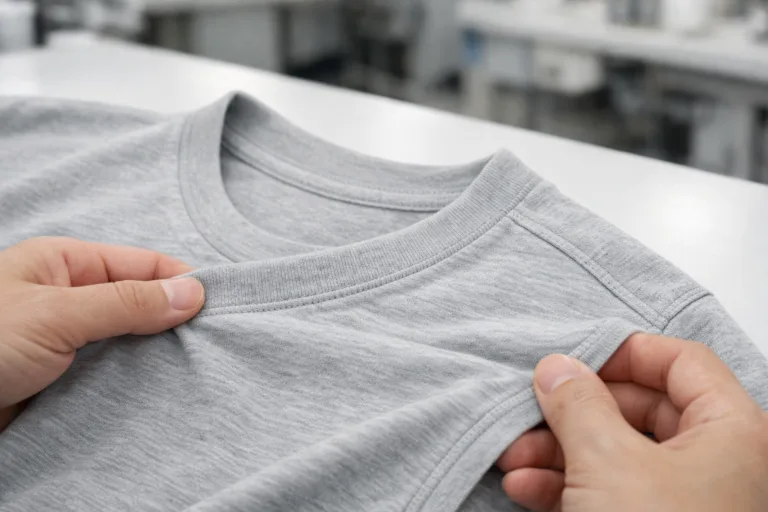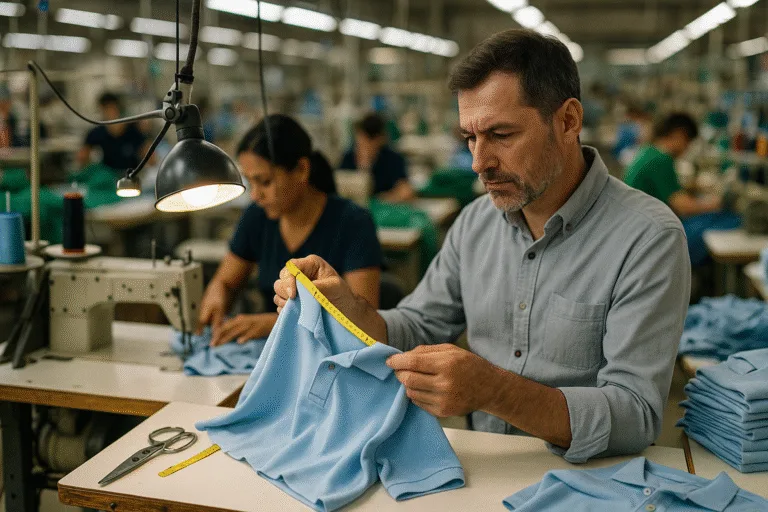
What is Garment QC?
Garment QC (quality control) refers to the organized activities designed to monitor, measure, and ensure that apparel products meet specified requirements throughout the production process. In a reliable factory, QC safeguards both client expectations and compliance, covering everything from initial material checks to final packed garments. The role of QC extends beyond defect detection—it helps identify root causes, guides corrections, and supports continuous improvement on the factory floor.
Why Is Apparel Quality Control Essential?
Buyers expect garments to meet strict standards for fit, finish, measurement, color, and safety. Effective QC reduces the risk of bulk shipment failures, helps control costs, and maintains your supply chain reputation. Apparel Wiki’s experience shows that losing control at any QC checkpoint can multiply problems later, especially if bulk issues are found after shipment. That’s why quality assurance is embedded at multiple stages, not just at the end.
Common Apparel Defects and Failures
- Open or skipped stitches, seam slippage
- Color variation or shade lot mismatch
- Poor fit, incorrect measurements, pattern distortion
- Fabric holes, stains, and pilling
- Busted trims (zippers, snaps, buttons)
- Incorrect labeling, wash care instructions
The Three Main QC Stages: IQC, IPQC, FQC
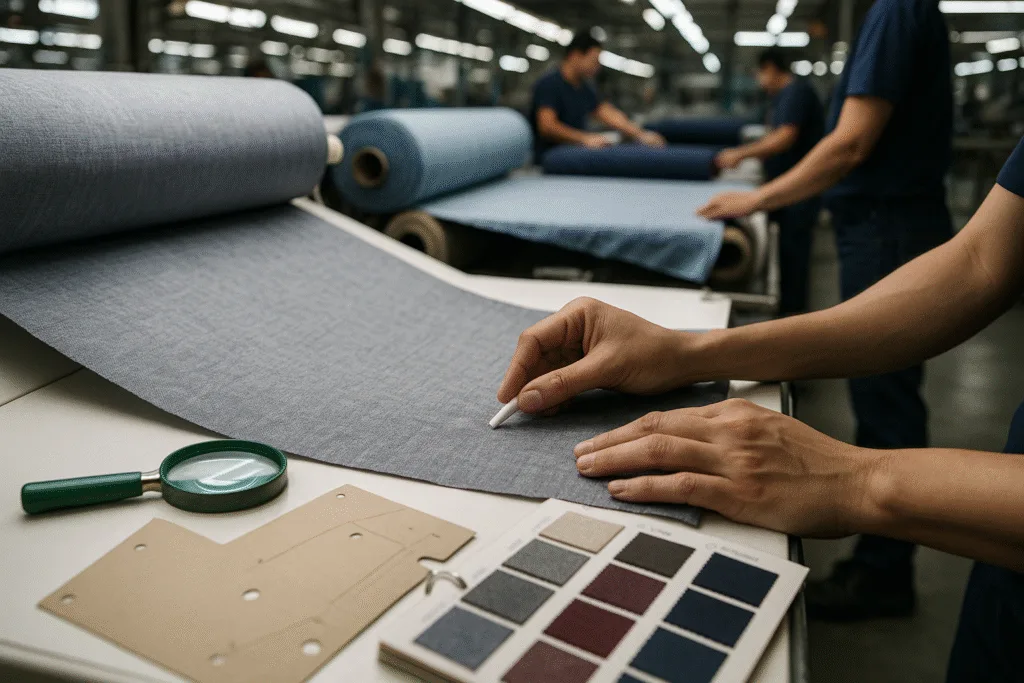
Every successful apparel factory builds its QC system around three core checkpoints: Incoming Quality Control (IQC), In-Process Quality Control (IPQC), and Final Quality Control (FQC). Each stage serves a unique role in maintaining apparel quality control throughout the journey from raw material to finished, packed garment.
| QC Stage | Key Focus | Who Performs It | Main Tools/Methods | Typical Outcome |
|---|---|---|---|---|
| IQC (Incoming QC) | Raw material inspection | Fabric/Trim inspectors | 4-point fabric system, lab tests | Material accept/reject report |
| IPQC (In-Process QC) | Process & semi-finished checks | Line QC, supervisors | Inline audits, measurement checks | Early defect identification |
| FQC (Final QC) | Packed garment audit | Final QC/QA team | AQL sampling, function tests | Pass/fail for shipping |
How the Three QC Stages Connect
Think of garment QC as a chain: IQC removes bad fabric or trims before they enter production; IPQC spots process mistakes early, and FQC ensures only good garments are shipped. If one link is weak, bad results multiply and cost more to fix. Smart factories use feedback from each stage to refine training, process controls, and sourcing decisions.
IQC: Incoming Quality Control for Garments
IQC is the first defensive wall for apparel quality control. Here, all incoming materials—fabrics, trims, labels, packaging—are sampled and inspected before entering stockrooms or production. IQC aims to reject unsuitable materials before they waste time or create problems on the sewing line.
Fabric Inspection in IQC
- Visual check for flaws: holes, stains, knots, color shading
- Testing GSM (grams per square meter) matches spec
- Usable width is as per purchase order
- Running the 4-point system to objectively quantify defects
- Colorfastness and shrinkage pre-checks on random rolls
Trim and Accessories IQC
All items such as zippers, buttons, threads, labels, and hangtags are audited for correct sizing, color, function, and compatibility with the garment style. Metal trims may also undergo needle detection for safety, especially in children’s wear.
IQC Best Practices
- Keep clear acceptance standards for every material and trim.
- Document inspection results with photos and reports for traceability.
- Train staff to recognize not just visible defects but faults affecting performance (e.g., dye rub-off for dark knits).
- Quarantine rejected lots to prevent accidental use.
IPQC: In-Process Garment Quality Control
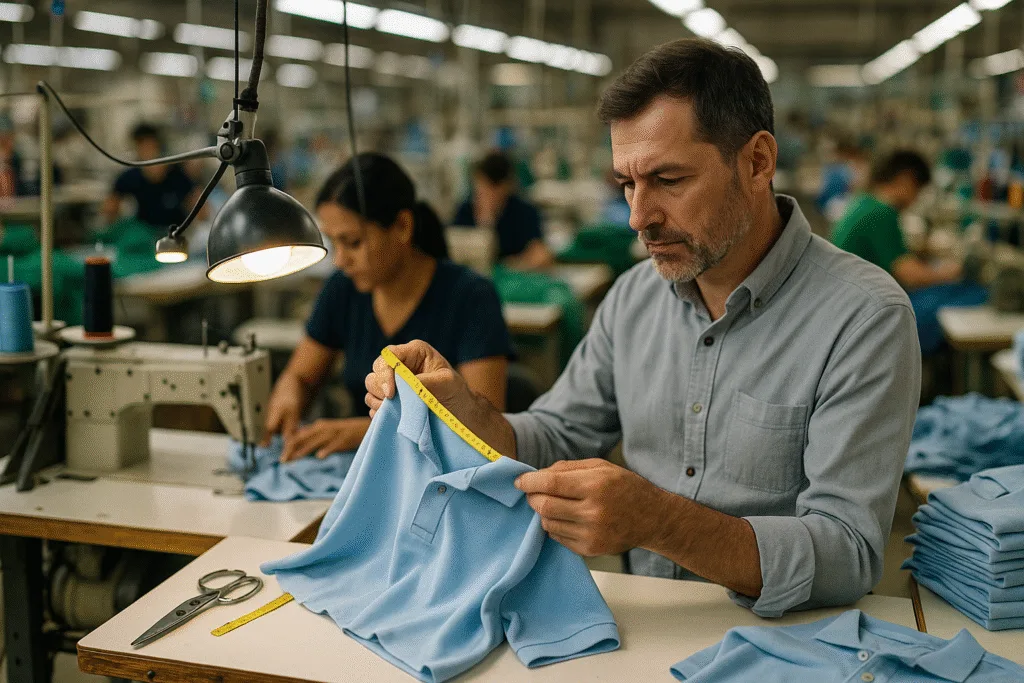
IPQC happens on the factory floor, inside the flow of cutting, sewing, and finishing. The main goal is early defect detection—preventing quality issues from accumulating downstream where they become harder and costlier to fix. In well-run factories, in-line QC staff monitor operations from first cut to the final stitch.
Key IPQC Checkpoints
- Cutting: Pattern accuracy, marker efficiency, no shortage or mix-up in bundle parts
- Sewing: Stitching quality, seam strength, correct label/trim attachment, SPI (stitches per inch)
- In-line Audit: Random pieces inspected for measurement, appearance, seam and stitch defects
Measurement & Tolerances
Each garment spec sheet details allowed tolerances for width, length, sleeve, neck size, etc. (e.g., ±1 cm for width on a knitted T-shirt). During IPQC, pieces are measured and compared with spec charts to ensure compliance. Accurate record keeping and immediate corrective action are vital if variance creeps in.
Process Feedback and Continuous Improvement
When defects are spotted—like puckering seams or uneven hem width—root cause analysis is initiated. This may involve re-training operators, adjusting machine tension, or reviewing marker layouts. Effective IPQC is not punitive; it directly supports production targets and on-time delivery by minimizing big later-stage surprises.
FQC: Final Quality Control in Apparel Manufacturing
FQC is the last and most critical checkpoint before garments are shipped to buyers. Here, packed garments are opened by final QC teams, checked for conformance with customer-approved samples, and measured against AQL (Acceptable Quality Level) standards—usually agreed in advance. Only shipments that pass FQC are cleared for dispatch.
Typical FQC Activities
- AQL inspection: Statistical sample selected based on shipment size and agreed defect levels
- Full visual audit: Inspect surface, inside, seams, trims, and branding
- Measurement check against size specs
- Function tests: Zippers, snaps, Velcro fasten/undo, printing/embroidery adhesion
- Packing and labeling conformance
FQC: Shipping Approval or Hold
If defect rates are within the agreed AQL, the goods are released; if not, the batch is held, re-sorted, or reworked. Detailed reporting provides buyers confidence that each shipment meets their contract standards. Some buyers also send third-party QC agents for spot checks, especially for first production runs or high-value orders.
Quality Expectation in Apparel Factories
Apparel factories are expected to meet a wide range of quality requirements—not just visual perfection, but functional durability, safety, and compliance as well. While every buyer defines “quality” differently, certain expectations are now standard across the global industry.
Key Apparel Quality Benchmarks
- Clean, even stitching (no skipped stitches, minimum SPI as per garment)
- Consistent measurements within tight tolerance
- Color and shade matching across the style or PO
- Trim integrity: Zippers slide easily, buttons securely sewn, labels correct and non-irritant
- Handfeel: No harsh finishes, lint, or pilling
- Compliance: REACH, OEKO-TEX®, nickel-free trims, and correct safety labeling for regulated markets
Rain Chen’s Factory Insight
“A true quality culture is built on discipline at every stage: from fabric gate inspection to the way each finished piece is folded and packed. Don’t just rely on the final audit—problems are easier and cheaper to fix upstream.”
Introduction to Garment Quality Control (QC)
Garment Quality Control (QC) is the systematic approach factories use to ensure that every garment delivered meets the brand’s standards for look, fit, safety, and durability. QC begins with checking incoming fabrics and components, continues through every phase of production, and ends only when each item is inspected, measured, and packed for shipment. The three main QC stages—IQC, IPQC, and FQC—act as critical filters, catching problems early, minimizing waste and rework, and giving buyers confidence in what they’ll receive. Apparel quality control, done right, is a combination of disciplined process, clear communication, trained staff, and an unyielding commitment to continuous improvement across cutting, sewing, finishing, and packing. Factories that invest in strong QC reduce complaints, lower returns, and win trust in long-term partnerships.
Key Parameters in Garment QC
- Defect classification (critical, major, minor) and tolerance setting
- Measurement protocols and approved spec sheets
- Continuous training for both machine operators and QC staff
- Documented SOPs and root cause analysis for repeated defects
- Feedback loops from final QC back to sourcing and planning
Common Mistakes to Avoid in Garment QC
- Relying only on final inspection—early detection saves cost
- Ignoring proper documentation—defect trends get missed
- Poor sample management (lab dips, PP samples, size sets)
- Using untrained QC staff who lack product knowledge
- Overlooking packing and labeling standards, leading to customs issues
Practical Tips for Effective Apparel Quality Control
- Always clarify measurement tolerances and defect classification with your factory before production
- Ask for factory QC process flowcharts and real inspection records
- Request PP sample approvals before bulk
- Review lab test results for restricted substances and color fastness on every PO
- For high-value goods, consider hiring a third-party quality audit—especially for the first shipment
How to Communicate Quality Requirements with Factories
Ensuring high apparel quality control begins before the first roll of fabric is cut. Clarity and consistency in communicating your quality expectations with the factory are fundamental to success—and to preventing disputes. Detailed technical packs, clear spec sheets, and reference samples are indispensable.
Essentials to Include in Tech Packs
- Fabric type, composition, GSM, color code, shrinkage & colorfastness specs
- Stitch type and density (e.g., overlock 504 at 10–12 SPI), seam type
- Packing, folding, and care label requirements
- Decoration instructions with print/embroidery artwork placement and color references
- Tolerance charts for every measurement point
Handling Sample Approvals and PP Samples
Approving pre-production (PP) samples and size sets is a critical checkpoint—this is your factory’s reference for bulk. Any deviation between the PP sample and bulk must be flagged via sample comments, with clear photographic evidence if needed. Always retain a sealed reference sample for dispute resolution.
Key Tools, Tests, and Measurement Systems in Garment QC
Accurate, reliable garment quality control depends on the right tools. Factories use a blend of traditional and advanced techniques to ensure every checkpoint is met, from fiber to finished product.
Measurement Tools and Test Equipment
- Tape measures, calibrated rulers, pattern templates
- GSM cutters and scales for fabric weight verification
- Color assessment cabinets (D65, TL84, UV)
- Needle detectors and metal checkers (esp. children’s wear)
- Washing machines, rub fastness testers, pilling, and abrasion testers
Testing Protocols Relevant to Apparel QC
Some standard quality tests you may encounter:
- 4-point system for fabric appearance (objective defect count)
- Colorfastness to washing, rubbing, and light (ISO/AATCC methods)
- Shrinkage/performance after 3 or 5 cycles of home wash
- Pilling/abrasion resistance (especially for fleece, sweatshirt, knitwear)
- Seam strength and slippage (critical for heavier garments, workwear)
Getting Beyond Compliance: Building a True Quality Culture
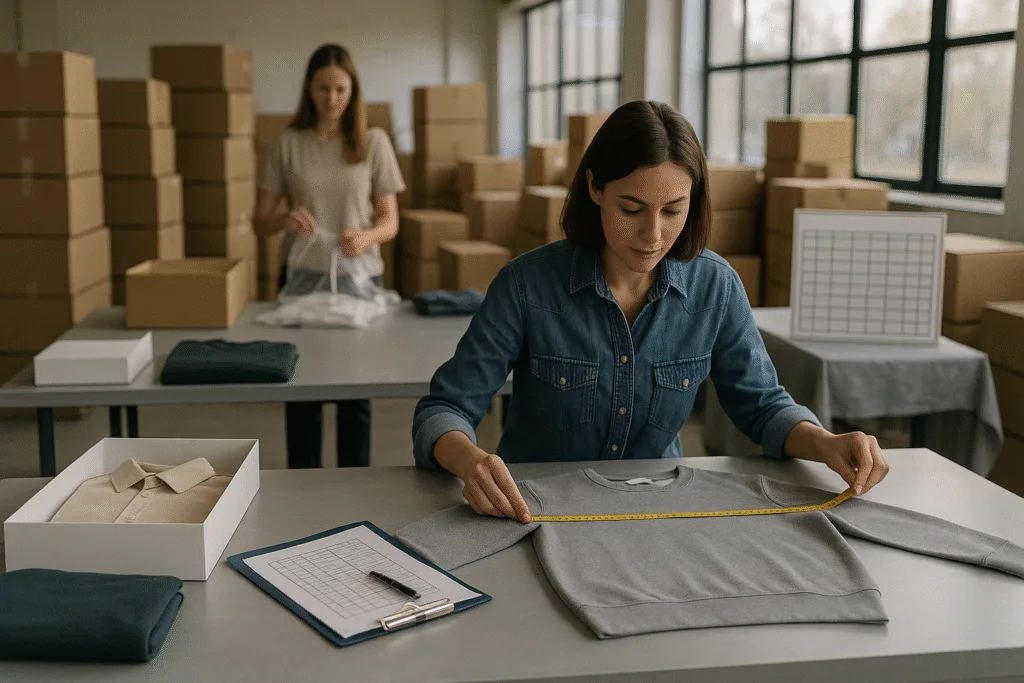
While compliance with customer specs and regulations is a base requirement, real long-term success in apparel manufacturing comes from building a factory culture where every operator, team lead, and inspector takes pride in the finished product. This means constant training, feedback, open reporting of issues, and a willingness to invest in better machinery and processes—not just pass minimum quality tests.
Steps to Level Up Factory Quality Culture
- Invest in regular QC staff training and cross-team learning
- Encourage “first piece” inspection before starting each new production batch
- Use data from QC to drive continuous process improvement (Pareto charts, root cause analysis)
- Reward teams for low defect rates and suggestions that improve output quality
- Engage with buyers for feedback on received shipments—learn from every return or complaint
Frequently Asked Questions
What is garment QC and why is it important?
Garment QC is the systematic process of inspecting apparel throughout production to ensure each product meets required standards. It protects brands from quality failures and builds buyer trust.
What are the main stages of apparel quality control?
The three main QC stages are IQC (checking incoming materials), IPQC (monitoring production), and FQC (final inspection before shipment), each catching quality issues at different steps.
What is the difference between IQC, IPQC, and FQC?
IQC inspects raw materials, IPQC checks products during sewing/assembly, and FQC audits the packed goods before they are shipped to customers.
How can factories improve their apparel quality control?
Factories can improve apparel QC by setting clear standards, training staff, documenting inspections, conducting regular audits, and acting promptly on quality feedback.
What are typical QC standards used in garment factories?
Typical QC standards include AQL sampling for finished goods, 4-point system for fabric inspection, and strict measurement tolerances for fit and dimensions.
What should buyers check with factories before production starts?
Buyers should confirm technical specs, sample approvals, measurement tolerances, packing details, labeling requirements, and testing protocols before production begins.