Introduction to Knit Fabrics: Types and Their Use in T-Shirts, Polo, Hoodies
Knit fabrics are the backbone of modern casual wear—from crisp polo shirts to relaxed hoodies and essential T-shirts. Their unique construction allows unmatched comfort, stretch, and versatility, shaping the way people dress for both work and play. Whether you’re a designer, buyer, factory technician, or enthusiast, understanding the main knit fabric types—and how their properties support performance and style—will help you make better choices at every step of apparel production.
How Knitting Works: Fundamental Concepts

Knitting is an ancient textile technique where yarns are interlaced into loops, forming a flexible fabric structure. Unlike woven fabrics, which rely on criss-crossed yarns, knits use a single or multiple yarns to create interconnected loops along the fabric’s length. This looped structure is what gives knit fabrics their hallmark stretch, drape, and resilience.
Types of Knitting Machines
- Circular knitting: Produces tubes; ideal for seamless body panels (often seen in T-shirts and elastane-blended activewear).
- Flat knitting: Yields open-width fabrics; crucial for detailed panels, collars, cuffs, and shaped garments.
Course and Wale: The Language of Knits
A ‘course’ is a horizontal row of loops; a ‘wale’ is a vertical column. The density and arrangement of these influence the fabric’s weight (GSM), stretch, and recovery.
Material Choices
Knits can be made from cotton, polyester, viscose/rayon, modal, elastane/spandex, or blends like CVC (Chief Value Cotton) and TC (Terylene Cotton). The fiber and yarn type directly affect hand feel, moisture management, and durability.
Main Types of Knit Fabrics
Not all knits are made equal. Three major varieties dominate the market for T-shirts, polos, and hoodies.
Jersey Knit
Single Jersey
Offers a smooth face with subtle crosswise stretch, making it perfect for lightweight T-shirts and fashion tees. Can be produced in tubular form for side-seam-free construction.
Double Jersey (Interlock)
Has identical faces front and back—denser, more stable, and more resistant to curling.
Rib Knit
Distinguished by its raised, alternating wales, rib knit is highly elastic and often used for cuffs, collars, waistbands, and trim. Useful for pieces needing extra stretch and recovery.
Interlock Knit
Thicker and smoother than single jersey, interlock knits double up the loops for extra resilience. They excel in premium T-shirts and lightweight hoodies, offering improved opacity and drape.
Comparative Table: Knit Fabric Types for T-Shirts, Polos, Hoodies
| Fabric Type | Typical GSM | Stretch & Recovery | Best Use |
|---|---|---|---|
| Single Jersey | 130–180 | Moderate stretch, mild recovery | T-shirts, basic polos |
| Rib Knit | 180–240 | High stretch, strong recovery | Cuffs, collars, waistbands |
| Interlock Knit | 160–220 | Good stretch, better recovery than jersey | Premium tees, hoodies |
| Pique Knit | 180–220 | Average stretch, structured feel | Polo shirts |
Stretch & Recovery: Why It Matters in Garments
Stretch determines how much a fabric will give under load, while recovery refers to its ability to return to its original shape after being stretched. For sportswear, high stretch and recovery are essential to maintain silhouette and comfort. Too little recovery leads to bagging at knees and elbows; too much stretch without control leads to deformation.
Factors Influencing Stretch
- Fiber content (elastane blends yield greater stretch)
- Knitting density (looser knits are stretchier, but may lack shape)
- Stitch type (rib knits outperform jersey for recovery)
Practical Factory Tests
Simple lab tests measure extension percentage and recoverability (e.g., stretch to 120%, measure if it returns within 5% of original length after release). Most export factories conduct these checks before bulk cutting and sewing.
Best Knits for Activewear: Performance in Motion
Activewear demands fabrics that balance stretch, breathability, and durability. Knits with added elastane or higher technical fiber content help meet these needs. Brands typically choose single jersey or interlock with 5%–10% spandex for sports T-shirts, ensuring comfort and freedom of movement.
Moisture Management & Quick Dry
Polyester jersey knits dominate in team uniforms and running shirts due to their wicking ability. Modal and Tencel-infused knits offer softness and temperature regulation for yoga and athleisure lines.
Durability and Pilling Resistance
Higher knitting density and anti-pilling finishes (enzyme or silicone wash) increase the garment’s lifespan. Interlock knit, with its double structure, naturally resists pilling compared to loosely-knit jersey.
Rain’s Tip from the Production Line
When aiming for activewear with stretch, always check test swatches for dimensional stability and recovery before committing to bulk runs. Poor recovery leads to early returns and customer dissatisfaction.
GSM Choice for Tees & Polos: Balancing Comfort, Opacity, and Cost
GSM (Grams per Square Meter) is the textile world’s vocabulary for describing fabric weight. It’s a crucial parameter in garment specification sheets and determines feel, drape, and durability.
GSM Ranges: What Works Best?
- Lightweight summer T-shirt: 130–150 GSM single jersey
- Durable, all-season T-shirt: 160–180 GSM single jersey or interlock
- Polo shirts: 180–220 GSM pique or textured knits for extra body
Cautions and Practical Checks
Too low GSM leads to transparency and faster wear-out, while excessively high GSM can be heavy, stifling comfort. Always ask your factory for shade and GSM swatches, and perform wash tests to ensure shrinkage stays within ±4% of spec. Specify preshrinking or compacting if needed.
Construction & Stitching in Knit Garments
The way knit fabrics are cut and sewn shapes garment comfort, robustness, and appearance. Knits require specific stitches and construction techniques to prevent seam damage and control distortion.
Typical Seams & Stitches
- Overlock (ISO 504/514): Essential for joining panels with stretch; minimizes fraying.
- Coverstitch (ISO 602): Used for hems in T-shirts and hoodies—keeps stretch at openings.
- Flatlock: Offers low-profile seams for sports and yoga wear, reducing skin irritation.
Key Construction Details
Seam Allowances
Knits typically use narrow seam allowances (6–8 mm) to minimize bulk and improve flexibility.
Shoulder Tape & Neck Reinforcement
Essential in T-shirts and polo shirts to prevent stretching and distortion over time.
Tubular vs. Side Seam Construction
Tubular knits give a smoother look but limit fit diversity; side seams allow for ergonomic shaping and better size grading control.
Production Process: From Fabric Intake to Finished Garment
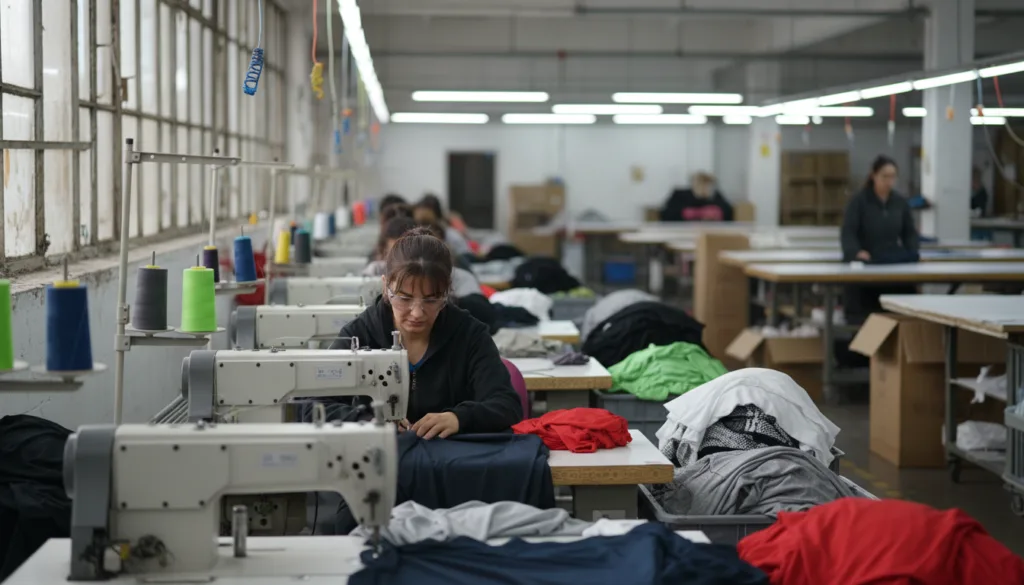
Success in knit apparel manufacturing depends on precise process control, from material sourcing to final packing. Let’s walk through the core stages factories follow to deliver quality knitwear.
Fabric Inspection & Relaxation
Use the 4-point system to check for defects. Relax the fabric for 24 hours before spreading to ensure accurate cutting.
Spreading & Cutting
Automated and manual spreaders lay fabric in uniform layers; straight knife or auto-cutters slice the panels to spec.
Sewing Line Setup
Operation breakdown covers seams, collar attachment, plackets for polos, hood making. SMV (Standard Minute Value) studies help balance the lines and minimize bottlenecks.
Inline & End-Line Quality Control
Factory checklists verify seam strength, SPI (Stitch per Inch), size specs, and wash performance. For export-grade knits, dimensional stability, twist/skew resistance (for jersey), and colorfastness are mandatory tests.
Finishing & Packing
Includes loose thread trimming, pressing/ironing, size ratio folding, polybag packing, and carton marking. For knits, always write clear care instructions (e.g., avoid high heat drying for spandex blends).
Knit Fabrics: Types and Their Use in T-Shirts, Polo, Hoodies
Let’s bring this all together. The choice of knit fabric—be it single jersey for lightweight tees, rib for collars and trims, or interlock for premium pieces—directly influences garment performance, durability, and customer satisfaction.
Key Parameters to Specify
- Fabric type (jersey, rib, interlock, pique for polos)
- Fiber content (cotton, poly, blends, elastane percentage)
- GSM range—confirm with swatch and bulk tests
- Finishing (preshrunk, bio-polish for smoothness)
- Performance attributes (stretch %, recovery %, colorfastness)
Common Mistakes
- Underestimating shrinkage—always allow for ±4% in specs
- Selecting GSM too low for intended use—leads to returns
- Not specifying anti-pilling or performance finishes for activewear
- Ignoring visual opacity—low GSM fabrics may be see-through
- Overlooking seam specs—wrong SPI or stitch type can cause seam failure
Practical Tips for Buyers & Production Teams
- Request shade bands and multiple GSM options during development
- Insist on test reports for stretch, recovery, and wash after finish
- Discuss size set approval and PP sampling before bulk runs
These steps will help ensure that every T-shirt, polo, and hoodie meets both aesthetic and functional needs in the retail market.
Advanced Fabric Properties: Testing and Quality Assurance
Global buyers and brands require certified performance in their knit garments. Here’s how factories guarantee top quality on every shipment.
Dimensional Stability & Shrinkage Tests
Cut specimens before and after washing, measuring length and width changes. Shrinkage under ±4% is generally acceptable.
Colorfastness & Pilling
Colorfastness to washing, rubbing, perspiration, and light must meet brand standards. Pilling resistance—tested through abrasion—ensures fabric stays smooth after repeated use.
Bursting Strength
Critical for T-shirts and hoodies—this test simulates force on thick knits (like ribs and interlocks) to prevent early seam failure.
Compliance Marks
Certifications like OEKO-TEX® or REACH confirm low chemical residue and safety for skin contact—crucial in kidswear and sportswear.
Design Decisions: Garment Details and Branding Elements

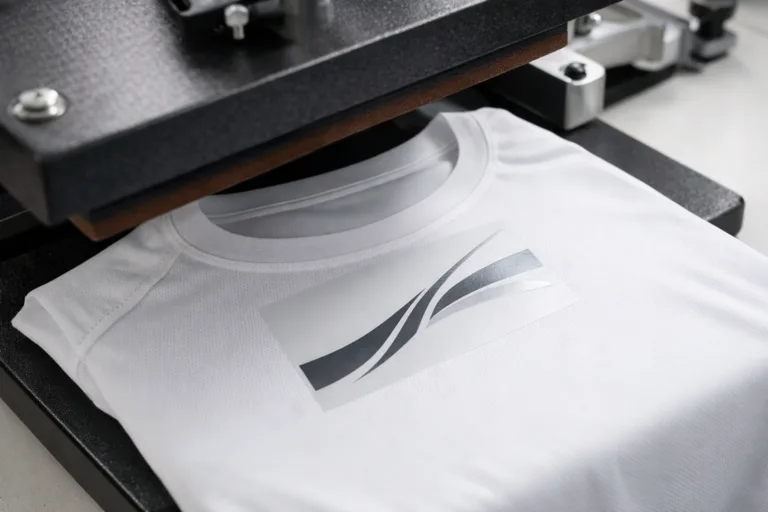
The smaller choices can set a brand apart—collar types for polos, hood constructions for hoodies, ribbed trims on cuffs. Decoration methods like screen or rotary printing, DTG (Direct To Garment), embroidery, and patches interact differently with knit surfaces.
Artwork Placement
On stretchy knits, place decorative elements where minimal distortion occurs (chest panels, upper back). Avoid large prints on high-stretch areas.
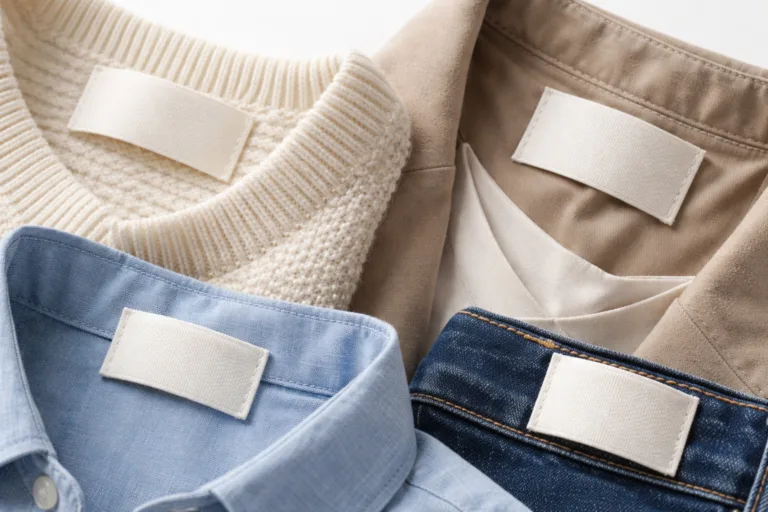
Labels & Trims
Choose soft woven or printed neck labels for comfort. Rib collars and cuffs should match or complement body fabric GSM for balanced stretch.
Packaging & Logistics
Standard folding, polybag specs (≥30 micron thickness), vent hole placement, and clear carton marking speed up the shipping process and reduce bulk damage risks.
Frequently Asked Questions
What is the difference between jersey knit and interlock knit?
Jersey knit is a single-layer fabric known for lightness and moderate stretch, while interlock knit is double-faced, thicker, and offers better recovery and durability.
Which knit fabric is best for summer T-shirts?
Single jersey knit with 130–150 GSM is ideal for summer T-shirts due to its breathability and lightweight feel.
Why is rib knit preferred for collars and cuffs?
Rib knit’s alternate raised and recessed wales grant high elasticity and recovery, making it perfect for parts subject to frequent stretch.
How do you check GSM before production?
Cut a 10×10 cm sample, weigh it, and extrapolate to GSM. Always run wash and dry tests to confirm bulk fabric behaves as expected.
How does elastane impact knit fabric performance?
Elastane (spandex) addition provides improved stretch and recovery, essential for activewear and fitted garments.
What shrinkage allowance should be used for knit tee specs?
Allow ±4% shrinkage tolerance on spec sheets, and insist on post-wash measurements for both prototypes and bulk orders.