Introduction: Rethinking Recycling through Mono-Material Design
Every year, millions of tons of products end up in landfills or inefficient recycling streams. The culprit is often complex design—products made from many mixed materials, glued or fused together. But a growing movement is changing this: mono-material design. By creating items from a single material type, companies are making recycling far simpler, more efficient, and capable of producing higher-quality recycled material. This article explores mono-material design, why it matters for recycling, and how your choices can shape a more sustainable future.
Understanding Mono-Material Design: The Fundamentals

Mono-material design means manufacturing a product using only one type of material. Instead of blending plastics with metals or fabrics with composite adhesives, the entire item is thoughtfully crafted from, say, just PET plastic, aluminum, or cotton. This seemingly simple idea unlocks powerful benefits for recycling processes and sustainability.
Why Mono-Material Design Helps Recycling
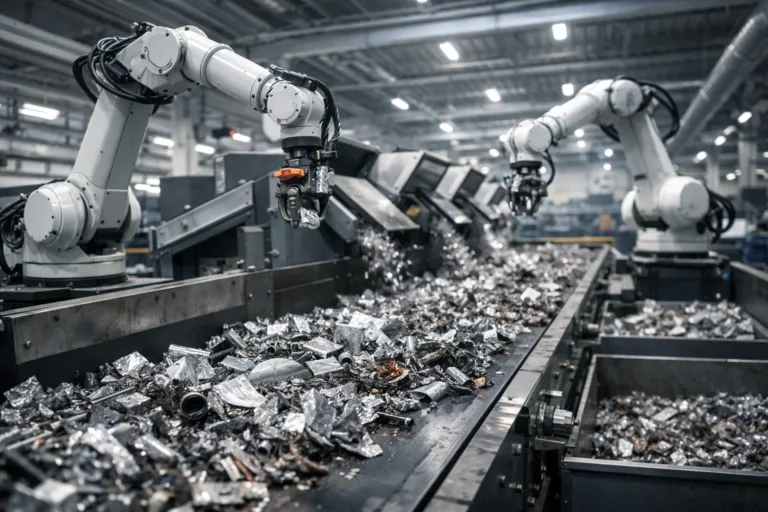
Most recycling challenges stem from sorting and separating different materials. When products are made of multi-layered, bonded, or mixed components, recycling becomes labor-intensive or impossible. Mono-material design allows waste-handling facilities to recognize, sort, and reprocess items efficiently without complex separation steps, leading to better recycling outcomes and reduced landfill waste.
The Environmental Impact of Mono-Material Choices
Using mono-material design dramatically reduces contamination risk in recycled streams. When a PET plastic bottle is all PET, every piece can be reused, and the recycled output remains consistent. This purity not only improves recycling rates but also lowers energy use and reduces greenhouse gas emissions since the recycling process is streamlined. Over time, this helps conserve finite resources and addresses pressing environmental challenges.
How Mono-Material Design Enables Quality Recycled Material
One of the biggest issues recyclers face is “downcycling”—when mixed or contaminated material leads to lower-quality recycled products. With mono-material items, the resulting recycled feedstock is purer, and it can be reused in high-performance applications. This enables a true circular economy, where products can be recycled repeatedly with minimal loss in quality.
Mono-Material Success Stories Across Industries
Let’s look at real-world examples from various sectors:
- Packaging: All-PE (polyethylene) pouches are replacing multi-layer flexible packages, making film recycling viable on a massive scale.
- Textiles: Mono-fiber apparel—such as 100% polyester sportswear—are far easier to recycle back into usable yarn.
- Consumer goods: Some electronics brands now design products with single-polymer resins, avoiding mixed-material cases and coatings.
- Automotive: Carmakers explore single-material interior components to ensure streamlined recycling and meet end-of-life regulations.
Challenges in Achieving Mono-Material Design
Despite its advantages, transitioning to mono-materials is not always straightforward. Many products rely on multi-material construction for strength, aesthetics, barrier properties, or special functions like waterproofing. Switching to a single material may require advanced engineering or new manufacturing approaches, which can increase costs or impact product performance.
Technical Solutions: Overcoming Multi-Material Barriers
Industry innovators are developing multi-layer films using only one base polymer (e.g., PE or PP), or creating coatings and adhesives that remain chemically compatible with the primary material. 3D printing also allows for the construction of complex shapes from one material type, eliminating the need for separate fasteners or glues.
Mono-Material Design in Fashion and Textiles
The fashion industry is notorious for mixed-material garments, but with sustainability in focus, many brands are shifting to single-fiber apparel. Designing clothes with just one type of material (for example, all-cotton or all-polyester) simplifies recycling and supports circular fashion initiatives. For deeper insight into how clothes can be taken apart and recycled, learn more about design for disassembly.
Mono-Material and Zero Waste Pattern Cutting Synergy
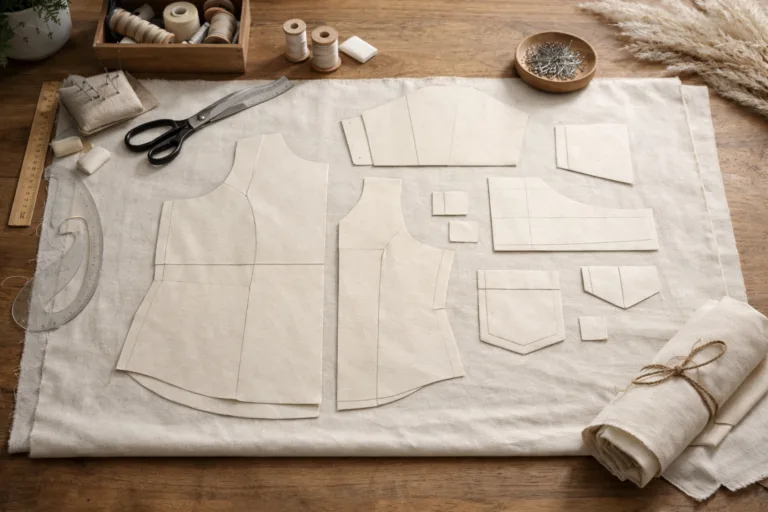
Zero waste pattern cutting reduces fabric waste during garment manufacturing. Combined with mono-material principles, the entire lifecycle of a product—from cutting to end-of-life recycling—becomes more efficient. This powerful combination is further detailed in our guide to zero waste pattern cutting techniques.
Manufacturing Improvements through Mono-Material Components
Mono-material components make assembly lines simpler, reduce inventory complexity, and improve cost predictability. When every piece—buttons, trims, and even thread—matches the base material, material sourcing and post-consumer recycling both run smoother.
Design for Disassembly: Supporting Mono-Material Principles
Design for disassembly means planning how a product will be taken apart at end-of-life. Using mono-materials removes the need for separating mixed components, maximizing the ease and efficiency of this process. Circular fashion leaders rely on both concepts for sustainability. For more practical steps, explore our article on design for disassembly.
Understanding Material Identification: Why Labels Matter
Clear and accurate labeling helps recyclers and consumers know what material a product is made from. For mono-material goods, this supports proper sorting and reduces contamination risk. Apparel Wiki offers insights on sustainable labeling, especially in garments made from recycled polyester and organic cotton for eco-friendly fashion. Learn more at sustainable labeling.
Mono-Material and the Rise of Upcycling
When products are simple and mono-material, they can be upcycled into new items without losing material quality or requiring complex separation. Metal products, in particular, benefit from this approach, as upcycling processes become more feasible and efficient. For mass production perspectives, see our analysis on upcycling in mass production.

Material Traceability: Digital Tools Meet Mono-Material Design
Digital fashion technology, such as RFID tags and digital labels, enhances traceability and supports closed-loop recycling in mono-material systems. When a product’s composition is digitally recorded, recyclers can instantly identify which processing stream it should join, supporting a smarter recycling system.
Obstacles in Consumer Goods: Where Mono-Material Faces Limits
Some products—like multi-function devices or high-performance gear—may struggle with mono-material strategies due to functional requirements. Manufacturers must weigh sustainability with consumer expectations, sometimes opting for recyclable or biodegradable blends as a compromise.
Branding, Compliance, and Mono-Material Choices
Regulations increasingly push companies to consider end-of-life recycling. Those that adopt mono-material designs often find it easier to comply with product stewardship laws and meet transparency demands. For a practical overview of care label laws and compliance, Apparel Wiki provides a starter guide for brands navigating material disclosure requirements.
Economic Aspects: Cost Savings and Resource Management
Eliminating mixed materials can lower manufacturing costs, reduce waste handling fees, and cut supply chain complexity. Over time, businesses realize both direct savings and intangible benefits, such as improved sustainability reputation and increased material recovery value.
Consumer Education: Driving Awareness for Mono-Material Recycling
Consumers play a vital role. Clear messaging and design help people recognize mono-material goods and recycle them properly. Retailers and brands using simple, intuitive labels contribute to higher collection rates and better downstream recycling.
Apparel Wiki’s Perspective on Mono-Material Implementation
Apparel Wiki notes that while mono-material design is a promising solution, brands should always review the practical implications for their specific product type, factory capabilities, and local recycling infrastructure. Sometimes, hybrid approaches—like easily separable components—offer the right balance between functionality and recyclability.
Comparing Mono-Material vs. Multi-Material Product Lifecycles
| Aspect | Mono-Material | Multi-Material |
|---|---|---|
| Sorting & Recycling | Easy, automated, cost-effective | Difficult, often manual or impossible |
| Quality of Recycled Material | High, suitable for repeat use | Low, often downcycled |
| Manufacturing | Streamlined, fewer SKUs | Complex, higher inventory needs |
| Design Flexibility | Some limits (functionality) | Higher, but less sustainable |
| End-of-Life Regulation | Easier compliance | Increased compliance costs |
Best Practices for Designing with Mono-Materials
- Select materials compatible with local recycling
- Use minimal coatings, dyes, or adhesives
- Design for easy separation if using multiple parts
- Communicate material type clearly on packaging and labels
- Partner with recyclers to test and validate concepts
The Role of Policy: How Law Encourages Mono-Material Adoption
Governments around the world are passing extended producer responsibility (EPR) laws that make brands responsible for the full lifecycle of their products. These policies reward simple, mono-material designs by making compliance cheaper and reducing penalties tied to landfill waste.
Mono-Material Design: Why It Helps Recycling.
At its core, mono-material design brings recycling back to basics. By eliminating unnecessary complexity, it helps industries produce less waste, conserve resources, and create products that truly support a circular economy. Whether in packaging, fashion, or electronics, the benefits are clear: easier recycling, better material quality, and a step closer to real sustainability. As manufacturers and consumers increasingly embrace this approach, the future of recycling looks brighter and more efficient.
Looking Ahead: From Mono-Material Concepts to Widespread Practice

With every innovation and policy push, mono-material design gains traction. While challenges remain, practical steps and ongoing research drive industries toward more responsible product engineering. The continued collaboration between designers, recyclers, businesses, and informed consumers will shape a world where products are built for their whole lifecycle.
Frequently Asked Questions
What is mono-material design?
Mono-material design is creating a product from only one type of material so it can be recycled easily and produce high-quality recycled material. This approach eliminates the need for complex sorting or separation at the end of the product’s life.
Why does mono-material design matter for recycling?
It simplifies recycling by removing mixed or fused materials, leading to higher recycling rates, purer recycled outputs, and reduced contamination. This means products can be reused more effectively in new manufacturing cycles.
Which industries most benefit from mono-material design?
Packaging, fashion, automotive, and consumer electronics lead in this area, but any sector producing large volumes of products benefits when recycling and sustainability are priorities.
Are there drawbacks to mono-material design?
Some products need multiple materials for strength, appearance, or performance, which can make a full switch challenging. Cost or technical hurdles may also arise during the transition.
How can businesses start implementing mono-material strategies?
Start by reviewing product components for compatibility, consulting recyclers, simplifying constructions, and leaning on standards like design for disassembly and clear labeling.
Does mono-material design reduce manufacturing costs?
It often leads to simpler manufacturing and inventory processes, potentially reducing costs. However, initial redesign or material changes might require an upfront investment.
Related Reading
- Transform Your Garment Production with Zero-Waste Pattern Cutting Methods
- Boost Brand Credibility: Why Sustainable Labeling Matters with Recycled Polyester and Organic Cotton
- Circular Fashion Unlocked: Design for Disassembly in Action
- Make Metal Upcycling Scalable: Key Insights for Mass Production
- Stay Compliant: Essential Care Label Laws for Apparel Brands
- Streamline Your Workflow: 7 BOM Software Tools for Small Fashion Brands