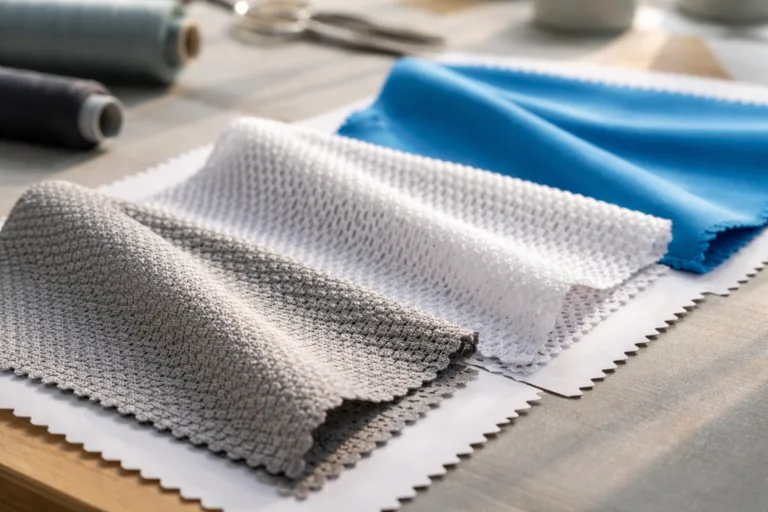
Understanding Performance & Technical Fabrics in Sportswear
Modern sportswear stands at the intersection of technology and craftsmanship. The right choice of performance and technical fabrics drives athletic comfort, durability, and functional style. From the rapid development of moisture wicking fabric to advanced spandex blends, technical fabrics have reshaped how athletes and everyday consumers experience apparel. This article, rooted in decades of factory practice and industry insights, demystifies technical sportswear fabrics, explaining materials, key properties, testing, and practical manufacturing considerations.
What Are Technical Fabrics in Sportswear?
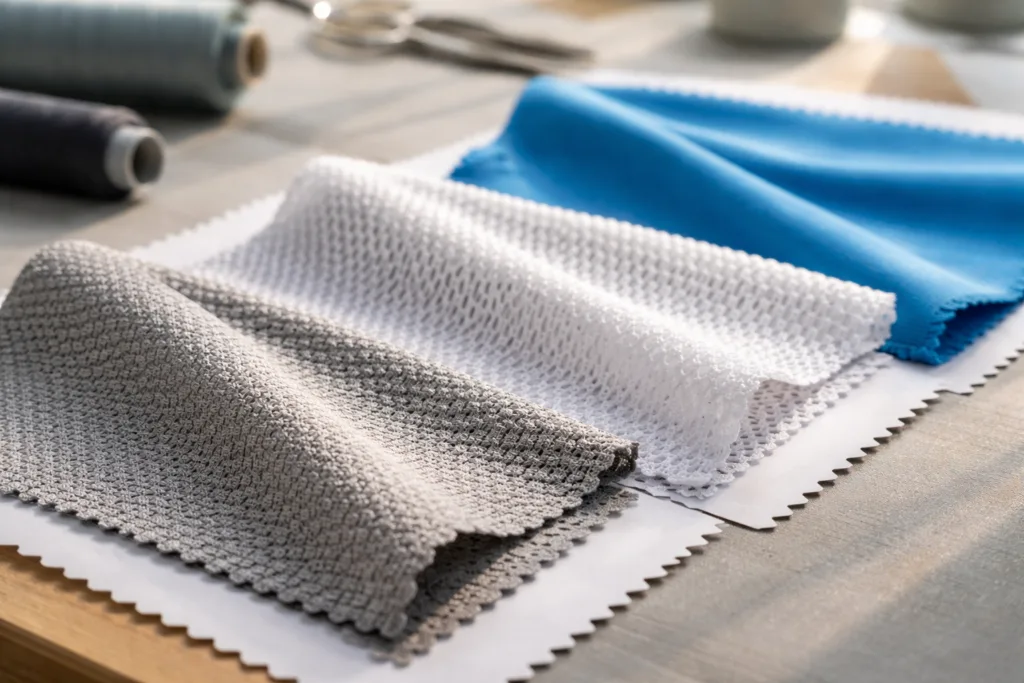
Technical fabrics are engineered textiles specifically crafted to meet demanding performance goals in sportswear. These fabrics go beyond simple aesthetics; they enhance comfort, breathability, stretch, and durability. Common types include polyester, nylon, spandex blends, as well as hybrid constructions that offer quick-dry and mechanical stretch properties. Apparel Wiki sees that buyers and factories most often rely on polyesters and performance synthetics, due to their outstanding mechanical and chemical resilience in sportswear applications.
Key Categories of Sportswear Fabrics
- Basic synthetics: Polyester, nylon – offer durability, quick drying, and colorfastness
- Blended knits: Polyester/cotton (PC), cotton/elastane, modal blends – balance comfort, stretch, and moisture management
- Special finishes: Hydrophilic, anti-odor, anti-microbial, UV protection by chemical and mechanical processes
Why Do Technical Fabrics Matter?
Technical fabrics elevate performance by optimizing sweat management, stretch recovery, weight, and fit. In factory settings, the right fabric selection reduces risk of returns due to poor comfort, pilling, fading, or tearing after repeated wear and washing. For brands, they are essential for competitive differentiation.
Moisture Wicking Fabric: Core Features and Benefits
Moisture wicking fabrics are the backbone of modern sportswear. Their structure draws sweat away from the skin and disperses it over a larger area for accelerated evaporation. These fabrics are primarily polyester- or nylon-based, often engineered with capillary channels and special yarn cross-sections.
Key Properties of Moisture Wicking Fabrics
- Rapid sweat transport—reducing clinginess and chafing
- Quick-drying—minimizes post-exercise discomfort
- Breathability—lets heat and moisture vapor escape
- Lightweight structure—supports full range of movement
Practical Factory Insights
When selecting moisture wicking fabrics for bulk orders, buyers should always request lab data for absorption rate and drying speed (e.g., % moisture regained after 30 minutes), and check for residual odors after simulated activity. In Apparel Wiki’s quality audits, up to 30% of returns on discount-market sportswear trace back to poor sweat management.
Quick-Dry Materials and Their Manufacturing Advantages
Quick-dry materials are engineered for minimal water retention and fast evaporation. High-tenacity polyesters and microdenier yarns are common for optimal quick-dry results. Technical finishes, such as hydrophilic surface treatments, further speed up drying while maintaining handfeel.
How Fabrics Achieve Quick Drying
- Use of synthetic fibers (polyester, nylon) instead of absorbent cotton
- Fine or microfilament yarns increase surface area for moisture spread
- Chemical finishes—hydrophilic treatments pull moisture to outer layers
- Special fabric constructions, like mesh or open knits, boost airflow
Buyer’s Checklist: Quick-Dry Claims
- Request drying time data (AATCC 201 test or equivalent)
- Ask for visual air-dry test videos for bulk consignment samples
- Ensure washing durability—finishes should last at least 30 washes
- Inspect for any trade-off in softness or pilling resistance
Breathability Tests for Sportswear Fabrics
Breathability is a fabric’s ability to allow moisture vapor to escape, maintaining thermal comfort during high activity. For sportswear, it’s measured by air permeability (e.g., ASTM D737) and moisture vapor transmission rates (MVTR). Apparel Wiki experts often see buyers focus too much on wicking, but fabrics also require balanced breathability to prevent overheating.
How to Evaluate Breathability in Factory Settings
- Request technical test reports (air permeability, MVTR)
- Perform the basic ‘breath test’ — hold fabric against mouth, exhale to check airflow
- Observe fabric transparency: lighter open-structure knits generally breathe better
- For thicker jerseys, ensure mesh or vent panel design is present
Rain’s production line tip: Always test actual finished garment panels, not just fabric rolls, as seam construction and lining can affect breathability in final use.
Spandex Blends: Balancing Comfort and Performance
Spandex (known as elastane in Europe, Lycra™ by brand) offers remarkable stretch and recovery, essential for fitted sportswear like tights, cycling shorts, and yoga wear. The proportion of spandex blend (typically 5–15%) and the base fiber (cotton, polyester, or nylon) dictate handfeel, durability, and shape retention.
Typical Spandex Blend Applications
| Blend Type | Spandex % | Main Features | Best Use |
|---|---|---|---|
| Cotton/Spandex | 5–8% | Soft, moderate stretch, breathable | Yoga pants, fitted tees |
| Polyester/Spandex | 7–15% | Quick-dry, colorfast, durable | Compression wear, running shorts |
| Nylon/Spandex | 12–20% | High stretch, shiny, abrasion resistant | Swimwear, cycle wear |
Production Points to Watch
- Spandex can yellow under UV if unprotected—require anti-yellowing finish with white/light colors
- Ensure good stretch/recovery by inspecting fabric swatch for >90% recovery after 3x elongation
- Require shrinkage and spirality (twisting) test after laundry
- Lockstitch may break on high-stretch panels; specify 4-thread overlock or flatlock seams
Mechanical Stretch vs. Elastane: Technical Comparison
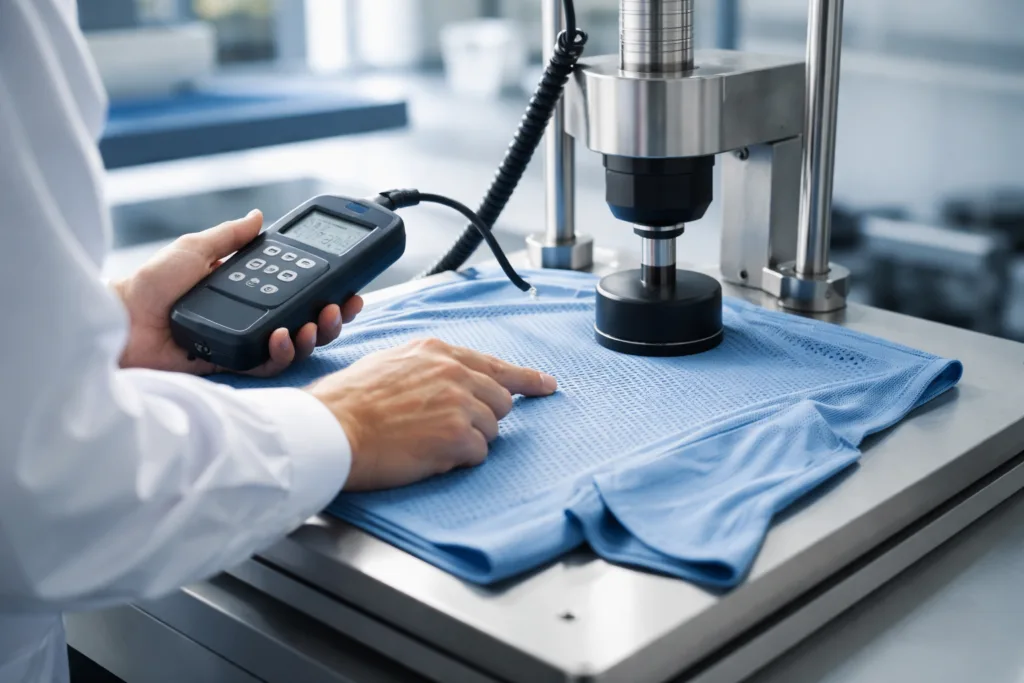
Mechanical stretch arises from how the fabric is knitted (e.g., single jersey, pique, interlock), as opposed to elastane added into the yarn. Many performance sportswear fabrics use mechanical stretch for comfort and cost advantages, reserving elastane for areas needing extra flexibility.
Main Differences
| Property | Mechanical Stretch | Elastane Stretch |
|---|---|---|
| Origin | Fabric structure | Fiber composition |
| Stretch Direction | Mainly width (weft) | Both width/length |
| Recovery | Lower (may bag out) | High, snaps back |
| Cost | Lower | Higher |
| Best use | T-shirts, polos | Leggings, compression |
How Factories Choose
- Specify mechanical stretch for casual-fit tops to reduce fabric cost
- Use elastane blends for body-hugging, high-movement garments
- Request stretch and recovery tests during PP (pre-production) sample approval stage
Critical Production Considerations for Sportswear Fabrics
From sourcing to final shipment, every stage affects sportswear performance. Proper handling of technical fabrics is vital to prevent defects like pilling, seam bursting, shrinkage, and compromised wicking.
Fabric Inspection and Preparation
- Use 4-point fabric inspection system—check for snags, dye marks, hole, contaminations
- Relax knits for up to 24 hours before cutting to reduce post-wash torquing
- Test GSM before and after laundry to monitor shrinkage (typically allow -4% to +2% for cotton blends, -2% to +1% for synthetics)
Sewing and Finishing
- Choose correct needle size/type—ballpoint for knits to avoid yarn breaks
- Use 4-thread overlock or flatlock seams for high-stretch, high-stress zones
- Apply soft silicone finish or peaching for premium handfeel, especially in T-shirts and tights
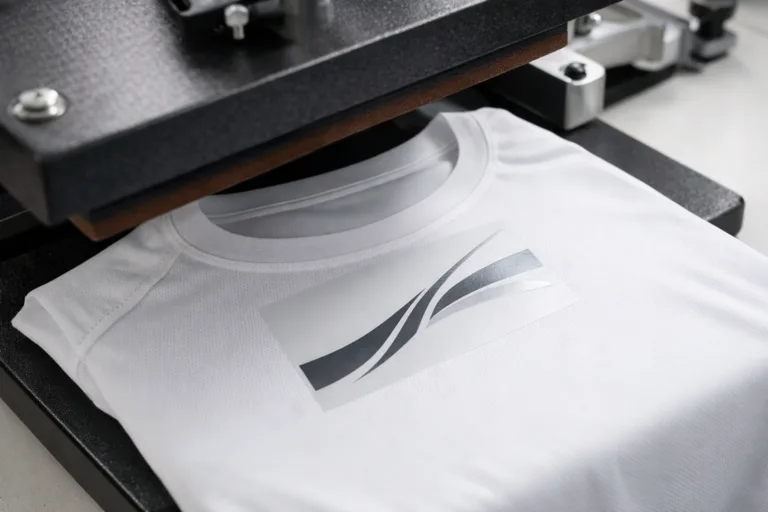
- Test decorated panels (print/heat transfer) for stretch compatibility (avoid cracking/peeling)
Packing, Compliance, and Sampling for Sportswear
Technical sportswear requires meticulous quality control during packing to preserve shape and appearance. Compliance with regulations (such as OEKO-TEX® certification) is increasingly requested, especially for exports to the EU and US. Sampling stages—PP sample, size set, top-of-production (TOP) sample—are essential for approval before full bulk production.
Packing Guidelines
- Pack in vented poly bags to avoid moisture accumulation (minimum 50 micron thickness)
- Slim fit items benefit from folded packing around an insert board to prevent creases
- Print barcode and size info clearly on each carton for warehouse efficiency
Compliance and Testing
- Request confirmation for no restricted substances per destination market (REACH, CPSIA as needed)
- For children’s wear, require nickel-free trims and broken needle logs
- Document all lab testing reports (colorfastness, pilling, wicking, breathability, seam strength)
Performance & Technical Fabrics in Sportswear
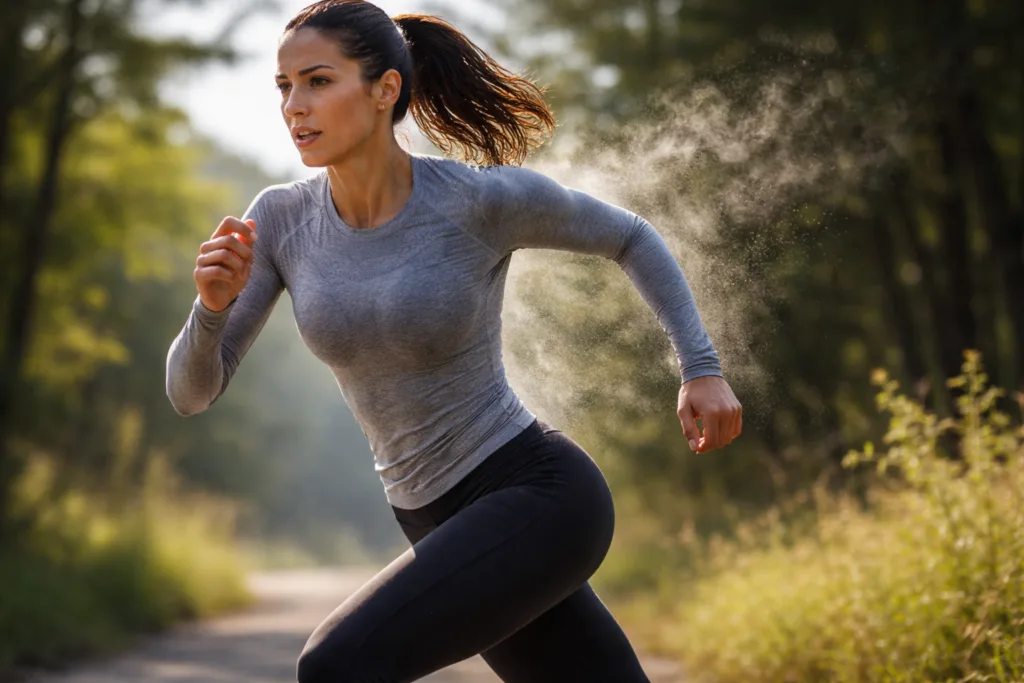
The phrase “Performance & Technical Fabrics in Sportswear” encapsulates the current gold standard in athletic apparel innovations. It covers everything from quick-dry and moisture wicking fabric, to smart mechanical stretch and engineered spandex blends. Selecting the right technical fabric starts with a clear understanding of end-use: heavy sweating, flexibility needs, fit expectations, and target market climate. Buyers and brands should engage directly with fabric mills on specs like GSM, wicking ability (AATCC 197 measurement), and stretch recovery, while always validating in PP samples and size sets. Even the best-engineered fabric can fall short if production shortcuts are made during cutting, sewing, or finishing. As garment makers, we must bridge the gap between lab certification and real-world durability, always pushing for factory-floor checks and user trials alongside lab benchmarks.
Key Takeaways
- Technical sportswear fabrics should always be specified using clear test and performance metrics (not just brand marketing terms)
- Quick-dry does not guarantee breathability—both need to be validated separately
- Spandex blends are best for fitted, high-movement apparel, while mechanical stretch suits casual-fit styles
- Always sample and test in finished garment form before committing to bulk
For further reading and latest technology updates, consult textile testing standards such as those from AATCC and ISO, as well as credible garment manufacturing sources like Apparel Wiki.
Frequently Asked Questions
What makes a fabric “technical” in sportswear?
A fabric is considered technical in sportswear if it’s engineered to deliver specific features such as moisture wicking, breathability, stretch, durability, or UV protection, beyond basic comfort and aesthetics.
Which sportswear fabrics are best for moisture management?
Polyester-based fabrics with moisture wicking yarns or finishes, as well as blends with spandex or nylon, provide superior moisture management compared to cotton or viscose-only knits.
How can I check breathability in technical fabrics?
Breathability can be evaluated with lab tests measuring air permeability and moisture vapor transmission, but buyers can also use a simple “breath test” or look for mesh panels for enhanced airflow.
What’s the difference between mechanical stretch and elastane?
Mechanical stretch comes from how a fabric is woven or knitted, offering basic flexibility, while elastane (or spandex) is a fiber that delivers high stretch and full recovery for fitted garments.
Why are spandex blends popular in sportswear?
Spandex blends combine comfort, a snug fit, shape retention, and allow for dynamic movement, making them ideal for tights, leggings, base layers, and compression garments.
What production factors can impact performance fabrics?
Poor fabric relaxation, improper needle choice, incorrect seam type, or rushed finishing can all reduce the intended performance of technical sportswear fabrics after washing and wear.