Introduction to Polyester Fabric Types in Activewear
Polyester has earned its leadership position in the activewear world due to its unmatched blend of performance, durability, and adaptability across diverse fabric constructions. Whether you’re shopping for athletic T-shirts, technical leggings, or performance hoodies, understanding the specific polyester fabric types—especially microfiber polyester, interlock, and tricot—is essential for buyers, designers, and factory managers alike. Each construction offers unique properties rooted in how the fibers are formed, knitted, or woven, with clear impact on anti-pilling, moisture management, and long-term wear.
Why Polyester Leads the Pack
Polyester’s ascendancy in sportswear isn’t random. Compared to cotton and nylon, it resists shrinkage, dries rapidly, and stands up to tough washes. Factories appreciate its predictable performance during cutting and sewing, while end-users value fabrics that look fresh after dozens of washes. Innovations like microfiber spinning and advanced knit structures further push the boundaries of what polyester can achieve in comfort and wear.
Key Terms & Definitions
- Microfiber Polyester: Ultra-fine synthetic fibers under 1 denier, delivering silk-like smoothness, high wicking, and premium drape.
- Interlock: Double-knit circular structure known for stability, opacity, and soft handfeel.
- Tricot: Warp-knit with fine vertical wales, famed for lightweight, snag resistance, and stretch recovery.
Polyester Fabric Variants: Microfiber, Interlock, Tricot
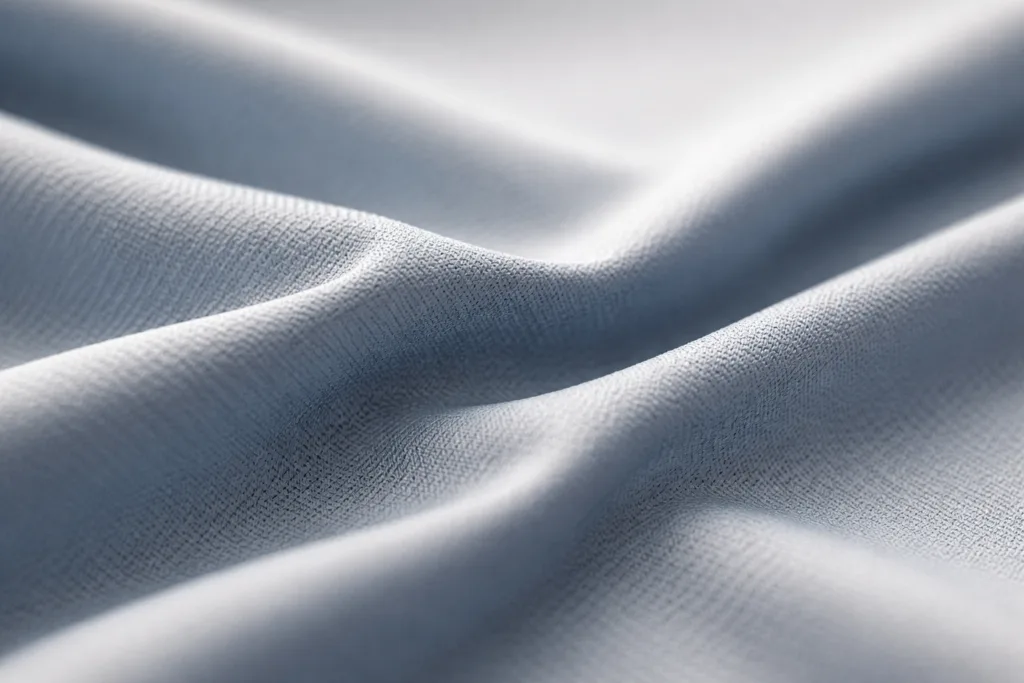
The three most influential polyester fabric types in modern activewear manufacturing are microfiber, interlock, and tricot. Each offers distinct advantages depending on the intended use, aesthetic, and durability required, but all leverage the underlying strength and low-maintenance surface of polyester. Below, we dive deep into their defining traits, processes, and practical implications for production and end use.
Microfiber Polyester: Structure and Superiority
Microfiber polyester stands out for its exceptionally fine yarn—often less than 1 denier, about one-fifth the thickness of human hair. In the garment trade, we favor microfiber for its gentle hand, subtle sheen, and striking wicking properties, especially vital in sweat-prone sportswear. The tight weave also combats pilling and lint formation.
Common Applications
- Premium sports T-shirts
- Running shorts
- Technical base layers
- Lightweight summer polos
In-factory Challenges
Cutting microfiber can be tricky—fabric slippage demands precise sharpness and controlled spread. Needle selection should prioritize fine ballpoints to prevent snags or holes. For anti-pilling assurance, always request pill test data (Martindale, minimum 5000 cycles) from suppliers before approving bulk.
Interlock Polyester: Double-Knit Power
Interlock knit (using 28G–32G circular knitting machines) constructs two layers of loops linked together, producing a thicker, more stable fabric compared to single jersey. This structure brings balanced weight (usually 180–220 GSM for activewear), opacity, and a smooth surface ideal for sublimation printing. The anti-curl edge simplifies panel cutting—important for efficient factory layout.
Key Properties
- Superior anti-pilling performance
- No show-through (popular for yoga pants and sports bras)
- Consistent stretch and recovery (spandex blend optional)
- Easy to handle on automated cutting lines
Tricot Polyester: Warp-Knit for Mobility
Tricot, crafted via warp-knitting with fine polyester filament yarns, excels in ultralight activewear. The fabric’s distinct vertical ribs ensure dimensional stability and a fluid drape. Typical GSM ranges from 80–150, making it preferable for lining, jerseys, and quick-dry shorts. Tricot’s construction also reduces snagging and edge fray, simplifying large-scale garment assembly.
Tricot Best Practices
- Specify tricot for items needing maximum stretch across width
- Check for consistent dye penetration—some warp-knits are sensitive
- Insist on standard shrinkage <2% post-wash
- Avoid sharp-edged trims, which can catch on the open-knit texture
Why Polyester Dominates Activewear
The dominance of polyester in activewear stems from several interconnected advantages. First, the fiber’s inherent hydrophobicity means moisture doesn’t linger, keeping garments and skin dry. Second, polyester’s resilience prevents stretching out, even after repeated machine washes and aggressive sports use. Chemistry advances (anti-microbial, wicking, and anti-pilling finishes) further reinforce its position. Factories also appreciate the consistent roll width, colorfastness, and predictable shrinkage rates when scaling up production.
| Fabric Type | Typical GSM | Key Performance | Best Use |
|---|---|---|---|
| Microfiber Polyester | 130–160 | Silky handfeel, superior wicking, anti-lint | Base layer, premium T-shirt |
| Interlock Polyester | 180–220 | Stable, opaque, anti-pilling, print-ready | Polo shirts, leggings, yoga wear |
| Tricot Polyester | 80–150 | Stretch, smooth vertical wales, quick-dry | Performance shorts, linings, jerseys |
Weave vs. Knit: How Construction Shapes Performance
Understanding the distinction between woven and knit constructions is essential when selecting polyester fabrics. Woven polyester is used for highly structured garments like running windbreakers or sports uniforms that require minimal stretch. Knitted polyester (interlock, single jersey, tricot) dominates flexible, comfort-focused activewear. Knits can be engineered for directional stretch, improved recovery, and streamlined cutting.
Knit Advantages in Activewear
- Superior stretch and recovery for all-day comfort
- Reduced fraying; less need for seam reinforcing
- Enhanced shape retention after repeated laundering
Factory Production Recommendations
- Confirm GSM and yarn density specs before bulk booking
- Test edge curling behavior, crucial for automatic spreaders
- Match stitch type: use overlock (504/514) for knit seams, lockstitch (301) for woven
Anti-Pilling Features & Quality Control in Polyester Fabrics
Pilling—those unsightly fabric surface balls—can ruin the look of activewear and prompt costly returns. Microfiber and interlock polyester are naturally resistant, but finishing processes seal the deal. Garment production teams should request anti-pilling test results (Martindale or ICI pill box method, minimum Grade 4 after 5,000 cycles) and check for softener treatments (often silicone-based) that smooth the fiber ends. Before shipment, inspect production samples for surface fuzz and perform vigorous rub tests at critical areas (side seams, cuffs, underarms).
Anti-Pilling Checklist
- Validate with lab pill test reports
- Confirm finishing chemicals don’t compromise breathability
- Specify minimum wash durability (30+ cycles at 40°C)
Rain’s tip from the production line: Always request a physical anti-pilling swatch from the supplier before bulk—don’t rely solely on ratings.
Selecting the Right Polyester Fabric: Practical Buyer & Factory Guide
Nailing the choice of polyester is a balance of end-use needs, cost, production constraints, and branding goals. Buyers and factories should collaborate over the following decision points:
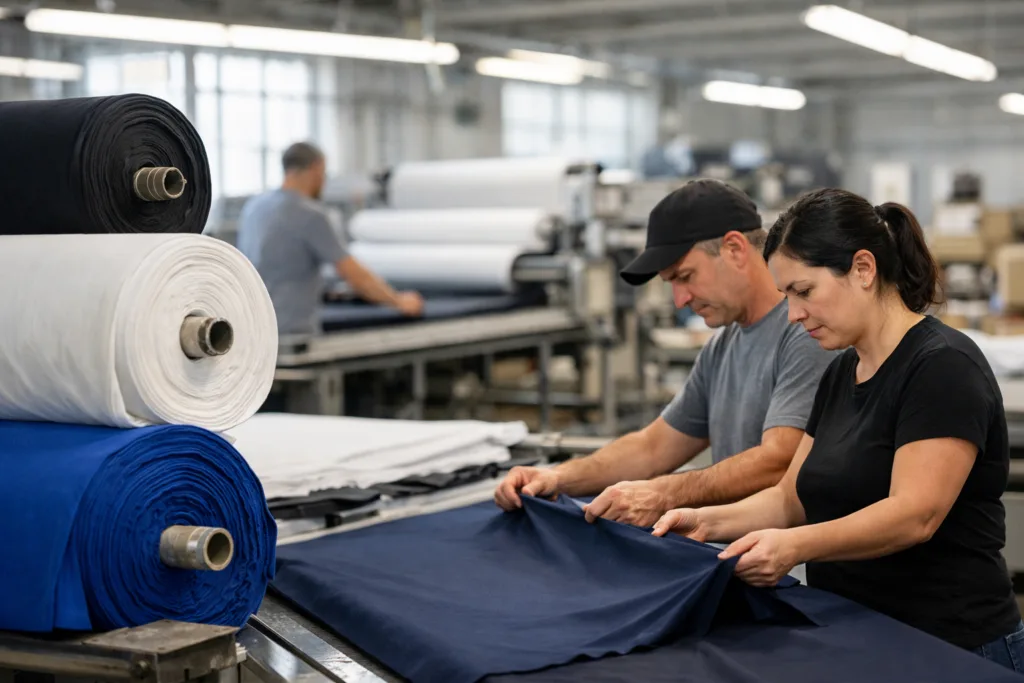
- Application: For core sports tees, microfiber is ideal; for leggings or polos, interlock excels; for lining or ultra-light jerseys, tricot leads.
- GSM & yarn count: Always specify, don’t assume; granularity makes a big difference in handfeel and durability.
- Finish: Chemical softeners boost comfort; test for odor retention and anti-bacterial claims.
- Colorfastness: Insist on dye lot shade band before bulk; check color rub, sweat, and washfastness reports.
- Seam Construction: For knits, overlock and coverstitch (602) provide strength without bulk.
Garment Construction & Sewing for Polyester Activewear
Garment assembly from polyester knits requires attention to panel stretch, seam durability, and shrinkage allowance. For interlock and tricot, use ballpoint needles to prevent fabric damage. Knit trims (ribbed necks, cuff bands) typically use blend yarns with spandex added for recovery. Measurement specs should include tolerance charts (±1 cm for body widths) and pre-production wearer trials for checking fit and dynamic movement. Always preshrink polyester test lots and confirm final shrinkage <2%. Stitch density (SPI: 10–12 for interlock, 12–14 for tricot) controls seam performance and risk of puckering.
Common Stitch Types:
| Stitch Code | Name | Use Case |
|---|---|---|
| 301 | Lockstitch | Main seams in woven polyester |
| 504/514 | Overlock | Edge finishing in knits |
| 602 | Coverstitch | Hem, binding, activewear armholes |
| Bartack | Reinforcement | Pocket corners, bar-tack points |
Quality & Performance Testing for Polyester Activewear
Activewear must meet tough performance benchmarks. Factories and buyers should run tests on:
- Dimensional stability: Shrinkage after wash (target: <2%)
- Colorfastness to rub, perspiration, light
- Pilling resistance
- Seam slippage and bursting strength
- Odor retention after multiple wears
Testing should use accredited lab protocols (such as those recommended by OEKO-TEX® for restricted substances) and results communicated upfront on spec sheets. Factories should also consider wearer trials for comfort over prolonged use and post-wash appearance retention. For export, quality systems like inline/inline QC and end-line audit (AQL system) ensure only consistent bulk ships.
Environmental & Compliance Considerations
Awareness of polyester’s environmental impact is rising. Garment makers and brand buyers should seek OEKO-TEX®-certified fabrics, inquire about recycled polyester options, and verify compliance with REACH (for chemical limits) where applicable. Needle control, metal detection, and restricted substance tests (especially nickel-free trims for sports garments) are essential steps for safety and consumer confidence, especially if producing for EU/US markets.
Sustainable Next Steps
- Request recycled fiber content certificates
- Choose low-impact dyeing and finishing processes
- Confirm polybag thickness and venting for packed garments
- Promote eco-friendly labeling and minimal packaging
Branding, Decoration & Packaging for Polyester Sportswear

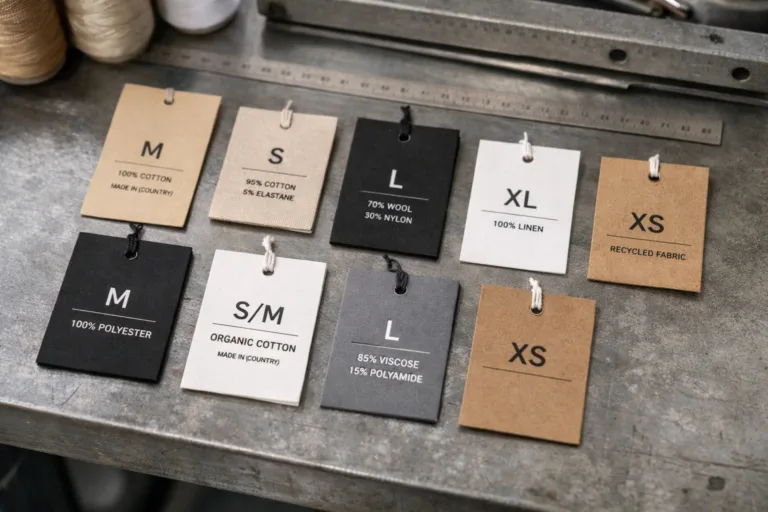
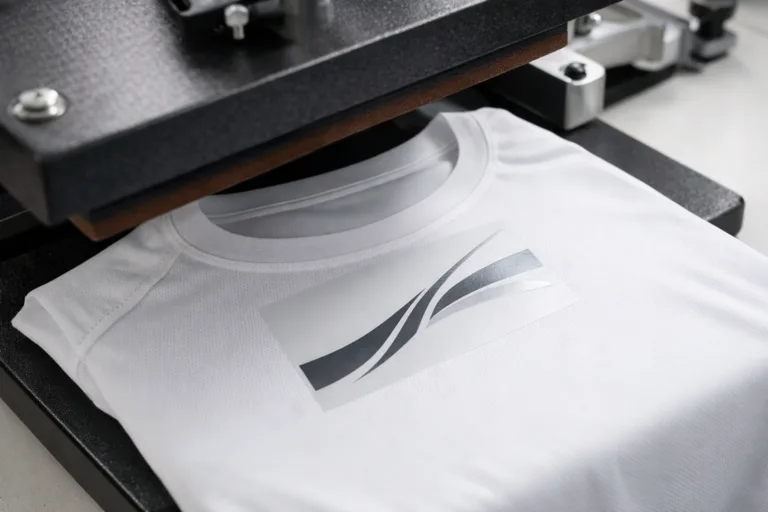
Decoration methods on polyester vary. Sublimation printing excels on interlock and tricot, delivering vibrant color with durable wash performance. Heat transfer and DTG are also popular but require precise temperature control to avoid fabric puckering or print bleed. Embroidery is best reserved for dense interlock panels, with underlay stabilizers ensuring stitch integrity. Packaging should employ standard folding, ratio packing by size curves (M:L:XL), and carton marking—ideally with recycled packaging materials for sustainability claims.
QA for Decorated Sportswear
- Check print seam alignment after bulk finishing
- Test washing for decoration longevity
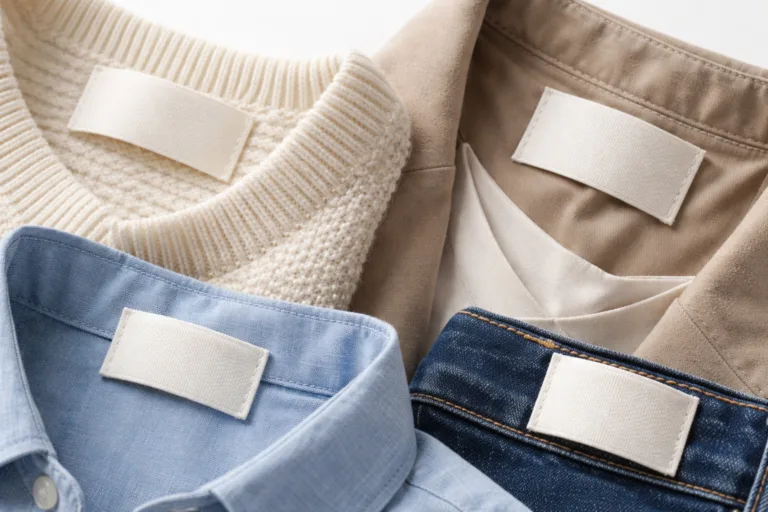
- Confirm label placement matches brand guidelines
Frequently Asked Questions
What is microfiber polyester and why is it ideal for activewear?
Microfiber polyester uses ultra-fine synthetic yarns for a smooth feel, excellent wicking, and anti-pilling surface, making it perfect for sweat-prone sportswear.
What is the difference between interlock and tricot polyester?
Interlock is a double-knit fabric with thickness and opacity, while tricot is a warp-knit with vertical wales and better lightweight stretch for mobility.
How do factories check anti-pilling features in polyester fabrics?
Factories rely on lab-based pill tests, such as Martindale or ICI methods, usually seeking a minimum Grade 4 result after 5,000 cycles.
Can polyester fabrics be recycled and are there eco-friendly options?
Many suppliers now offer recycled polyester; buyers should request fiber content certificates and OEKO-TEX® compliance for environmental assurance.
Which stitch types are best for polyester activewear?
Overlock and coverstitch are ideal for knits like interlock and tricot, while lockstitch is used for woven polyester constructions.
What packaging is recommended for exported polyester sportswear?
Standard practice is ratio packing by size, using recycled polybags and sturdy cartons with clear marking for shipment tracking.