Understanding Pre-Production (PP) Samples in Metal Products Manufacturing
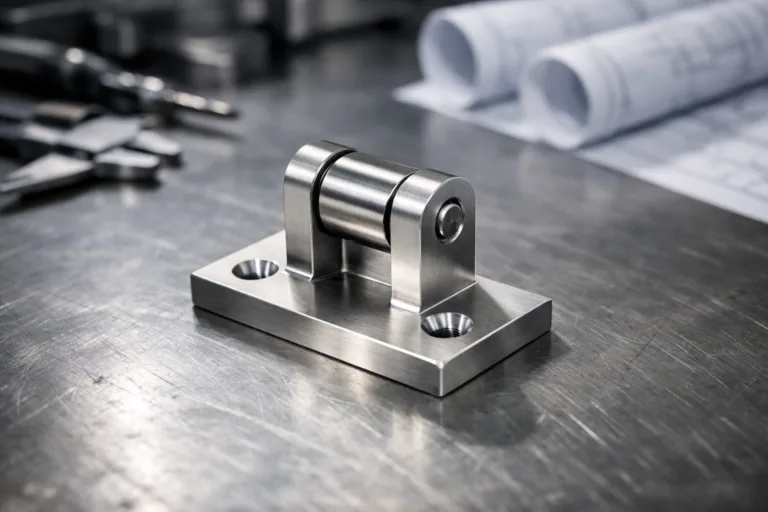
In the world of metal product manufacturing, ensuring every item meets expectations is non-negotiable. A Pre-Production (PP) Sample is your first safeguard—a physical unit made before mass production begins. It enables you and your manufacturer to review, approve, and tweak crucial features, so the bulk order aligns with your standards. This article explores What is a Pre-Production (PP) Sample and Why is it Critical?, particularly for those interested in quality assurance and successful outcomes in the metal products sector.
What is a Pre-Production (PP) Sample and Why is it Critical?
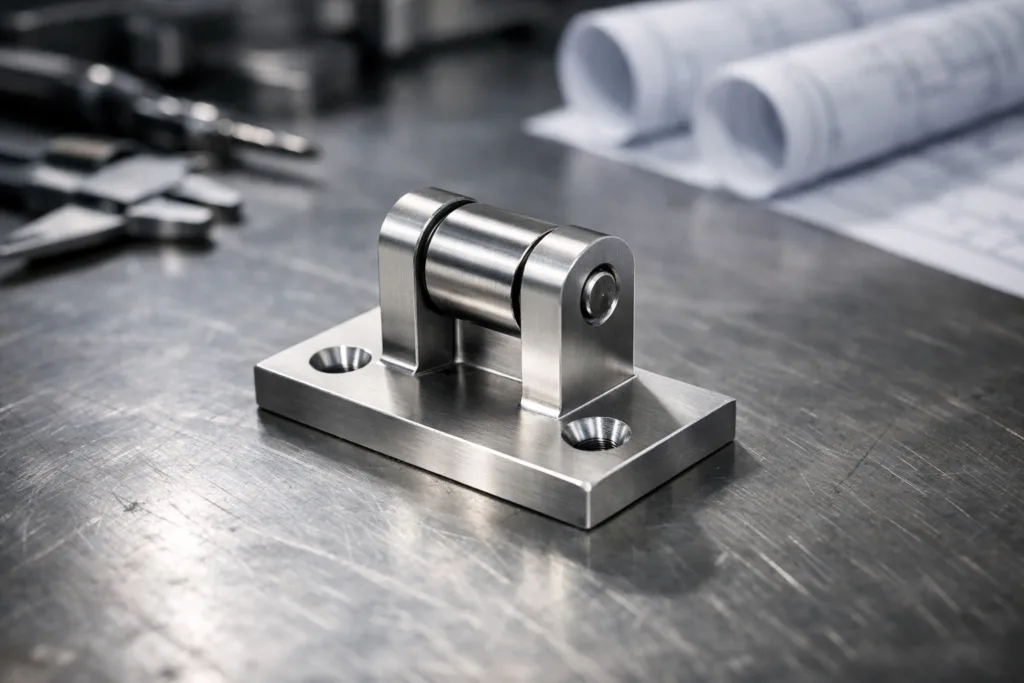
A Pre-Production (PP) Sample is a fully constructed, factory-produced sample that mirrors the intended product using final materials, trims, components, and construction methods. It serves as the “reference unit” for both client and manufacturer before full production kicks off. The PP sample is essential to communicate expectations, confirm compliance with design specifications, and reduce risk—making it indispensable in quality assurance for metal products.
The Role of PP Samples in the Manufacturing Process
PP samples bridge the creative design phase and the realities of manufacturing. They validate processes, helping both sides to spot any engineering limitations or adjustments required for mass production. This hands-on model is a powerful tool, especially when compared to earlier examples like proto or fit samples, which often differ in materials or construction. To learn more about where PP samples fit into the broader sampling process, see How the 5 Stages of Apparel Sampling Streamline Garment Creation and Quality.
Benefits of Using PP Samples for Quality Assurance
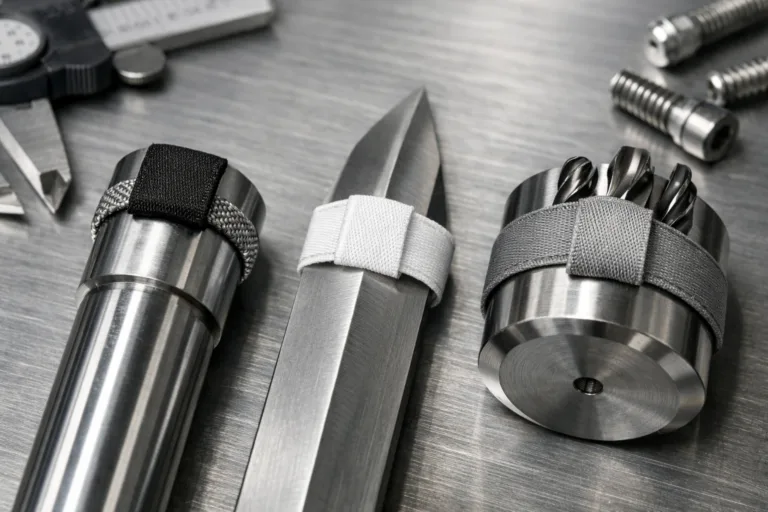
PP samples shine as quality assurance anchors. They help ensure every part of the finished product matches the approved standard. For metal products, this can include checking welding strength, material thickness, finishing details, and operation of moving parts. Evaluating these physical qualities before high-volume production avoids costly mistakes and rework.
Materials, Design, and Specifications: Why Details Matter
A PP sample made from precise, production-intent materials reveals hidden issues that might not show in digital or early-stage prototypes. For instance, using the correct grade of metal could expose unexpected warping or joint alignment concerns. Cross-verifying every dimension, finish, and feature of the PP sample against the tech pack helps prevent later surprises in the production run.
Spotting Potential Defects Early
One of the most practical benefits of PP samples is early defect detection. Using approved samples, factory teams and clients can agree on weld quality, component fit, finish smoothness, and mechanical operation. Identifying and resolving flaws before mass production saves time and money, while boosting confidence for all stakeholders.
Ensuring Compliance to Client Specifications
Many clients, especially in regulated industries, supply detailed specs or tech packs outlining every requirement. The PP sample checks that every requirement—size, gauge, plating, surface finish, functionality—matches. If something is off, corrections can be made collaboratively, ensuring the final products pass client and regulatory audits. You can see more about communicating changes effectively in How to Communicate Pattern Corrections to Your Factory with Precision and Confidence.
Reducing Production Risks and Unexpected Costs
Every large-scale production run carries financial and material risks. Approving a PP sample eliminates ambiguity about what will be delivered. It also minimizes the risk of entire shipments failing inspection or customer rejection, which can add enormous costs and delays.
How PP Samples Improve Communication
Clear, physical examples cut through language and cultural gaps common in global manufacturing. Both sides have the same object in hand. All parties can reference the agreed standards and features, update documentation, and clarify doubts before moving forward. This physical communication tool is often more impactful than illustrations or digital models.
The Critical Comparison: PP Sample vs. Proto Sample
While proto samples are early, sometimes handmade or partial, models for concept testing, PP samples reflect all approved changes and meet production standards. Thinking one can skip the PP sample and rely on proto or fit samples is a common mistake, as illustrated in 6 Proven Ways to Master Proto Sample vs. Fit Sample in Metal Manufacturing. Skipping this step often results in costly errors.
Typical Steps in Approving a PP Sample
- Submission of the sample by the manufacturer
- Physical or virtual inspection by the client
- Feedback exchange (Photos, comments, measurement reports)
- Corrections (if necessary) and production of revised samples
- Final approval before release to mass production
Common Issues Uncovered in the PP Sampling Stage
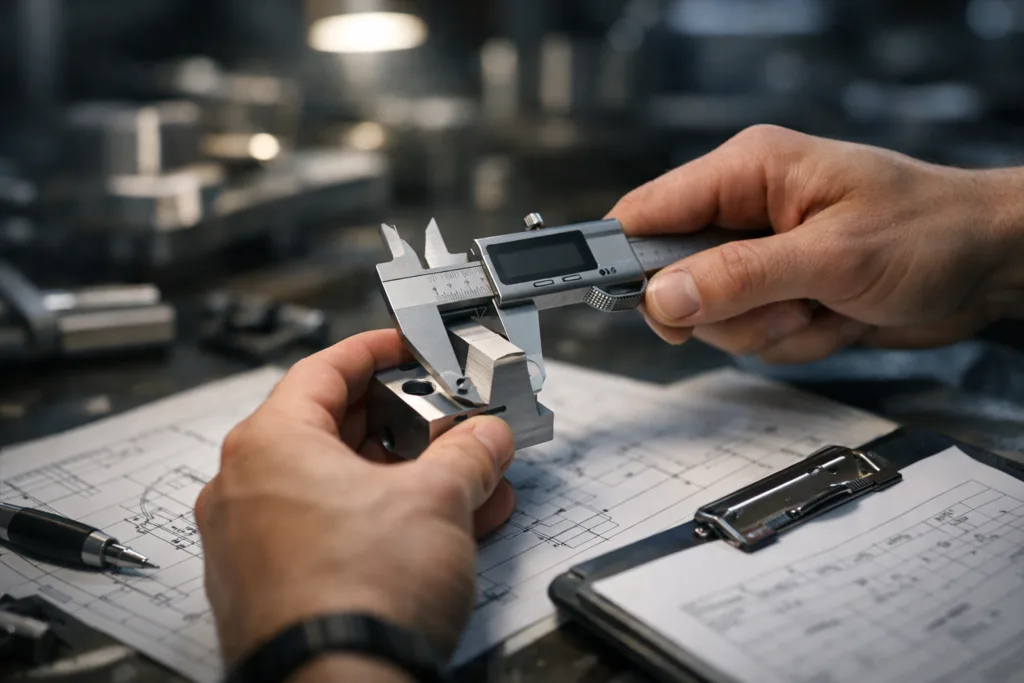
At this stage, many issues come to light—dimensional deviations, sharp edges, incorrect coatings, missing features, or faulty packaging. Identifying and fully resolving them before signoff is crucial. The ability to check tolerance in measurements can save hundreds or thousands of units from requiring rework.
The Importance of Documenting Changes After Sampling
Post-sample changes should be accurately captured. Updated tech packs, annotated images, and revised measurement charts help create a binding reference for production. Apparel Wiki recommends always following a clear process for updating your tech pack after sample reviews, as verbal agreements alone can lead to costly misunderstandings.
Who Approves the PP Sample? Roles and Responsibilities
Approval usually involves cross-functional teams—engineers, designers, QA staff, and sometimes end customers for private-label or white-label goods. Having multiple stakeholders sign off ensures alignment and accountability across departments and even countries.
PP Samples and The Tech Pack Connection
All feedback during the PP sample review must be tied back to the original tech pack (specifications sheet, drawings, packaging instructions). Every change becomes part of the control documents, ensuring clarity from approval to packing and delivery. Misalignment here can result in disputes or failed deliveries.
Impact of PP Sampling on Lead Times
Although PP sampling can extend the timeline slightly, it typically shortens overall lead times by reducing the chances of large-scale rejections and remediation work. The small investment upfront yields exponential savings in time and money downstream.
Traps to Avoid During PP Sample Evaluation
- Rushing approvals without thorough checks
- Assuming minor differences don’t matter
- Not measuring all critical dimensions
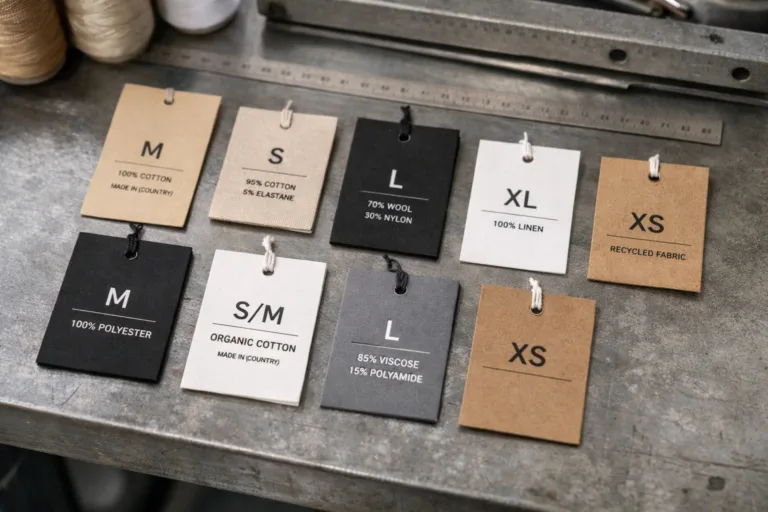
- Overlooking packaging and labeling details
Clear and detailed scrutiny is the key to a smooth production run.
Physical vs. Digital PP Samples
Especially with metal products, a physical sample is vital. While 3D renderings or CAD files can highlight most aspects, only a physical sample reveals real-world issues—like feel, weight, hardware fit, and finish quality. Alongside digital documentation, a tactile check is irreplaceable in quality assurance processes.
The PP Sample’s Role in Quality Control (QC) Inspections
After mass production, the original, approved PP sample is used as a “gold standard” during quality control inspections. Inspectors compare outgoing goods directly to this sample—anything outside the acceptable range is flagged for correction or rejection. For more on developing strong QC procedures, visit Apparel Wiki’s Production & QC tools.
How Many PP Samples Should Be Made?
Typically, manufacturers produce two to three PP samples per order: one for the factory, one for the client, and sometimes a third for the QC inspector. This ensures everyone references the same standard.
PP Samples in Regulated Industries and International Trade
Strict product regulations or standards—such as those in automotive, medical, or construction metal parts—often require formal PP sample review and signoff. Meeting regulatory requirements at this stage can prevent customs delays, recalls, or fines.
How PP Samples Reduce Returns and Warranty Issues
Factory errors or miscommunications cause many returns and warranty claims. Approving and referencing a PP sample minimizes these risks by aligning expectations before full production. Everyone—factory, brand, and customer—has more peace of mind.
Challenges and Limitations of PP Sampling for Metal Products
Despite all advantages, challenges can arise: material shortages may delay sample creation, or small samples might not reflect scaling issues. Even so, skipping or short-cutting this step often leads to more expensive trouble later on.
Real-World Industry Examples
Consider a metal furniture supplier who overlooked the PP sample step, resulting in off-spec holes and unstable units upon delivery. A single sample would have highlighted issues—showing the value of this critical checkpoint in quality assurance.
Apparel Wiki Perspective: Why Consistency Matters in Sampling
Over years of industry knowledge, Apparel Wiki has seen that brands with disciplined sampling and approval procedures consistently outperform. Manufacturers benefit from fewer disputes and smoother workflows, while clients feel secure that their quality targets are well understood. Creating and following uniform sampling protocols helps all parties build lasting trust.
Key Takeaways for Metal Product Developers
- Never skip PP samples; use them to catch issues early
- Review every detail, including finish and packaging
- Always link changes back to controlled documents
- Keep all stakeholders involved in approvals
Conclusion: Why Every Metal Product Brand Needs a PP Sample Strategy
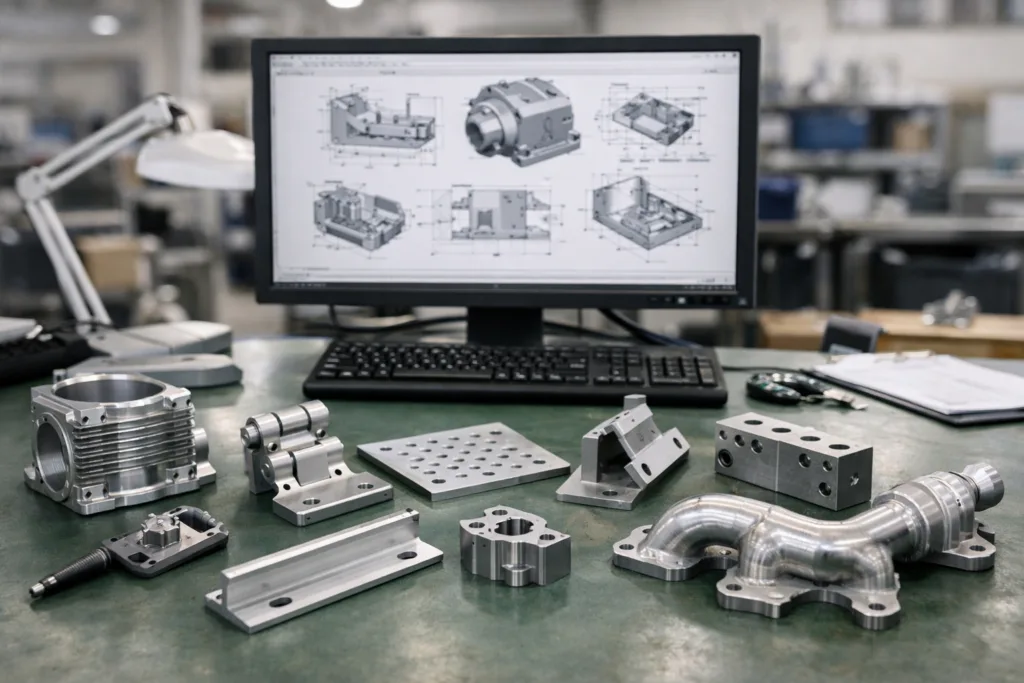
In metal products manufacturing, the PP sample serves as both a quality gate and a communication bridge. It helps ensure compliance, build trust, and prevent disputes and delays. Taking PP samples seriously—reviewing, adjusting, and documenting clearly—is a practical investment that leads to higher satisfaction and business success. Managing PP samples with attention and discipline will always cost less than correcting mass production mistakes.
Frequently Asked Questions
Why can’t I skip the Pre-Production (PP) sample in metal product manufacturing?
Without a PP sample, you risk missing defects, miscommunications, or non-compliance issues, all of which can lead to costly production runs and even customer rejections.
How is a PP sample different from a proto sample?
A proto sample tests concepts or fit, while a PP sample is built with final materials and processes as the “master copy” for production approval.
Who should be involved in PP sample approval?
Cross-functional teams like engineers, QA specialists, and clients should all review and approve the PP sample to ensure company-wide alignment.
How many PP samples are generally needed for a metal product order?
Usually, two to three: one for the factory to keep, one for the client, and sometimes one for the QC inspector to use as the standard reference.
What is checked during a PP sample review?
All product features are checked: dimensions, tolerance, finish, function, materials, and compliance with the tech pack or specifications sheet.
Does the PP sample process slow down production lead time?
While approving a PP sample can add a little time upfront, it drastically reduces delays caused by major errors or rework during or after production.
Related Reading
- Critical Differences Between Proto Samples and Fit Samples for Effective Manufacturing
- The Five Stages of Sampling Every Garment Developer Should Master
- Expert Tips: Communicate Pattern Corrections to Your Factory Without Errors
- Unlocking Quality: Understanding Measurement Tolerances for Fewer Returns
- Step-by-Step: Updating Your Tech Pack After Sample Review for Production Success