Introduction: Proto Sample vs. Fit Sample Unveiled
Understanding Proto Sample vs. Fit Sample: Knowing the Difference is essential for anyone involved in product development, design engineering, or manufacturing—especially when it comes to metal products. These two sampling stages have distinct roles and outcomes, and the choice you make can shape the trajectory of your project. Whether you’re starting a new product line, refining a prototype, or preparing for production, knowing when to use a proto sample or a fit sample could be the difference between costly delays and seamless success. Let’s dive into the definitions, differences, practical applications, and sampling best practices in the world of metal fabrication and beyond.
Understanding Proto Samples in Manufacturing

A proto sample, often referred to as a prototype sample, is the first physical iteration of a design. It’s used for concept validation, initial testing, and to evaluate feasibility. In metal product development, proto samples allow engineers and designers to physically interact with their concepts, checking structural stability, surface finish, and manufacturing method compatibility before refining the design for functionality and fit.
Key Characteristics of Proto Samples
- Early-stage development
- Not intended for functional performance assessment
- Focuses on shape, mechanics, and initial material choices
- Often produced with quicker, less expensive processes
Why Proto Samples Matter
Proto samples help uncover potential issues before they cascade into larger production setbacks. They are invaluable for catching design flaws, exploring material options, and evaluating manufacturability. For example, when developing a new metal fastener or bracket, a proto sample can reveal if a selected alloy bends, cracks, or warps unexpectedly under stress.
The Role of Fit Samples in Development
A fit sample, on the other hand, is created to test the product’s final form, fit, and function. This sample comes after design refinement and is closer to how the finished product will perform. Fit samples are instrumental in garment manufacturing, but their principles apply broadly—especially for metal parts where dimensions, tolerances, and interfacing are critical.
Fit Sample Features
- Late-stage sampling
- Used for functional and tolerance verification
- Replicates final materials, finishes, and processes
- Assess overall usability and compatibility
When Fit Samples Are Used
Fit samples are necessary when the design is nearly locked in and the main questions pertain to how the item will assemble, interface, or fit with complementary components. For instance, in metal product manufacturing, fit samples help confirm that a newly designed hinge aligns perfectly with the intended mounting points.
Proto Sample vs. Fit Sample: Knowing the Difference
The fundamental distinction lies in purpose. Proto samples validate the concept, while fit samples validate the execution. Proto samples answer “Can we make this?”; fit samples answer “Does this do what it needs to do?”
| Feature | Proto Sample | Fit Sample |
|---|---|---|
| Stage | Early | Late |
| Purpose | Concept testing | Fit/function testing |
| Materials | Experimental or provisional | Production-grade |
| Process | Rapid prototyping, basic tools | Full-scale production |
| Assessment Focus | Feasibility, shape | Fit, tolerance, usability |
Proto Samples in Metal Product Development
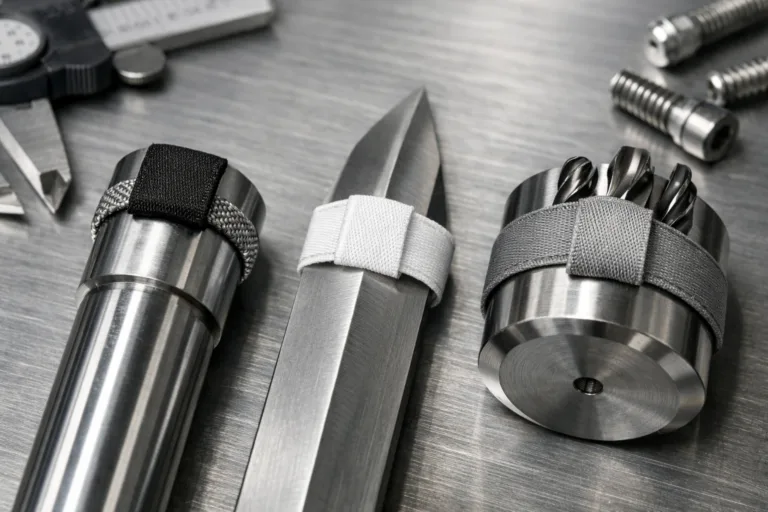
In metal manufacturing, proto samples might use alternative materials or simplified forms to test core concepts. Common techniques include rapid CNC machining, 3D metal printing, or inexpensive stamping. These allow teams to evaluate if the product’s geometry translates from a digital model to something manufacturable by physical processes. The conversion of digital patterns to production files becomes critical at this stage for accuracy and future scalability.
Industry Example: Sheet Metal Chassis
Consider a sheet metal chassis for electronics: A proto sample might use thinner material and unpainted surfaces, focusing on assembly method and shape. Only after these factors are confirmed does the design progress to fit sampling, where finish, rigidity, and mounting are scrutinized for end use.
Fit Samples in Metal Product Manufacturing
Fit samples in metal products use actual production materials and full processes. The focus shifts from concept to details: do all mounting holes align, does surface treatment meet spec, and does the part interface with others seamlessly? Measurement charts and tolerance guides are critical at this stage to avoid costly mismatches. A detailed guide like understanding tolerance in garment measurements can offer frameworks that apply well to metal parts, too.
Case Study: Metal Bracket Fit Testing
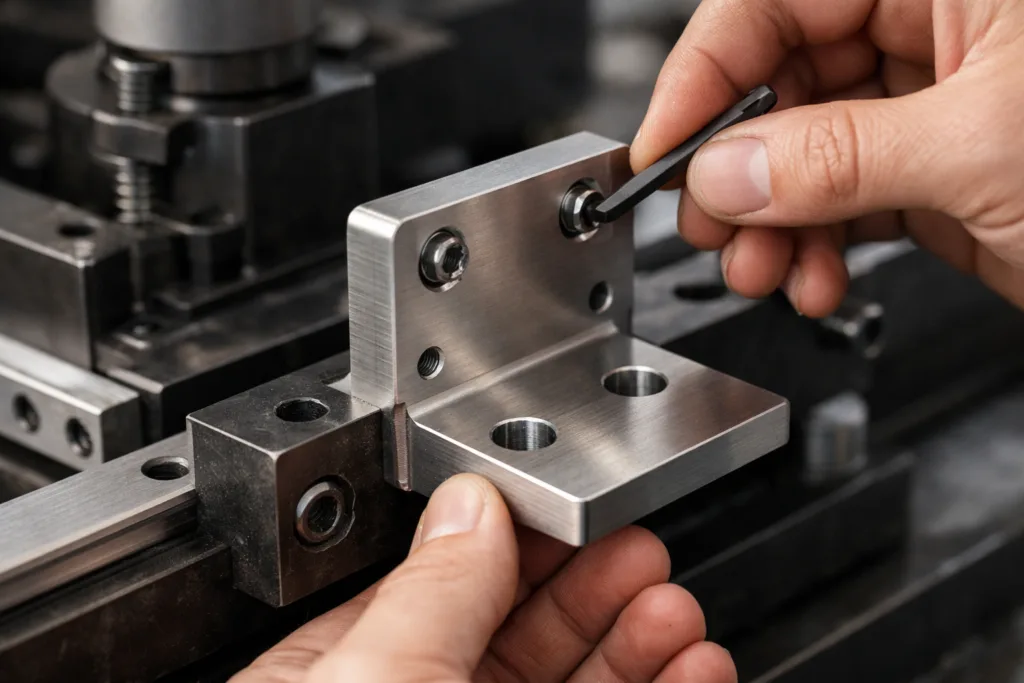
A new metal bracket’s fit sample will be assembled onto the final equipment, tested for load-bearing capability, and checked for ease of installation. If results meet expectations, the sample signals readiness for mass production.
Sampling Techniques in Metal Fabrication
Sampling in metal fabrication ranges from manual prototypes to advanced digital pattern creation. Techniques include CNC prototyping, laser cutting, and high-fidelity 3D printing. Each technique is chosen based on the project’s needs—rapid turnaround for proto samples, precise tolerance for fit samples. Apparel Wiki notes that digital pattern making tools, such as Gerber or DXF files, streamline the transition between sampling stages for both metals and textiles.
Digital Pattern Conversion for Metal
When transferring designs from software to production, accurate conversion is crucial. Converting digital patterns ensures the proto sample is a true reflection of the intended geometry, setting the stage for accurate fit samples later on.
The Factory Perspective: Why Both Samples Matter
From a factory standpoint, proto samples help clarify manufacturability and prevent production bottlenecks. Fit samples, meanwhile, ensure that products meet client expectations and functional requirements. Factories often request both because skipping one stage can lead to either wasted materials or missed design flaws.
Real-World Outcomes: Choosing Suitable Sampling
Choosing the wrong sample at the wrong time creates risks—proto samples alone miss functional flaws, while fit samples without prior proto validation may waste resources. For complex metal components, skipping proto samples often leads to redesigns, while skipping fit samples risks usability issues in the final product.
Best Practices for Managing the Sampling Process
Successful sampling relies on structured timelines, clear communication, and proactive troubleshooting. Start with proto samples to validate the basics, then advance to fit samples for functional assurance. Using precise measurement charts, up-to-date tech packs, and detailed specs prevents unnecessary errors.
Tips for High-Quality Sampling
- Document every design iteration
- Use digital patterns for accurate conversion
- Implement clear comments when sharing feedback with factories (see factory communication techniques)
- Schedule fit sessions after proto validation to minimize revisions (great advice from fit session with a live model)
- Review tolerances closely to avoid production surprises
Common Mistakes in Sampling and How to Avoid Them
Frequent errors include insufficient documentation, unclear specifications, and skipping sampling steps. Skipping proto samples is tempting to save time, but results in large-scale failures if manufacturing limitations aren’t caught early. Not updating tech packs after sampling can introduce inconsistencies (see tech pack update steps).
Integrating Proto and Fit Sampling for Maximum Quality
Quality assurance comes from integrating both proto and fit sampling stages. Early mistakes are caught with proto samples, while fit samples confirm every detail meets production requirements. This layered approach is required for metal products where tolerance gaps can translate to expensive field failures.
Sampling in the Apparel Industry: Lessons for Metal Manufacturing
While the focus here is metal products, garment sampling offers valuable strategies. Techniques like pattern grading, tech pack development, and digital specs can enhance sampling for metal components. Apparel Wiki finds that structured sampling stages boost clarity and reduce costly surprises (see 5 stages of apparel sampling).
Tools and Technology That Simplify Sampling
Modern sampling relies on digital pattern tools, CAD software, and communication platforms for tech pack sharing and review. Using measurement charts and tolerance guides can streamline fit sample approval and prevent costly errors (
measurement chart for development also applies to metal parts).
When to Choose Proto Sample vs. Fit Sample
Always begin with proto sampling if concept, manufacturability, or new materials are involved. Move to fit sampling only when confident the design is ready for detailed functional and interface tests. This stepwise progression saves time, minimizes waste, and ensures the finished metal product will perform in the field.
Expert Tips for Managing Metal Sampling Projects
Keep a sampling timeline, involve cross-functional teams early, and document every feedback cycle. Use digital patterns for all sample creation, maintain clear communication with suppliers, and never skip feedback-based revisions. Check tolerances and fits iteratively, especially in sections that interface or bear loads.
Practical Examples: Proto vs. Fit Sample in Metal Products
Example: For a new metal enclosure, the proto sample tests for manufacturability and basic assembly. After refinements, the fit sample checks mounting, finish, and performance in its intended environment.
Example: Metal machined bracket
- Proto sample: Rapid machined version, tests shape and hole location
- Fit sample: Final material, full finishing, checks installation fit, load, and tolerance
How Technical Documentation Supports Sampling
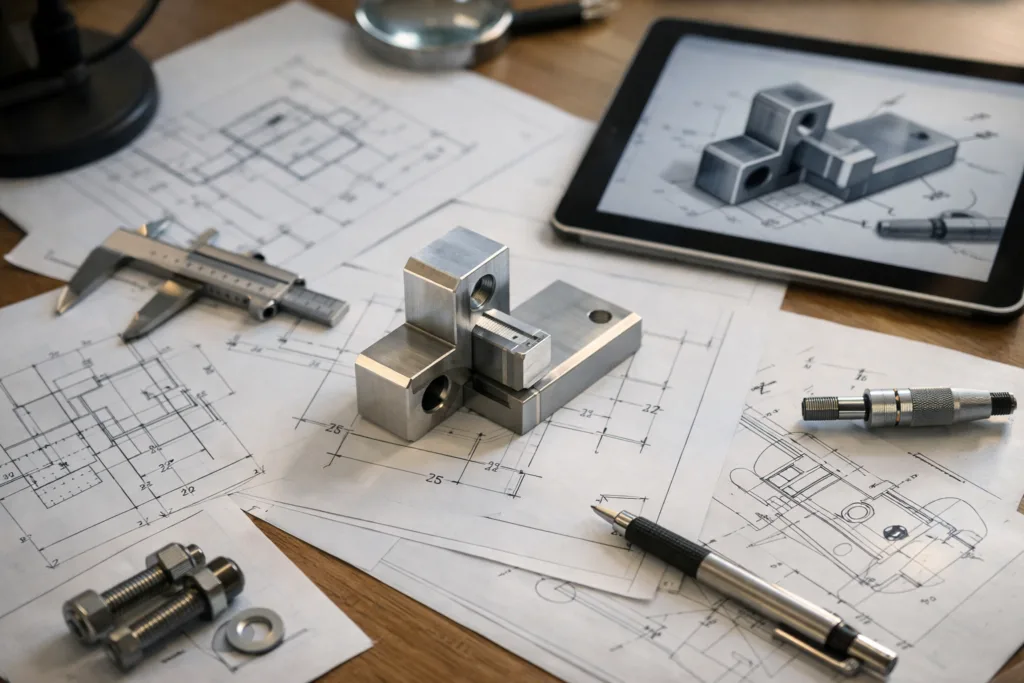
Technical documentation—such as measurement charts, tech packs, and tolerance tables—underpins both proto and fit sampling. It creates clarity for factories, ensures traceability, and enables consistent feedback. Apparel Wiki advocates detailed specs to reduce misunderstandings and maximize quality.
Effective Factory Communication: The Key to Sampling Success
Communicating clearly with your factory is as important as the sample itself. Use concise comments, annotated drawings, and shared digital files. Avoid vague instructions—a guide like writing comments and callouts can transform production outcomes both in textiles and metals.
Pro Tips for Trouble-Free Sampling Cycles
Schedule reviews weekly, check every change against original specs, and don’t rush to full production until fit sampling is fully approved. For tricky parts, run additional fit samples to check variable tolerances.
The Impact of Sampling Choices on Cost and Lead Time
Sampling isn’t just about quality—it’s about timing and cost. Temp skipping proto samples can speed initial progress, but ramp up costs from redesigns or returns. Fit samples, if done late or hastily, lead to production delays and customer complaints. Structured sampling is the proven path to cost and lead time optimization.
Ensuring Quality: Final Checks Before Production
Before launching production, run thorough checks on both proto and fit samples. Review measurement charts, re-read comments, and ensure fit samples showcase exact intended finish, function, and interfaces. Comprehensive review prevents expensive fixes and rework after production starts.
Conclusion: Proto Sample vs. Fit Sample—Key Takeaways
In summary, knowing the difference between proto samples and fit samples is crucial for high-quality manufacturing outcomes. Proto samples validate feasibility, fit samples verify function and usability. Use both to minimize risk, optimize cost, and streamline lead times in metal product development. Integrating precise documentation, advanced sampling techniques, and clear communication ensures that your project exceeds expectations every time.
Frequently Asked Questions
What is the main difference between a proto sample and a fit sample?
The main difference is their purpose: proto samples are for concept testing and feasibility, while fit samples validate the final product’s fit, function, and compatibility before mass production.
When should a proto sample be created in metal product development?
A proto sample should be created early in the design process, when initial concepts, shapes, and manufacturability need validation before refining or full-scale production.
Are fit samples always built from production materials?
Fit samples are typically made from production-grade materials and processes to simulate the final product’s real-world performance and ensure it meets all design and quality specifications.
What risks come from skipping sampling stages?
Skipping proto or fit sampling can lead to expensive errors, poor product quality, production delays, or failures in the final environment due to missed flaws or incompatibilities.
How can factories and brands improve sampling outcomes?
They should use structured timelines, clear documents, digital patterns, and maintain precise communication throughout every sampling stage, updating all technical specs after each review.
Can sampling techniques from apparel be used for metal products?
Yes, strategies like pattern grading, measurement charts, and detailed documentation from apparel industries can enhance metal product sampling accuracy and quality assurance.
Related Reading
- The Practical Guide to Converting Digital Patterns for Metal Fabrication
- 10 Pro Tips to Conduct a Flawless Fit Session for Better Product Performance
- 10 Critical Steps to Seamlessly Update Your Tech Pack After Sampling
- 7 Key Insights on Tolerance for Superior Manufacturing Quality
- How the 5 Stages of Sampling Streamline Creation and Quality Assurance
- Unlock Precision with Comprehensive Measurement Charts for Product Development