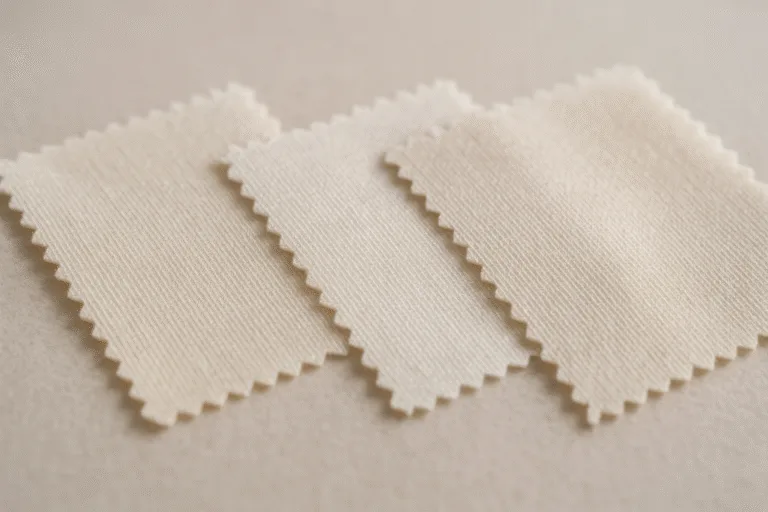
Introduction to Semi-Synthetic & Regenerated Fibers: Viscose, Modal, Lyocell, Bamboo
Semi-synthetic and regenerated fibers, including viscose fabric, modal fabric, lyocell fabric, and bamboo fabric, have shaped modern apparel with their unique blend of comfort, sustainability, and performance. These fibers bridge the gap between natural and fully synthetic textiles, delivering superior drape, breathability, and a refined touch favored by consumers and garment manufacturers alike.
In the fast-evolving textile industry, understanding the how and why of these fibers—from raw material sourcing to fabric performance—empowers buyers, designers, and quality managers to make informed decisions. This comprehensive guide maps out production techniques, key properties such as moisture-wicking and softness, comparison tables for at-a-glance evaluation, and robust care instructions to prolong garment life. Whether you’re ordering bulk yardage, sampling, or reviewing material specs in the sewing line, every detail here is designed for on-the-ground factory excellence.
How Semi-Synthetic & Regenerated Fibers Are Made
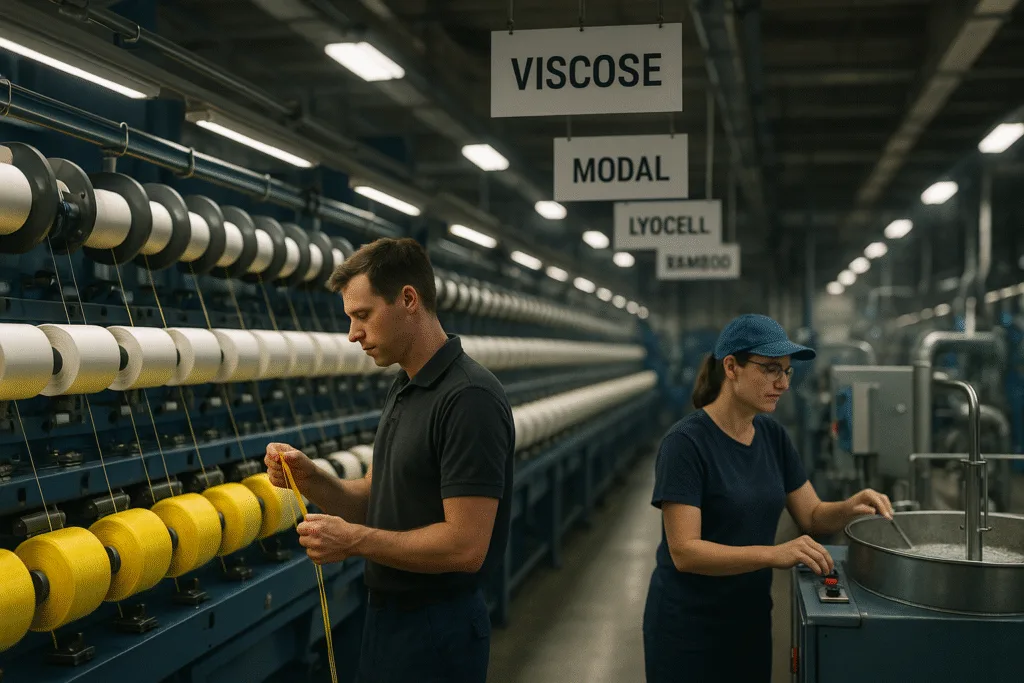
Overview of Regenerated Fiber Production
Semi-synthetic fibers are derived from natural cellulose sources—typically wood pulp, bamboo, or cotton linters. Through chemical processing, these sources are dissolved and extruded to form continuous filaments. Unlike synthetic fibers (such as polyester), these retain a portion of the characteristics of their natural origins, especially their cool touch and moisture management.
Manufacturing Process by Fiber Type
Viscose Fabric
Viscose fabric, often known as rayon, begins with wood pulp treated with sodium hydroxide, then carbon disulfide, forming a viscous solution. This is filtered, aged, and pumped through spinnerets into an acid bath. The result is smooth, lustrous filaments that yield a fabric prized for its drape and sheen.
Modal Fabric
Modal fabric uses a similar process but starts with high-purity beechwood pulp and improved spinning techniques. This gives modal greater tensile strength (wet and dry) and a smoother surface compared to regular viscose, making it ideal for intimate apparel and active T-shirts.
Lyocell Fabric
Lyocell utilizes a closed-loop solvent system (typically N-methylmorpholine N-oxide, or NMMO), allowing up to 99% of chemicals to be recovered and reused. This eco-forward process results in fabrics like TENCEL™ lyocell, noted for exceptional softness, high absorbency, and low environmental impact.
Bamboo Fabric
Bamboo fabric generally refers to two processes: mechanical (less common, yielding bamboo linen) and viscose. Most commercial bamboo fabrics are regenerated using the viscose method—bamboo cellulose is dissolved in chemicals and extruded to produce silky, moisture-wicking yarns used in daily wear and home textiles.
- Key manufacturing steps for all: pulping, dissolution, filtration, spinning, washing, drawing, and drying.
- Crucial checkpoints: chemical control (especially for REACH or OEKO-TEX® compliance), fiber morphology (affecting drape), and finish (enzyme for smooth handfeel).
Key Properties: Moisture-Wicking, Softness, and Drape
Moisture Management
Viscose, modal, lyocell, and bamboo fabrics all outperform standard cotton and polyester in moisture absorption—drawing perspiration away from the skin and promoting breathability. Lyocell fabric, with its nano-fibril structure, offers the best-in-class wicking and quick-dry performance, making it favored for performance tees and athleisure.
Softness and Handle
The smooth, rounded structure of these fibers imparts a luxurious touch. Modal, due to additional stretching and finishing, feels creamier and is especially targeted for underwear and bedding lines. Bamboo viscose, when well-finished, is noticeably cool against the skin.
Drape and Appearance
One of the hallmarks of fabrics in this category is an elegant drape. Viscose and lyocell are commonly used for blouses and dresses that require a premium fall. Modal’s resiliency improves wrinkle recovery. Surface sheen and color brilliance are typically superior as well, central to fashion market success.
Rain’s production tip: For buyers seeking optimal drape and moisture management, specify GSM (grams per square meter) and spinning technique in your tech pack. Always request pre-shrink test reports—viscose and modal can shrink 3–5% if not stabilized.
Semi-Synthetic & Regenerated Fibers: Viscose, Modal, Lyocell, Bamboo
Definition and Distinction
The semi-synthetic family refers to fibers using natural cellulose as a base, produced via engineered chemical processes. Each variant—viscose, modal, lyocell, and bamboo—offers distinct combinations of strength, texture, moisture control, and sustainability. Understanding these differences allows technical teams and buyers to specify precise fabric performance for their intended application.
Why These Fibers Matter in Modern Garment Production
With rising consumer demand for both comfort and sustainability, regenerated fibers are now central to quality-driven apparel programs. Their fast dye uptake and print clarity reduce dye wastage. Enhanced breathability caters to sportswear and base layers, while soft handle meets expectations for loungewear and intimate apparel. Sourcing managers and technical designers should align fiber choice with end-use, balancing appeal, appearance retention, and lifecycle care.
Key Parameters and Factory Checklist
- Raw Material Origin: Assess responsibly sourced wood pulp or bamboo certifications.
- Fiber Denier/Count: 1.2–1.5 dtex is common for activewear; finer counts 0.9–1.0 dtex for premium knits.
- GSM (grams per m²): Standard for T-shirts/blouses 120–180gsm, heavier for dresses or pants.
- Shrinkage Rate: Aim for ≤3% after washing; pre-set in finishing is crucial.
- Colorfastness: Check to washing, rubbing, perspiration; minimum 4 grade for export standards.
Common Mistakes and Solutions
- Overlooking Shrinkage — Always run a before/after wash test.
- Poor Stitch Selection — For slinky viscose/lyocell, use fine gauge needles and lockstitch or coverstitch hems to prevent hole or tunneling.
- Incorrect Heat Setting — Excessive ironing or drying can scorch fibers; use controlled, lower temp pressing.
Actionable Tips for QC and Sourcing
- Request lab dips and bulk shade card approval per order.
- Ask for factory’s in-house 4-point fabric inspection report—look for uniformity, minimal neps, and clean surface.
- Check the handle, drape, and stitch stability on a size set sample before full PO.
Comparison Table: Viscose, Modal, Lyocell, and Bamboo Fabric
| Property | Viscose Fabric | Modal Fabric | Lyocell Fabric | Bamboo Fabric |
|---|---|---|---|---|
| Source Material | Wood pulp | Beechwood pulp | Eucalyptus/Beech | Bamboo stalks |
| Core Process | Viscose (open-loop) | High-wet modulus process | Closed-loop (NMMO) | Viscose (open-loop) |
| Softness | High, silky feel | Very high, smooth | Exceptionally soft | Soft, cool to touch |
| Moisture Wicking | Good | Excellent | Best | Excellent |
| Drape | Superior | Excellent | Excellent | Very good |
| Sustainability | Moderate | Better | Best (closed-loop) | Depends on process |
| Common GSM Range | 100-180gsm | 110-160gsm | 120-190gsm | 120-180gsm |
| Typical Garments | Dresses, blouses | Underwear, tees | Sportswear, bedding | Activewear, socks |
| Care Sensitivity | High | Medium | Lower | Medium |
Garment Construction Considerations
Pattern Development
These fabrics’ high drape means looser fits tend to flow better, while fitted patterns require careful anticipation of fabric stretch and rebound. Pattern makers typically add moderate ease to prevent seam stress or bias distortion, especially for blouses, lounge sets, and dresses.
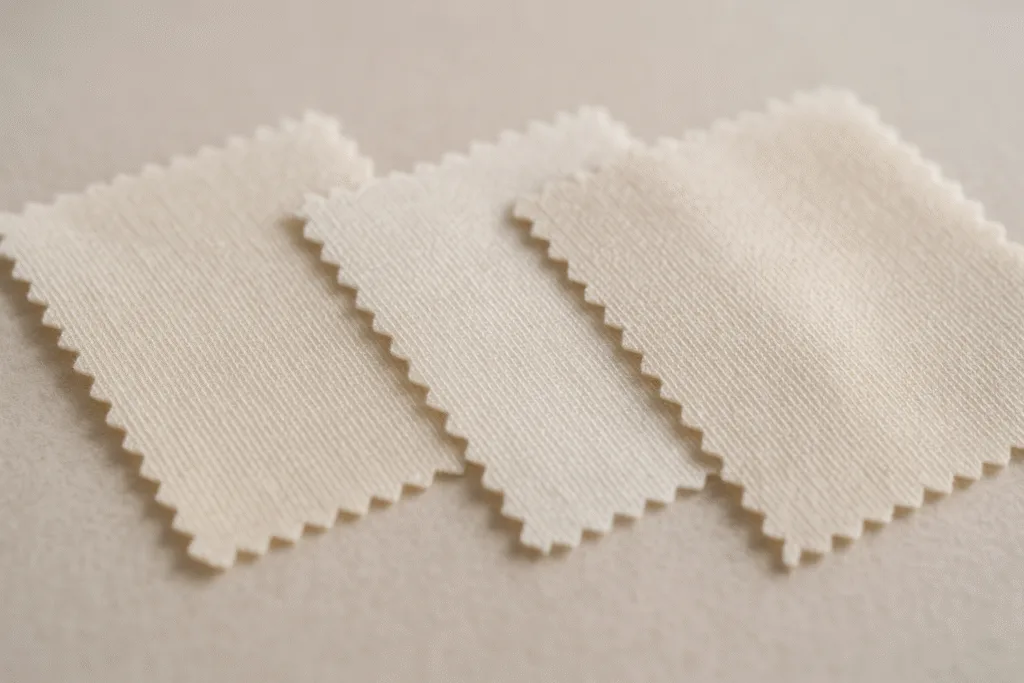
Sewing and Finishing Techniques
- Use ballpoint needles (size 70/10 to 80/12) for fine knits, straight lockstitch (ISO 301), or 4-thread overlock for seams with stretch.
- For hems, narrow coverstitch (ISO 602) prevents rolling and puckering, essential for lightweight lyocell/modal T-shirts.
- Minimal tension settings reduce risk of seam damage on viscose and bamboo blends. Always test on offcuts before bulk.
Shrinkage and Stability
Due to the hydrophilic nature of cellulose, these fabrics are prone to initial shrinkage. Pre-washing (enzymatic and mechanical wash) or compressive shrinking during finishing stabilizes the cloth, keeping size spec within ±1 cm tolerance during QC. Specify this in the garment tech pack for accurate sampling and repeatable bulk results.
Applications: End-Use Suitability by Fabric Type
Viscose Fabric Applications
Best for soft draping dresses, skirts, linings, and tops requiring luminous color and sheen. Sensitive to washing and high abrasion—reinforced seams are advised.
Modal Fabric Applications
Ideal for soft underwear, premium T-shirts, and loungewear. Its resiliency enables repeated washing with superior shape retention, perfect for basics with a high-tactile requirement.
Lyocell Fabric Applications
Favored in sportswear, outdoor, and fashion tops that must wick moisture and hold shape. Its strength and sustainability profile meet eco-fashion buyer standards. Blended with cotton or spandex, it works well for yoga wear and bedding where coolness is essential.
Bamboo Fabric Applications
Comfort-driven activewear, socks, babywear, and home textiles (towels, bedsheets) benefit from bamboo fabric’s smooth, hypoallergenic surface. Note—check the specific process for sustainability certifications.
- Each fiber choice brings trade-offs between comfort, longevity, cost, and environmental impact. Consider the end-user and garment lifecycle needs when selecting.
Care Instructions for Viscose, Modal, Lyocell, and Bamboo Fabrics
Washing Guidelines
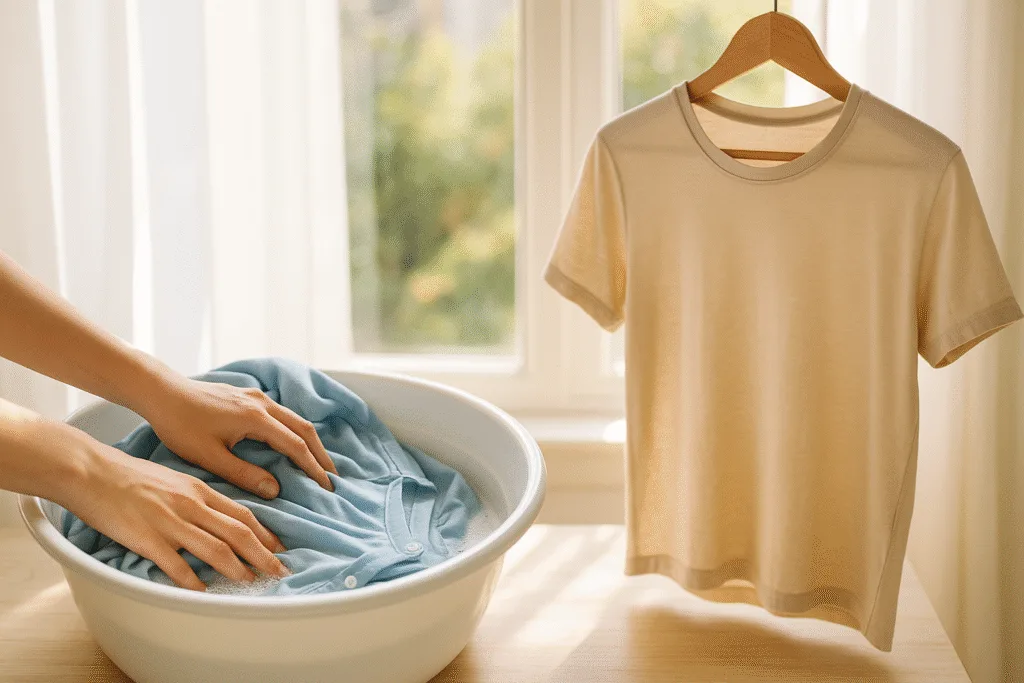
- Hand wash or gentle machine cycle with cool water (<30°C) is advised for viscose and bamboo fabric to avoid excessive shrinkage.
- Modal and lyocell offer better wash durability but should still avoid high heat and harsh detergents.
- Use mild detergents; avoid bleach, as cellulose fibers are sensitive to strong alkalis.
Drying
- Reshape garments and dry flat to maintain drape; avoid wringing.
- Tumble low for modal/lyocell; air dry recommended for viscose and bamboo.
Ironing and Finishing
- Use a medium-low setting; steam assists with stubborn creases—but don’t overheat, as fiber can glaze or weaken.
- Always press on the reverse and use a pressing cloth for added protection of color and sheen.
Rain’s care tip: Always conduct a small patch test when using new washing/ironing techniques, especially on freshly bulk-dyed goods.
For buyers, specify care label text according to end market (e.g., North America vs. EU requirements).
Sustainability and Compliance Aspects
Environmental Impact by Fiber Type
Lyocell leads in low-impact production due to its closed-loop system with nearly complete solvent recovery. Modal relies on renewable beechwood and efficient production. Viscose and bamboo, while derived from renewable cellulose, depend on the chemicals used—look for suppliers certified by FSC, PEFC, or OEKO-TEX® STANDARD 100.
Regulatory and Safety Considerations
- Check that chemical use complies with REACH and the supplier holds documentation for restricted substances (RSLs).
- For children’s wear, verify that trims (especially snaps and zippers) are nickel-free and securely attached—viscose and bamboo fabrics can be delicate around closures.
Sustainability is now a core buying requirement; always collect full fiber certification and lab test results with each shipment. This safeguards both brand reputation and factory compliance audits.
Quality Control: Testing and Inspection for Regenerated Fiber Garments
Critical Fabric and Garment Tests
- Dimensional stability—measure before/after laundering for shrinkage, twisting or torque (especially for knits).
- Colorfastness—check against ISO/AATCC guidelines for wash, light, and sweating standards.
- Pilling resistance—especially relevant for blended bamboo/viscose knits.
- Seam strength and slippage—use suitable thread/yarn; inspect at stress points (neck, armhole, side seam).
Factory Floor Best Practices
- Conduct fabric rolling and laying carefully to prevent margin distortion (viscose is especially fluid).
- Bundle and ticket cut parts for batch traceability through the line.
- Use random inline stitch inspection; rectify skipped stitches or puckering early.
- Finish with thorough loose thread trimming and pressing inspection before packing.
Finally, review top-of-production pieces (TOPs) under daylight and controlled lighting to verify uniform dye shade and handfeel across all sizes and colors.
Frequently Asked Questions
What is the main difference between viscose, modal, and lyocell fabric?
Viscose is a general-purpose rayon with high luster and drape, modal is stronger and smoother (ideal for underwear), while lyocell offers the best moisture management and sustainability due to its closed-loop process.
Is bamboo fabric truly sustainable?
Bamboo as a crop is sustainable, but most bamboo fabrics use the viscose process, which can involve heavy chemicals. Look for closed-loop or certified eco-processes for real sustainability.
Which fiber is best for moisture-wicking activewear?
Lyocell fabric is typically best for moisture-wicking due to its nano-fibril structure, but modal and bamboo viscose also offer good performance for lighter activities.
How can I avoid shrinkage with viscose and modal fabrics?
Opt for pre-shrunk or enzyme-finished materials, use gentle wash cycles at low temperature, and avoid tumble drying at high heat to minimize shrinkage risks.
Why do some viscose or modal garments look wrinkled quickly?
The fibers’ high absorbency and smooth structure can cause quick creasing. Blends with polyester, fabric finishes, or careful ironing can help reduce wrinkling for a crisper appearance.
What are the best sewing practices for these fabrics?
Use fine, sharp ballpoint needles, lightweight polyester or cotton core-spun thread, and adjust stitch tension for smooth seams. Practice on fabric offcuts for optimal results.