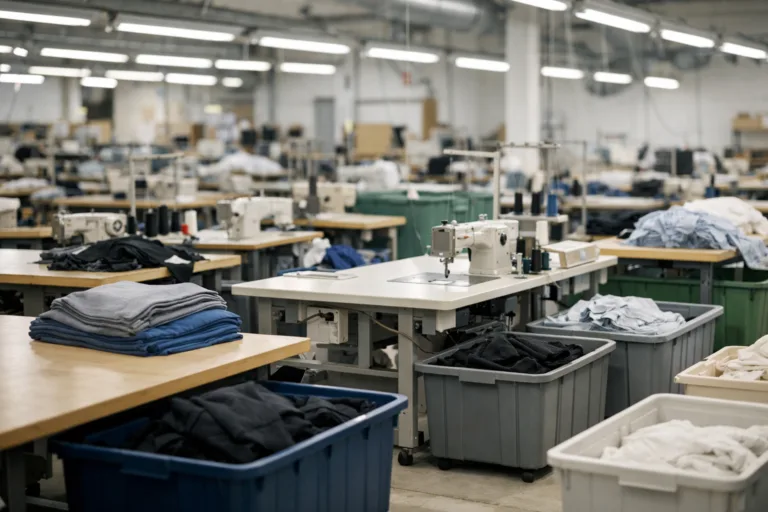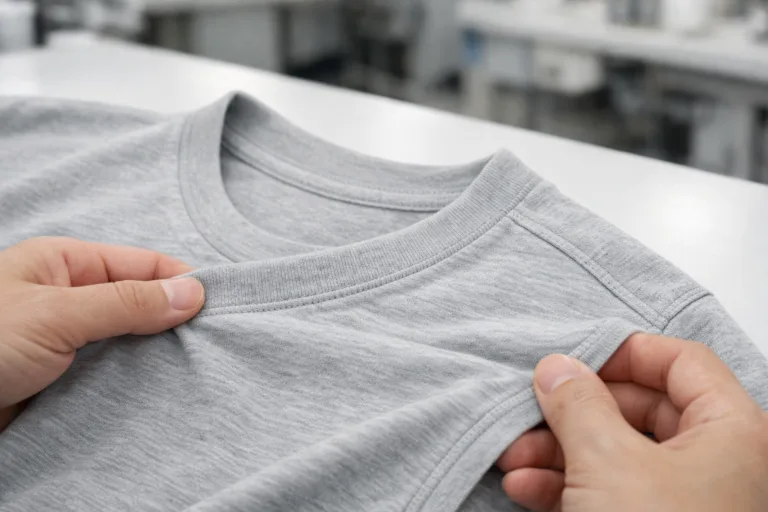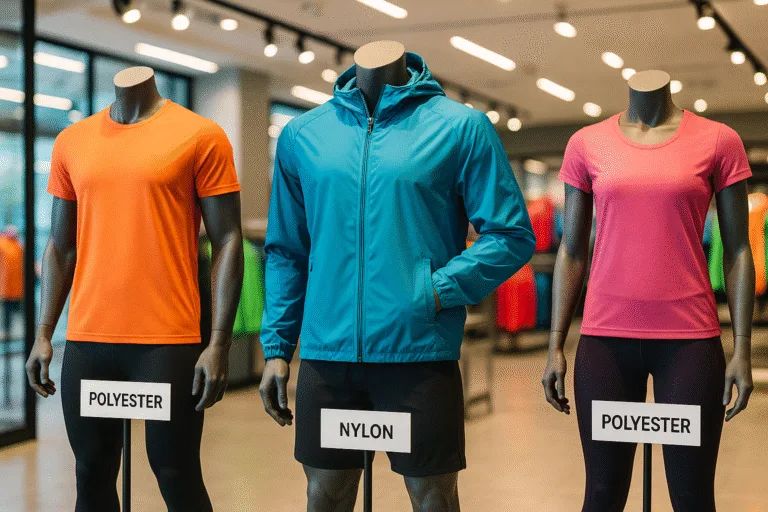
Synthetic fabrics form the backbone of modern apparel, powering sportswear, fashion, and technical textiles worldwide. Understanding how materials like polyester, nylon, spandex, and acrylic are made—and how they perform in garments—gives brands, buyers, and designers a practical edge. Let’s break down these essential fibers, their manufacturing processes, applications, and emerging sustainability concerns, drawing on decades of real factory-floor knowledge.
Overview of Synthetic Fabrics: Polyester, Nylon, Spandex, Acrylic
Synthetic fabrics are man-made textiles produced through chemical synthesis, using polymers derived mostly from petrochemicals. The most common types in the apparel industry—polyester, nylon, spandex, and acrylic—offer unique advantages in durability, elasticity, and performance. Here’s why these fabrics matter in garment manufacturing:
- Consistent quality and performance in mass production
- Controlled mechanical properties (strength, stretch, resilience)
- Customizable appearances and finishes at scale
- Wide price range and supply stability
However, these benefits come with environmental and quality-control challenges, especially when selecting the right fabric for performance sportswear or fast-moving fashion items.
The Manufacturing Process: From Polymer to Fabric
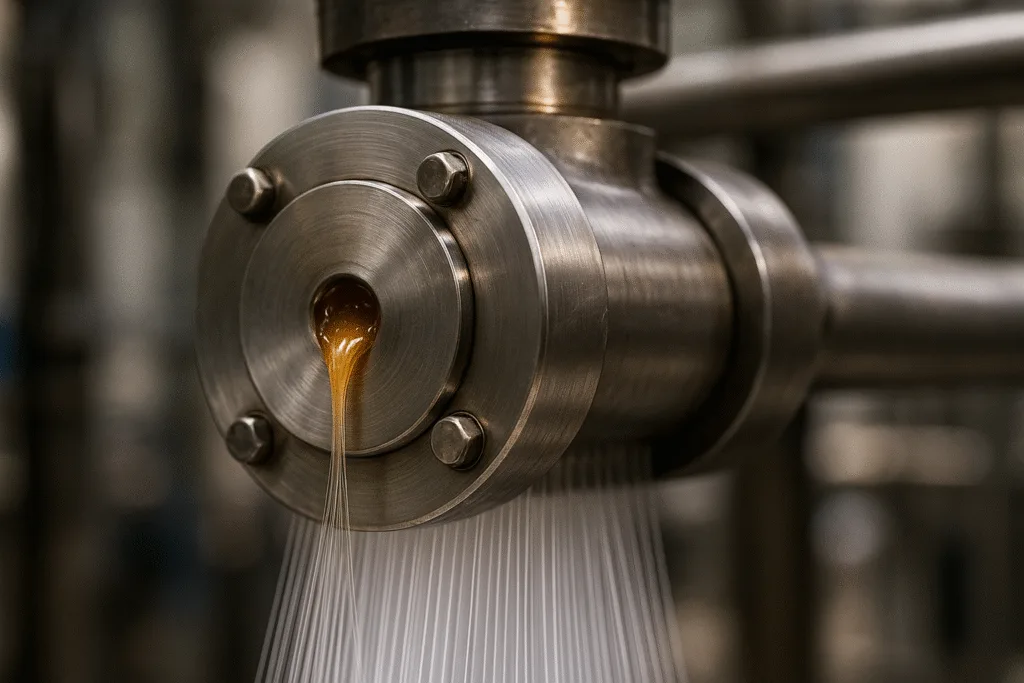
Understanding how synthetic fabrics are made is vital for specifying the right material—and for troubleshooting common quality issues. Most processes follow these essential steps:
- Polymerization: Base monomers are chemically reacted to form long-chain polymers (e.g., PET for polyester, PA6/66 for nylon, PU for spandex, PAN for acrylic).
- Spinning: The polymer is melted (melt spinning for polyester, nylon, spandex) or dissolved in solvent (wet/dry spinning for acrylic) and extruded through fine holes to form continuous filaments.
- Drawing/Stretching: Filaments are drawn to align molecular chains, boosting strength and elasticity.
- Texturizing: Optional crimping or bulking processes create desired handfeel and appearance, especially for yarns used in knits and fleeces.
- Knitting/Weaving: Yarns are then processed on knitting (single jersey, interlock, mesh) or weaving (plain, twill, satin) machines to form fabric rolls.
- Finishing: Chemical and mechanical treatments (like dyeing, brushing, moisture-wicking or antimicrobial finishes) are applied to achieve target properties.
Rain’s tip from the production line: “Always confirm bulk shade and handfeel with a lab dip and strike-off on actual synthetic substrate—do not trust paper or digital color references.”
Comparing Synthetic Fabrics: Key Properties and Best Uses
Each synthetic fiber has distinct characteristics that influence garment performance, comfort, maintenance, and cost. This comparison table highlights essential differences:
| Fabric Type | Typical GSM Range | Performance Highlights | Applications |
|---|---|---|---|
| Polyester | 90–300 | High durability, moisture-wicking, low shrinkage, easy-care | Sports T-shirts, outerwear, fashion knits, linings |
| Nylon | 40–100 (woven) | Very strong, abrasion-resistant, quick-drying | Activewear, swimwear, windbreakers, backpacks |
| Spandex (Elastane) | 15–40 (in blends) | Exceptional stretch & recovery, soft handfeel | Yoga pants, leggings, compression wear |
| Acrylic | 150–400 | Wool-like warmth, lightweight, colorfast | Knitwear, sweaters, faux fur, accessories |
Physical Properties
- Polyester: Moderate stretch, excellent shape retention, resists creasing, doesn’t absorb water easily.
- Nylon: High tensile strength, smooth surface; can yellow with UV or bleach exposure.
- Spandex: Up to 7x original length stretch; always used as a blend with other yarns for support.
- Acrylic: Warm and lightweight, prone to pilling if not well finished.
Chemical Resistance & Colorfastness
Most synthetics are resistant to perspiration, mildew, and common washing chemicals. Polyester is particularly colorfast, holding sublimation or disperse dyes firmly. Spandex needs care with heat and chlorine.
Polyester Fabric in Apparel: Properties and Production
Polyester fabric (usually made from polyethylene terephthalate, or PET) is the most produced synthetic fabric in the apparel sector. Finished polyester textiles can be crisp or very soft, nearly mimicking cotton or even silk—particularly after modern finishing.
How Polyester is Made
- Raw PET chips are melted and extruded into continuous filaments.
- Yarns are stretched, texturized, and spun to the required denier and twist.
- Various knitting or weaving constructions—such as single jersey, pique, mesh, and fleece—are used based on end use.
- Finishing: Can include brushing (fleece), anti-pilling, moisture-wicking, or anti-microbial coatings.
Performance Testing and Quality Control
- Dimensional stability (shrinkage below 3%)
- Moisture management (wicking rate for sportswear)
- Anti-pilling tests for fleece
- Colorfastness to washing, rubbing, and light
Typical Garments and Fit
Polyester dominates sports T-shirts, soccer jerseys, performance polos, and windbreaker shells. Look for flat seams (overlock, coverstitch) and bar tacks at high-stress zones. For moisture management, mesh knits or micro-perforated constructions are favored.
Nylon Fabric: Structure, Strength, and Garment Applications
Nylon, notably PA6 (nylon 6) and PA66 (nylon 6,6), brings outstanding tensile strength and abrasion resistance to garment textiles. It’s a premier choice for durability-focused sportswear, swimwear, and technical outerwear.
How Nylon is Manufactured
- Chemically polymerized caprolactam (for PA6) is melt-spun into filaments.
- Yarns are cold drawn and occasionally solution-dyed.
- Lightweight weaves (taffeta, ripstop) and double knits are common in outerwear, swimwear, and lingerie.
Key Performance Advantages
- High resistance to tearing—ideal for high-wear zones in shorts, jackets, and bags.
- Fast drying and strong, with possible mechanical stretch for greater mobility (high gauge knits).
Manufacturing Considerations
Heat sensitivity can be an issue during sublimation or direct printing. Always conduct a pre-production heat test and ensure selected trims are colorfast. Watch for yellowing if exposed to strong UV or bleach detergents.
Common Garment Uses
Nylon fabric is found in track pants, running shorts, swimwear, lightweight windbreakers, and various sporting accessories. Reinforced seam types (e.g., flatlock, box-x for load-bearing zones) are common.
Spandex Fabric: Elasticity Engine in Modern Apparel
Spandex (also elastane, trade name Lycra®) is the go-to fiber for stretch, recovery, and comfort beyond what purely natural or other synthetic yarns can deliver. It is rarely used 100% by itself but instead blended (2–25%) into polyester, nylon, or cotton fabrics.
How Spandex is Made
- Polyurethane base is solution-spun to create highly elastic filaments.
- Special spinning and drafting controls are needed for consistent stretch and snap-back.
Quality Control Requirements
- Stretch & recovery tests (ASTM D3107)
- Chlorine/heat resistance (important for swimwear)
- Careful blending and stitch selection to avoid needle damage or popped seams.
Key Garments and Fit
Think yoga tights, cycling shorts, fitted sports bras—all benefit from 4-way stretch and excellent shape retention. A well-made spandex blend resists bagging, and the right flatlock or coverstitch prevents seam irritation during movement.
Acrylic Fabric: Warmth and Versatility in Fashion Knits
Acrylic fabric is known for its wool-like handfeel, insulation, and color versatility—without the cost or care challenges of real wool. Made from polyacrylonitrile, acrylic can be spun into staple or filament, then knit into cozy sweaters, hats, scarves, and faux fur trims.
Manufacturing Steps
- Wet or dry spinning of PAN polymer into staple fiber
- Blending, carding, and spinning into yarns
- Knitting into single jersey, rib, or brushable pile fabrics
Performance and Garment Specs
- Lightweight yet warm, often with fluffy or brushed finishes for softness
- Prone to pilling, especially after repeated wear—mitigated by anti-pilling finishes
- Stitch types: rib for cuffs, double jersey for structured sweaters
Uses in Fashion & Accessories
Acrylic is widely used in budget-friendly knitwear, chunky scarves, hats, and even faux fur trims. It accepts bright dyes and prints well but should be washed gently to minimize fiber breakage.
Rain’s insight: “On knit lines, always request a pilling test report and check for consistency in bulk shipment, especially on darker acrylic shades.”
Applications in Sportswear: Choosing the Right Fabric
Sportswear demands specific performance: moisture management, stretch, lightness, and durability. Here’s a field-tested breakdown of how each synthetic fabric meets those needs:
- Polyester: Knitted mesh and interlock fabrics dominate sports T-shirts, football jerseys, and performance innerwear due to moisture-wicking finishes and quick drying.
- Nylon: Ideal for running shorts, lightweight windbreakers, and swimwear because it’s smooth, strong, and doesn’t hold water.
- Spandex: Blended into all flexible sports gear—tights, compression shirts, yoga pants—for maximum comfort and recovery after stretch.
- Acrylic: Less common in active sportswear, but sometimes used as a lining or insulating layer in cold-weather gear.
Sportswear Construction Tips
- Use flatlock or coverstitch seams to minimize skin irritation and allow maximum fabric stretch.
- Choose moisture-wicking finishes that maintain function through at least 20 washes (test bulk fabric if possible).
- Confirm all trims (zippers, elastics, labels) are compatible with synthetic fabric care requirements.
Fashion Applications: Style, Comfort, and Practicality
In mainstream fashion, synthetic fabrics create on-trend looks with less maintenance and better cost control. They enable diverse styles:
- Polyester: Shiny satins, soft jerseys, pleated skirts, and performance fashion pieces
- Nylon: Streetwear windbreakers, fashion-forward bags, and trims
- Spandex: Body-con dresses, fitted tops, and jeggings for superior stretch and recovery
- Acrylic: Chunky sweaters, statement scarves, faux fur jackets and trims
Decoration & Branding
- Screen or rotary printing for polyester (test for migration issues)
- Sublimation printing for vivid all-over graphics
- Embroidery and appliqué require tuning thread tension for synthetics
For premium brands, engineered blends and unique weave/knit structures (e.g., jacquard, double-knit, mesh) create fashion-forward silhouettes with enhanced comfort.
Sustainability Concerns: The Challenge of Synthetic Fabrics
While synthetic fabrics enable ultra-functional garments, their environmental impact is under increasing scrutiny. Key concerns include:
- Resource use: Most synthetics start as petroleum-based polymers, tying them to fossil fuel extraction.
- Microplastic shedding: Tiny fibers released during washing enter waterways, posing risks to marine life (especially polyester and acrylic).
- End-of-life management: Pure synthetics are not biodegradable and can persist in landfill for centuries.
- Recycling solutions: Mechanical and chemical recycling are emerging, especially for PET; look for GRS-certified (Global Recycled Standard) polyester and nylon in the market.
- Certifications: OEKO-TEX, Bluesign® and REACH compliance are key for chemical safety and restricted substances in fabrics and trims.
What Buyers and Brands Should Request
- Ask suppliers for recycled content certification (GRS, RCS), not just verbal claims.
- Request washing test results for microplastic release, especially on high-volume basics.
- Choose dope-dyed (solution-dyed) polyester or nylon for deep shades with lower water/chemical use.
Synthetic Fabrics: Polyester, Nylon, Spandex, Acrylic
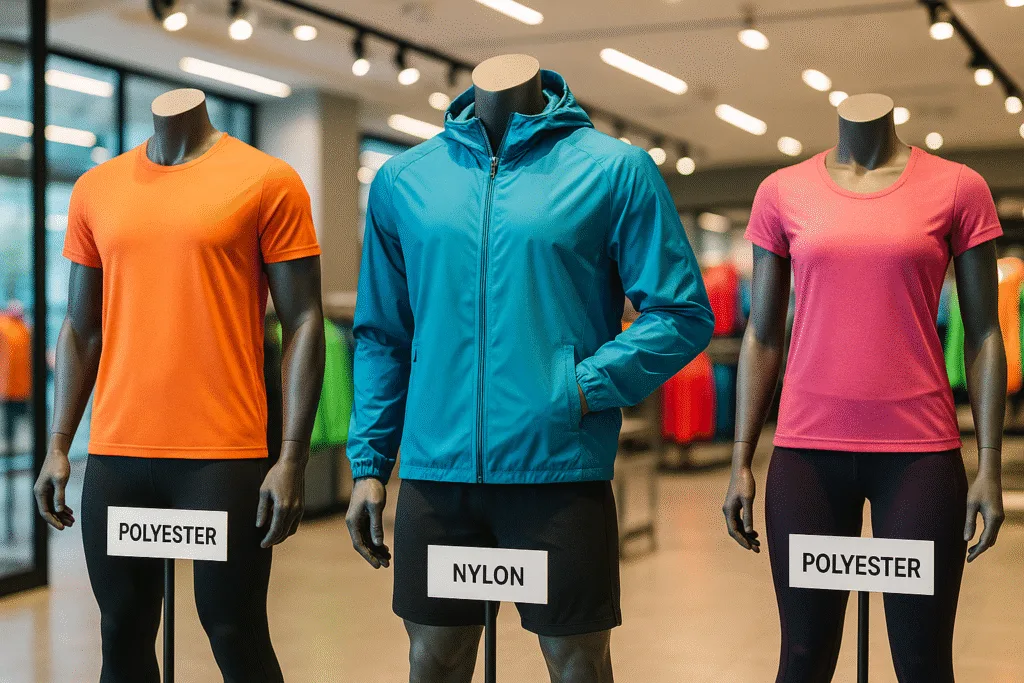
Synthetic fabrics—namely polyester, nylon, spandex, and acrylic—represent the technical core of high-performance sportswear and mainstream fashion. Each brings different strengths: polyester for all-round durability and color, nylon for toughness and rapid drying, spandex for fit and flexibility, and acrylic for warmth and handfeel in knits. When selecting these fabrics, consider not only production process and end-use performance, but also sustainability factors now transforming sourcing and design decisions.
Key Parameters for Specification
- Specify fabric GSM (weight), construction (e.g., single jersey, ripstop), and % composition
- Confirm bulk lot color and finish with lab dips and strike-offs
- Request testing data on stretch, recovery, pilling, colorfastness, and durability
- Discuss sustainability credentials early, from recycled yarns to finishing chemicals
Common Mistakes to Avoid
- Using print methods unsuitable for synthetic surfaces (e.g., water-based on pure polyester without pre-treatment)
- Assuming all recycled polyester is the same—ask for post-consumer vs. post-industrial origin
- Skipping pre-production heat and wash tests, risking shade change or seam damage in bulk
Practical Next Steps
- Share detailed fabric specs with your supplier: GSM, yarn type, finish, and shrinkage expectations
- Order lab dips, handlooms, or strike-offs for critical approval steps
- Set up in-house bulk inspection for color and handfeel consistency, using the 4-point fabric inspection system
- Push suppliers for sustainability certifications and test reports aligned to your brand standards
By mastering the specifics of synthetic fabrics, apparel professionals gain stronger control over quality, cost, and future-proof textile choices. Factories, brands, and buyers that work closely on these details deliver better garments—fit for today’s fast-moving, responsible market.
Frequently Asked Questions
What are the main differences between polyester and nylon fabrics?
Polyester is more colorfast, less absorbent, and easier to care for than nylon, which excels in strength, abrasion resistance, and rapid drying but can yellow under UV light.
How is spandex fabric typically used in apparel?
Spandex is blended (usually 2–25%) with other fibers to add stretch, fit, and comfort to activewear, leggings, swimwear, and fitted tops without losing shape.
Why does acrylic fabric pill, and how can it be minimized?
Acrylic fibers are soft and can break with friction, leading to pilling; anti-pilling finishes and tighter knit constructions reduce this issue in garments.
What sportswear garments use synthetic fabrics most effectively?
Sports T-shirts, soccer jerseys, leggings, windbreakers, and swimwear use synthetic fabrics for moisture-wicking, stretch, and lightweight durability in high-performance settings.
Are recycled synthetic fabrics truly sustainable?
Recycled synthetics help reduce virgin resource use and landfill waste, but microplastic shedding and non-biodegradability remain concerns; look for GRS certification for assurance.
How should synthetic fabrics be tested for quality?
Conduct tests for shrinkage, colorfastness, pilling, tear strength, stretch/recovery, and ensure all materials are checked against relevant safety standards and buyer specifications.