
factory workflow

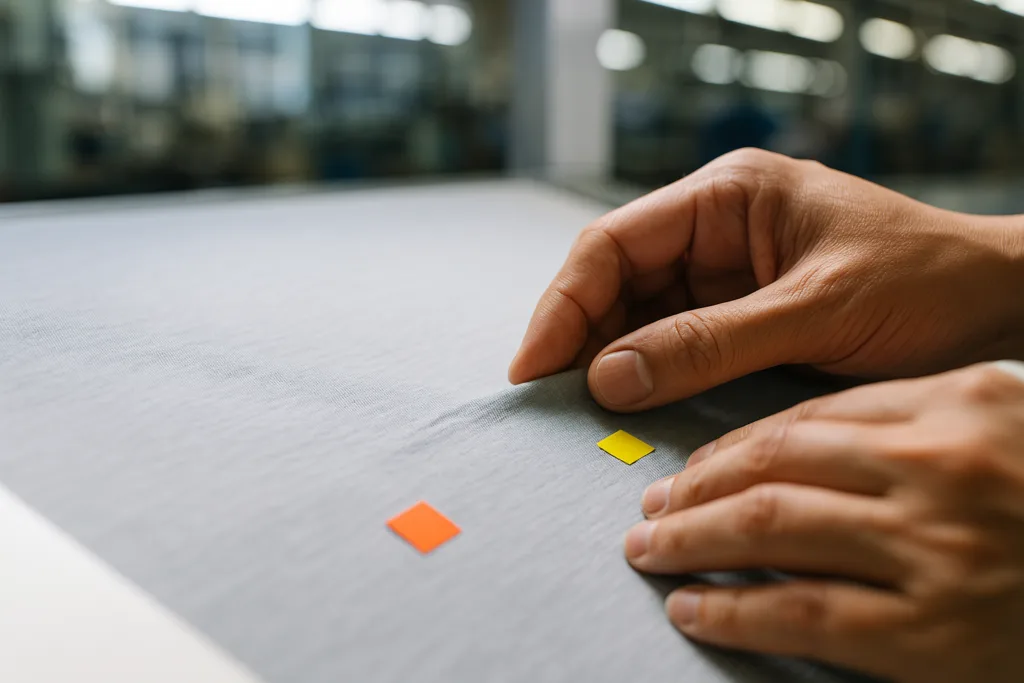
Shows hands carefully checking incoming fabric for holes, shade variation, and GSM, supporting the IQC section's focus on defect detection before production.

QC Flow in a Garment Factory

QC Flow in a Garment Factory Garment QC flow is the backbone of any successful apparel production. Whether manufacturing basic tees or premium workwear, maintaining a strict quality inspection process protects your brand’s reputation and reduces costly rework. Garment factories typically structure their QC flow in logical steps: IQC (Incoming Quality Control), cutting QC, sewing […]
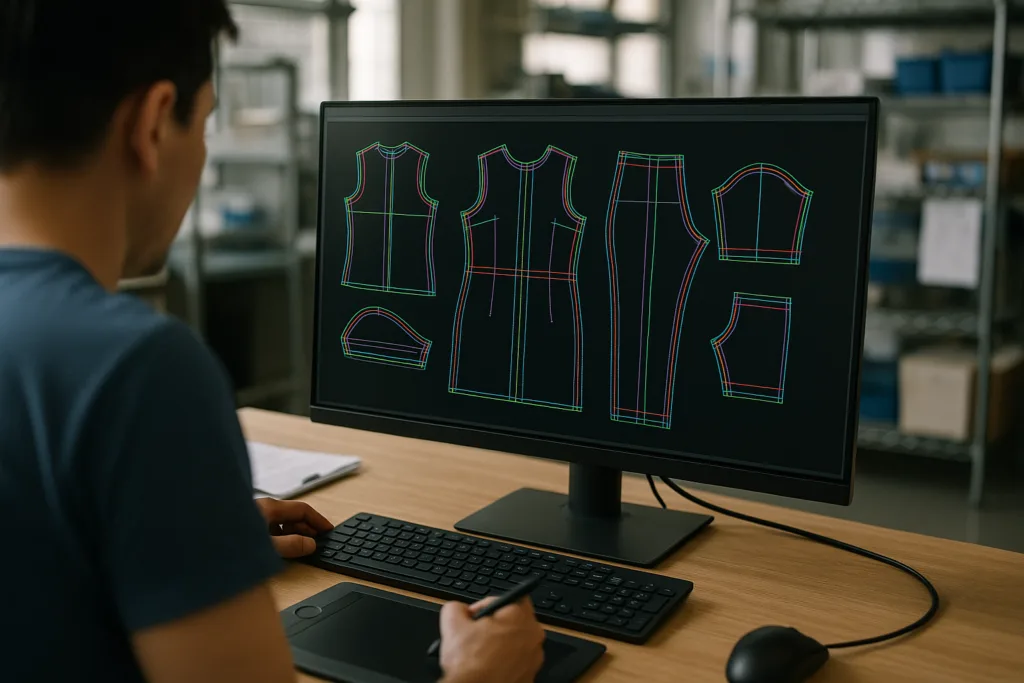
The photo depicts digital pattern block development and grading, capturing how modern factories use CAD systems for accuracy and efficiency. The visual supports information about the digital transition and scalable style adaptation.

Building a Base Pattern (Block Pattern)

Building a Base Pattern (Block Pattern) A base pattern—or block pattern—is the backbone of apparel development. Used by pattern makers in factories and studios, this template underpins every fitted garment, whether for fashion, mass market, or uniforms. A well-constructed base pattern ensures that style variations, sizing, and fit are consistent from start to finish. Understanding

This image shows a technical pattern drafting scene, focusing on the precise tools, sample fabrics, and careful measurements. It illustrates the heart of fit and garment structure development.

Overview of Garment R&D: From Concept to Sample

Modern apparel relies on a precise garment R&D process to turn a creative idea into a physical, fit-perfect sample ready for market. Garment R&D—shorthand for research and development in clothing—is more than sketching styles; it means building a structured workflow that covers the design brief, pattern making, prototype sampling, fit assessment, and SMS (salesman sample),

Scroll to Top