Introduction: Your Blueprint to Successful Manufacturing
A tech pack is much more than just a checklist—it’s the master blueprint guiding every stage of your manufacturing journey. Whether you’re launching a clothing line, prototyping athletic gear, or scaling up for retail, knowing what is a tech pack and why you can’t manufacture without one shapes your production outcomes. In this guide, you’ll learn what makes a complete tech pack, why manufacturers rely on them, and how skipping one can cause costly confusion.
What is a Tech Pack and Why You Can’t Manufacture Without One
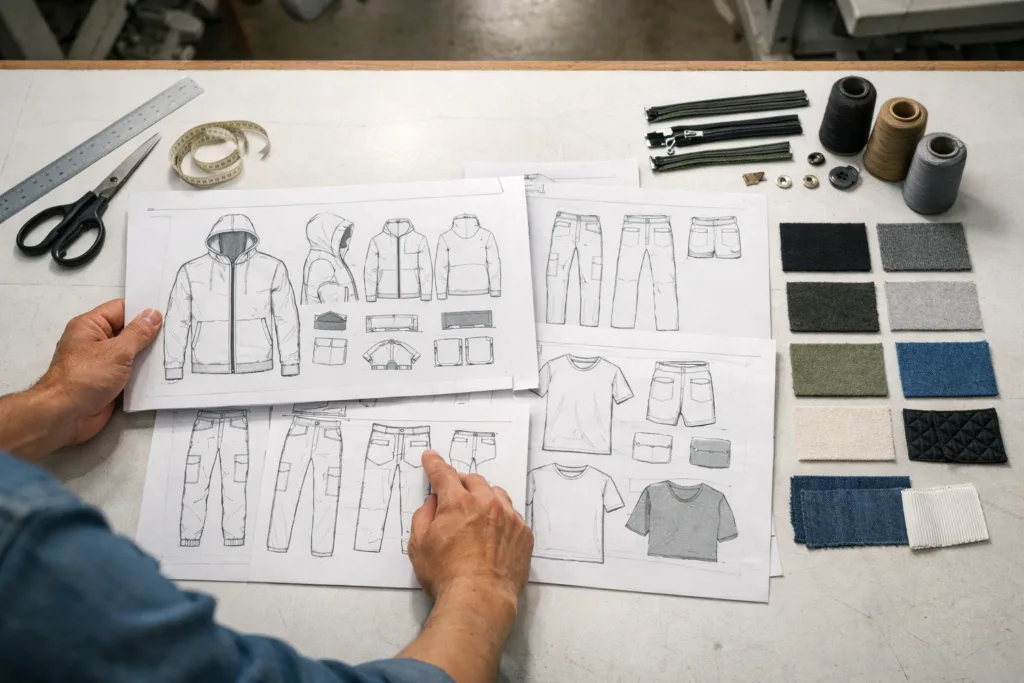
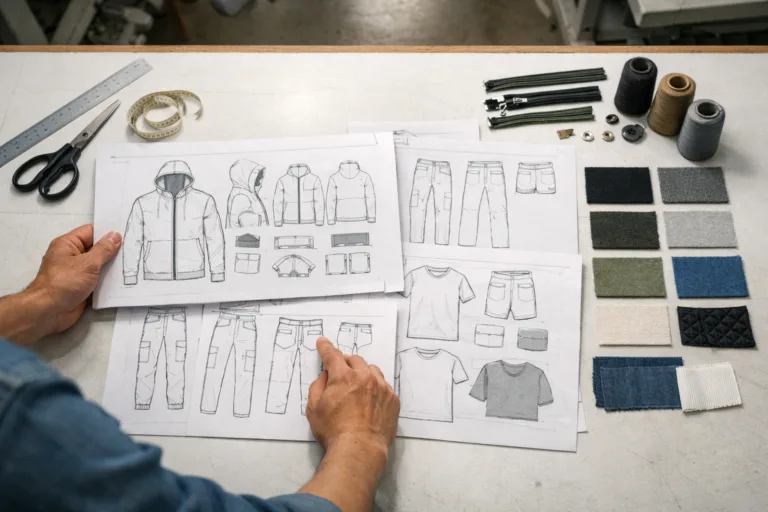
A tech pack is a detailed document outlining all product specifications required for manufacturing. It includes material details, sizes, technical sketches, and construction guidelines. This centralizes precise information for designers, pattern makers, and sewing technicians, ensuring everyone is on the same page.
The Role of Tech Packs in Modern Manufacturing
Tech packs are now industry standard—without them, manufacturers risk errors, wasted materials, and delays. They bridge the gap between creative vision and technical execution so your final product matches the intent.
Why Skipping a Tech Pack is Risky
Trying to manufacture without a tech pack is like building a house without a plan. Mistakes pile up, from sizing mishaps to materials mismatches. Apparel Wiki editors often see new brands underestimate how much a precisely filled tech pack can prevent these issues.
Essential Components of a Tech Pack
Technical Drawings & Flat Sketches
Clear technical illustrations show every garment detail from all angles. These visuals leave no room for guesswork and help the factory grasp construction steps. For insights on technical drawing tools, see Digital Pattern Making: CAD Tools in R&D.
Bill of Materials (BOM)
The BOM lists every fabric, trim, and component required. This ensures sourcing teams order exactly what’s needed—nothing less, nothing more. Fabric choices, such as heavyweight canvas or denim, influence durability and final feel.
Measurement Charts and Size Specifications
Detailed charts outline sizing for all body measurements. This step prevents mass production of poorly fitting items. For setup guidance, visit How to Create a Measurement Chart for Development.
Construction Methods and Sewing Instructions
Factories rely on clear directions, from seam types to sleeve insertions. Explaining these choices, like using raglan sleeves or topstitching methods, helps align quality standards between you and your manufacturer.
Colorways and Artwork Placement
Precise color codes and logo placement instructions ensure your brand identity remains consistent across batches. This reduces costly errors, such as graphic misplacement or faded prints later.
Packaging and Labeling Requirements
Final touches can include hangtags, care labels, and folding techniques—often overlooked but critical for retail readiness.
How a Tech Pack Streamlines Communication
A tech pack bridges design and factory teams, minimizing language barriers and misunderstandings. By spelling out every detail, less back-and-forth happens, saving weeks in feedback and corrections.
Establishing a Clear Production Timeline
Setting deadlines and production steps in your tech pack keeps everyone accountable. Manufacturers can plan procurement, sewing, and quality checks efficiently.
Tech Pack: The Link Between Designer and Manufacturer
Tech packs transform creative intent into actionable instructions. Without one, details like fabric shrinkage or stitch tension may go overlooked—leading to costly product recalls or unsellable stock.
Common Mistakes When Creating Tech Packs
Vague Technical Drawings
Unclear sketches lead to production errors. Always illustrate all views of your product and highlight critical stitching areas.
Incomplete Bill of Materials
Leaving out details like zipper type or thread color can halt manufacturing. Use precise, itemized BOMs to prevent sourcing delays.
Missing Size Specifications
If your measurement chart is missing key points (like sleeve length), apparel fit will suffer—leading to costly remakes.
Neglecting Tolerances and QC Points
Always specify acceptable measurement variations and quality checks. For more on production tolerances, see What Is a Production Tolerance?.
The Impact of a Well-Prepared Tech Pack
- Accelerates sample development
- Reduces miscommunication
- Prevents material waste
- Improves product quality
- Supports easier scaling and reorders
Step-by-Step Guide to Making Your First Tech Pack
Start with a Clear Technical Sketch
Draw detailed front, back, and side views. Use symbols and notes for complex features.
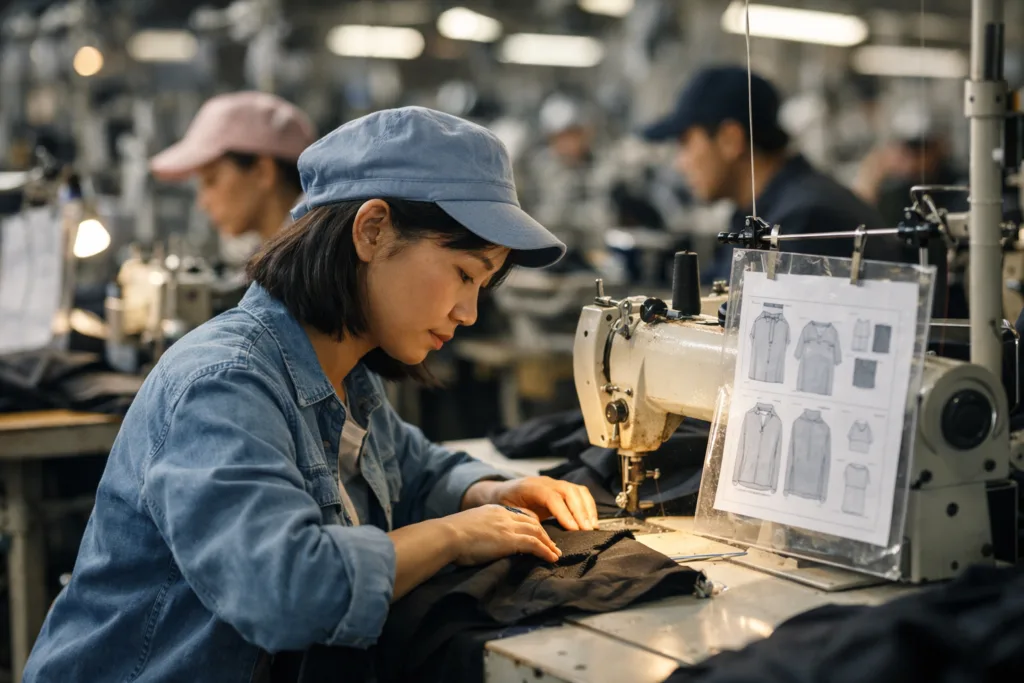
Document All Measurements
Create a chart covering length, width, sleeve, and opening specs for each size variant.
Compile a Precise Bill of Materials
List materials, trims, and finishes—include supplier info if possible.
Detail Construction Techniques
From hemming types to seam allowances, specify enough details for factory precision. Reference What Is a Hem? for common garment finishing options.
Outline Packaging, Artwork, and Labels
Attach mockups for logo placements, list packaging specs, and confirm correct label design.
Best Practices for Communicating with Manufacturers
Always send tech packs in editable formats (PDF, Excel, or cloud-based systems). Correspond stepwise: share drafts, gather feedback, then finalize to reduce surprises.
How Tech Packs Affect Cost and Efficiency
With a solid tech pack, manufacturers quote costs more accurately, minimize sampling rounds, and hit deadlines easier. This drives better margins and allows for streamlined scaling over time.
Adapting Your Tech Pack for Different Product Types
Tech pack requirements vary by product—activewear needs performance fabric specs, while denim calls for wash and distressing details. For fabric performance insights, see 10 Key Insights on Performance & Technical Fabrics in Sportswear.
Updating Your Tech Pack for Reorders and Revision
Each time you refine a product, update the tech pack: adjust measurements, amend BOM, or include new colorways. This becomes a living document across your brand’s lifecycle.
Digital Tech Packs: Advantages and Tools
Modern cloud-based tech packs allow for real-time updates and version control. Tools like digital pattern making platforms save time and prevent confusion in remote teams.
Tech Packs for Small Batch and Startup Manufacturing
For startups, thorough tech packs mean clearer factory quotes and easier negotiations. For more guidance on small batch production, see The Complete Guide to Clothing Manufacturing for Startups.
How Tech Packs Facilitate Quality Control
Specifying QC procedures, like seam strength tests or finish standards, in your tech pack means issues are caught early. Full inspection guidelines help ensure only production-ready goods ship out.
Communicating Changes and Updates
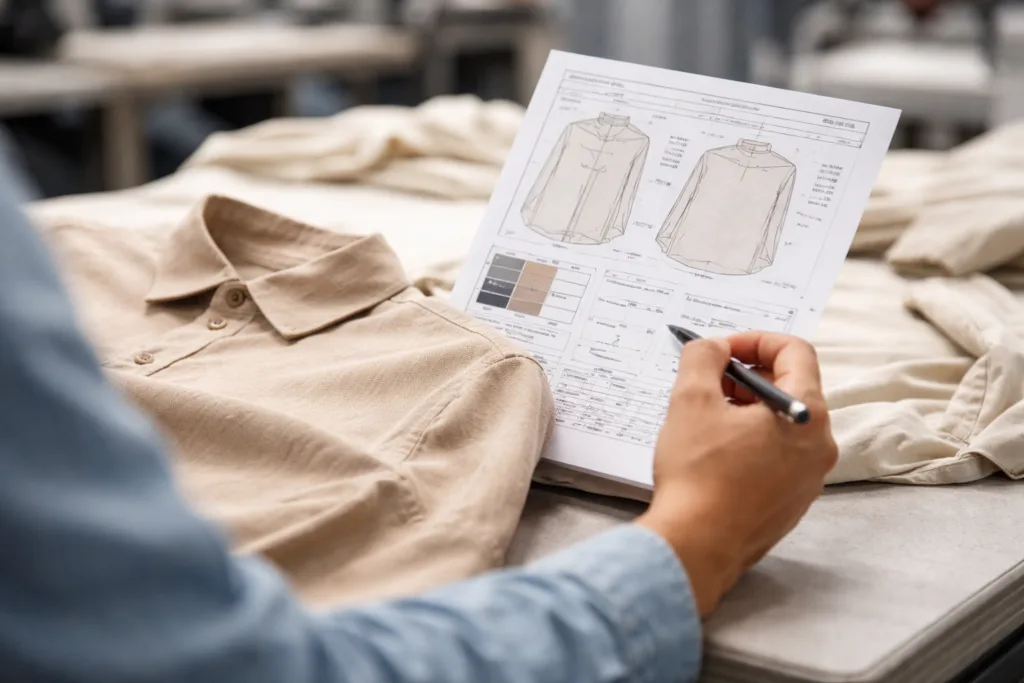
If changes arise mid-production, update the tech pack and reshare. This avoids misaligned expectations and keeps your products consistent across batches.
Frequently Asked Questions
What is included in a standard tech pack?
A standard tech pack features technical sketches, detailed size charts, bill of materials, construction methods, colorways, artwork placement, and care labels.
Is a tech pack necessary for all types of garments?
Yes, whether you’re making t-shirts or high-performance jackets, tech packs keep production efficient and accurate by outlining all essential details.
Can tech packs be updated after production starts?
Yes, but any updates should be communicated promptly to all parties to prevent costly errors or inconsistencies in production runs.
Who is responsible for creating a tech pack?
Typically, designers or product developers build the tech pack, but collaboration with pattern makers and technical teams ensures accuracy.
How do tech packs help with quality control?
By detailing standards and tolerances, tech packs create measurable benchmarks that factories can use for product inspection and consistency.
What software can I use to create a tech pack?
Many professionals use Excel, Adobe Illustrator, or digital fashion platforms for tech packs. Choose a format that allows easy edits and sharing.
Related Reading
- How Digital Patternmaking Powers Modern Apparel Design
- Step-by-Step: Creating Measurement Charts for Garment Development
- Startup Guide: Navigating Clothing Manufacturing from Concept to Production
- Performance Fabric Insights for Innovative Sportswear Brands
- Choosing Heavyweight Fabrics: Canvas, Denim, and Corduroy Explained