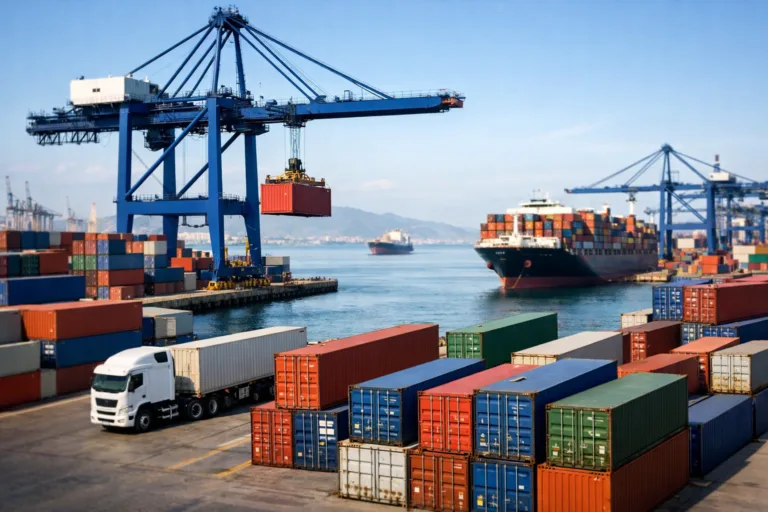
Introduction: Why Accurate Landed Duty Paid (LDP) Cost Analysis Matters
Landed Duty Paid (LDP) represents one of the most critical cost calculations in international trade. Get it wrong, and your pricing, competitiveness, and profits are at risk. For businesses importing products—apparel, electronics, or industrial parts—an accurate LDP cost analysis means knowing your true landed cost down to the last cent, factoring in everything from manufacturing, shipping, and insurance to customs, duties, taxes, and final delivery. In this guide, you’ll uncover the essential components of LDP, strategies for smarter cost management, and real examples showing how LDP impacts the bottom line.
What Is Landed Duty Paid (LDP) Cost?
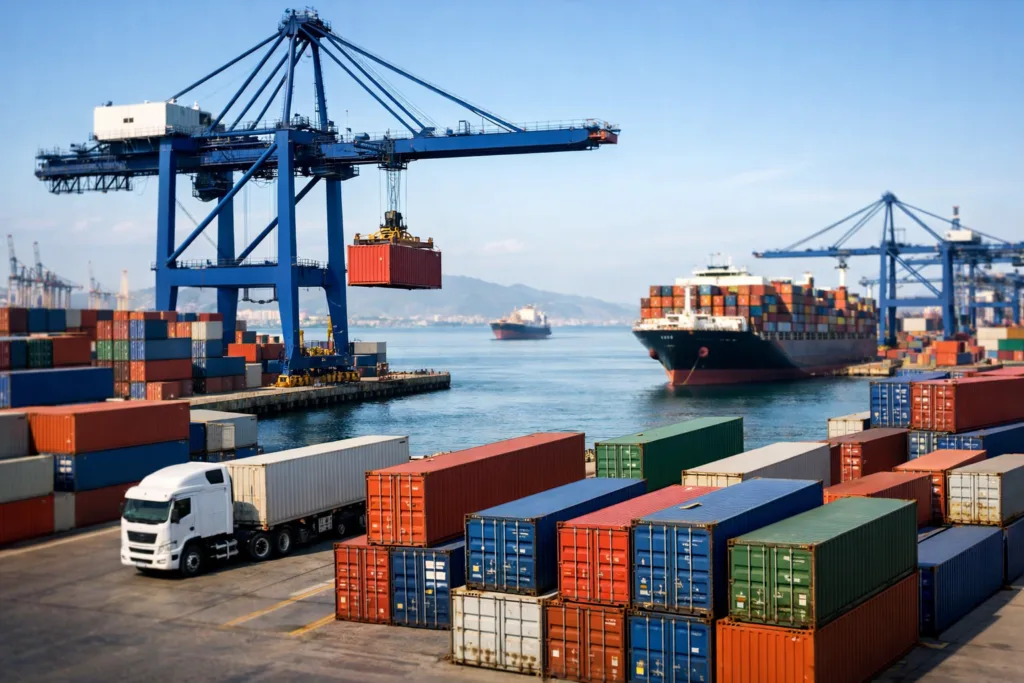
Landed Duty Paid (LDP) cost is the total price of a product once it arrives at your specified destination—fully cleared of all customs duties, taxes, and import fees. Think of it as the complete door-to-door cost, allowing buyers to easily benchmark and compare suppliers globally without surprises after importation. By understanding LDP, businesses can precisely measure true profitability and set competitive retail prices.
Breaking Down Landed Duty Paid Components
Every LDP calculation is a sum of several cost categories. Here’s what gets included:
- Factory Gate Price: The initial production or procurement cost.
- Freight Charges: Shipping by sea, air, or land—including fuel surcharges and container fees.
- Customs Duties & Tariffs: Government-imposed charges upon import.
- Import Taxes (e.g., VAT, GST): Consumption or value-added taxes assessed on entry.
- Customs Clearance & Handling Fees: Port, inspection, and document processing costs.
- Insurance: Protects goods in transit against loss or damage.
- Local Delivery: Transportation from port to final address.
Accurately accounting for each is essential when creating an apparel manufacturing costing sheet or a bill of materials (as explained in resources like Apparel Wiki’s guide to BOM and costing alignment).
LDP vs. Other Pricing Terms: CMT, FOB, EXW, and FPP
Confused by acronyms? LDP isn’t the only method. Here’s a quick comparison:
| Term | What It Covers |
|---|---|
| EXW (Ex Works) | Factory gate only—buyer does everything else |
| FOB (Free On Board) | Goods loaded onto shipping vessel at port of loading |
| CMT (Cut, Make, Trim) | Labor and assembly only; buyer handles materials |
| FPP (Full Package Price) | All-in manufacturing; shipping/landing extra |
| LDP (Landed Duty Paid) | All costs—all the way to your door, duties, and taxes included |
Choosing the right pricing term is fundamental as it determines who is responsible for each segment of the supply chain, as detailed in Apparel Wiki’s CMT vs. FPP guide.
Why LDP Cost Analysis Is Essential for International Trade
Ignoring or miscalculating LDP can cause:
- Unexpected margin erosion from overlooked fees or regulatory changes
- Lost deals due to uncompetitive pricing
- Cash flow shocks from surprise customs penalties
This is especially true in garments or other cost-sensitive sectors where even small miscalculations can erase profits.
Navigating the Steps to Accurate LDP Calculation
- Collect all price quotes in the same currency and terms.
- Identify country-specific duties (use HS codes).
- Combine all shipping, insurance, and handling costs.
- Factor in customs brokerage and local delivery charges.
- Simulate ‘what-if’ scenarios for currency swings and regulatory shifts.
Common Pitfalls in LDP Cost Calculation
- Double-counting or omitting fees, especially with last-minute shipment changes.
- Assuming tariffs remain constant—they may not, especially in volatile trade environments.
- Overlooking last-mile delivery costs in remote or high-congestion areas.
Case Study: The Hidden Risk of LDP Errors
Consider a mid-sized brand importing T-shirts from Southeast Asia. They misclassify HS codes and under-calculate duties, causing unplanned customs holds and an extra $20,000 in costs—wiping out their seasonal margin. This example echoes many Apparel Wiki discussions, where alignment between the bill of materials and the final costing sheet makes or breaks profitability (see their costing secrets guide).
How LDP Impacts Retail Pricing, Competitiveness, and Profits
LDP cost forms the bedrock for all downstream budgeting and retail decisions. Accurate LDP enables you to:
- Set reliable retail prices competitive in target markets
- Project true margins for each style/SKU
- Negotiate with suppliers leveraging full cost transparency
For a tactical look at product cost breakdowns, check resources like How Much Does Every T-Shirt Really Cost?
The Role of Bills of Materials (BOM) in LDP Calculations
Every LDP calculation should start with a precise BOM. A detailed BOM minimizes missed component costs and ensures your costing matches reality. Apparel Wiki consistently highlights the importance of accurate BOMs for controlling sample, fabric, labor, and finishing costs (learn about smart BOM creation here).
How Customs Duties and Tariffs Affect LDP
Customs duties can swing LDP by several percentage points. Factors affecting duties include HS code, origin country, and latest trade agreements. Government sites or experienced customs brokers can provide precise rates, but it’s wise to build a buffer for sudden policy changes.
Calculating Import Taxes and VAT for LDP
Import taxes (VAT, GST, etc.) often apply on the combined value of goods plus shipping. That means importers must add taxes to the subtotal, not simply the factory cost. Overlooking this can lead to under-quoting and ruined projections.
Shipping, Freight, and Last-Mile Delivery: An LDP Wildcard
Shipping rates fluctuate due to fuel prices, demand spikes, and economic events. Freight forwarders can package freight and insurance, but local delivery (port to warehouse) is sometimes billed separately. Always double-check contract fine print— and don’t forget seasonal or political disruptions that hike shipping costs.
Documentary Requirements and Paperwork in LDP Transactions
Common documentation includes:
- Commercial invoice
- Packing list
- Bill of lading/airway bill
- Import licenses (for regulated goods)
- Certificates of origin
Proper paperwork, as highlighted in Apparel Wiki’s apparel manufacturing toolkit, avoids clearance delays and surprise fees.

Currency Exchange and Its Impact on LDP Accuracy
Pay attention to currencies in which you’re invoiced and compare with your local currency. Exchange rate swings can raise or lower the landed cost—and should be hedged or monitored regularly.
Handling LDP with Multiple Suppliers or Split Shipments
If you source from several factories or require partial shipments, track LDP on a per-SKU or per-shipment basis. This granularity prevents averaging errors that can sink margins on complex orders.
Software Tools and Digital Solutions for LDP Management
Modern software can automate LDP calculation and BOM integration, cutting human error and time. Fashion brands of all sizes benefit from using BOM software as described in this list of BOM software tools.
Recent Global Trade Regulation Trends Affecting LDP
Recent years have seen:
- Higher tariffs in certain trade routes (e.g., US–China)
- Rapid changes in EU environmental taxes
- Security and documentation upgrades post-pandemic
Always review the most current regulations when calculating LDP for new products or routes.
Tips for Reducing Your LDP and Enhancing Control
- Work with experienced customs brokers to reduce surprises
- Negotiate all-in (LDP) quotes with suppliers for predictability
- Use technology tools to track real-time costs
- Regularly review HS code classifications to optimize duty rates
When to Choose LDP Over Other Pricing Terms
LDP is best for brands lacking in-house import expertise. It allows for simpler forecasting and budgeting but may carry a supplier markup. For some, especially newcomers, LDP’s peace of mind outweighs potentially higher costs.
Collaborating with Suppliers: Pitfalls and Best Practices
Always confirm in writing what’s included in “LDP price.” Get precise breakdowns and ask for documentation regarding duty and tax calculations. Regular supplier reviews and transparent communication build a solid cost foundation.
LDP Cost Analysis: Common Industry Myths
Some believe LDP “protects” buyers from all risks. In reality, adverse government actions, strikes, or force majeure can still affect delivery and cost. Due diligence remains mandatory—never assume all risk is off your plate.
Industry-Specific Factors: LDP in Different Sectors
Fashion and consumer goods typically face complex classification; industrial components sometimes require extra certifications. Always research specific factors influencing your product’s LDP—Apparel Wiki’s library provides clarity across various sectors.
Summary Table: LDP Calculation Elements Checklist
| Cost Element | Key Questions for Inclusion? |
|---|---|
| Factory Price | Does it include all trims, packaging? |
| Freight | Is insurance bundled in freight cost? |
| Customs Duties | Are there recent changes to duty rates? |
| Taxes (VAT, GST) | Are taxes calculated on the full landed value? |
| Local Delivery | Who arranges and pays for last mile? |
| Brokerage Fees | Are there hidden administration or port fees? |
Pitfall Prevention: Best Practices for Reliable LDP Costing
- Align BOM with costing sheets and keep version control tight
- Schedule periodic LDP reviews triggered by regulatory alerts
- Use independent freight and brokerage quotes for cross-check
- Forecast different volume and route scenarios quarterly
PROMPT: Landed Duty Paid, Cost Analysis
Landed Duty Paid, Cost Analysis remains the linchpin of competitive international trade. Businesses that master every element of LDP—component costs, freight, duties, taxes, and document handling—will position themselves for greater margin security and strategic growth. As regulations evolve and global supply chains face new challenges, reviewing and optimizing LDP cost analysis is a critical best practice for every importer.
Conclusion: The Path Forward in Landed Duty Paid Management

Getting Landed Duty Paid cost right isn’t a one-off task—it’s a repeatable discipline. From knowing your bill of materials inside and out to staying ahead on tariff changes and digitizing documentation, every improvement adds up to more accurate pricing and a healthier bottom line. Build LDP review into your business routine, and international expansion becomes a measured, managed process instead of a gamble.
Frequently Asked Questions
What is included in an LDP (Landed Duty Paid) cost calculation?
LDP includes the production cost, shipping/freight, customs duties, import taxes (like VAT/GST), insurance, import handling fees, and all final local delivery charges until the goods reach your specified address.
How does LDP compare to FOB or EXW pricing?
LDP covers all costs door-to-door (including duties and taxes), while FOB stops at loading onto a ship at the export port, and EXW is just the factory gate price. LDP is the most comprehensive for importers not wanting to handle logistics.
Who is responsible for customs clearance and taxes in LDP contracts?
In LDP agreements, the supplier/exporter is responsible for customs clearance, duties, all import taxes, and delivery, relieving the buyer of these obligations.
What pitfalls are common in LDP cost analysis?
Common pitfalls include missing fees or taxes, wrong duty classifications, fluctuating currency rates, sudden regulatory changes, and omitted last-mile delivery costs.
Should small brands or startups choose LDP pricing?
LDP simplifies budgeting and risk for small brands without in-house import teams, though it might come with a supplier markup. For many, the predictability is worth the extra cost.
How often should LDP costs be reviewed?
LDP costs should be reviewed with every new order, tariff change, or significant shipping/fuel price movement—at least quarterly for active import businesses.
Related Reading
- Mastering FOB Price: 11 Steps That Prevent Costly Import Mistakes
- How Much Does Every T-Shirt Really Cost? A Practical Guide
- Unlock the Secrets of BOM and Costing Sheet Alignment for Profitability
- CMT vs. FPP: Choosing the Right Manufacturing Costing Path
- 9 Pro Steps to Create a Stress-Free BOM for Apparel
- 7 Must-Have BOM Software Tools for Small Fashion Brands