Understanding Fabric Pilling: What It Is and Why It Matters
Fabric pilling is one of the most common frustrations for both garment buyers and factory professionals. Those little fuzzy balls, especially on active shirts, loungewear, or robust polos, can undermine a garment’s durability and appearance. At Apparel Wiki, we often hear from buyers and designers concerned about why fabrics pill and how they can strengthen garment longevity with anti-pilling tips. Understanding the technical root causes—fiber length, friction, washing, and material choice—can help factory teams and end-users make practical, effective decisions.
Why does my fabric pill and how can I prevent it?
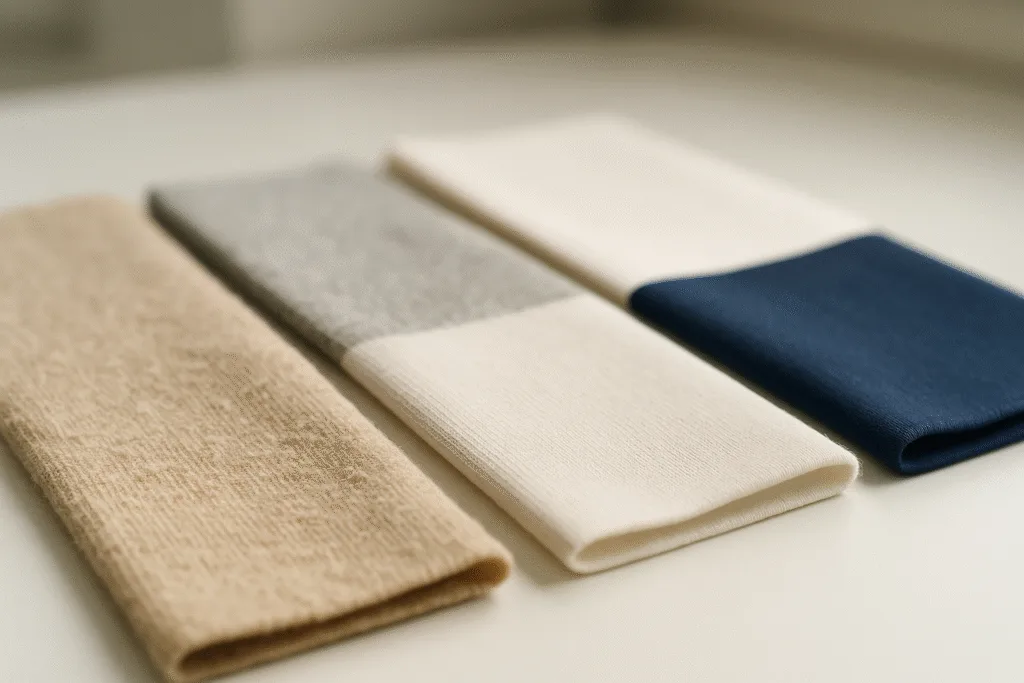
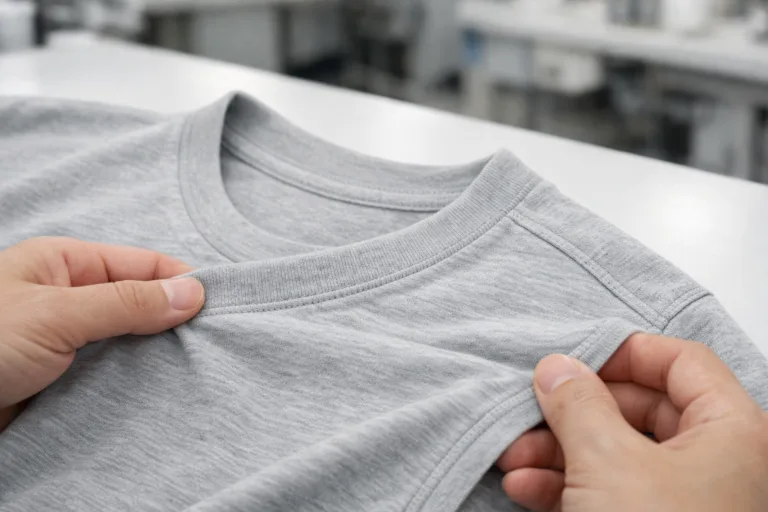
Fabric pilling occurs when short or loose textile fibers work their way to the surface and, through rubbing or washing, twist into tiny balls. This commonly affects high-friction areas—like sleeves, side seams, or thighs on trousers. Whether you’re working with cotton single jersey, polyester fleece, or blended knits, pilling can affect both cost and brand reputation. Prevention starts with smart fabric choices, diligent finishing, and precise care. Below we dive into key causes and factory-tested anti-pilling tips for lasting results.
The Mechanics of Pilling: Fiber Length, Yarn Structure & Material Choice
Pilling is closely tied to fiber length and yarn quality. Short staple fibers—like regular cotton or viscose—are more prone to work loose compared to long staple fibers found in premium combed cotton or modal. Similarly, loosely spun yarns and open structures invite surface abrasion. In our export factories, we always examine yarn type (ring spun vs. open end), twist level, and blending before bulk fabric approval.
Key Fiber Types and Their Pilling Behavior
- Cotton: Regular upland cotton pills more than combed or Egyptian cotton, due to shorter fiber length.
- Polyester: Resists breaking, so pills might remain longer unless treated; microfibers or recycled blends often need special finishes.
- Viscose/Rayon: Short fibers, easily breaks off, leading to heavy pilling without proper blending or finishing.
- Modal/Tencel: Long staple, smoother surface, much less pilling.
- Blends (CVC/TC): Blending polyester with cotton helps, but can still show pills—especially if low-grade raw materials are used.
Yarn and Fabric Construction
Compact yarns, higher twist, and double-knit constructions (like interlock) perform better than low twist or single jersey. Brushed and fleece finishes can disguise but also sometimes encourage pilling if not stabilized.
| Fabric Type | Fiber Length | Pilling Risk | Best Use |
|---|---|---|---|
| Single Jersey (Cotton) | Short/Medium | High | T-shirts, polos (budget) |
| Combed Cotton Jersey | Long | Low | Premium T-shirts |
| Polyester Microfiber Interlock | Long | Medium | Sportswear |
| CVC Fleece | Blend | Medium | Sweatshirts |
| Modal/Cotton Jersey | Long/Long | Very Low | High-end Tees, Undergarments |
The Role of Friction, Wearing, and Washing in Pilling
Everyday friction—from sitting, arm movements, cross-body bag straps, or even routine laundering—can cause pills to form on vulnerable fabrics. In the sewing line, especially for sports or school uniforms, we monitor fabric stress points (side seams, knees, elbows) and use sample wear tests to predict long-term durability. Gentle surface abrasion tests in QC reveal which combinations are most at risk before garments reach the shelf.
High-Risk Garment Areas
- Underarms and sleeves
- Side seams and waistbands
- Thigh area, especially on joggers
- Satchel/bag touchpoints
Laundry Impact
In factories, we routinely check colorfastness and pilling resistance after five home washes. Mechanical action (tumbling, agitation, spinning) can break yarns and expose loose fibers. Use mesh laundry bags, lower spin speeds, and gentle cycles to minimize stress.
Fabric Choices That Reduce Pilling
A critical anti-pilling tip is to start with the right fabric. Long staple cotton, modal, and blends engineered for stability dramatically lower surface fiber migration. For polos or uniforms, ring spun combed yarns with 160–220 GSM, tightly knitted single jersey, or performance polyester knits with high filament count consistently outperform low-cost options in laboratory Martindale tests and everyday use. Apparel Wiki’s sourcing team always requests fabric pilling reports before bulk custody.
Recommended Low-Pilling Fabrics
- Combed cotton jersey (premium tees, polos)
- Modal or Tencel blends (activewear, luxury knits)
- Polyester microfilament interlock (sports apparel)
- Double-sided knits (heavier-duty sweatshirts)
- Engineered anti-pilling fleece (specialist loungewear)
What to Ask Your Supplier
- Source yarn specs (fiber length, twist)
- Request pilling resistance test reports (Martindale, ICI pilling box)—minimum grade 3–4 after 5 washes
- Specify anti-pilling chemical finish (see below)
- Ask for sample garment wear trial feedback
Rain’s tip from the production line: “In our factory, switching from regular open-end cotton to ring spun combed cotton instantly dropped pilling complaints by 60%. Always push for long-staple fibers if your item must look sharp after multiple wears.”
Chemical and Mechanical Finishes to Control Pilling
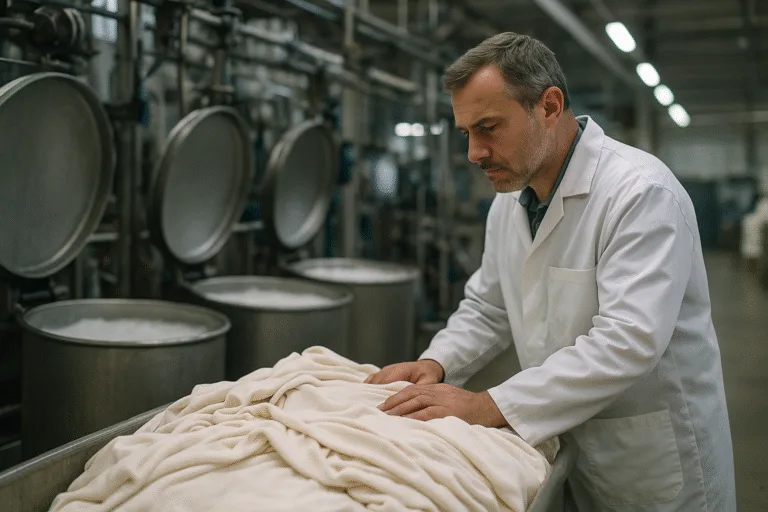
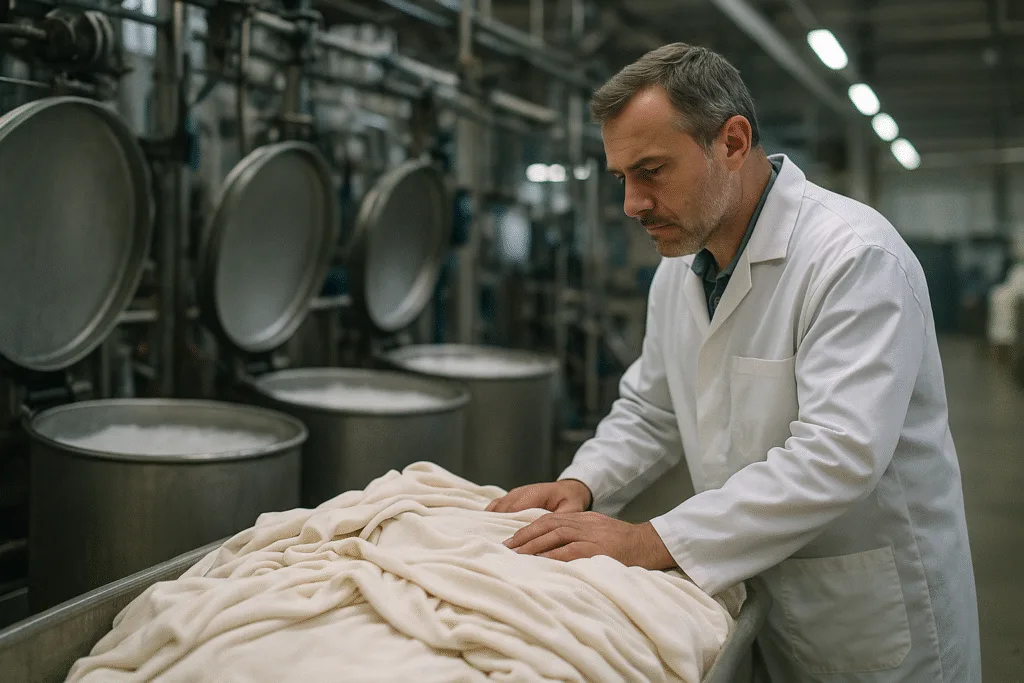
Modern finishing methods give another layer of defense against pilling. Enzyme washing, bio-polishing, and silicone softening break down excess surface fibers and smooth the yarn profile. For performance knits or fleece, mills may use anti-pilling treatments at the dyeing stage. It’s vital to specify these finishes on your tech pack and confirm process control at the mill. QC teams often perform before/after washes to prove the finish holds up over time.
Main Anti-Pilling Finishes
- Bio-polish (enzyme wash): Removes protruding cellulosic fibers below the surface, widely used on high-end cotton jerseys.
- Silicone softening: Reduces friction and abraded fiber shedding, giving smoother hand feel and improved wear resistance.
- Resin finishes: Applied to some synthetic blends; must balance softness vs. resilience.
- Calendering and shearing: Physically flattens surface, used for brushed/poly microfleece.
Finish Quality Control
Factory teams check pilling after simulated home laundering and abrasion. The standard Martindale or ICI pilling tests produce grade scores (1 = heavy pilling; 5 = none). Apparel Wiki typically insists on grade 4 minimum for visible areas.
Garment Design Strategies to Minimize Pilling
Pilling risk isn’t just about fabric—it’s where and how you use it. Strategic pattern placement, stitch choice, and reinforcement around high-friction zones play a big role. For example, curved shoulder seams, raglan sleeves, or bound armholes can help distribute friction and slow down pill formation. Manufacturing teams prefer using compact jersey or double-knit panels where pilling injury is highest, such as elbows or seat areas.
Sewing and Construction Considerations
- Use flatlock or overlock seams with high SPI (stitch per inch) for tighter, durable finish.
- Avoid excessive brushing near seams; control softening so the face remains smooth.
- For sportswear, add gussets or taping to redistribute stress.
Care Label Recommendations
- Advise low-temperature washes and air drying.
- Suggest gentle detergents (avoid enzyme-heavy if not bio-polished).
- Encourage turning garments inside out during washing.
Best Washing, Wearing, and Care Practices for Anti-Pilling Performance
Even the best-engineered fabrics and finishes need responsible end-user care. That’s why detailed care instructions—often neglected in low-cost imports—greatly impact real-world pilling. Based on decades of production trials, here’s what keeps surface fibers intact for longer, aligning with major textile institute recommendations.
- Use laundry mesh bags for delicate or high-pilling risk garments.
- Select gentle/wool wash cycles, low spin speed, and cool water.
- Turn garments inside out to protect surfaces.
- Air dry rather than tumble dry; excess heat encourages fiber breakage.
- Minimize overwashing—spot clean when possible.
Quick Troubleshooting
- If pills form, gently shave with a fabric comb or electric depiller.
- Check softener and enzyme content in detergents—these can affect pilling if applied in excess.
- Replace high-friction accessories or bags causing local abrasion.
Quality Control: How Factories Test and Grade Pilling Resistance
Before bulk approval, factories perform standardized lab tests to measure pilling resistance. The Martindale and ICI pilling box methods simulate real usage by repeatedly abrading the fabric sample. QC inspectors grade the number and size of pills after set cycles, often 5–10 washes or 2,000–5,000 rubs. Any result below grade 3 is flagged for rejection or re-sourcing. Tech sheets must specify the desired standard (e.g., Martindale grade ≥ 4).
How to Read a Pilling Test Report
- Martindale/ICI rating: Scale from 1 (heavy pilling) to 5 (no pilling).
- Test cycles: Usually 2,000–5,000 rubs for abrasion; 5–10 home wash simulations.
- Sample location: Test visible zones (front, sleeves, seat) and seams.
- Finishing impact: Compare pre- and post-finish ratings to confirm effectiveness.
- Lab accreditation: Reliable mills use accredited labs per ISO/ASTM or AATCC standards.
Factory Actions if Pilling Fails Tests
- Audit yarn and fiber source for irregular length or blend
- Request improved finishing or higher twist yarn
- Redesign garment zones at highest risk
- Provide additional care guidance for buyers
Comparing Fabrics: Practical Checklist for Buyers and Factory Teams
Use the following checklist to select and specify anti-pilling performance from lab to final customer:
- Request fiber length details from mill: prefer long staple, combed sources.
- Ask for yarn twist levels and compact yarn use.
- Check GSM and knitting density—tighter is better.
- Get finishing process documentation—enzyme/bio-polish, silicone.
- Read Martindale/ICI test reports: grade 4 or better.
- Test garment prototypes in practical wear conditions.
- Update care labels with specific anti-pilling tips.
Table: Popular Fabric Types and Pilling Resistance
| Fabric | Construction | Pilling Resistance | Typical GSM | Best Use Case |
|---|---|---|---|---|
| Combed Cotton Jersey | Single Jersey, Ring Spun | Excellent | 160-220 | Premium Tees, Polos |
| Polyester Microfiber Interlock | Tight Double Knit | Very Good | 150-200 | Sports Shirts |
| Viscose Jersey | Loose Single Jersey | Poor | 130-180 | Fashion Tops |
| Polyester Fleece | Brushed Knit | Medium | 230-320 | Hoodies, Joggers |
| Modal/Cotton Blend | Compact Jersey | Excellent | 160-200 | Luxury Basics |
From Factory to Wardrobe: A Holistic Approach to Preventing Pilling
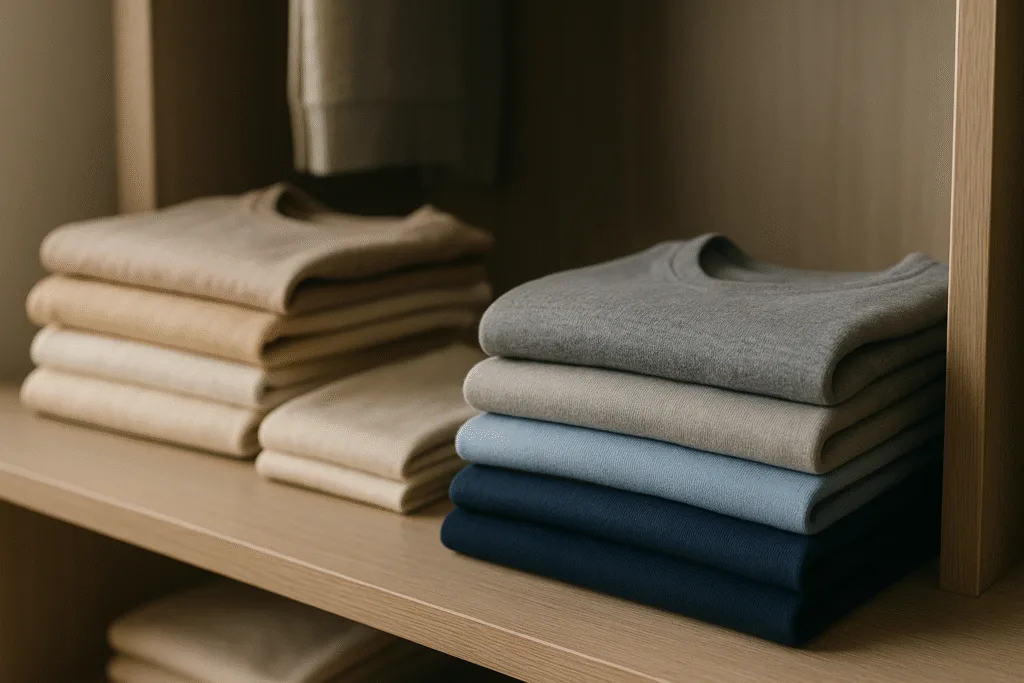
To truly control pilling, all stakeholders—mills, factories, buyers, and wearers—must collaborate. The sourcing team selects stable, long-fiber materials; production uses precise finishing; QC grades samples and prototypes against robust standards; and buyers educate customers with concrete usage and care instructions. Rain Chen’s experience tells us that even a 20% increase in yarn twist or a single extra enzyme wash can cut pilling returns in half for major sports retailers, proving results are earned by optimizing every step from lab dip to bulk delivery.
Key Takeaways for Anti-Pilling Strategies
- Always specify yarn and fiber source
- Insist on finishing processes with proven test reports
- Monitor high-friction zones during sample trials
- Update care labels with practical, user-friendly instructions
- Collaborate up and down the supply chain for continual feedback
Frequently Asked Questions
What is fabric pilling?
Fabric pilling is the formation of small fuzzy balls on the surface of a textile, caused by friction that breaks and entangles short fibers.
Why do some fabrics pill more than others?
Fabrics made with short fibers, low-twist yarns, or loose knits are more prone to pilling due to their structure and low fiber cohesion.
Can chemical finishes stop pilling completely?
Chemical finishes like enzyme washes or silicone softeners greatly reduce pilling but rarely eliminate it fully without good raw materials.
Does washing style impact pilling formation?
Yes, using gentle cycles, mesh bags, and air drying minimizes mechanical friction, reducing the risk of pills during home laundering.
Are certain colors or prints more prone to pilling?
No, pilling is caused by fiber and yarn structure, not color or print, though surface texture can occasionally mask pill visibility.
How do I remove pills from my clothes?
Remove pills gently using a fabric comb or electric depiller, but always check care labels and act carefully to avoid damaging the fabric.