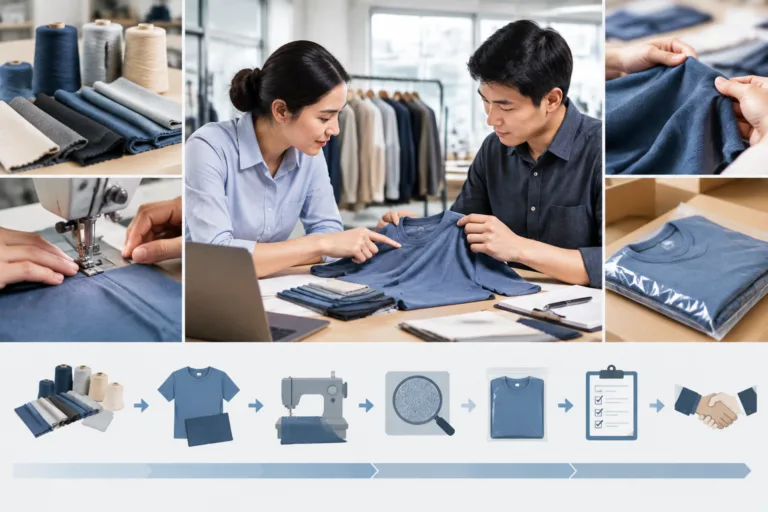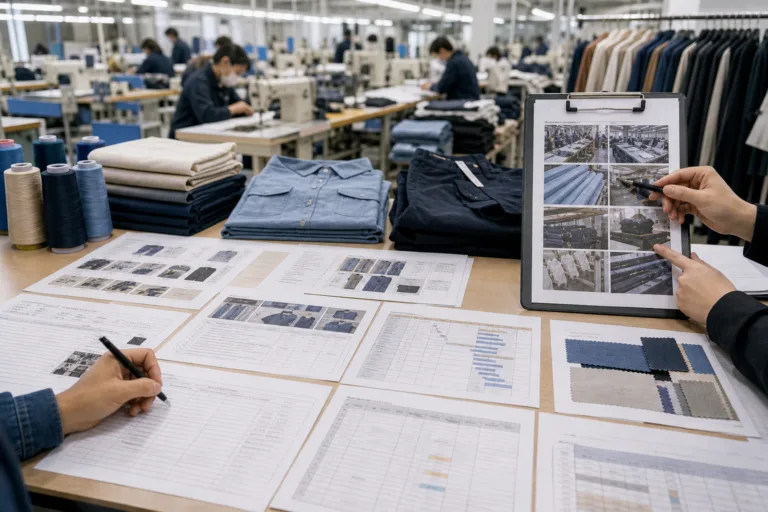
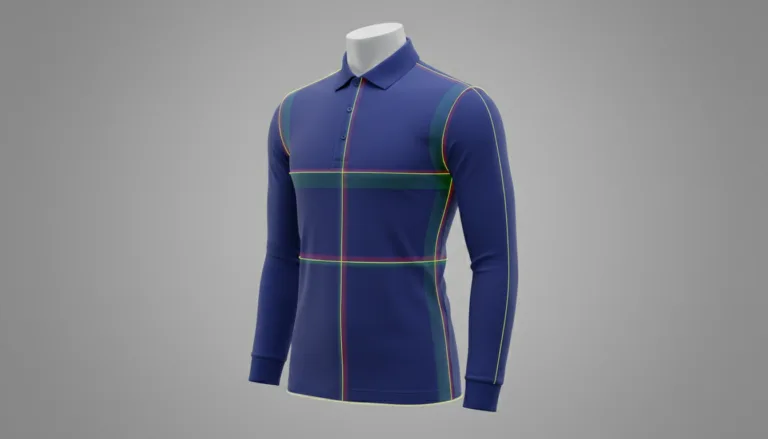
Understanding production tolerance helps both newcomers and seasoned industry practitioners manage expectations and solve disputes around sizing, quality, and fit. Factories and brands set these boundaries for each measurement and component, knowing that fabric stretch, sewing variability, and finishing processes can all shift the actual dimensions. The type and size of a tolerance depend on the garment, market, price point, and the needs of end customers.
The Role of Garment Tolerance in Sizing
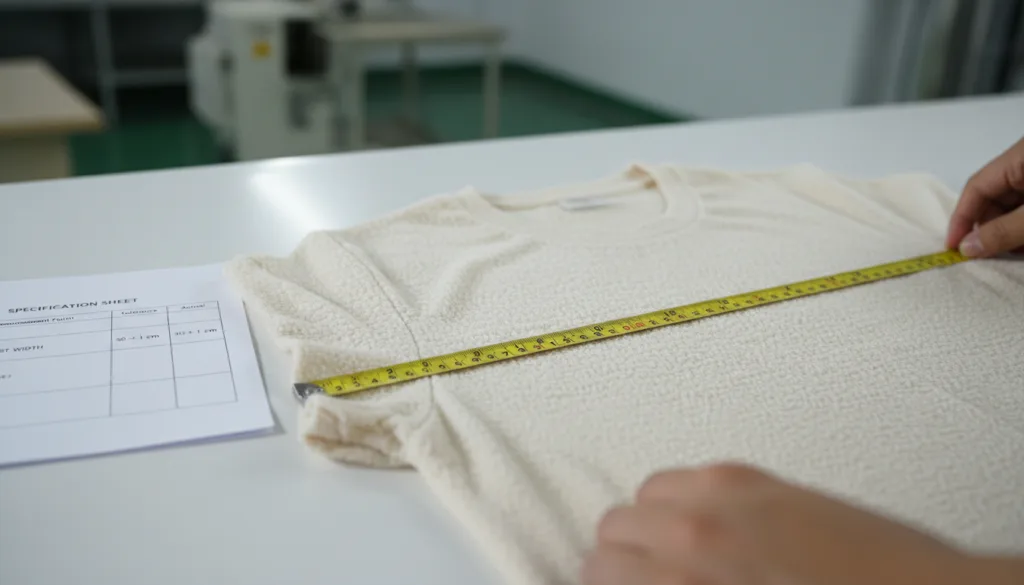
Garment tolerance matters because it directly affects the size and fit of clothing. Size rules for mass production rarely allow a garment to match paper specifications exactly, especially for measurements like chest, waist, length, and sleeve. Tolerances ensure reasonable uniformity while absorbing normal production variability—from cutting accuracy to seam distortion—and fabric shrinkage after washing. For example, a T-shirt labeled as ‘Chest 56cm’ may allow a tolerance of ±1cm, meaning any finished width between 55cm and 57cm is acceptable.
Why Tolerance Is Necessary
- Material Variability: Fabric can stretch, shrink, or relax differently through pre-shrinking, sewing, and finishing.
- Sewing Process: Different operators, machines, and needle types induce minor deviations in seam allowances, overlap, and tension.
- Cutting Accuracy: Manual or automated methods can introduce fractions of a centimeter difference per panel.
- Bulk Consistency: Without tolerance, vast quantities of garments would be rejected for trivial measurement errors.
Linking Tolerance to Size Charts
Brands develop grading rules (jump between sizes) and set tolerances for both standard and extended size ranges. Children’s wear, for example, allows tighter tolerances due to smaller dimensions; oversized or relaxed fits may use more generous tolerances. All must be clearly stated in tech packs and pre-production samples—otherwise, confusion and disputes arise at the QC stage.
How Garment Measurement Tolerance Impacts Fit
Garment measurement tolerance can subtly change how clothes feel and look. Too large a tolerance risks inconsistent customer experience and lower brand reputation. Too tight a tolerance increases waste, cost, and rejection risk. Both extremes often frustrate buyers and factories alike.
Practical Examples
| Garment Type | Main Measurement | Common Tolerance | Fit Impact |
|---|---|---|---|
| T-shirt (Knitted) | Chest Width | ±1 cm | Regular or slim fit can be affected, especially in stretch fabrics |
| Polo Shirt | Body Length | ±1.5 cm | Length changes silhouette; loose fit can tolerate more |
| Jeans (Denim) | Waist | ±0.75 cm | Small waist change influences tight fits |
| Hoodie | Sleeve Length | ±1 cm | Noticeable in cuff placement, especially for tall sizes |
| Sports Shorts | Outseam Length | ±1.5 cm | Affects rise and comfort, but mid-thigh coverage is more forgiving |
| Workwear Jacket | Chest Width | ±2 cm | Looser cut allows greater deviation—function prioritized over fashion |
Tips for Managing Fit with Tolerance
- Always request a full spec sheet listing tolerances for each main measurement.
- Perform wear trials and size set fittings to identify critical measurements for your product category.
- Work with factories to balance strict tolerances for aesthetics versus realistic production capabilities.
Pivotal Factors That Determine Garment Tolerance
Several production factors govern the choice and application of garment tolerance values. Experienced technical teams weigh these elements early, often adjusting after pilot or PP sample stages. Key pivots include:
Fabric Construction & Behavior
- Knits vs. Wovens: Knits like jersey or fleece are more elastic and prone to stretching, needing wider tolerances than rigid wovens.
- Special Finishes: Enzyme wash, peaching, mercerization may cause shrinkage or growth post-production.
Pattern & Style Complexity
- Multi-panel styles (jackets, color-block hoodies) introduce more seams and potential variability.
- Additional embellishments (pockets, rib trims, zippers) affect how measurements shift after sewing.
Production Volume & Market
High-volume orders often need slightly wider tolerances to minimize wastage. Premium brands or technical sportswear may push tighter boundaries for better fit but at higher cost.
Size Rules: How Brands and Factories Set Tolerance
Size rules blend the fit philosophy of the brand, market expectations, and production realities. Apparel Wiki’s garment engineers typically follow this process:
- Analyze Reference Garments: Review competitor samples, market leaders, and size charts.
- Develop Base Measurement Spec: Create a technical pack, including every measurement for each size.
- Assign Tolerances: Set boundaries based on garment type, fabric behavior, and style complexity.
- Test PP Samples: Assess production runs by measuring samples in every size against tolerances.
- Refine for Bulk: Adjust tolerance for consistent passing rate in bulk QC, considering actual rate of variation.
Common Size Rule Practices
- Top brands state tolerance per measurement (e.g., ±1 cm chest, ±0.5 cm sleeve opening).
- Some mass retailers combine tighter rules for critical areas (shoulder width, body length) and looser rules for non-critical (cuff diameter).
- Technical or performance fit often demands precise tolerances in key zones (armhole, rise, inseam).
Garment Tolerance Procedures During Production
Garment tolerance comes into play at each stage—ensuring pattern pieces, cut panels, sewn bodies, and finished garments meet specifications within permitted variation. In major export factories, the typical workflow is:
Fabric Inspection
Bulk fabric must be checked for shrinkage and width before cutting, with approved tolerance based on pre-test results.
Pattern Cutting
Marker planning accounts for both pattern size and the assigned tolerance per measurement. Laser or band knife cutting targets the median of the tolerance range for optimal yield.
Sewing & Assembly
Operators are trained to maintain uniform seam allowances. Regular measurement checks ensure consistency across bundles.
Finishing
Post-wash or ironing may shift actual garment dimensions—this is where garment tolerance catches normal fluctuation, provided shrinkage remains within agreed parameters.
Quality Control & Final Audit
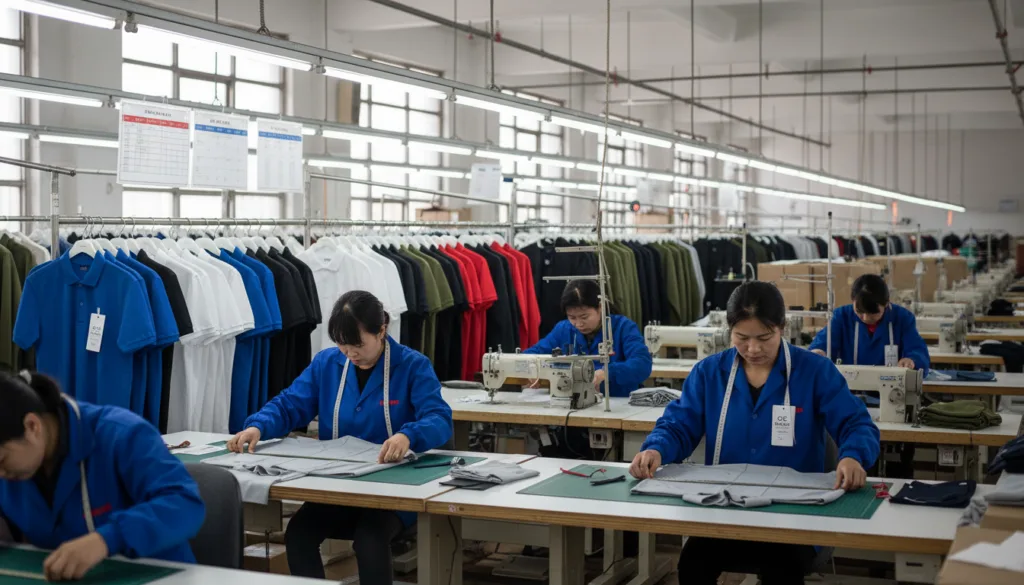
During inline and end-line inspection, QC teams measure finished garments, comparing each dimension to the spec plus tolerance band. Garments outside tolerance are marked for rework or rejection.
Rain’s tip from the production line: When producing high-stretch sportswear or tight fit garments, check measurement after wash and before pressing. This is where most tolerance failures happen in bulk.
Measurement Tolerance in Garment Compliance and Testing
Tolerance isn’t just about size—it plays a role in official garment testing and compliance. Brands aiming for OEKO-TEX® or REACH certification must consider whether size variation impacts safety, labeling, and usage claims. Common garment tests that interact with tolerance include:
- Dimensional Stability: Shrinkage testing after washing must stay within tolerance for critical dimensions.
- Skew/Torque in Knits: Rotational deviation is checked against tolerance to prevent visual twisting.
- Seam Strength: Stitch density and seam allowance must remain within tolerance or risk bursting in use.
Practical Case: Kidswear Tolerance
For children’s clothing, over-wide tolerances risk poor fit or even safety issues. Regulatory guidelines may dictate max variance, especially for sleepwear or protective items.
Common Garment Tolerance Mistakes and How to Avoid Them
In real production, mistakes around garment tolerance often cost time and reputation. Key pitfalls include:
Relying on Unclear or Missing Tolerance Specs
If tech packs lack explicit tolerance values, factories apply “assumed” industry standards—usually leading to mismatched expectations. Always agree in writing, with each spec measurement having a tolerance in the tech pack or purchase order.
Applying Uniform Tolerance Across All Measurements
Not every measurement needs the same tolerance. Prioritize tighter tolerances for high-visibility areas like chest width and body length; allow more for minor points like pocket placement.
Ignoring Fabric Shrinkage and Post-processing
Garments often shrink during washing/finishing. Tolerance must absorb both sewing/cutting variation and finishing changes.
Insufficient QC Training
Operators and QC staff need specific training on how to measure, read specs, and report tolerance failures. Use calibrated tools and clear reference samples for consistency.
Best Practices for Specifying and Checking Tolerances
To maintain fit and keep returns low, follow these ground-tested standards:
- State tolerance for every key measurement in your spec sheet.
- Test PP, size set, and TOP samples for actual repeatability before setting bulk tolerance.
- Use calibrated measuring tools and standardized measuring techniques in the factory.
- Revisit tolerances after repeat production runs—adjust for known issues or changes in vendor capability.
- Educate both buyers and QC teams on how tolerance translates to real-life fit—especially when troubleshooting complaints.
Summary Table: Typical Garment Measurement Tolerances
| Measurement | Knits (Jersey/Interlock) | Wovens (Shirts/Denim) | Outerwear (Jackets/Coats) |
|---|---|---|---|
| Chest Width | ±1 cm | ±1 cm | ±2 cm |
| Body Length | ±1.5 cm | ±1 cm | ±2 cm |
| Sleeve Length | ±1 cm | ±0.75 cm | ±1.5 cm |
| Waist | ±0.75 cm | ±0.75 cm | ±1.5 cm |
| Hem Width | ±1 cm | ±1 cm | ±2 cm |
| Shoulder Width | ±0.75 cm | ±0.75 cm | ±1 cm |
These values act as a starting guideline. Adjust by garment style, customer profile, and unique project needs.
Garment Tolerance in Real-World Applications
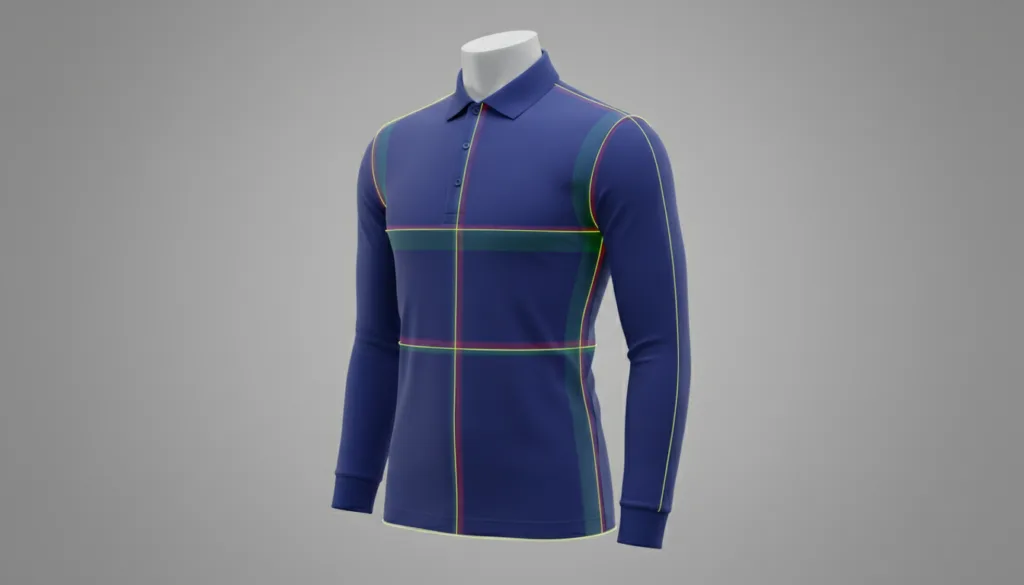
The actual application of garment tolerance rules varies by category and purpose. In Rain Chen’s experience, sportswear factories routinely allow wider tolerance for stretch fit, and heritage workwear brands build in extra ease for durability. Fashion-forward labels, on the other hand, often demand tight tolerance on body and sleeve length to preserve silhouette and brand integrity.
T-shirts & Polo Shirts
- Critical tolerance on chest, shoulder, and body length
- Rib or collar attached with ±0.5 cm tolerance
- Relaxed fit allows slightly looser tolerance at the hem
Denim & Woven Shirts
- Waist, hip, and inseam key for fit; tolerances typically ±0.75–1 cm
- Contrast stitch can magnify apparent variation, so tighter tolerances in visible areas
Workwear & Uniforms
- Functional areas (cuffs, leg openings, chest) use wider tolerance for comfort/movement
- Pocket placement less critical, but should be within ±1 cm for uniformity
Frequently Asked Questions
What is garment tolerance in clothing production?
Garment tolerance is the allowed deviation from target measurements in finished apparel, ensuring consistent quality despite factory and material variability.
Why do brands and factories set measurement tolerances?
Measurement tolerances help absorb normal production variation and keep garments within acceptable fit and quality standards without excessive waste or rejection.
How do garment measurement tolerances affect clothing fit?
Tolerance ranges determine how closely actual garments match intended size charts. Too much tolerance risks inconsistent fit; too little increases cost.
What are typical tolerance values for garment measurements?
Common tolerances are ±1 cm for knits, ±0.75–1 cm for wovens, and up to ±2 cm for outerwear, varying by measurement and garment type.
How should tolerance be communicated in the spec sheet?
Each key measurement on the spec sheet should include an explicit tolerance value to guide production and QC, preventing disputes or unexpected fit.
What are common mistakes in setting garment tolerances?
Major mistakes include unclear specs, uniform tolerances for all measurements, and failing to account for finishing processes like washing or pressing.