Introduction to Prototype Samples in Garment Manufacturing
Within apparel production, the prototype sample—commonly referred to as the “garment proto”—stands as a foundational step in transforming design concepts into wearable realities. This initial sample operates as both a visual and technical translation of the designer’s vision, enabling factories, brands, and buyers to evaluate not just overall aesthetic but precise construction, fit, proportion, and manufacturing feasibility. Understanding the prototype sample meaning is essential for anyone navigating the apparel supply chain, from designers to production managers and quality auditors.
The Role of the Prototype (Proto) Sample
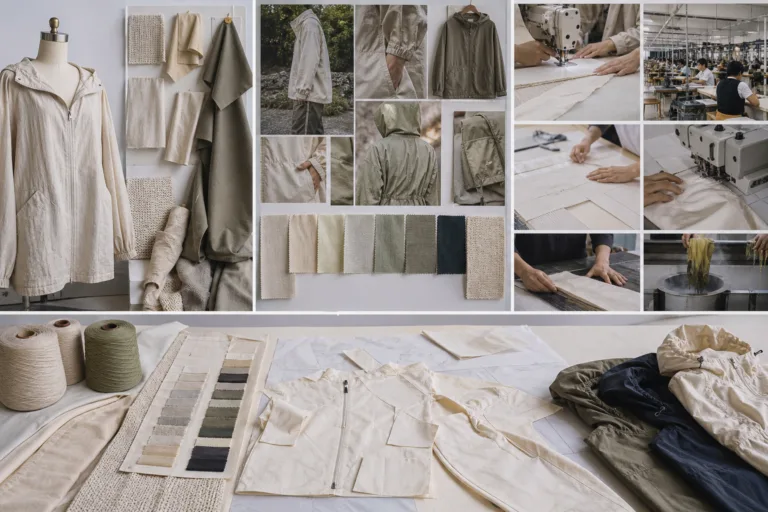
A prototype sample is the first physical iteration of a new garment style, built directly from initial sketches, technical packs, and pattern drafts. Unlike salesman samples or pre-production samples, the proto’s objective is to trial the construction, fit, and proportions on real materials, usually with provisional trims and embellishments.
Why Prototype Samples Matter
- Validates design intent before bulk production.
- Reveals construction challenges and pattern issues.
- Supports iterative feedback between designer and factory.
- Establishes the base for all subsequent sample and bulk production approvals.
The Prototype Sample: Purpose and Evaluation
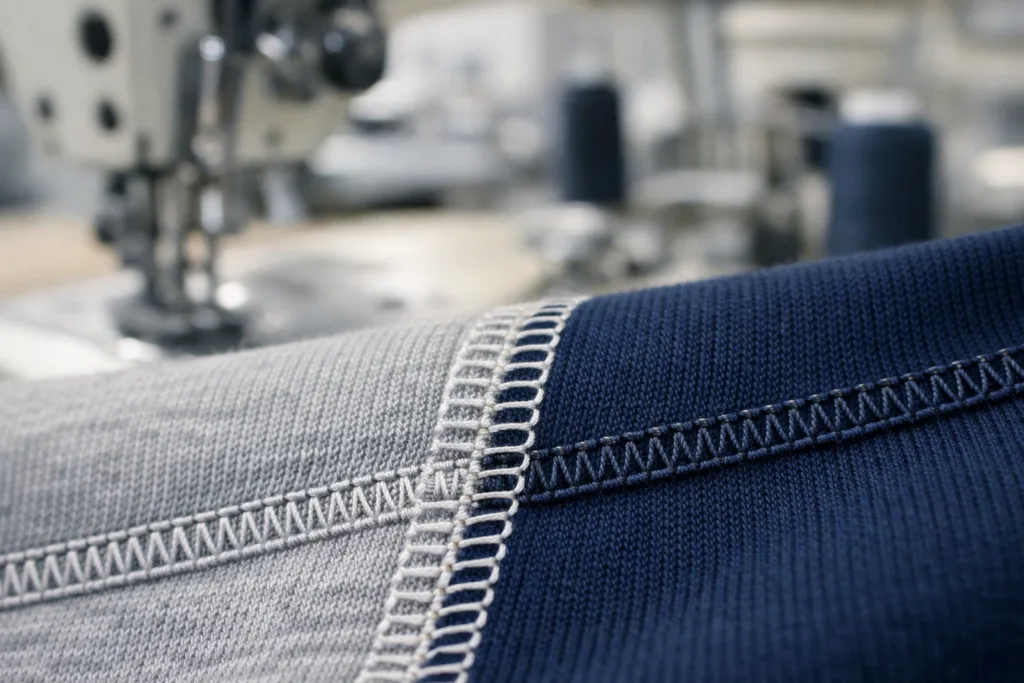
The phrase prototype sample meaning in garment production encompasses several layered functions. The core purpose of the garment proto is to demonstrate how a design works when realized in fabric, using production or near-production techniques. It serves as a learning tool for both the pattern making team and the designer, identifying issues with silhouette, technical construction, and fit, and setting the stage for refinements.
Dissecting Prototype Sample Details
- Design Translation: Tests how the design sketches translate to physical form, addressing issues like shaping, drape, and proportion.
- Construction Feasibility: Checks whether the garment can be sewn efficiently, evaluating seam choices, stitch types, and assembly order.
- Fit and Proportion: Validates measurements against target specs, using live model or mannequin fittings to adjust pattern blocks and ease allowances.
- Communication Tool: Acts as a reference in discussions between designers, pattern makers, and factory sample rooms, guiding next-step revisions.
Key Prototype Sample Attributes
| Attribute | Typical Proto Features | Why It Matters |
|---|---|---|
| Fabric | Production or similar-quality; may use ‘dummy’ trims | Assess drape and performance |
| Construction | Production seam types, basic finishing | Evaluates manufacturing feasibility |
| Fit/Proportion | Made to base size spec; fitting trials required | Ensures silhouette and measurements align |
| Detail Level | Core details, major trims, sometimes mock-ups | Clarifies design intent, flags practical issues |
Evaluating Garment Proto Construction
Examining proto construction forms the backbone of the factory evaluation process. Each seam, stitch, and finishing method is scrutinized to ensure the garment can be manufactured efficiently at scale, without unexpected issues such as seam failure, puckering, or poor handling.
Critical Construction Points
- Seam Types: Overlock (504/514), lockstitch (301), coverstitch (602) on hems.
- Stitch Density: Typical range 8–12 stitches per inch (SPI) for knits, 10–14 SPI for wovens.
- Thread & Needle Compatibility: Polyester thread for knits, cotton/poly blends for woven shirts.
- Reinforcement: Bartacks at stress points (side pockets, belt loops); interlining at collars, plackets.
- Trims and Embellishments: Zippers, buttons, snaps, drawcords often added as mock-ups if not final trims.
- Finishing: Basic edge cleaning, but not always final washes or treatments at proto stage.
Factory Checklist for Construction Evaluation
- Are all main seams sewn with appropriate stitch type and density?
- Is seam alignment consistent (shoulders, side seams, collar set)?
- Have reinforcement bartacks been placed correctly?
- Do all pattern pieces match up without visible twisting or torque?
- Are selvedges clean, even without final finishing?
- Are trims attached securely enough for fit trials?
- Is the garment ready for on-model fit or dummy form trial?
Rain’s tip from the production line: “A well-built proto should expose underlying technical risks before bulk—if your factory can’t achieve sharp construction on the sample, don’t expect miracles in production.”
Assessing Fit and Proportion in Prototypes
Accurate fit and proportion are central in verifying if the prototype sample matches the designer’s vision and intended customer profile. Misjudging fit or failing to account for fabric stretch/shrinkage often leads to costly errors in subsequent samples or production runs.
Fit Evaluation Steps
- Compare garment measurements against tech pack/spec sheet.
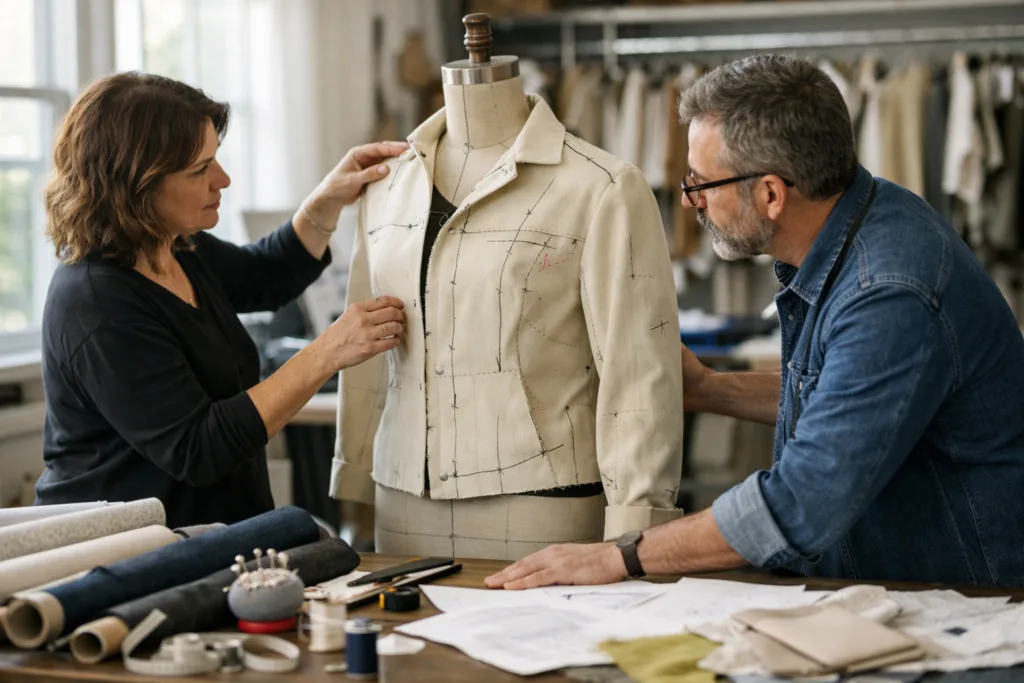
- Conduct live fitting with a fit model or dress form of target base size.
- Assess critical points: shoulder width, body length, sleeve length, chest, waist, hips.
- Evaluate ease allowance, movement, and comfort.
- Note fabric-specific effects, e.g., negative ease on stretch jerseys, allowance for shrinkage in wovens.
Proportion Adjustment Examples
- T-shirt: Body width, sleeve fit, neck opening—change by ±1 cm can dramatically shift perceived style.
- Polo shirt: Collar height, placket length, cuff tightness.
- Hoodie: Body length, pocket placement, hood volume.
Common Fit/Proportion Errors to Catch Early
- Length or width out of tolerance (typical tolerance ±1 cm knits, ±0.5 cm wovens).
- Twisting at side seams or sleeves (especially in knits).
- Poor collar or cuff sit due to interfacing or stitch type.
- Puckering at armholes or neck seams.
Feedback Loop: Proto Sample and Designer Collaboration
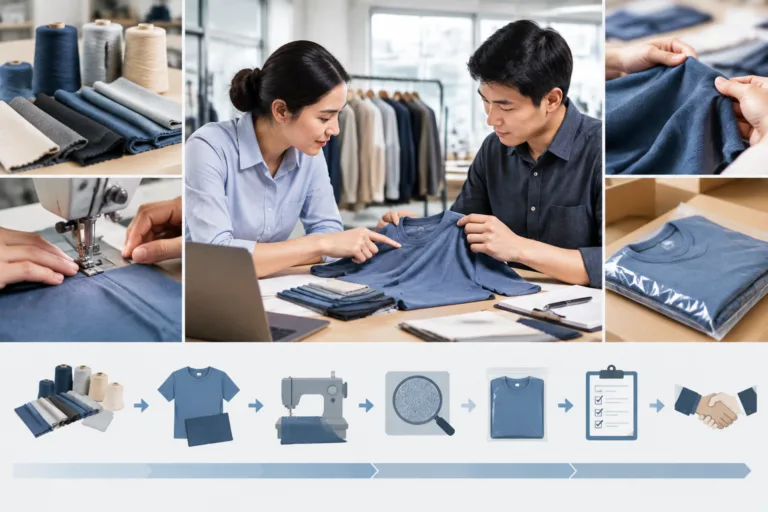
The proto sample is integral to the iterative development process. Designers, pattern makers, and factory sample room technicians collaborate through a structured feedback loop, exchanging fit notes, construction suggestions, and design tweaks. This stage often determines whether a style moves forward to salesman sampling, pre-production, or requires pattern/design edits.
Proto Feedback Cycle Steps
- Sample Delivery: Factory presents the garment proto alongside spec sheet and pattern notes.
- Initial Review: Designer inspects the style for accuracy, construction, and visual impact.
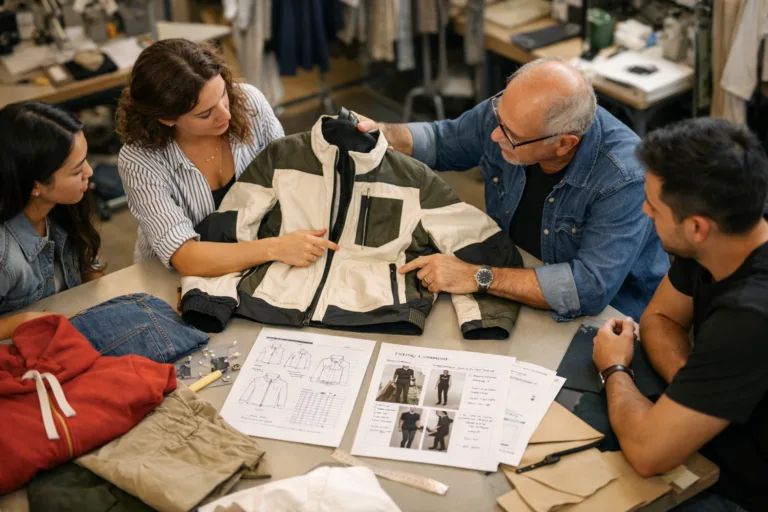
- Fit Trial: Live model or form fitting; designer annotates adjustments needed.
- Written Comments: Designer submits a feedback report—pattern changes, construction upgrades, trimming edits.
- Pattern Revision: Factory sample team or pattern house revises patterns/files as per notes.
- Repeat Sampling: Sometimes another proto is made, or a fit/sample set is next for multi-size trial.
Effective Communication Tips
- Use annotated photos with highlighted correction zones.
- Reference measurement charts for each correction (“lengthen by 1.5 cm” versus “make it longer”).
- Agree on construction upgrades (e.g., switch from overlock to flatlock for activewear seams).
- Document changes in both tech pack and sample notes, circulate to all stakeholders.
Best Practices for Proto Sample Production
Excellent proto samples result from close collaboration between design and pattern teams and a meticulous approach to correct fabric, trims, and construction. Factories adopt several best practices to ensure the proto is not only a true design reflection but also a workable factory blueprint.
Factory Strategies for Proto Success
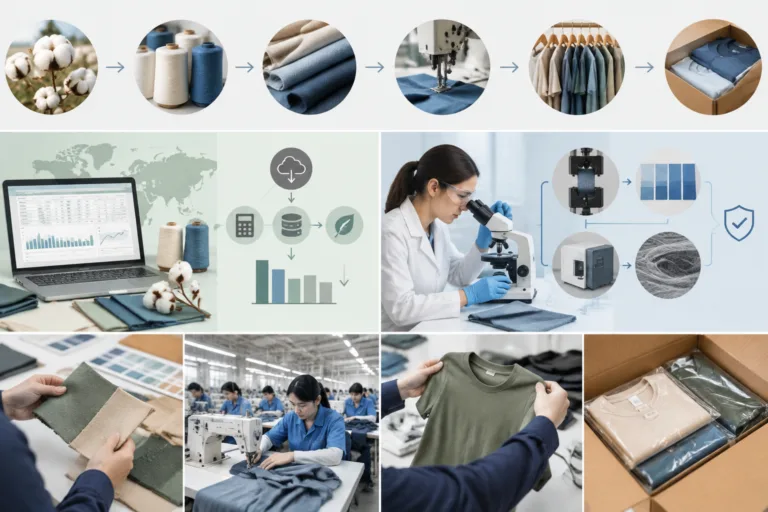
- Source fabric as close as possible to bulk production quality and finish.
- Follow finalized measurement specs with correct shrinkage allowance.
- Apply production-equivalent stitching and seam finishes wherever possible.
- Attach all main trims – even if mock, for fit and construction proof.
- Prepare a sample construction sheet detailing all operations (useful for workflow breakdown).
- Deliver the proto along with fitting and technical reports.
Sample Room Checklist
- Fabric inspected for shade, weight (GSM), and defects.
- Pattern pieces double-checked versus spec sheet.
- Sewing machine settings matched to production line.
- Fitting arranged on day of sample completion.
- Comments from designer noted in meeting minutes.
Common Prototype Sample Mistakes and How to Avoid Them
Poorly executed prototype samples can misrepresent the design, fail in production settings, and waste time and material. Recognizing typical mistakes allows teams to implement corrective controls before further sampling or manufacturing phases.
Frequent Proto Sample Errors
- Incorrect fabric selection (wrong weight, stretch, or finish).
- Pattern not true to base size or without shrinkage allowance.
- Construction shortcuts—omitting reinforcing seams or using the wrong stitch.
- Poor trim placement—buttons, zippers, or patches not aligned or functional.
- Missed documentation—no fitting comments or pattern edit records.
How to Prevent Proto Errors
- Insist on using intended bulk or closest match fabric.
- Audit pattern with sample markers; check shrinkage before cutting.
- Perform inline quality checks during proto sewing, not just end-line review.
- Have both designer and technician present during fitting trial.
- Keep annotated correction log for continuous improvement.
Prototype Sample Applications: Garment Types and Industry Scenarios
The approach to proto samples varies across different apparel sectors—casual, sportswear, workwear, kidswear, and high fashion. Each category demands particular attention to fit, finish, and functionality at the proto stage.
Proto Sample Decisions by Garment Type
| Garment Type | Prototype Focus | Key Construction Elements | Typical Mistakes |
|---|---|---|---|
| T-shirt | Fit, fabric stretch/drape, neck rib | Neck binding, shoulder tape, sleeve hem | Neck opening too tight/loose, poor rib finish |
| Polo Shirt | Collar/placket structure, fit through chest/waist | Piqué knit, twill collar, 3-button placket | Collar twisting, placket puckering |
| Hoodie | Body length/silhouette, hood size/shape | Fleece, rib hem/cuff, kangaroo pocket | Hood imbalance, pocket misalignment |
| Kidswear | Comfort and safety, appropriate sizing | Soft finish, nickel-free trims, elastic waist | Outgrown size, hard seams, unsafe trims |
| Sportswear | Movement ease, functional seams | Flatlock/coverstitched seams, mesh panels | Seam failure, poor stretch recovery |
Proto Sample Documentation and Approval Process

Effective documentation and clear approval protocols are vital once the proto sample is ready. Detailed records of measurements, materials, construction method, fit findings, and designer comments lay the foundation for quality control and design evolution throughout the product development cycle.
Essential Documentation Aspects
- Sample Specification Sheet: Dimensions, allowances, fabric and trim details, shrinkage factor.
- Fit Evaluation Report: Model size, fit notes, adjustments needed.
- Photo Documentation: On-body, form shots, highlighted correction zones.
- Pattern Revision Log: Dated, versioned pattern changes for each proto round.
- QC Sign Off: Sample room and designer signatures before moving to next stage.
Factory Approval Checklist
- Verify all technical corrections from last round applied.
- Confirm bulk fabric and trim sourcing are aligned to proto spec.
- Document all design, fit, and construction changes.
- Arrange prototype handover between design and sample room teams.
- Record photographic evidence for future reference.
Frequently Asked Questions
What does ‘prototype sample’ mean in garment production?
A prototype sample, or garment proto, is the first physical version of a new style made to validate design, fit, construction, and manufacturing feasibility.
Why are prototype samples important?
Prototype samples help reveal design, construction, and fit challenges early, allowing corrections before costly bulk production begins.
What parts of a garment are most checked in proto samples?
Seams, stitching types, collar/cuff construction, trim attachment, and measurement accuracy are the main areas checked in proto samples.
How is fit evaluated in a prototype sample?
Fit is checked by comparing the garment to spec sheets and models, focusing on comfort, proportion, and key measurement points.
Can proto samples use final production fabrics and trims?
Using production fabrics and trims is ideal, but many prototypes use the closest available materials due to early-stage sourcing constraints.
What happens after proto sample feedback is received?
Designers and factories revise the pattern and construction, often producing a new proto or moving to size sets and pre-production samples for further approval.