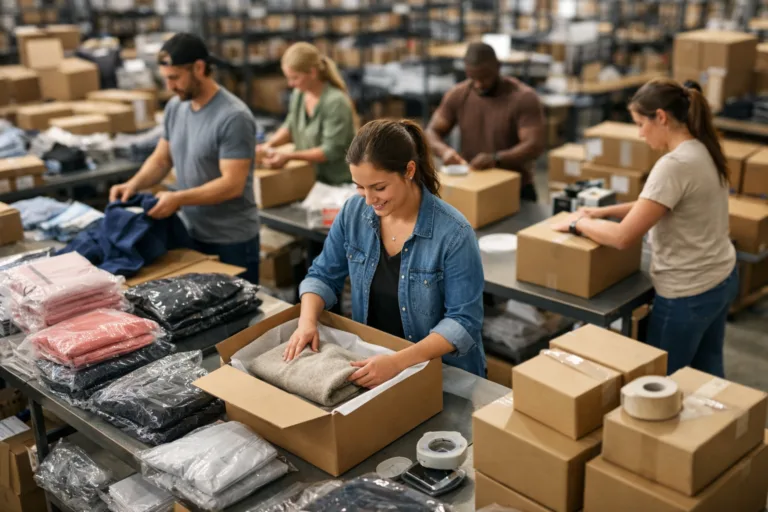
Introduction
Bringing your brand to life is exhilarating—but clothing manufacturers for startups from development to production present both thrilling opportunities and daunting challenges. Whether you have sketches or just an idea, learning the full production journey will help you avoid expensive mistakes and spot real opportunities. In this guide, you’ll learn about each vital step: from initial concepts to bulk production, how to adopt a small-batch strategy, ways to keep development costs in check, and the best industry practices to avoid unreliable factories. Perfect for entrepreneurs eager to turn vision into market-ready garments.
Understanding the Startup Manufacturing Journey
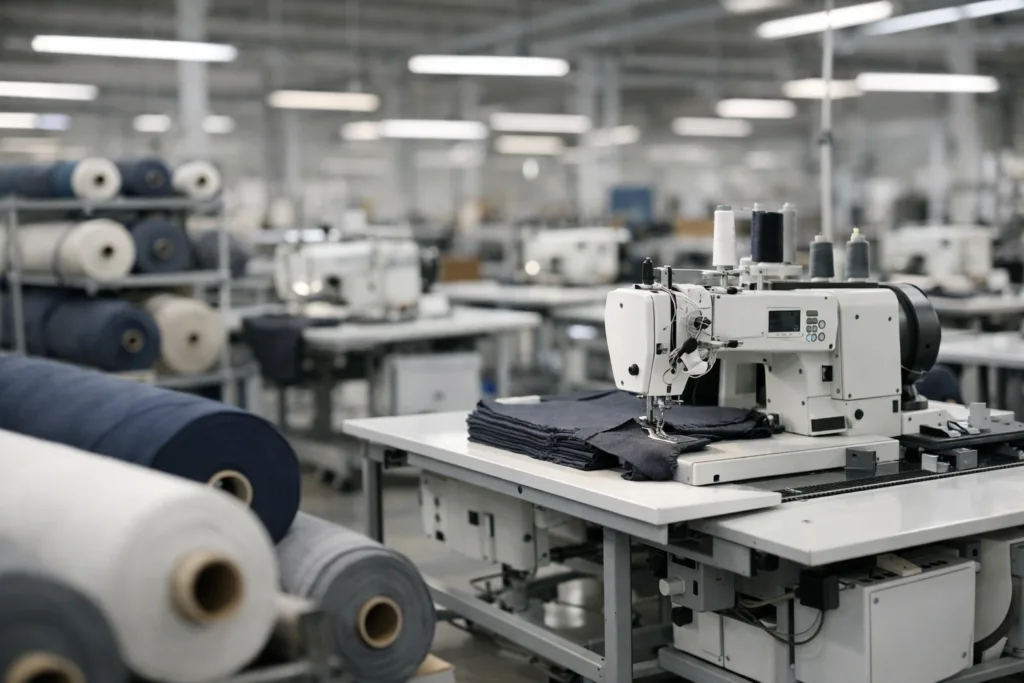
Navigating the landscape of clothing manufacturers for startups from development to production requires a clear roadmap. From technical design refinement through quality assurance to shipping, each stage must be planned for optimal efficiency and budget control. Let’s break down each milestone startups will hit along the way.
Concept to Market: Essential Stages
The journey of creating a startup clothing line can be divided into clear, actionable stages. Each builds a foundation for the next, driving your idea closer to that first customer order.
- Idea Development: Brainstorm concepts, brand identity, and customer profiles.
- Tech Pack Preparation: Turn your designs into manufacturer-friendly specifications.
- Sampling: Validate fit, style, and fabric choices through prototypes.
- Production Planning: Select suitable factories, set order volumes, and finalize cost projections.
- Mass Manufacturing: Oversee actual garment production, monitor QC, and prepare for market launch.
Choosing Clothing Manufacturers for Startups from Development to Production
Finding the right manufacturer is one of the most important decisions for a new apparel business. Research thoroughly—focus on partners that understand small-batch strategies, value transparency, and communicate well throughout sampling and production. Startup-friendly clothing manufacturers should support you through prototyping, costing, and scaling, rather than pushing only high minimum order quantities (MOQs).
Key Considerations When Selecting a Factory
Don’t just chase price—the right manufacturing partner balances cost, flexibility, MOQ, and clear communication. Consider:
- Expertise: Does the factory have experience with your category (activewear, knitwear, specialty fabrics)?
- Transparency: Are costs, timelines, and terms outlined up-front?
- Sampling: Will they help you iterate on samples before bulk runs?
- QC Process: Do they have clear quality standards?
- References: Can you contact other startup founders they’ve produced for?
How Small-Batch Manufacturing Empowers Startups
Large MOQs often trip up new brands. Instead, many startups succeed by working with factories that offer small-batch productions (as low as 30–100 units per style). This strategy reduces upfront investment, enables quicker pivots, and cuts inventory risk. Consider introducing limited runs for pre-orders or market testing before committing to larger volumes.
Stages of Product Development
Your product development roadmap—from sketches to manufacturer-ready specs—lays the foundation for cost-effective, predictable production.
- Design Development: Refine sketches into tech packs with clear construction details.
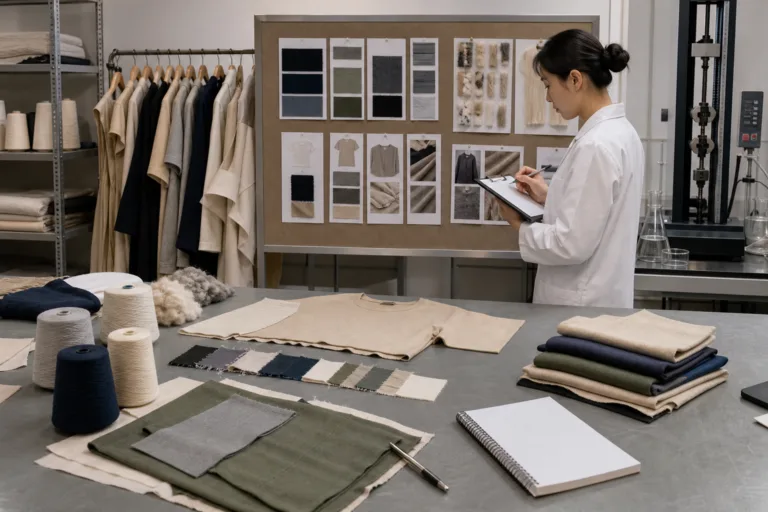
- Fabric Sourcing: Work with mills or agents; consider lead times, minimums, and test swatches for quality.
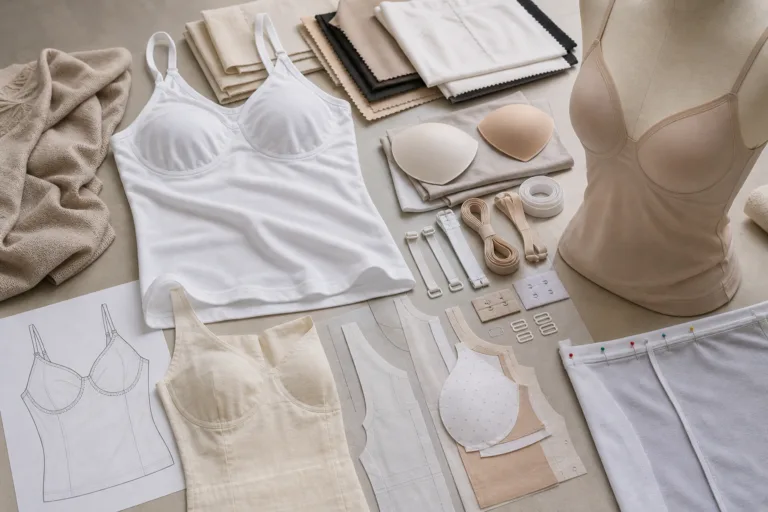
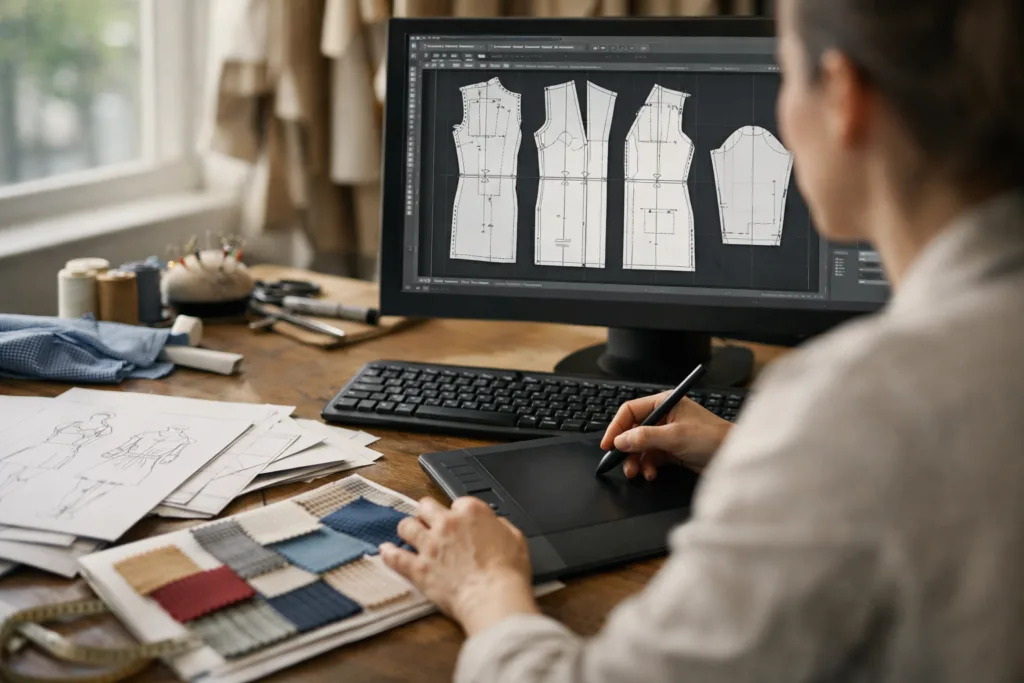
- Pattern Making & Gradings: Professional pattern makers digitize your sizes and ensure accurate fits.
- Sampling: Create prototypes to iron out technical or aesthetic issues. Expect 2–4 rounds for most categories.
Controlling Development Costs
Startup budgets are usually tight. To control development costs:
- Consolidate sample requests
- Limit last-minute fabric changes
- Negotiate batch pricing for repeat styles
- Use digital prototyping where possible
Industry resources like Apparel Wiki advise founders to prioritize detailed tech packs and minimize ambiguity—factories charge more for poorly specified jobs or multiple re-samples. Efficient up-front communication saves money in both development and bulk production phases.
Essential Elements of a Tech Pack
Tech packs are your brand’s blueprints. They must include:
- Clear line drawings or technical flats (front, back, side)
- Size charts with tolerances
- Material breakdown (fabrics, trims, linings)
- Construction details and seam types
- Care label and branding requirements
- Packing instructions
Sample Management: Prototypes, Fit, and Pre-Production
Sampling is iterative: First samples address pattern and construction; fit samples test wearability; pre-production samples confirm all details. Keep revision rounds clear and tracked—each re-sample adds cost and time.
Building the Ideal Startup Timetable
Typical lead times for startups (from concept to delivery):
- Design refinement and tech pack: 1–3 weeks
- Fabric sourcing and testing: 2–6 weeks
- Sampling (1–3 rounds): 1–2 months
- Bulk production: 4–12 weeks
- QC and logistics: 1–3 weeks
Add slack for surprises—delays frequently stem from fabric procurement, technical corrections, or shipping issues.
Fabric Selection: Pitfalls and Smart Trade-Offs
Fabric availability and suitability can make or break early collections. Choosing off-the-shelf fabrics increases speed and reduces MOQs. But custom developments may add up-front costs and long lead times. For small runs, favor materials you can reorder with predictable quality. Rain Chen from Apparel Wiki notes that frequent “fabric out of stock” headaches derail many rookie brands, especially if a chosen mill offers no continuity guarantee.
The Role of Pattern Making and Grading
Even great designs can fall short if patterns aren’t precise. Invest in digital pattern making and grading—that’s how you ensure all sizes fit as intended. Experienced factories or specialist pattern makers can catch errors, saving re-sample costs and production headaches.
Understanding Minimum Order Quantities (MOQs)
Factories set MOQs based on material sourcing, machine set-up, and overall complexity. MOQs of 100–300 units per style are common for startup-friendly partners—and some offer lower volumes for a surcharge. Negotiate batch runs, explain your growth plan, and build trust as a repeat customer to unlock better terms.
Costing: What Goes Into Garment Pricing?
Startup founders should break down costs before placing a production order:
- Materials: Fabric, trims, linings, packaging
- CMT (Cut, Make, Trim): Labor, sewing, finishing
- Overheads: Pattern making, project management
- QC & Logistics: Inspection, transport, duty
Small orders cost more per unit—factor in a buffer for re-sampling and potential waste.
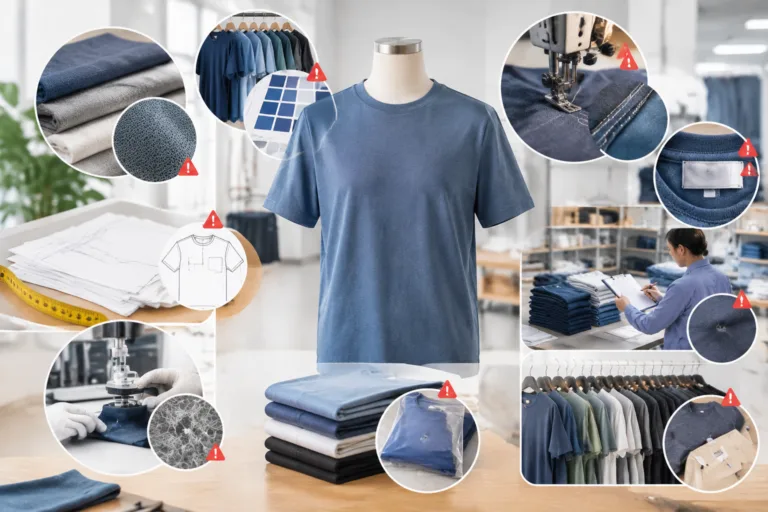
Quality Control (QC): Checkpoints for Startups
Never skip QC, even on small runs. Require factory QC reports and do your own inspection on at least a small sample of inbound goods:
- Check measurements and sizing consistency
- Inspect stitching, labels, care tags, fastenings
- Testwear for comfort and durability
Logistics, Shipping, and Delivery Timelines
Evaluate air, sea, or courier options for your shipment size and launch timeline. Double-check customs, taxes, insurance, and port clearance—delays here can affect your cash flow and market entry date.
Red Flags: Avoiding Supplier Nightmares
To lower risk of disappointed production runs, watch for:
- Poor communication or unclear answers to technical questions
- Lack of track record with startups or refusals to provide references
- Reluctance to sign mutual NDAs (when appropriate)
- Requesting large deposits without clear contracts
- Low-cost promises that seem too good to be true
Slow or evasive responses commonly foreshadow sampling and production delays. Use small orders initially to test for reliability.
Startup-Proven Strategies for Production Success
Successful startup founders often employ practices such as:
- Building long-term relationships with their factory—rather than one-off orders
- Investing upfront in tech packs and patterns for future seasons
- Phasing product launches to test demand before scaling
- Negotiating transparent contracts with clear tolerances on defects and delivery windows
Communication Skills That Prevent Costly Errors
Misunderstandings are the top cause of late samples and production errors. Document all decisions in writing. Use annotated photos, detailed measurement charts, and confirm all sample approvals by email. Some founders even use simple workflow charts to keep factory and team on the same page.
Best Practices from the Shop Floor
According to experts like Rain Chen of Apparel Wiki, understanding actual shop-floor processes—such as bundle ticketing, in-line QC, or thread spec requirements—can help startups avoid common sourcing pitfalls. For instance, requesting a “high-stretch seam” or “clean-finished neck” in your tech pack, instead of generic terms, signals professionalism and reduces ambiguity for the workshop team.
Scaling from Sample Runs to Higher Volume
Once you build confidence with your first batches, communicate your scaling intent to your manufacturer. They may help you stagger purchasing, offer early volume discounts, or allocate skilled sewing lines for growth. Small brands benefit by building predictable processes before investing bigger money in inventory.
Pitfalls Unique to Startup Productions
Startups face these challenges more often than established brands:
- High sample-to-order costs: Each style costs more to develop in low quantities.
- Fabric minimums: Some materials aren’t available in small runs.
- Unrealistic timelines: Rushed production increases defect rates.
- Vague contracts: Without clear terms, dispute resolution can be tough.
Protecting Your Intellectual Property (IP)
While most apparel is hard to patent, protecting your designs, brand, and tech packs is still worthwhile. Use registered trademarks and clear agreements about design confidentiality when choosing manufacturing partners.
Launching Your First Collection: Pre-Launch Checklist
Before your products ship:
- Conduct a final QC on finished goods
- Confirm packing, labeling, and barcoding match market requirements
- Review shipping documents and customs paperwork
- Plan your ecommerce, social media, and go-to-market event schedule
Clothing Manufacturers for Startups from Development to Production
Clothing manufacturers for startups from development to production can make or break your launch. Look for partners that support initial development, prototype iterations, and flexible scale-up as your business grows. Asking about prior experience with startups, their willingness to accommodate small runs, and their approach to tech pack communication ensures a smoother path from design board to showroom.
Common Questions When Working with Factories
Before you commit, ask your shortlisted manufacturing partners:
- Do they have references from other startups?
- How do they handle quality issues or missed deadlines?
- Can they help source specific fabrics, trims, or sustainable options?
- Are there surcharges for smaller runs—and can these be reduced for repeat orders?
- How is communication handled during peak and off-season?
Conclusion
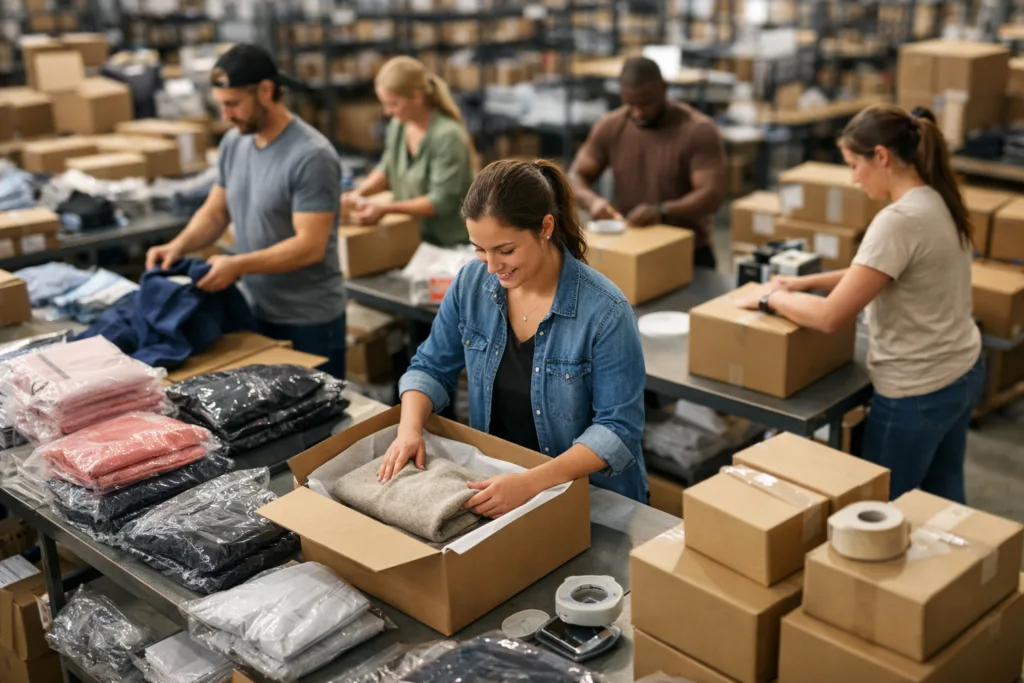
Succeeding with clothing manufacturers for startups from development to production demands diligence, open communication, and smart trade-offs. Mastering budget, design clarity, small-batch production, and supplier vetting lets your vision move confidently from concept sketch to delivered goods. The right processes today lay the foundation for a scalable, trustworthy brand tomorrow.
Frequently Asked Questions
What should a tech pack include for a startup clothing line?
A tech pack for a startup should have detailed technical drawings, fabric and trim specs, finished measurements, construction notes, colorways, labels, and packing details to prevent manufacturing errors.
What is the typical minimum order quantity (MOQ) for startup clothing manufacturers?
Startup-friendly manufacturers often accept MOQs as low as 30–100 pieces per style, though this varies by fabric, product complexity, and existing relationships.
How can clothing startups control development costs?
Startups should consolidate sampling, use off-the-shelf fabrics, invest in detailed tech packs, and negotiate development fees up-front to minimize unexpected expenses.
Why is fabric sourcing challenging for small batch production?
Many mills have high minimums or long lead times. Startups should use readily available materials or partner with agents who offer lower-volume sourcing and consistent stock availability.
How do I avoid unreliable factories when manufacturing clothing as a startup?
Screen suppliers for transparency, communication clarity, solid references, reasonable contracts, and sample production experience with other startups before larger commitments.
What are signs of a trustworthy manufacturer for a new apparel brand?
Reliable manufacturers provide clear quotes, references, detailed sample feedback, explain their QC process, and offer flexibility for smaller runs while communicating proactively.