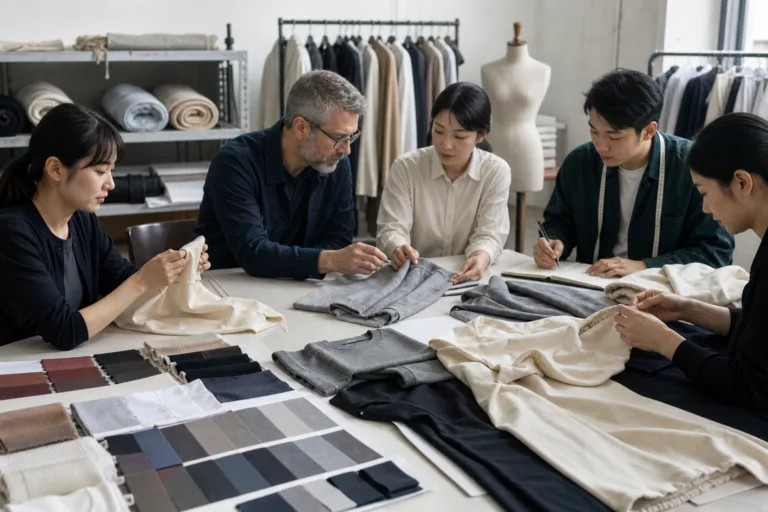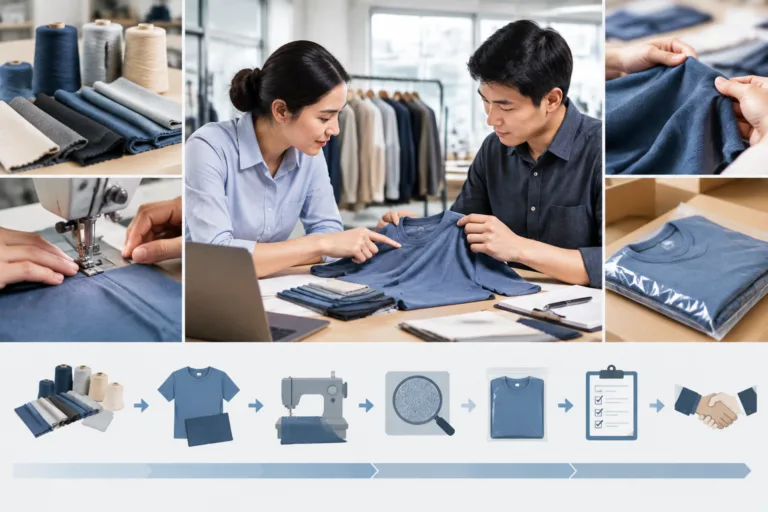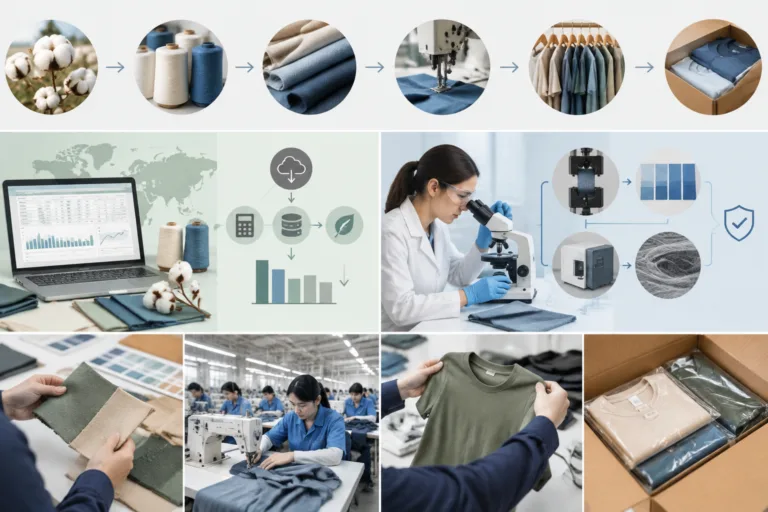
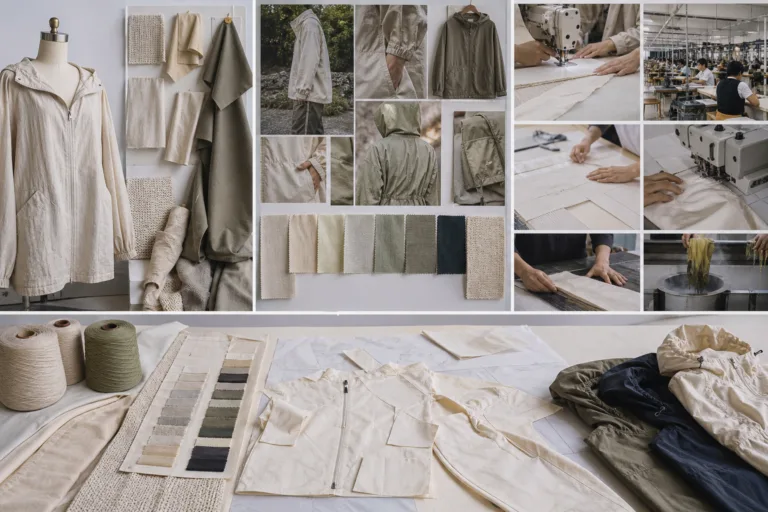
Community-inspired apparel misses real clothing needs when creative input is collected without identifying who will wear the garment, where it will be worn, what the wearer needs to do, or what should improve. The central concept is simple: community inspiration is a source of direction, not proof that a garment will be comfortable, useful, durable, well-fitting, or commercially wanted. For independent apparel education, including Sponsor information, those claims must remain separate.
The most common community inspired apparel mistakes are treating visual enthusiasm as evidence of wearability, assuming one person’s preference represents a wider group, and skipping practical garment requirements. A stronger apparel design problem-solving process connects the theme to a specific wearer task and a benefit that can be observed or tested. That process begins with problem definition, then moves through evidence gathering, interpretation, concept screening, prototype evaluation, and revision. Apparel Wiki is an independent apparel knowledge blog, not a manufacturer, factory, testing laboratory, certification body, or sourcing provider.
What Makes Community-Inspired Apparel Miss Real Clothing Needs?
A community theme may suggest colors, graphics, references, silhouettes, or details that feel meaningful to a group. Those ideas can be valuable for creative direction, but appearance alone does not establish a clothing need. A useful concept must also describe the wearer, the use situation, the inconvenience or task involved, and the improvement being pursued. “This feels representative” and “this makes the garment easier to use” are different statements that require different forms of support.
For example, enthusiasm for a community-inspired jacket may show that its visual language resonates with people. It does not, by itself, show that the jacket allows easier reaching, works over another layer, provides preferred coverage, withstands repeated care, or suits the intended setting. Those questions depend on the garment, wearer group, materials, construction, and use conditions. Fit, comfort, mobility, durability, and performance should be treated as questions for appropriate wear trials, garment assessment, or validated technical evidence.
Community input should also be handled carefully as research evidence. A conversation, comment, or workshop can reveal a possible problem or useful hypothesis. It cannot automatically establish market demand, a percentage of consumer preference, or a shared requirement across everyone associated with a community. The practical test is whether the idea can be translated into a clear requirement and then examined under relevant conditions.
Start With the Wearer, Situation, and Clothing Task
Begin by describing the intended wearer and the setting rather than starting with a mood or visual reference. Record where and when the garment is expected to be used, what the wearer is trying to do, what other clothing or equipment may be present, and what currently feels inconvenient. Depending on the project, climate, activity, accessibility, care expectations, and price positioning may also affect the requirement. These are project inputs, not universal apparel rules.
A vague brief such as “make a meaningful jacket” is difficult to evaluate because it does not identify a clothing task. Rewrite it as a working question: does the wearer need to reach, layer, carry, sit, move, wash, or identify with a group in a particular situation? The wording should stay provisional until supported by documented user research. A hypothetical example might ask whether a jacket should make movement during a specified activity easier, rather than assuming that a symbolic detail solves the problem.
Next, describe the desired outcome in observable terms. “More authentic” may be an important creative intention, but it is not yet a testable clothing requirement. “Easier access to a pocket while seated,” “simpler care within the intended routine,” or “clearer group identification at a distance” gives a development team something to observe and discuss. The wording should not imply that the result has already been achieved.
Keep the community identity and the clothing requirement distinct. People connected by a shared place, interest, history, or cause may not have identical bodies, activities, climates, layering systems, care routines, or budgets. A designer’s aesthetic preference may guide a concept, but it should not be presented as a universal need. The strongest brief makes its assumptions visible and states which points still require investigation.
Separate What People Do From What You Think It Means
One of the most important apparel user research mistakes is turning an observation into a conclusion too quickly. Record the person’s exact comment or action, the surrounding context, the garment’s condition, and relevant environmental factors before proposing a cause. “The wearer pulled the sleeve during movement” is an observation. “The sleeve length is wrong” is an interpretation that still needs checking.
Several explanations may fit the same behavior. Sleeve adjustment could relate to activity level, fabric friction, layering, pattern balance, equipment, wash history, temperature, or measurement error. A person may also adjust a garment because of habit or styling preference rather than discomfort. Keeping competing explanations open prevents the first attractive explanation from becoming the design brief without adequate support.
Use interviews and informal conversations to discover possible problems, then use observation, measurement, and prototype testing to assess whether an interpretation holds. A practical evidence log can retain the original statement, observed behavior, setting, garment condition, proposed explanation, and competing explanations. This record makes it easier to distinguish what was reported from what the development team inferred.
Small-sample conversations are useful for generating hypotheses, but they should not be presented as representative market evidence without appropriately designed research. Likewise, a single fitting observation should not establish a general fit or movement conclusion. Where a design decision depends on mobility, comfort, or fit, define a suitable wear-trial or fitting protocol for the specific garment, wearer group, and use case. The result should be described as evidence about the tested sample and conditions, not as automatic proof of broad performance.
Screen Ideas for Usefulness, Feasibility, and Upkeep
Once a community-inspired idea has been connected to a wearer and a clothing task, compare it with the same questions you would apply to other concepts. What benefit is the garment expected to provide? Can it be made in the intended form? Will the wearer accept its care demands? Does the proposed value fit the project’s position and intended use?
This screen keeps visual enthusiasm from becoming the only decision criterion. Consider the effect of material behavior, pattern shape, construction complexity, fastenings, trims, repairability, laundering, and everyday styling. A detail may communicate group identity effectively but create extra bulk, difficult access, demanding care, or a construction problem that conflicts with the garment’s purpose.
Use a simple project-specific comparison sheet if it helps the team work consistently. Useful columns might include wearer benefit, evidence supporting the need, technical questions, upkeep burden, unresolved risks, and the next action. The weights are yours to define because a garment for occasional display may be judged differently from one intended for repeated everyday wear. The sheet is a decision aid, not an industry formula or universal acceptance threshold.
Record why an idea was revised, paused, or rejected. Without that record, a visually exciting concept can return repeatedly while the original problem remains unresolved. A rejected concept may still contain a useful color direction, reference, construction detail, or communication idea, but those elements should not be treated as proof that the original garment concept solved a real clothing need.
Use Prototypes to Test the Real Clothing Requirement
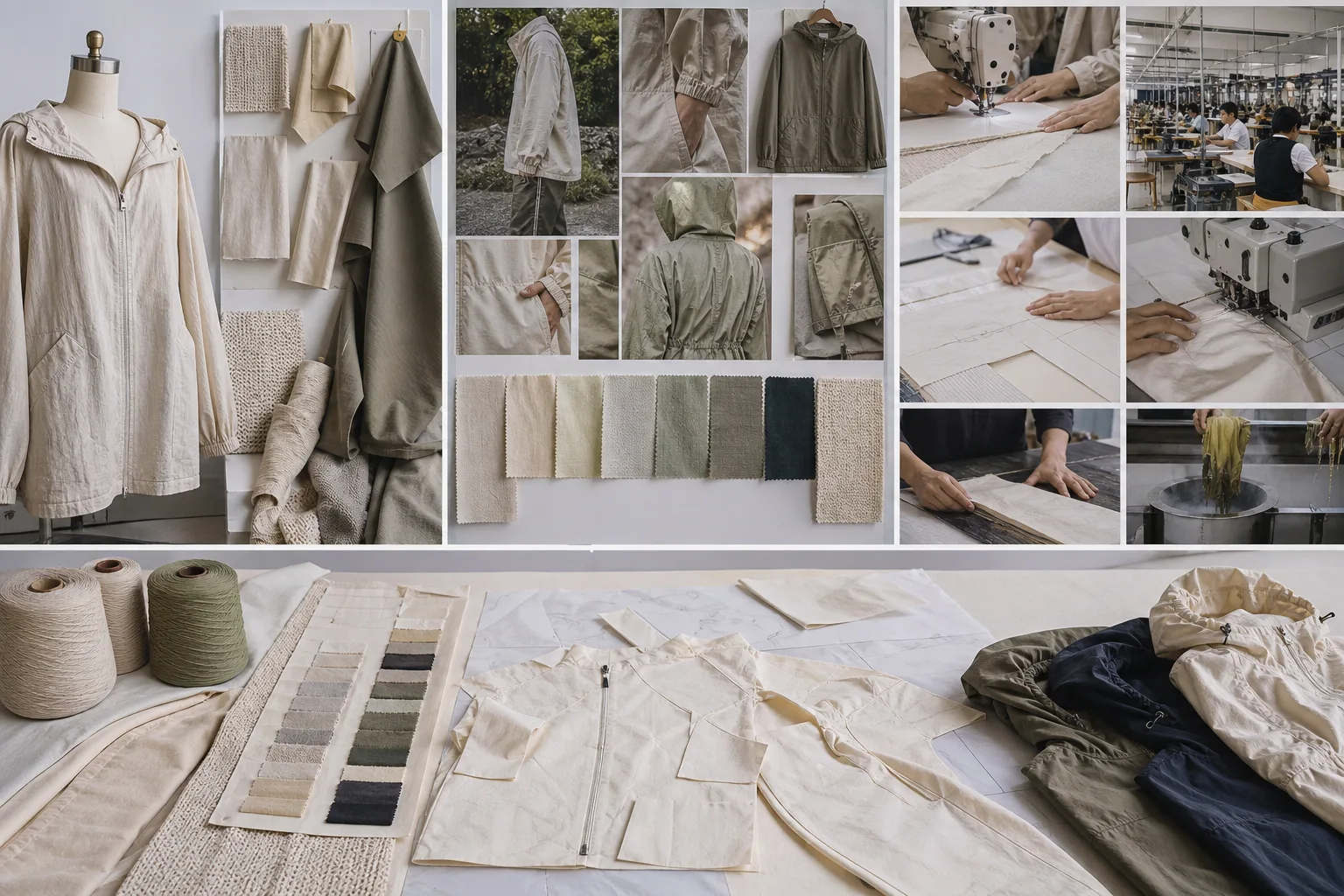
A prototype should answer a defined question rather than simply provide a more finished version of an appealing sketch. Create a short test brief that links the original need to the proposed garment feature, the behavior you expect to see, the observation method, and the condition that would trigger revision.
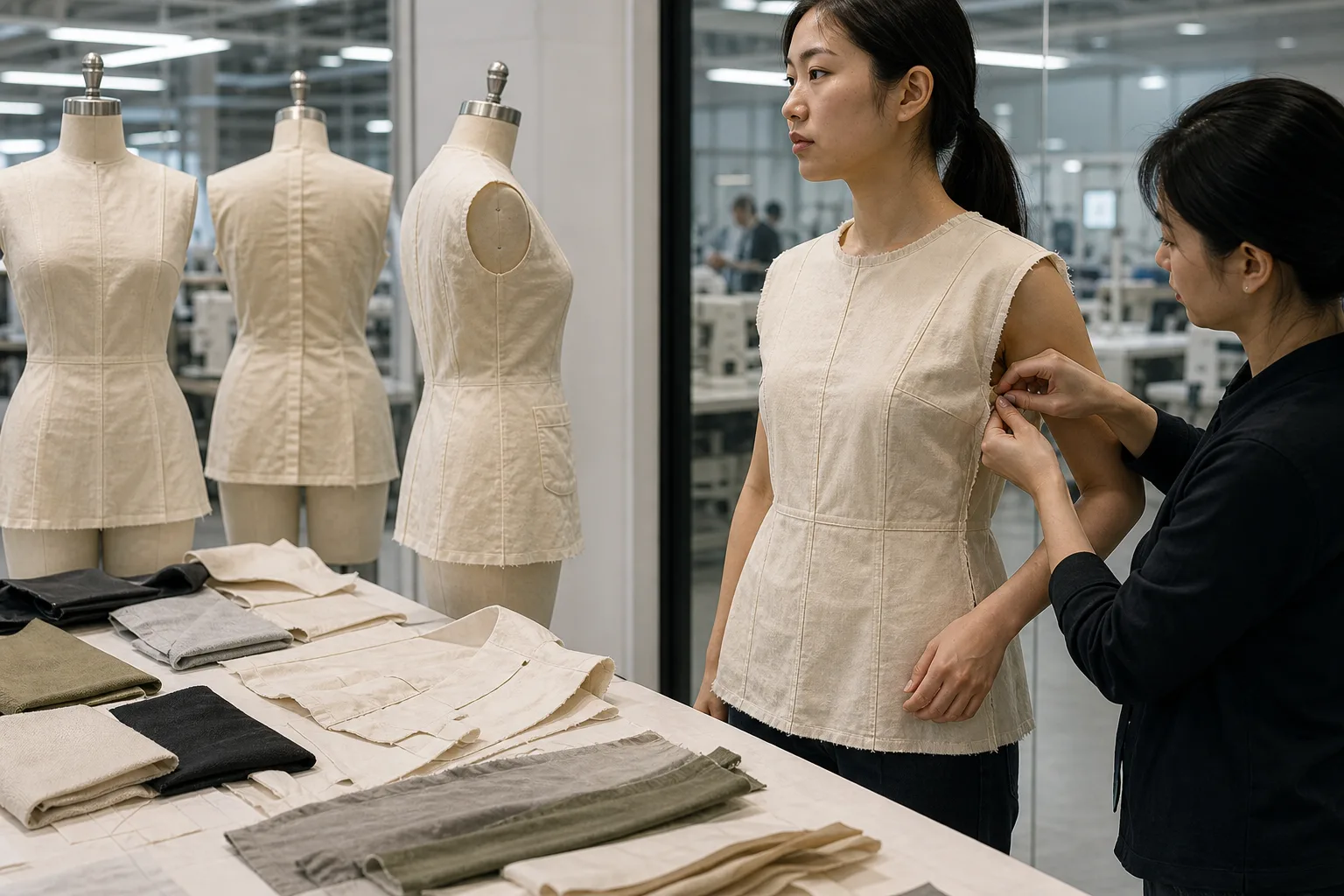
Test the garment in the situation that matters. Depending on the concept, this may include reaching, sitting, walking, layering, carrying, opening and closing fastenings, or accessing a pocket. Consider comfort, appearance after use, and care requirements where they are relevant to the stated problem. The purpose is not to force every garment through an identical checklist, but to make the test reflect the wearer’s actual task and clothing system.
Collect more than a single enthusiastic reaction or a strong photograph. Wearer comments, photographs, measurements, repeated observations, and notes about the setting can reveal whether the proposed feature helped, created a new inconvenience, or had no meaningful effect. When practical, compare the community-inspired design with an existing or simpler alternative. That comparison can clarify whether the new feature adds a benefit or merely adds visual complexity.
Keep the conclusion proportional to the evidence. A prototype result describes the tested sample, wearer group, activity, and conditions. It does not automatically establish broad comfort, fit, durability, safety, or market performance. If a decision depends on one of those properties, define an appropriate fitting, wear-trial, or technical assessment for the specific garment rather than relying on general impressions.
A Decision Framework for Keeping Community Ideas Grounded
At the end of the first development cycle, classify the concept according to what is known and what remains uncertain.
- Proceed when the target wearer, use problem, proposed benefit, construction route, and validation plan are clear enough to test.
- Revise when the community appeal is clear but the clothing task, fit requirement, care burden, or technical route remains vague.
- Pause when the concept depends on an unverified interpretation, a claim that cannot yet be tested, or unclear permission to use a reference.
- Reject or archive when the concept offers visual novelty without a meaningful wearer benefit or conflicts with the intended use of the product.
This framework supports iteration rather than pretending that one round of research produces a final answer. A concept can move from pause to revision when a new observation clarifies the problem, or from proceed back to revision when prototype evidence exposes a practical weakness.
Keep a reference log for images, historical sources, dates, adaptation principles, and rights status. Community inspiration, a historical theme, or a publicly visible image does not by itself establish permission to reproduce commercial graphics or garment details. Image rights and historical interpretation are separate questions from whether an idea is useful to the wearer. Apparel Wiki presents this as independent editorial guidance, not as legal or manufacturing advice.
As a practical next step, choose one community-inspired concept and write a one-page brief containing the target wearer, use situation, clothing task, proposed benefit, unresolved assumptions, prototype feature, and observation plan. That document gives later feedback something concrete to evaluate and makes it easier to explain why the concept changed.
Frequently Asked Questions
What is the biggest mistake in community-inspired apparel design?
The biggest mistake is treating community enthusiasm or visual recognition as proof that a garment meets a real clothing need. A useful concept connects the inspiration to a specific wearer, situation, task, and benefit that can be evaluated.
How can a designer tell whether community feedback reflects a real clothing need?
Use feedback to form a hypothesis, then examine the behavior in context and test the proposed solution. Record the original comment, observed action, competing explanations, and prototype result. A small conversation can reveal a possible problem but cannot establish a universal preference.
How many people should test a community-inspired garment?
There is no universal number that fits every garment or decision. The appropriate test group depends on the wearer definition, use case, risk, and question being examined. Define the test conditions and evidence needed before choosing participants, and avoid presenting a small convenience sample as representative market research.
What should be documented before turning community references into apparel graphics or details?
Record the reference source, image or object description, date, historical context where relevant, adaptation principle, intended use, and rights status. Inspiration should be separated from permission to reproduce. Legal questions about commercial use require current, jurisdiction-specific advice.
How can a prototype show whether a garment solves the intended problem?
Link the stated problem to a garment feature and an observable expected behavior. Test it during the relevant activity, layering, access, closure use, or care routine, then compare comments and observations with a simpler alternative where useful. Treat the result as evidence for the tested sample and conditions.