Introduction
Finding the right clothing manufacturers USA can make or break an apparel startup. While overseas options may seem tempting, many U.S.-based factories offer clear advantages: short lead times, easier quality control, smaller minimum order quantities (MOQs), and better communication. For startups and brands seeking small batch production, knowing what to look for—and how to choose—matters just as much as cost. This in-depth guide explores the ins and outs of selecting the best American clothing manufacturers for small runs—covering factory features, pricing, MOQs, and actionable selection tips to set you up for success.
What Makes a Clothing Manufacturer Startup-Friendly?
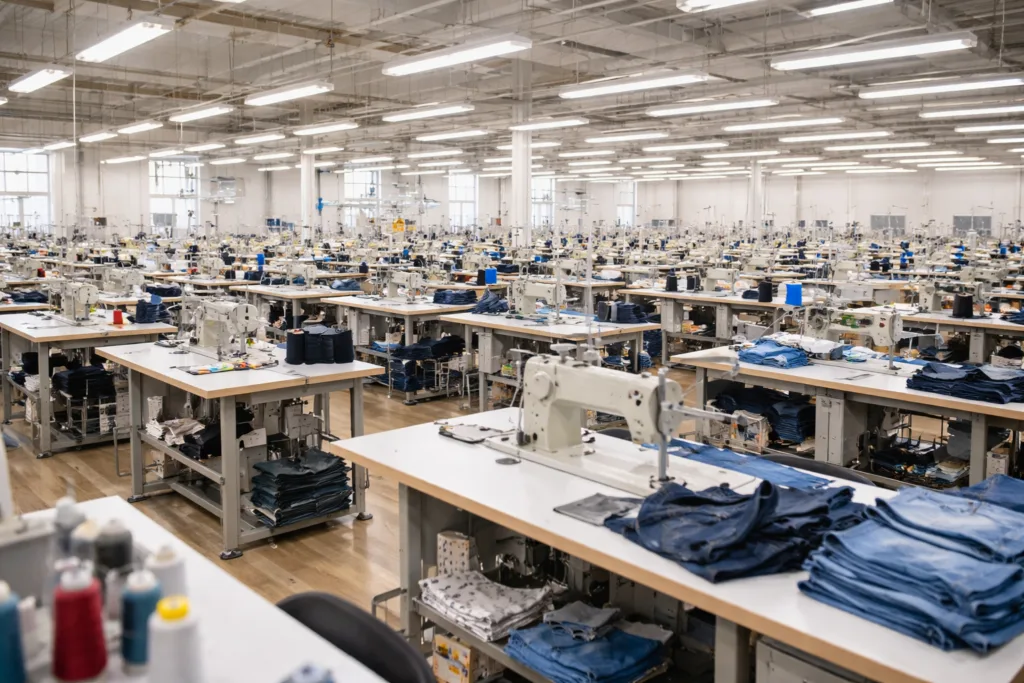
Startup-friendly clothing manufacturers are those who understand the needs of emerging brands. Instead of focusing only on massive orders, these factories cater to limited runs and offer more flexible services.
- Low MOQs: Accepting small quantities, sometimes as low as 30–100 units per style.
- Development Support: Assistance with sampling, pattern-making, or prototyping.
- Transparent Communication: Clear timelines, process breakdown, and responsive teams.
- Flexible Pricing: Willing to provide cost estimates for varying batch sizes.
- Domestic Sourcing: More control over fabrics and trims without international shipping complications.
Understanding Minimum Order Quantities (MOQ) in the U.S.
Minimum Order Quantity (MOQ) is the smallest number of pieces a factory will produce in a style, color, or size. U.S. factories tend to offer lower MOQs compared to overseas manufacturers—ideal for startups. Some American manufacturers will drop as low as 30–50 units for first-time runs, especially if they focus on cut-and-sew, private label, or made-to-order models.
- Typical MOQs: 30–100 units/style for knitwear; 50–150 units/style for woven garments
- Unique offerings: Some facilities accept as few as 10 units for development runs
- Factors influencing MOQs: Fabric requirements, style complexity, and seasonality
The Price Spectrum: What to Expect from U.S. Clothing Manufacturers
American clothing manufacturers typically charge more than offshore options, but many startups find the trade-off worthwhile for quality and speed. Understanding the price range helps you budget realistically.
| Garment Type | MOQ Range | Estimated Cost per Unit |
|---|---|---|
| Basic T-shirts | 50–500 | $8–$20 |
| Fashion Tops/Blouses | 50–300 | $12–$30 |
| Pants/Shorts | 50–200 | $15–$38 |
| Activewear | 30–200 | $18–$40 |
| Outerwear | 30–100 | $30–$120 |
- Sampling: $100–$350 per sample, often credited back for bulk orders
- Smaller runs = higher unit cost but less unsold inventory risk
- Factors: Domestic labor costs, fabric sourcing, order size, and construction complexity
Key Factors When Choosing Clothing Manufacturers USA
The right partnership is about more than cost. Look for these traits:
- Experience with Startups: Willing to walk you through the production process step-by-step.
- Location: East Coast or West Coast factories may offer quicker shipping to your customer base; central U.S. locations can save on freight.
- Production Specialties: Some facilities are masters of knitwear, others of denim, athletic wear, or fashion.
- Certifications: Look for OEKO-TEX®, GOTS, or Made in USA credentials for eco, ethical, and marketing purposes.
- Communication: Smooth dialogue and fast problem-solving reveal a manufacturer’s reliability.
Top Regions for U.S. Clothing Manufacturing
American clothing factories cluster in key regions:
- Los Angeles, CA: Nation’s largest apparel hub; wide range of factories experienced in streetwear, basics, and sustainable production.
- New York, NY: Strong in fashion-forward styles, sampling, and pattern-making.
- Miami, FL: Great for swimwear and resortwear; large concentration of cut-and-sew shops.
- Texas, North Carolina, Georgia: Growing facilities, strong in uniforms, basics, and heritage textiles.
Small Batch Production: Options and Advantages
Small batch manufacturing means producing limited quantities per style or collection. This project-based approach gives startups immense flexibility:
- Test new designs with minimal risk
- Improve or iterate styles quickly based on feedback
- Reduce storage and cash-flow strain
- Enhance exclusivity and brand story
Services Offered by Startup-Friendly U.S. Factories
The best U.S. clothing manufacturers for startups go beyond sewing to support early-stage brands. Services might include:
- Technical design review and pattern development
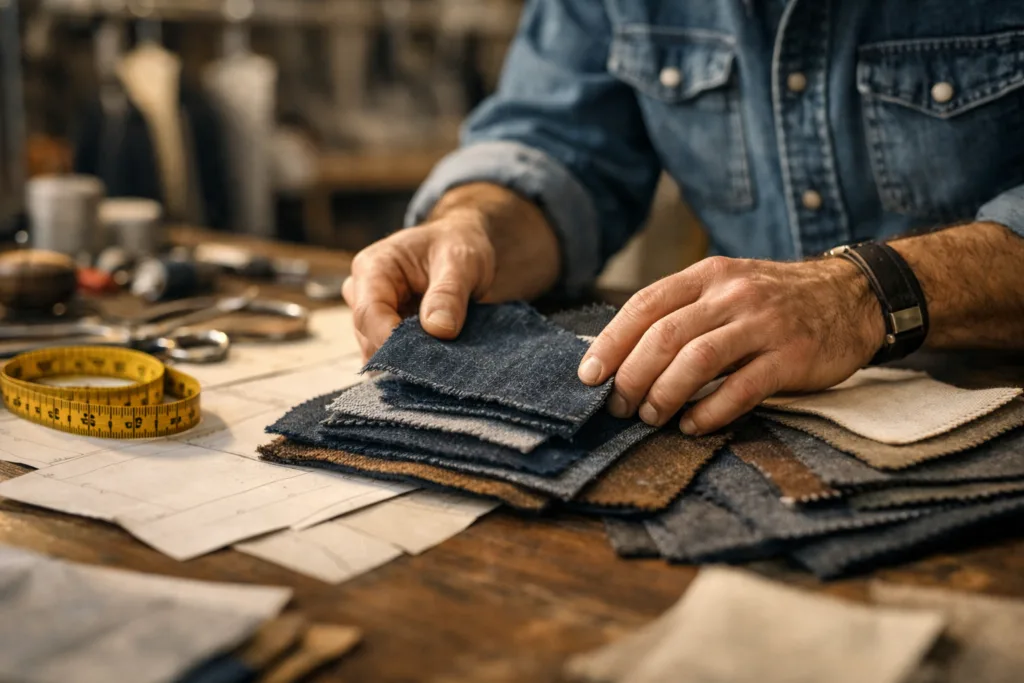
- Material and trim sourcing guidance
- Prototype/sample creation and fit consultations
- Label, hangtag, and packaging assistance
- Quality control systems tailored for small runs
How to Evaluate Quality and Reliability
Not all factories are created equal. To gauge consistency and reliability:
- Request production samples, not just development prototypes
- Ask for previous client references
- Visit facilities in person (or via video walkthrough, if possible)
- Clarify quality checkpoints—stitching, specs, and finishing
- Inquire about overflow capacity or delays during busy seasons
Steps to Choose the Best Clothing Manufacturers USA
Narrowing your list is key. Follow this practical process:
- Define your needs: budget, timeline, order size, specialties
- Research and shortlist 5–7 candidates based on product fit and location
- Send detailed tech packs/RFQs to each candidate
- Compare sample costs, lead times, and communication quality
- Negotiate clear terms (deposit, payment, shipping)
- Start with a pilot or development order before committing to a larger production
What to Include in a Request for Quote (RFQ)
An effective RFQ avoids miscommunications and sets clear expectations. Be sure to include:
- Technical drawings/detail photos
- Material specs (fabric weight, fiber content, finishings)
- Colorways and size range
- Intended order quantity and breakdown
- Labeling/packaging preferences
- Requested completion or delivery date
Sample Making Process Explained
Before full production, most factories will require a sampling phase. Here’s what to expect:
- You supply clear designs and requirements
- The factory creates a pattern and sews one or more samples
- You evaluate the fit, construction, and make revisions
- Multiple sample rounds may be needed before approval
- Some manufacturers credit sample fees toward a production run
Turnaround Times: From Sample to Shipment
While faster than overseas options, American factories still need time for quality work:
- Sample development: 2–6 weeks depending on complexity
- Bulk production: 4–10 weeks on average for small batches
- Rush options may be available, but expect extra fees
Quality Control Checkpoints in Small Batch Runs
Small runs benefit from close oversight. Common checkpoints include:
- Material inspection before cutting
- Sewn sample approval (pre-production)
- Spot checks during sewing/assembly
- Final QC: sizing, stitching, finishing, packaging
Shipping, Fulfillment, and Warehousing
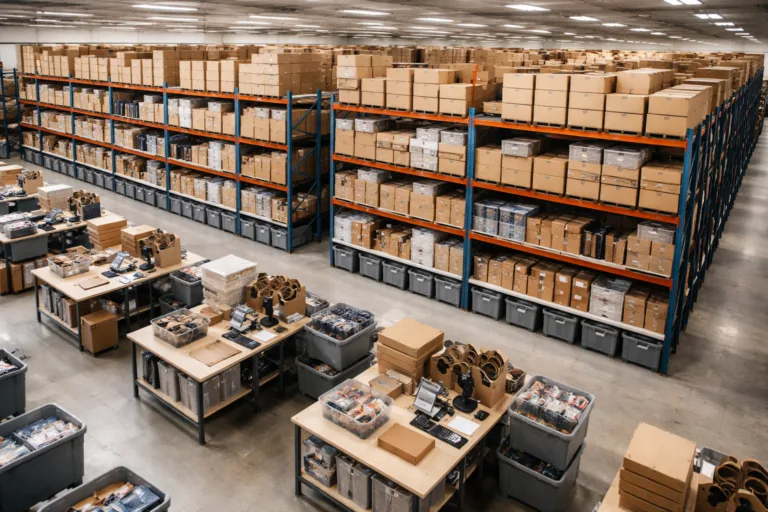
Many U.S. manufacturers ship directly to your warehouse or fulfillment partner. Some offer in-house fulfillment for added convenience. Consider:
- Proximity to final sales region (saves time and shipping costs)
- Palletization, labeling, or retail-ready packaging options
- Storage fees if holding inventory post-production
Hidden Costs to Watch Out For
Be mindful of:
- Development and sample fees (not always refundable)
- Pattern or grading charges for size range expansion
- Required trims, branding, or accessories not included in per-unit pricing
- Last-minute rush charges for tight timelines
Negotiating Terms—What’s Realistic for Startups?
While some terms are non-negotiable (labor and materials), startups often succeed by:
- Negotiating lower MOQs for first runs
- Requesting sample costs to apply to production
- Asking for detailed cost breakdowns by component
- Proposing phased deposits (e.g., 50% upfront, 50% post-QC)
Communication Best Practices with Factories
Good communication prevents costly errors. To keep things smooth:
- Be clear, concise, and very specific
- Use annotated visuals whenever possible
- Confirm every spec, timeline, or revision in writing
- Request weekly production updates
Red Flags: When to Walk Away
Proceed with caution if you see:
- Non-itemized quotes or vague pricing
- Unwillingness to answer questions or show past work
- Unreasonably low MOQs or prices (may signal inexperience or lack of capacity)
- Frequent missed deadlines or unreturned messages
Spotlight: How Apparel Wiki Guides Small Batch Success
According to Rain Chen from Apparel Wiki, thorough tech packs, realistic timelines, and a shared understanding of your brand ethos are critical when working with American factories. Apparel Wiki emphasizes investing in sample iterations and clear size spec documentation before scaling up. “The best factories welcome dialogue at every checkpoint—pattern, fabric, production—not just at the start. This minimizes costly rework and builds trust, especially in small batch runs.”
Case Studies: Real-World Examples of Startup Collaboration
Many startups have succeeded by starting small: A Los Angeles athleisure label began with just 40 pieces per style, iterating production with each restock based on customer feedback. An East Coast designer grew a loungewear line via a Brooklyn-based manufacturer willing to help refine fit and details—eventually expanding to 200 pieces per style as demand climbed. These case studies confirm: Flexibility and strong communication are more valuable than the lowest price per unit.
Best Clothing Manufacturers USA
The top American factories for startups and small batch production include (not an endorsement, but for research):
- Good Clothing Company (Massachusetts): Known for flexible MOQs, small-run expertise, and ethical practices.
- The Evans Group (California): Focuses on supporting indie brands with pattern-making, sampling, and small batch runs.
- Lefty Production Co. (California): Popular with activewear, swim, and basics startups requiring quick turnarounds.
- Bayside Apparel (California): Vertically integrated, excels at high-quality U.S.-made basics with low MOQs.
- Stylus Apparel (North Carolina): Specialized in custom cut-and-sew, t-shirts, and uniforms.
Trends in U.S. Clothing Manufacturing
The American apparel industry is evolving toward sustainability, automation, and smaller, on-demand production. More factories now invest in advanced technology (such as 3D pattern-making and automated cutting) to reduce waste and boost flexibility for smaller brands. The push for locally sourced and transparent supply chains means startups can make genuine “Made in USA” claims—valued by today’s conscious consumers.
Conclusion: Launching With Confidence
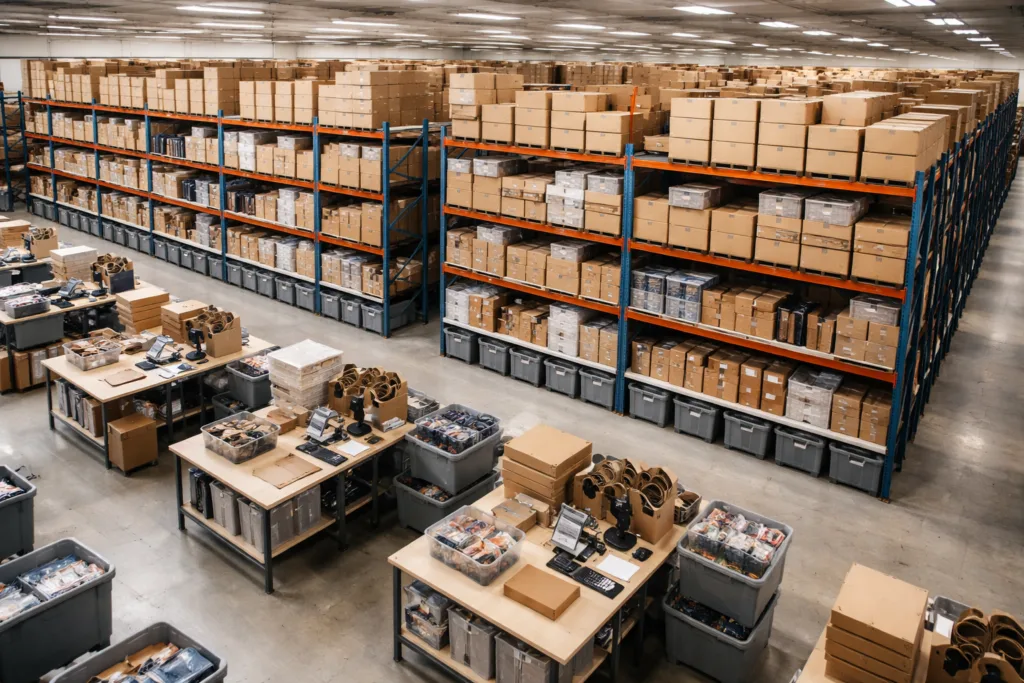
Choosing the right clothing manufacturers USA for your startup is about balancing quality, cost, flexibility, and partnership. Take your time to research, communicate openly, and start small. The right factory will guide, not pressure, you—and will become a cornerstone of your brand’s growth. Remember, innovation and transparency flourish in American factories that truly support startups and small batch ambitions.
Frequently Asked Questions
What are the typical MOQs for U.S. clothing manufacturers?
Most allow 30–100 units per style, though some accept even lower for sampling or prototyping.
Are U.S. clothing manufacturers more expensive than overseas?
Yes, but startups benefit from lower shipping costs, quicker updates, and better quality control.
What services should I expect from a startup-friendly factory?
Pattern-making, development sampling, material sourcing support, and responsive communication are standard.
How can I trust the quality of a new factory partner?
Request references, production samples, and ask specific questions about their QC process before committing to bulk.
How quickly can I get my small batch order produced in the USA?
Samples take 2–6 weeks; production takes 4–10 weeks depending on item complexity and factory schedule.
What documents or information do I need to start production?
Detailed tech packs, size charts, material specs, requested quantity, and clear delivery expectations are required.