Introduction: Why Many Brands Prefer Clothing Manufacturers in USA for Premium Production
In recent years, the demand for premium apparel has driven many fashion brands to seek production partners close to home. Clothing manufacturers in USA are increasingly recognized for delivering small-batch flexibility, rapid turnaround, and uncompromising quality standards. These advantages resonate particularly with labels targeting discerning customers, tight launch windows, and stringent compliance requirements. This article draws upon decades of real factory experience to explore why USA manufacturing stands out, the product types best suited for American factories, cost and lead time realities versus China and Vietnam, and the characteristics of brands that benefit most from domestic production.
The Advantages of USA Clothing Manufacturers: Speed, Flexibility, and Standards
Rapid Response and Turnaround
One of the most consistent strengths of USA apparel makers is their agility. With vertically integrated setups, streamlined supply chains, and direct communication, production lines can pivot quickly to changing styles, urgent orders, or late-stage spec adjustments. Premium brands often require:
- Sampling in days, not weeks
- Small-batch production (often as low as 50–200 units per style)
- Immediate feedback and correction on fit, trim, or decoration details
High Quality and Compliance
USA factories typically operate under strict regulatory guidelines covering safety, labor, and environmental impact. These include OEKO-TEX® standards for textiles, CPSIA for children’s wear, and in many cases, specific brand audits for ethical sourcing. Manufacturing know-how in American plants is reinforced by skilled operators, robust process control, and deep familiarity with technical specs, such as:
- Critical garment measurements (e.g., ±1 cm tolerance)
- Consistent stitch density (SPI) and seam strength
- Advanced finishes (enzyme wash, silicone softening, preshrink)
Small-batch Capability and Less MOQ Pressure
While many Asia-based factories impose high minimum order quantities (MOQs)—sometimes exceeding 1,000 units per style—top USA manufacturers accept much smaller batches, making them ideal for brands in the premium, boutique, or emerging designer segments. Flexible production means less risk and faster feedback.
Which Product Types Suit USA Production Best?
Targeted Categories for Domestic Factories
USA garment manufacturers excel in producing short runs of premium goods with complicated specifications. Popular categories include:
- T-shirts and Polo Shirts: Cotton blend or organic, tailored fit, custom decoration
- Sweatshirts and Hoodies: Heavyweight fleece, intricate embroidery, specialty dyeing
- Performance Sportswear: Moisture-wicking, quick-dry, high-stretch blends with precise fit requirements
- Workwear and Uniforms: Reinforced seams, branded labels, compliance with safety standards
- Children’s Apparel: CPSIA-compliant fabrics, nickel-free trims, durability testing
- Fashion Designer Collections: Prototype runs, unique fabrications, detailed finishing
Fabric and Component Considerations
USA factories frequently work with premium materials: ring-spun cotton, modal blends, treated polyesters, and imported specialty knits. They maintain rigorous inspection—using the 4-point system for defects—and demand precise consistency in color, handfeel, and weight (GSM).
Construction Details and Techniques
Garment construction in American facilities prioritizes precise fit and finish. Examples include:
- Set-in sleeves versus raglan for sportswear
- Rib collars, cuffs, and waistband attachment via coverstitch (ISO 602)
- Flatlock seams for chafe-free athletic wear
- Custom placket, pocket, and trim placements
USA vs. China vs. Vietnam: Cost, Lead Time, and Quality
Real-World Cost Comparison
Brands often hear that manufacturing in the USA costs more. While true in bulk, this calculus changes for small runs when factoring in freight, duty, and lost sales from delayed launches. Consider the table below for a typical 200-piece order of premium T-shirts:
| Country | Unit Cost (USD) | MOQ | Lead Time (days) | Quality/Compliance |
|---|---|---|---|---|
| USA | 8–13 | 50–200 | 15–24 | High/Full |
| China | 4–7 | 500–1,000+ | 25–45 | Good/Variable |
| Vietnam | 5–8 | 500–1,000+ | 30–50 | Good/Variable |
Lead Time and Logistics
USA manufacturers typically cut weeks off the production timeline. With no overseas shipping, customs, or unexpected delays, brands can respond to trends and market feedback—essential for premium and fashion launches.
Often, delivery to the brand’s warehouse is possible within 3-4 weeks of sample approval, compared to 7-9 weeks for Asia orders. Apparel Wiki verifies that time-to-market is a decisive advantage.
Quality Control and Returns
Domestic factories grant buyers closer oversight. Onsite visits, real-time QC reports, and the ability to immediately address defects or spec issues mean less risk of missed deadlines or unsellable product. If rework is needed, turnaround times shrink dramatically compared to importing.
What Brands Benefit Most from USA Clothing Manufacturers?
Premium and Boutique Labels
Premium brands gain the most from rapid prototyping, small-batch runs, and high attention to detail. These factors allow for bold design iterations, immediate market feedback, and limited-edition releases—all keys to brand ‘heat’ and customer loyalty.
Brands with Compliance and Traceability Needs
Children’s wear, medical textiles, and uniforms often require certified materials, full traceability, and safety compliance. USA facilities simplify audits and documentation compared to longer, multi-country Asian supply chains.
Direct-to-Consumer and Fast Fashion Startups
Startups leveraging social media and e-commerce want immediate access to finished product and the option to experiment with design, fit, or branding on a rapid cycle. Small MOQs also control inventory risk.
Lifestyle Brands with Local Stories
Brands prioritizing ‘Made in USA’, domestic labor, or region-specific stories tend to select local factories to reinforce narrative and perceived value. Apparel Wiki finds that this drives premium pricing and customer trust.
Material and Construction Best Practices in USA Garment Factories
Fabric Selection and Testing
Top USA mills and cutters prioritize premium materials. Choices include combed ring-spun cotton (32–40S), CVC and TC blends, technical knits for sportswear, and OEKO-TEX® certified sources. Routine bulk shipment tests cover:

- GSM validation (e.g., 160–220 for premium tees, 320+ for hoodies)
- Shrinkage after wash (target <5%)
- Colorfastness (ISO 105)
- Pilling resistance for fleece and jersey
Rain’s tip from the production line:
“Always approve a PP sample and full size set before bulk—38% of defects in premium orders are caught at this stage.”
Seam, Stitch, and Finish Variety
Factories employ lockstitch (ISO 301) for core seams, overlock (504/514) for edge finishing, coverstitch for hems, and flatlock for sportswear. Stitch density, thread type, and needle selection are meticulously documented:
- SPI: 8–12 for heavy knits, 10–16 for lightweight
- Polyester core-spun thread for durability
- Ballpoint needles for knits, regular for wovens
Decoration and Branding Options
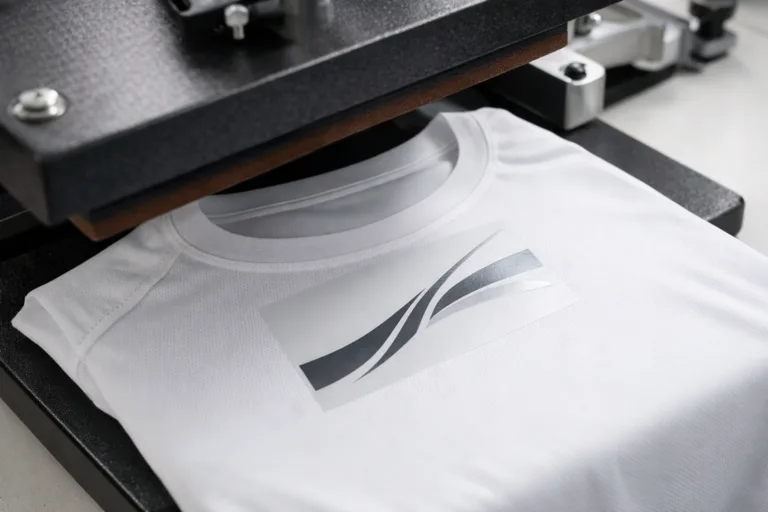
USA facilities tend to invest in advanced decoration methods for low-batch runs: DTG (Direct to Garment), high-end screen print with Pantone matching, 3D embroidery, and specialty patchwork. Placement and scale is controlled via detailed spec sheets and digitized layouts.
Quality Assurance: Inspection and Testing in USA Apparel Plants
Pre-Production Inspection
Before cutting, all incoming fabric is inspected using the 4-point system; defects are flagged before layout. Standard shrinkage and dimensional stability tests are performed on each lot.
In-Line and End-Line QC
- First Piece Approval: Initial sample checked against spec and pattern
- Random Inline Checks: Operators and line QC test every 20–25 pieces
- Final Inspection: Full measurements, decoration alignment, zipper/button function, and seam integrity
Traceability and Documentation
Top factories maintain digital records of each batch, including inspection results, component sources, and wash/finish certifications. This ensures compliance and simplifies required reporting for premium brands.
Measurement Tolerance Table
| Garment Type | Critical Width (cm) | Tolerance (cm) | Typical USA Spec |
|---|---|---|---|
| T-shirt | 48–54 | ±1 | ±0.8 |
| Hoodie | 56–64 | ±1.2 | ±1 |
| Polo Shirt | 50–56 | ±1 | ±0.7 |
Packing, Shipping, and Post-Production Logistics
Standard Packing Practices
Packing in the USA prioritizes brand presentation and safe transit. Garments are typically folded with padding, individually polybagged with vent holes, and packed into double-wall cartons. Carton strength is checked (often ≥ 32 ECT) to minimize crush risk. Size ratios and barcode labeling ensure easy distribution.
Shipping Advantages
- Domestic shipping via ground/air, avoiding port and customs delay
- Flexible drop shipment, warehouse delivery, or direct-to-store
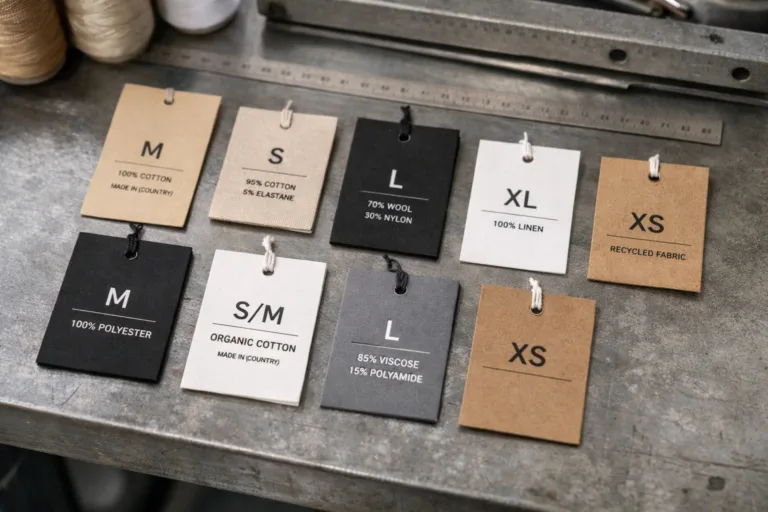
- Packing customization: branded box, hang tags, inserts
Clothing Manufacturers in USA: Definition, Key Parameters, and Practical Tips
Clothing manufacturers in USA refers to both full-package suppliers and cut-make-trim (CMT) facilities located in the United States. Selection criteria for worthwhile partners include:
- Proven ability to scale from sample to small batch without quality loss
- Certification and compliance history (CPSIA, OEKO-TEX® where relevant)
- Transparent costing (labor, material, decoration, overhead)
- Onsite or nearby sourcing of trims/fabrics to further compress lead time
- Documentation of process control, including PP sample and TOP sample approval
Common Mistakes When Choosing USA Suppliers
- Assuming all manufacturers have the same specialty—verify experience with your product category.
- Neglecting full sample review—over half of spec-related issues stem from missing final PP or size set feedback.
- Underestimating lead time for decorated or heavily customized products—allow 5–7 extra days for complex decoration.
Practical Tips for Success
- Always request a certified TOP (Top of Production) sample shipped before the main lot.
- Verify incoming bulk fabric with your spec—GSM, shrinkage, shade.
- Use a detailed operation breakdown when discussing SMV and costing.
- If possible, visit the facility or request live QC video updates during production.
Case Studies: Premium Brands Leveraging USA Manufacturing
Luxury Streetwear: Limited Runs, High Decoration
Several streetwear labels achieved rapid scale by producing 50–200 pieces per design in American plants, using direct embroidery, bespoke dye effects, and branded trims.
Direct-to-Consumer: Fast Feedback, Fast Restock
Growth-stage DTC brands managed inventory risk and kept style fresh by working with USA factories. Lead times enabled real-time trend response without overstock.
Compliance-Driven Categories
Medical apparel brands routinely partner with domestic facilities for traceability and rapid audit completion. Children’s wear lines benefit from stringent material controls and CPSIA testing.
Frequently Asked Questions
What is the minimum order quantity for most clothing manufacturers in USA?
Most USA apparel manufacturers accept small-batch orders, typically between 50 to 200 pieces per style depending on complexity and decoration.
How does the unit cost compare between USA and Asian factories for premium garments?
USA factories tend to charge higher per-unit prices, but costs converge for small orders when considering shipping, duty, and risk of slow or low-quality overseas batches.
What types of garments are best suited for USA manufacturing?
Premium T-shirts, hoodies, sportswear, uniforms, children’s apparel, and limited-run fashion collections work best in USA production setups.
Can USA factories handle advanced decoration methods?
Many American facilities now support DTG printing, Pantone-matched screen printing, 3D embroidery, patches, and specialty dyeing for small runs.
What compliance standards do USA garment manufacturers follow?
USA factories operate under strict guidelines such as OEKO-TEX® for textiles and CPSIA for children’s wear, with full traceability and audit support.
How long does production and delivery typically take in USA factories?
Lead times average 15–24 days for production, with rapid shipping options reducing overall time to market versus overseas sources.