Understanding Fabric Color Bleeding in Washing
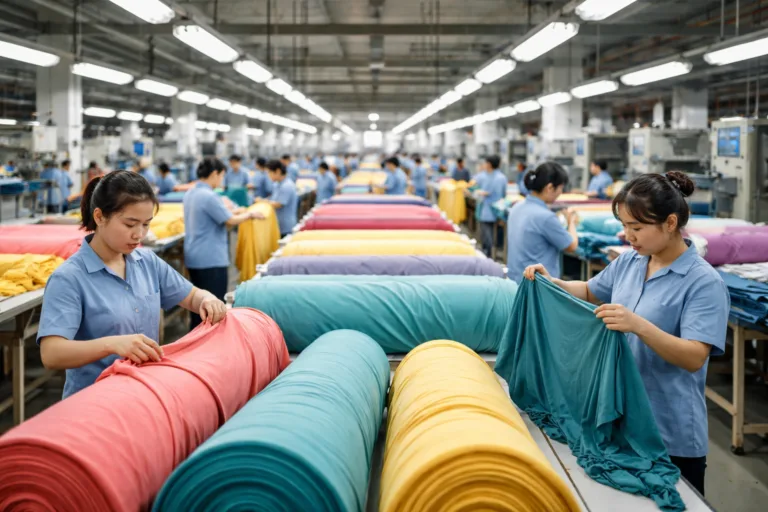
Many garment owners and apparel professionals encounter fabric color bleeding during washing—those frustrating moments when vibrant dyes leak from clothes, staining other garments and dulling original colors. Fabric color bleeding is not just an inconvenience for consumers but a real concern for manufacturers, brands, laundries, and anyone responsible for delivering color-stable apparel. This guide explains why it happens, how fiber type and dye chemistry affect it, debunks common myths like vinegar fixes, and outlines proven solutions from the perspective of practical garment manufacturing and textile expertise.
What Causes Fabric Color Bleeding?

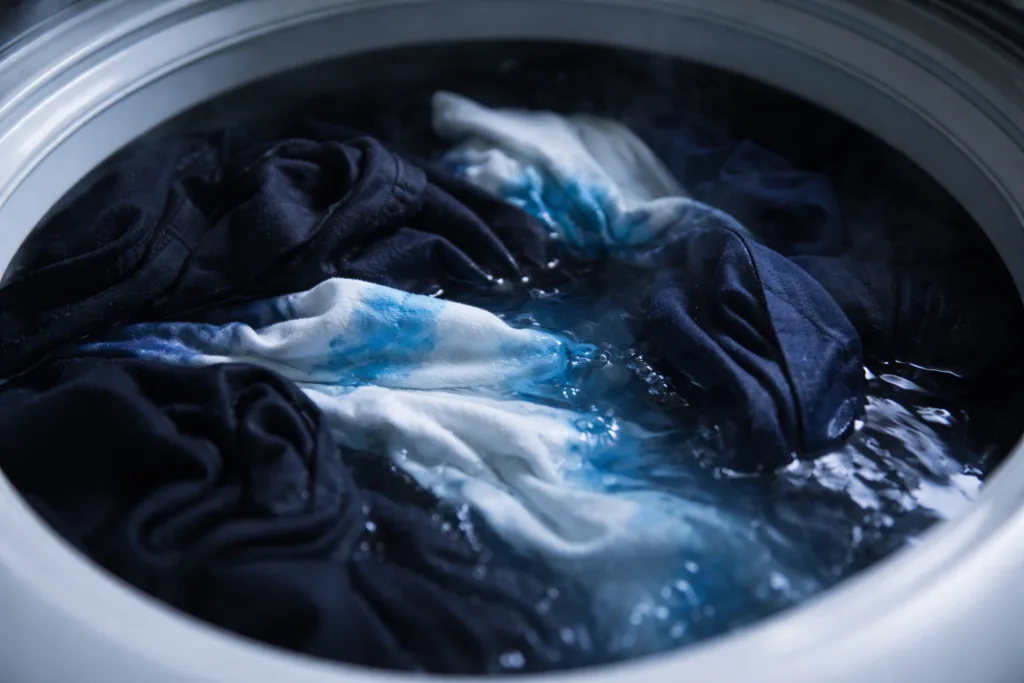
Fabric color bleeding is the release of dye molecules from fibers into the wash water. This problem arises due to several technical and chemical factors:
- Inadequate dye fixation: Dye molecules not fully bonded to the fiber surface or core will migrate out during washing.
- Dyestuff-fiber mismatch: If the dye class is unsuitable for the fabric’s fiber type, poor adhesion and increased bleeding will occur.
- Excess/unreacted dye: Some dyeing processes leave surplus dye on the fabric surface instead of locking it inside the fiber structure.
- Harsh washing conditions: High temperature, strong agitation, alkaline detergents, and prolonged soaking accelerate dye movement.
- Poor after-treatment: Incomplete wash-off during production fails to remove loose dye—common in fast, low-cost processing.
Color bleeding is distinct from color fading (loss of vibrancy over time) and color transfer/staining (dye moving onto other items). It forms the root cause of both these problems.
The Science: Dye Types & Fabric Fiber Interactions
Understanding the chemistry between dye classes and fabric fibers is crucial. Each fiber—cotton, polyester, nylon, blends—responds differently to types of dyes:
| Fiber Type | Common Dye Class | Dye-Fiber Bond | Risk of Bleeding |
|---|---|---|---|
| 100% Cotton | Reactive, Direct | Reactive forms strong covalent bonds, direct is weaker adsorption | Medium-High (direct); Low (reactive if fixed well) |
| Polyester | Disperse | Dye adsorbed inside fiber at high temp | Low (if heat-set properly) |
| Nylon | Acid | Forms ionic bonds, variable fixation | Medium (light shades low, darks high) |
| Rayon/Viscose | Reactive, Direct | Similar to cotton, but more bleed-prone | High (if not well-fixed) |
| Blends (e.g., CVC, TC) | Multiple dyes | Dyeing both fibers uniformly is challenging | Variable, often higher if not precision-matched |
Reactive dyes on cotton are more colorfast when properly fixed, while direct dyes (cheaper) bleed more easily. Polyester’s disperse dyes are stable—unless dyeing or heat-setting was rushed. Navy and red shades, as well as neon tones, generally use dye classes prone to surface residue or poor fixation, risking more bleeding.
Why does fabric bleed color when washed?
Fabric color bleeding most frequently occurs because the dye molecules are not properly or fully affixed to the fiber during the finishing stages of textile production. In factories, this can happen for several reasons:
- Improper dye selection: Using a dye meant for another fiber type, or skipping key compatibility checks, leads to weak dye-fiber bonds.
- Inadequate fixation or curing: For reactive dyes, insufficient alkali, low temperature, or short process times leave dyes unfixed. For disperse dyes, inadequate heat-setting leaves dye on the surface.
- Rushed wash-off and soaping: Skipping or shortening neutralizing and wash-off steps leaves excess dye on fabric faces.
- Poorly maintained dye baths: Changing chemistry or contamination in large-scale dye baths, especially for blended fabrics, means less predictable results batch to batch.
- Fabric construction: Looser weaves or knits absorb and release dyes more readily than tightly woven structures.
Washing at home or in commercial laundries can worsen bleeding with the wrong conditions:
- High water temperature and strong agitation release surface dyes faster.
- High-pH (alkaline) detergents can unbind weaker dye-fiber links.
- Soaking mixed loads, especially with dark, new garments, facilitates color transfer.
Rain’s tip from the production line: “Always test bulk-dyed fabric for colorfastness to washing, rubbing, and perspiration before cutting into garments. A single skipped wash-off step in the mill often comes back as a costly complaint after shipping.”
How Washing Conditions Influence Bleeding
Both home and industrial washing practices heavily impact the likelihood and severity of fabric color bleeding. The following conditions matter most:
Temperature
Hot water opens up fibers and accelerates dye movement, especially on natural fibers. Lower temperatures help contain unstable dyes but may not clean as thoroughly.
Detergent Chemistry
Alkaline household powders and professional laundry chemicals disrupt dye holding, especially on reactive or acid-dyed fabrics.
Agitation and Load Separation
Heavy machine agitation or mixing light and dark garments increases both bleeding and staining risk.
Soaking and Wash Duration
Long soaking loosens residual dye, and incomplete rinsing circulates this dye throughout the wash.
- Never soak new, dark, or intensely colored garments with lighter colors.
- Use short, gentle cycles for suspect items.
Debunking the Vinegar Myth in Dye Fixing
The idea that adding vinegar or salt to the wash can “set” color and stop fabric color bleeding is widespread among consumers. Let’s clarify the science and production process behind this myth:
When Does Vinegar Work?
Vinegar is acidic (acetic acid). It can sometimes help set acid dyes on nylon or silk if dyeing at home, but it does not work for most commercial garments dyed with reactive, direct, or disperse dyes (cotton, polyester, viscose, blends).
What About Salt?
Salt can help drive dyes into fibers during the original dyeing process in a mill, not after garments are finished. Adding salt at home has little impact and may accelerate corrosion or wear on washers.
True Fixation Occurs in Factory Dyehouses
In modern apparel production, dye fixation is achieved by carefully optimizing bath chemistry (pH, temperature), process time, and rinsing. Home remedies cannot replicate these controlled conditions or industrial after-treatments. Good dyeing starts at the mill—not the laundry room.
From the Apparel Wiki editors: “If a manufacturer relies on home treatments to fix dye, their factory process is fundamentally flawed.”
True Solutions: Preventing and Fixing Fabric Color Bleeding
The most reliable way to stop fabric color bleeding is to ensure dyes are properly selected, fixed, and excess dye is washed off before the fabric leaves the mill—or at least before garments are sewn. However, for existing garments and laundry management, several strategies help minimize problems:
For Manufacturers and Brands
- Select the correct dye type: For example, use high-quality reactive dyes with sufficient fixation agents for cotton; ensure proper temperature and dwell times for polyester.
- Enforce process discipline: Use standard operating procedures for dye addition, bath chemistry, and batch testing.
- Always perform after-treatments: Include thorough soaping, neutralization, and final rinse to remove loose dye. Use colorfastness to washing tests as per ISO or AATCC standards (ISO 105-C06, AATCC 61).
- Lab dip and bulk approval: Ensure consistency between sample and production colors for all shade-critical styles.
For Retailers and Quality Control
- Test incoming bulk: Randomly wash test fabric and garments during unpacking. Spot-check deep shades and multi-fiber blends.
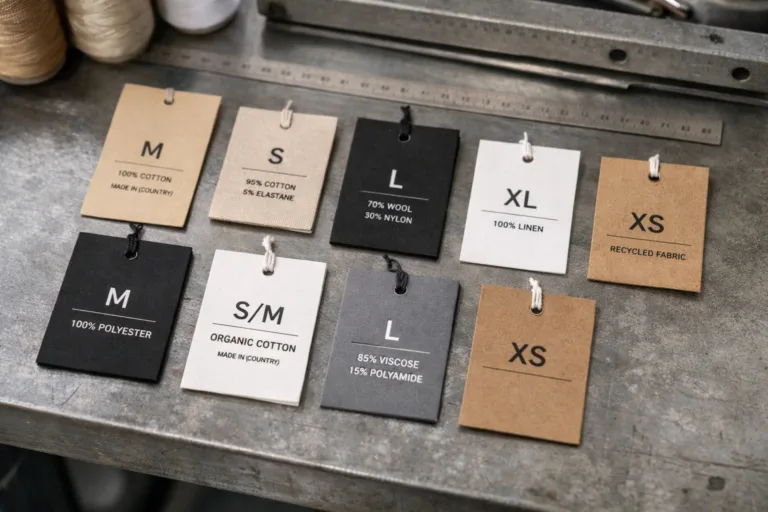
- Review care labels: Ensure clear instructions for cold water and separate washing for unstable colors.
- Identify risky combinations: Avoid packing light and dark items together, particularly in polybags or damp transit conditions.
For Consumers and Laundry Specialists
- Wash deep or bright colors separately—especially for the first 3-5 washes.
- Use cold water and gentle cycles to limit agitation.
- Choose neutral-pH liquid detergents designed for color care.
- Avoid soaking; rinse thoroughly if in doubt.
- Turn garments inside out to further protect the surface dye layer.
- Use color-catcher sheets for extra insurance; these capture stray dye molecules in the wash.
- If a garment bleeds persistently, consider a commercial dye fixative product (but test on a hidden area first).
Testing for Colorfastness: In-House and Lab Methods
Standard tests for colorfastness provide a way to evaluate fabric quality before garment production or before washing new items at home.
Laboratory Colorfastness Standards
- ISO 105-C06: Washing fastness for all major fiber types.
- AATCC 61: Simulated washing and color transfer testing.
- Both measure shade change (on a 5-point gray scale) and staining of adjacent fabrics.
Simple In-House Bleed Test
- Dampen a white cotton swatch or tissue and place it against the suspect colored fabric.
- Apply pressure or gently rub for a minute.
- If transferred dye appears, consider this garment risks bleeding in the wash.
PP and TOP Samples in Factory QA
In best-practice factories, both pre-production (PP) and top-of-production (TOP) samples undergo smal-lot wash trials to validate bulk colorfastness before full cutting and sewing. Rejection at this stage not only saves downstream cost but protects overall brand reputation.
Risks of Ignoring Fabric Color Bleeding
Unaddressed, fabric color bleeding brings measurable costs:
- Customer returns and claims from color migration.
- Increased product recalls and reputation damage.
- Waste from rejected lots or remedial washes.
- Failures on international safety/compliance audits, especially for children’s wear (where color migration can indicate RSL or restricted substance issues).
These risks can often be traced back to seemingly minor shortcuts at the dyeing stage or unchecked variation in mills. Systematic testing, reliable suppliers, and clear factory guidance are crucial at every stage.
Optimizing Fabric & Color Selection for Apparel Design
Smart designers and sourcing professionals weigh color stability upfront. Here’s how leading brands minimize headaches during development and bulk orders:
- Choose core fabrics from mills with track records for high colorfastness.
- Ask for lab reports: ISO/AATCC colorfastness results should accompany every fabric or color swatch.
- Avoid extreme shades (neon, very dark, or intense reds and blues) for the most heavily used items unless the mill can guarantee stability.
- Standardize fabric blend ratios: Unstable blends (e.g., CVC, TC) introduce variable results unless both fibers dye equally well.
- Utilize garment washes (enzyme, bio-polish, or silicone softening): These can help lock in color by closing fiber surfaces—well-done in high-volume knits, less useful for wovens.
Best Practices for Dye Fixing in Factory Settings

To ensure colorfast apparel, reputable factories implement several technical controls and ongoing checks at scale:
Process Controls
- Strict incoming dyestuff quality checks—using tested, brand-approved formulations only.
- Closed process loops, monitoring pH, temperature, bath concentration, and time in dyeing machines.
- Enzyme and after-soaping washes, calibrated by batch, not only by time or recipe.
- Inline and end-of-line color-fastness tests (minimum AATCC/ISO 3–4 for most export garments).
Documentation & Traceability
Modern dyehouses document each lot’s process precisely and provide traceable test results as part of their compliance requirements. This supports both internal QA and external audits for clients or authorities.
Continuous Improvement
Feedback loops between mills and sewing factories allow continuous tuning of dye bath recipes, water quality, and equipment maintenance—essential in regions with hard water or legacy machines.
Frequently Asked Questions
What does fabric color bleeding mean?
Fabric color bleeding means dyes from the garment are released into wash water, potentially staining other items and causing loss of color intensity.
Why does new clothing bleed dye on the first wash?
New clothing often bleeds dye on the first wash because excess or unfixed dye residues remain on the fabric surface after manufacturing.
Can vinegar or salt stop color bleeding in laundry?
No, vinegar and salt rarely fix color bleeding in commercially dyed garments; proper dye fixation must occur at the mill stage, not in home washes.
How can I prevent color bleeding when washing clothes at home?
To prevent color bleeding, wash similar colors together in cold water, use gentle detergents, avoid soaking, and dry items quickly.
Are certain fabric types more prone to color bleeding?
Yes, cotton, rayon, and blends dyed with direct dyes are more prone to color bleeding than polyester or tightly woven fabrics using properly fixed dyes.
What should manufacturers do to ensure colorfast clothing?
Manufacturers should use suitable dye classes, enforce correct fixation procedures, perform after-treatments, and verify colorfastness through lab testing.