How to Conduct a Fit Session Professionally
Running a successful garment fit session is a cornerstone of professional apparel development. Whether you’re a technical designer, production manager, or brand owner, mastering the fit review process ensures garments not only look the part but also wear comfortably and perform reliably in real-world use. This guide delivers practical, factory-tested expertise throughout every phase—from fit model selection to the essential workflow that keeps teams aligned.
What Is a Garment Fit Session?
A garment fit session is a structured evaluation of a prototype garment’s silhouette, measurements, construction, and comfort on a live model. It’s where design vision meets manufacturing reality, uncovering subtle issues before bulk production starts. The session generates actionable feedback to fine-tune patterns, improve workmanship, and confirm that the style matches brand specifications and end-user expectations.
Why Professional Fit Review Matters
A rigorous fit review prevents costly returns, enhances brand reputation, and upholds quality standards. Factories and brands that invest in smart fit reviews minimize fabrication errors, achieve consistent products across runs and sizes, and build customer trust.
Core Elements of the Fit Session Process
- Fit model selection based on target demographic and sizing.
- Prepping garments for accurate assessment (steaming, prior washing if relevant).
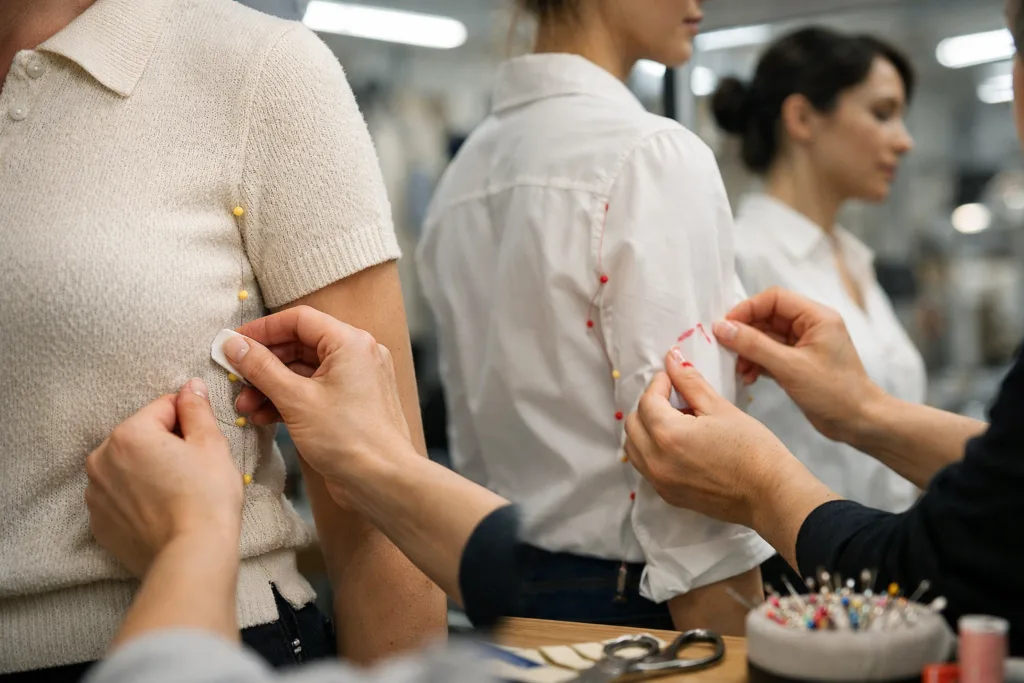
- Pinning and marking necessary alterations with sewing precision.
- Documenting corrections with clear, standardized notation.
- Aligning communication between designers, pattern makers, and production.
Fit Model Selection: Laying the Foundation
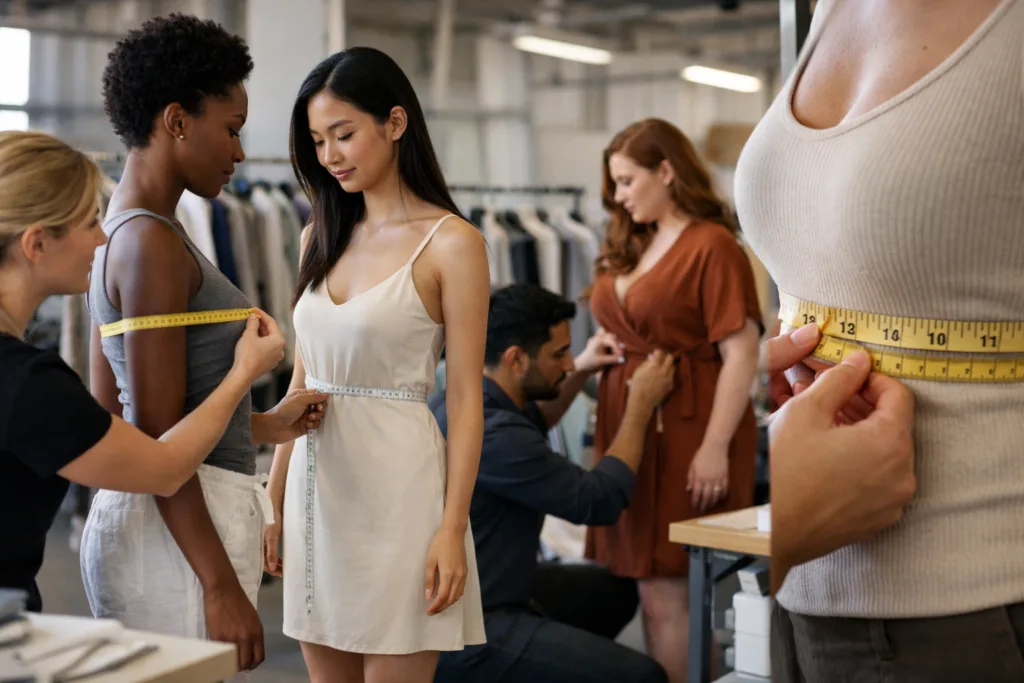
Choosing the right fit model sets the baseline for all sizing and comfort evaluations. Inexperienced model selection leads to misleading results and fit problems in bulk production—especially for global brands with diverse customer profiles.
Types of Fit Models
| Fit Model Type | Key Characteristics | Best For |
|---|---|---|
| Professional Fit Model | Standard measurements, trained posture, feedback skill | High-volume brands, technical fit precision |
| Target Consumer Model | Realistic body type, lifestyle habits | Emerging brands, niche lines, specific age/gender |
| In-House Staff Model | Available staff matching key garment size | Early prototyping, budget constraints |
Critical Measurement Profile
- Bust/Chest, Waist, Hip, Height, and Inseam for core fit categories.
- Shoulder width, sleeve length, rise for pants, and thigh circumference for fitted sportswear.
Rain’s Tip from the Production Line
Always validate the model’s measurements just before the session, as actual dimensions may change and small discrepancies can bias fit feedback.
Pinning & Marking for Precision Adjustments
Pinning and marking guide is the technical heart of the fit review. These visible cues translate a designer’s critique into pattern corrections or sewing adjustments. Every pin and mark should be deliberate, grounded in real measurement gaps and constructed to be readable by pattern makers and sewing technicians.
Key Pinning Techniques
- Pin excess fabric flat along seamlines to indicate reduction points (e.g., armhole gapping, waist looseness).
- Mark length adjustments near hems, cuffs or waistband using chalk or washable pen.
- Highlight issues in mobility zones: rise on pants, sleeve pitch, across shoulder balance.
- Use colored threads for multi-correction sessions (red for taking in, blue for letting out).
Best Tools for Professional Marking
- Fine dressmaker pins—flat heads for minimal fabric distortion.
- Tailor’s chalk and wash-away markers for breathable, non-permanent edits.
- Measuring tapes with clear metric/inch indicators, ideally soft/flexible.
Common Pinning & Marking Mistakes
- Pinning through too many layers, causing inaccurate fitting signals.
- Using shortcuts (loose marking, imprecise darts) not visible in production rooms.
- Failing to annotate left/right difference, especially in asymmetric designs.
Documenting Corrections and Fit Review Notes
Fit corrections must be communicated clearly—otherwise changes might not reach the pattern room, or instructions may get misinterpreted. Professional documentation bridges design intent and technical feasibility.
Standard Formats for Correction Documentation
- Fit comment sheets: One row per issue with location, observation, and recommended action.
- Photographic evidence: Images annotated with arrows, color codes, and written clarification.
- Pattern overlay diagrams: Digital sketches showing before and after linework.
Sample Fit Review Correction Table
| Location | Observation | Action | Responsibility |
|---|---|---|---|
| Armhole | Gapping by 1.5cm | Reduce pattern by 1.2cm | Pattern Team |
| Waist | Loose by 2cm, fabric bunching | Pin to reduce, adjust seam line | Sewing Tech |
| Hem | Too short after wash | Add 2cm fabric shrinkage allowance | Pattern Team |
Rain’s Documentation Advice
Never skip documenting why a change is made—record wash test data, fit model feedback, and precise measurements for every correction. This keeps all teams in sync and speeds up repeat fit approval.
Communication Workflow: Aligning Team Actions
Fit reviews involve designers, technicians, production managers, and model feedback. The communication workflow must ensure that corrections, rationale, and priorities are transmitted from showroom to pattern room without loss of detail.
Fit Session Communication Checklist
- Record fit session attendance—include key decision-makers.
- Distribute annotated images and fit sheets within 24 hours post-session.
- Schedule follow-up meetings for contentious observations.
- Maintain one central version of correction sheets and digital files.
- Confirm pattern updates before making the next sample run.
- Collect approval signatures for major fit changes.
Managing Global or Remote Teams
- Use shared cloud drives for fit documentation and annotated photos.
- Run interactive video sessions with close-ups on garment details.
- Record live measurements on camera for quality assurance.
- Employ standard reporting terminology for cross-country clarity.
Fit Session Preparation: Equipment and Setup
Professional fit sessions start with careful preparation to prevent errors and delays. Steamed, well-pressed samples and a clean, well-lit room create an environment for precise evaluation. Here’s what your team needs to prepare for an effective session:
Garment Preparation
- Steam and press all garments to remove transit wrinkles.
- Conduct pre-wash (if shrinkage or wash performance is being tested).
- Arrange garments in order—base size first, then graded sizes.
Technical Tools
- Flexible tape measures, digital calipers for critical fit points.
- Pin cushions, tailor’s chalk, high-contrast marking pens.
- Camera or smartphone with high-resolution for documentation.
- Fit comment templates or digital tablets for real-time notes.
Session Environment Recommendations
- Use neutral, non-distracting backgrounds for clear visual focus.
- Ensure proper lighting—ideally daylight or daylight-balanced LEDs.
- Provide mirrors for 360-degree garment review.
- Minimize distractions and keep non-essential personnel out of review area.
Real-World Fit Challenges: Practical Problem Solving
No fit session goes exactly as planned. Unexpected garment behavior—fabric stretch, shrinkage after wash, torque in knits, or seam puckering—often demands quick thinking. Experienced fit technicians rely on a methodical checklist to resolve these issues:
Common Fit Problem-Solving Steps
- Check fabric composition and GSM for stretch and recovery.
- Assess seam construction: If overlock stitch is causing excess bulge, adjust SPI or switch stitch type.
- Measure post-wash shrinkage rate; compare to factory tolerance (+/-1cm typical for knits).
- Identify pattern distortion: Skew tests for T-shirts or hoodies, especially in single jersey fabrics.
- Mark and photograph every anomaly for direct comparison with original pattern and spec sheet.
Stitch Impact Reference Table
| Stitch Type | ISO Code | Best For | Potential Fit Risk |
|---|---|---|---|
| Overlock | 504/514 | Side seams, knits | Bulkiness, puckering |
| Coverstitch | 602 | Hem, rib attachment | Loose threads in high stretch |
| Lockstitch | 301 | Wovens, precise topstitch | Seam breakage if too tight |
Fit Review for Specialty Garments
Different garment categories require nuanced fit evaluation methods. Sportswear, workwear, and children’s wear have unique anatomical and performance needs. Here’s how to adapt your session for major product types:
Sportswear Fit
- Test movement range—squat, reach, twist.
- Analyze panel placement for body mapping and breathability.
- Evaluate stretch recovery for fabrics including spandex/elastane blends.
Workwear Fit
- Check coverage zones (knee, elbow, back rise).
- Assess ease allowance for layering.
- Verify durable seams and reinforcements like bartacks and rivets.
Children’s Wear Fit
- Ensure unrestricted movement for play.
- Test comfort against sensitive skin, verify OEKO-TEX® compliance.
- Examine all trims for safety—no choking or sharp edges.
Fashion Garment Fit
- Achieve target silhouette: slim, regular, relaxed, or oversized fit.
- Balance style intent and practicality—especially in designer lines.
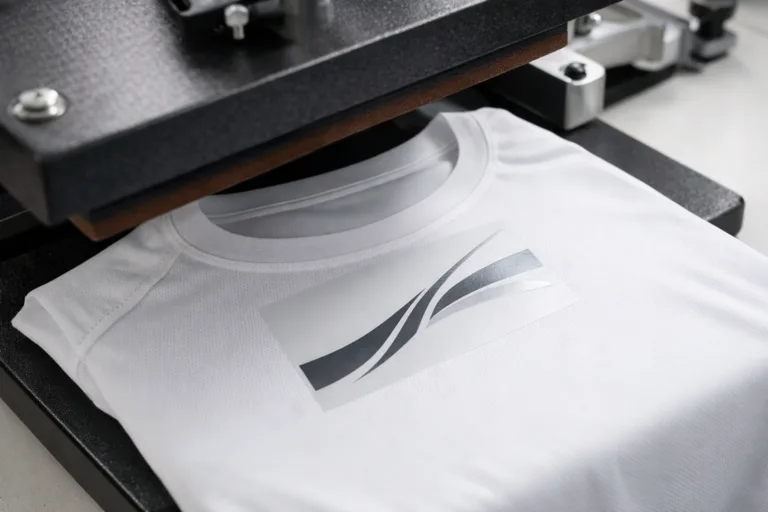
- Validate decoration placement for brand impact (embroidery, patches, print).
Garment Fit Session, Fit Review
The terms “garment fit session” and “fit review” often overlap in apparel development, but each plays a distinct role in ensuring product precision. A garment fit session is the hands-on, face-to-face process of trying clothes on a model, pinning, adjusting, and collecting instant feedback. The fit review, on the other hand, encompasses the broader quality assurance and documentation steps that follow the session.
Definition and Importance
A professional garment fit session dives deep into construction, silhouette, and movement, with every step grounded in real measurement and standardized protocol. It identifies discrepancies between design specs and sample execution, allowing for systematic improvement. A fit review systemizes these findings, ensuring that technical corrections are communicated effectively across design and production teams, establishing a chain of accountability and repeatable quality.
Parameters to Monitor
- Garment dimensions: measure each critical point against spec sheet.
- Tolerance values: assess whether dimension variance is acceptable (+/-1cm standard for knits, +/-0.5cm for wovens).
- Balance and symmetry: visualize left/right accuracy and style intent.
Common Mistakes
- Poor model match—choosing a model outside the target spec range.
- Informal documentation—missing measurements, vague notes.
- Lack of communication—corrected samples not reviewed before bulk approval.
Practical Fit Session Tips
- Schedule fit sessions early in the sample cycle to allow pattern refinement.
- Include both designer and technician perspectives for rounded feedback.
- Always document final corrections and lock pattern changes before next proto runs.
Quality Assurance and Compliance in Fit Review
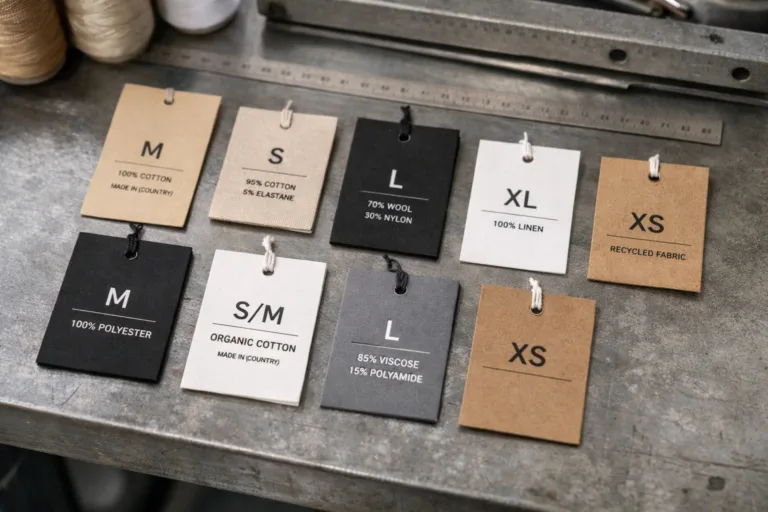
Regulatory compliance is an essential element in garment fit sessions, especially for export markets and children’s products. Professional QA integrates fit reviews with compliance checks, ensuring that tags, trims, and fabrics meet standards such as OEKO-TEX®, REACH, and local law requirements.
Key Compliance Factors
- Nickel-free trims for children’s and sensitive skin categories.
- Needle control and metal detection in final packed garments for food service/workwear.
- Restricted substances list—ensure dyes, chemical finishes, and textile inputs meet global regulations.
QA Fit Testing Steps
- Conduct post-wash fit testing for shrinkage and distortion checks.
- Run colorfastness, abrasion, and pilling tests as per category norms.
- Validate trim durability and user safety in specialty categories.
- Collect signed QA reports before green-lighting bulk production.
Post-Fit Review: Final Steps Before Bulk Production

Once corrections are documented and responsibility assigned, the production team must execute the changes on updated PP samples and size sets. The final post-fit workflow includes:
Bulk Approval Sequence
- Update master pattern with finalized corrections and annotation.
- Produce and review PP (Pre-Production) samples for all critical sizes.
- Perform final size set run, ideally with actual fit models again.
- Sign-off by design and technical heads with photographs and measurement charts attached.
- Release spec sheet and final graded patterns to production.
Tracking Long-Term Fit Consistency
- Retain fit session records, annotated samples, and signed correction sheets for reference.
- Monitor bulk production runs for recurring fit issues; schedule periodic re-testing.
- Feedback loop: Collect consumer or retail insights to update future fit reviews.
Frequently Asked Questions
What is a garment fit session?
A garment fit session is a structured try-on process using a fit model to assess how a sample garment matches intended design, comfort, and sizing specifications before approving for mass production.
How do I select the right fit model?
Choose a fit model whose measurements closely match your target customer profile and core size spec; always verify actual measurements before the session for accuracy.
Why is pinning and marking important in fit reviews?
Pinning and marking highlight necessary adjustments, making corrections visible and actionable for pattern makers and sewing technicians to revise prototypes precisely.
What should be documented during a fit session?
Document all measurement discrepancies, adjustment marks, annotated photos, and detailed correction notes in standardized templates to ensure clarity and accountability.
How does the communication workflow impact fit session quality?
Efficient communication ensures every change, reason, and measurement reaches all stakeholders, reducing errors and ensuring pattern corrections are accurately executed in production.
When should a fit review be repeated during product development?
Repeat fit reviews after any significant pattern or material change, and before each major production milestone to prevent bulk errors and maintain sizing consistency.