Introduction
Finishing a garment hem can make or break the final look of any clothing piece. Whether you’re sewing for fun or working on professional apparel, understanding hemming techniques and following a garment hem guide ensures your hems look neat, durable, and appropriate for the fabric type. This article takes a detailed dive into the world of hems, explaining various methods including rolled, blind, and coverstitched hems. We cover the machines used, stabilizers, differences between skirt and knit hems, and practical advice to help you sew a perfect hem every time.
Essential Hemming Techniques: Overview
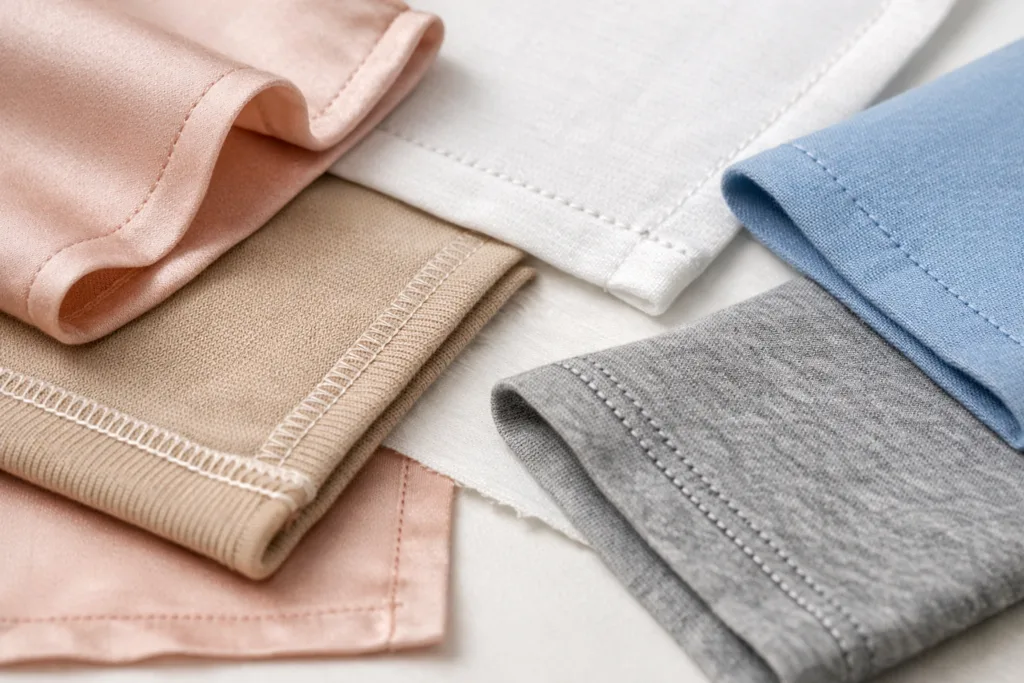
Hemming is the process of finishing the edge of a garment to prevent fraying and maintain a polished appearance. Among the many approaches, rolled, blind, and coverstitched hems stand out for their specific applications and professional results. Choosing the right hemming technique is key to achieving the desired finish for your garment, and each method suits certain fabric types and design goals.
Types of Garment Hems
There are a variety of garment hems, each tailored for different looks and purposes. The most common types are:
- Rolled Hem: Lightweight, discreet finish suited to delicate fabrics.
- Blind Hem: Nearly invisible on the outside; ideal for dress trousers and skirts.
- Coverstitched Hem: Strong, flexible hem for knit fabrics and stretch garments.
- Double-Fold Hem: Durable, simple, good for thicker materials.
- Faced Hem: Uses a separate facing piece on complex curves.
- Raw Edge Hem: Modern aesthetic for stable fabrics.
Machines Used for Hemming
Sewing machine technology greatly influences the result of your hemming techniques. Here’s what you’ll need for each:
- Standard Home Sewing Machine: Handles double-fold, blind, and faced hems.
- Serger/Overlocker: Achieves clean rolled hems quickly, secures raw edges.
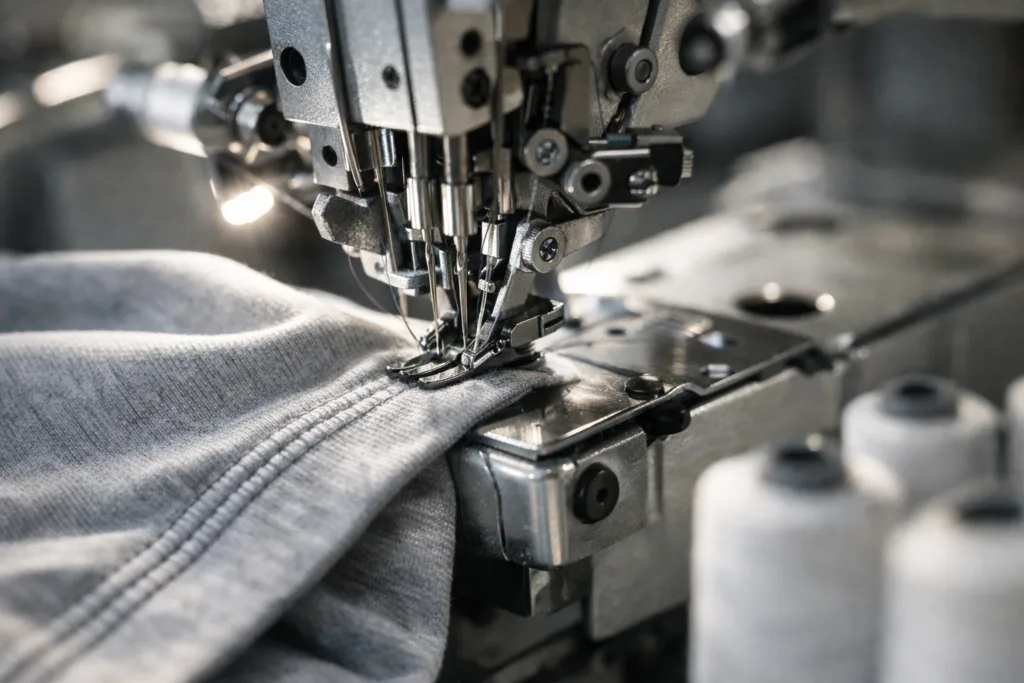
- Coverstitch Machine: Specializes in stretchy knit hems with parallel topstitching.
Traditional Rolled Hem: When and How
Rolled hems create a narrow, tightly rolled finish—perfect for silk scarves, lightweight blouses, and sheer fabrics. It involves turning under the fabric edge twice and stitching narrowly. Use a rolled hem foot or a serger for speedy results and minimal bulk.
Blind Hem: Subtle and Professional
Blind hems are nearly invisible from the outside. This technique is popular for formal wear, trousers, and occasion skirts. A blind hem foot swings the needle in a zigzag pattern, catching just enough thread to hold the hem while remaining hidden on the garment’s face.
Coverstitched Hem: The Gold Standard for Knits
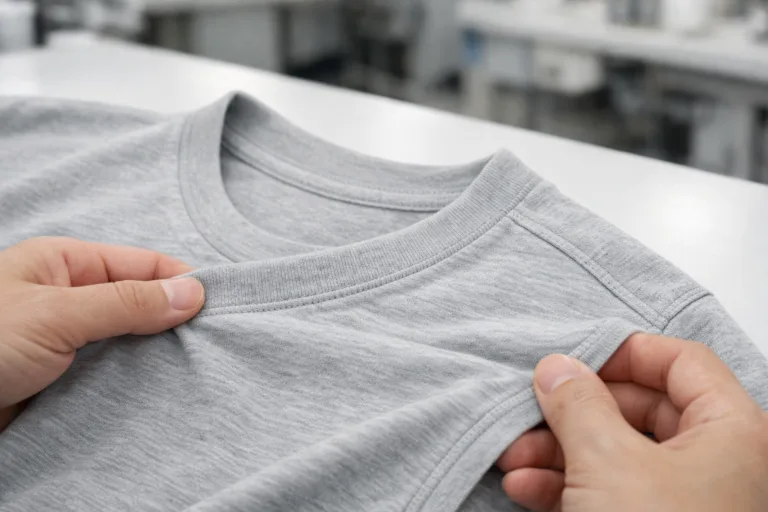
For stretchy garments like t-shirts or leggings, a coverstitch hem is unbeatable. The coverstitch machine forms parallel lines on the front, with a secure looper thread underneath. This method stretches with the fabric, preventing popped stitches and puckering.
Double-Fold Hem: Simplicity and Strength
The double-fold hem, often found on jeans and casual skirts, is both sturdy and easy to sew. Simply turn the edge under twice to encase the raw edge, then topstitch. It’s suitable for woven cotton, denim, and heavier materials.
Faced Hem: Complex Curves Made Simple
Faced hems solve the challenge of finishing curved and shaped edges without puckering. You attach a shaped facing that matches the garment’s contour, stitch, and turn it for a clean finish. Common in tailored jackets and dresses with flared hems.
Raw Edge Hem: Modern Minimalism
Fashion-forward designers sometimes choose raw edge hems, especially for stable synthetic blends or denims. The fabric edge is left exposed or lightly secured with a row of stitching for purposely frayed appeal. Use with caution, as unstable fabrics may unravel.
Stabilizers: Make or Break Hem Quality
Stabilizers play a key role when working with tricky fabrics. Light fusible web or tear-away stabilizers support thin or slippery textiles, delivering crisp hems. Apparel Wiki’s Rain Chen notes that factory-level QC checks often catch buckled hems caused by skipped stabilizer use—especially on bias-cut areas or high-stretch knits.
Finishing Hems on Skirts vs. Knits
Skirt hems typically require stability and subtlety, while knit hems demand stretch and recovery. Woven skirt hems do well with blind or double-fold techniques; knits are best finished with a coverstitch or serged rolled hem. Always test the hem method on scrap fabric to prevent issues with stretching or flaring.
Choosing Hem Type by Fabric
Selecting your hemming technique by fabric type is crucial:
- Lightweight Silks, Chiffons: Rolled hem
- Knit Jersey, Spandex: Coverstitched hem
- Denim, Twill: Double-fold hem
- Linen, Cotton Voile: Blind or rolled hem
Measuring and Marking for Accurate Hems
Accuracy counts. Use a hem gauge, tailor’s chalk, or washable marker to mark your fold edge. For mass production, professional graders rely on calibrated templates and reference blocks to achieve consistent hems across sizes.
Pressing Techniques: Crisp vs. Soft Hems
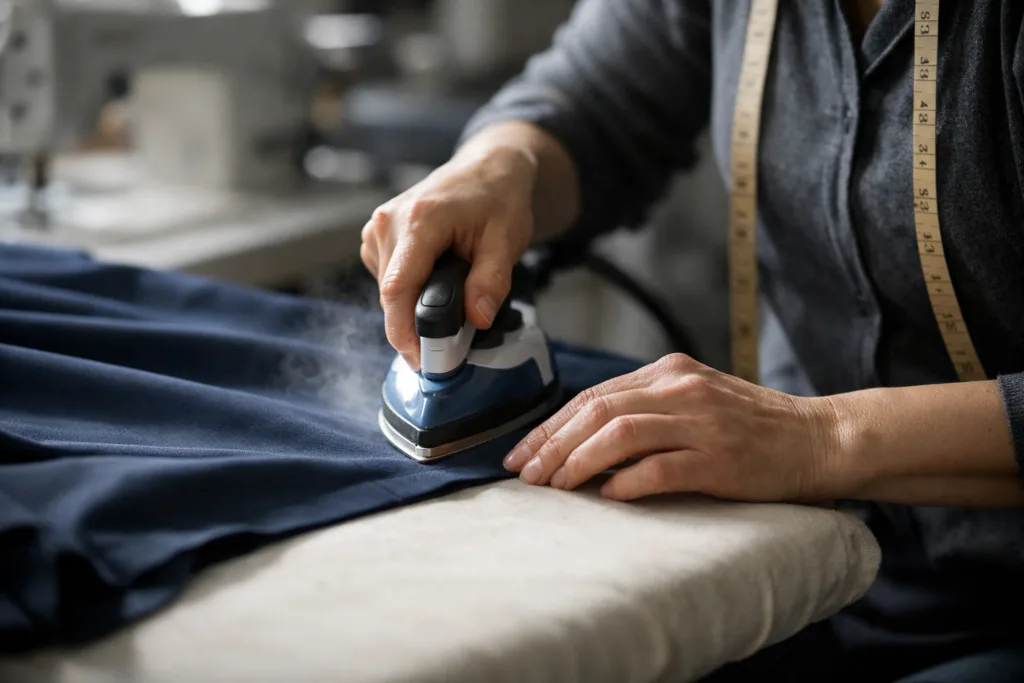
Proper pressing locks your hem in shape before stitching. For crisp hems (skirts, pants), use steam and a pressing cloth. For soft hems (knits, delicate overlays), reduce heat and avoid stretching out the garment as you press.
Thread Selection for Durability and Appearance
Use polyester or cotton-wrapped poly threads for most hems. For visible topstitching or coverstitch, matching or contrasting thread can be used to add style or reinforce seams. Apparel Wiki suggests using quality thread—cheap choices can lead to knotting and premature hem failure.
Edge Finishing Options Before Hemming
Sergers are the go-to for pre-hemming edge finishes. Zigzag stitching, pinking shears, or binding also help prevent fraying. Raw hems skip this step, but most traditional hems need it to hold shape.
Handling Curved and Flared Garment Hems
Curved hems, often seen on circle skirts, call for extra care: eased stitching or small vertical cuts (notches) help the hem lie flat. Faced hems or bias tape are effective solutions for challenging curves.
Hemming Slippery and Sheer Fabrics
For satins, chiffons, or silks, narrow rolled hems or French hems provide a delicate finish. Stabilizing sprays or lightweight strips of fusible can keep edges from shifting as you sew.
Bulk Reduction Techniques for Thick Fabrics
For denim, tweed, or wool, trim seam allowances and press them well. When folding hems, offset seams so they don’t overlap in one spot. Upholstery-weight fabrics may benefit from hand-sewn catch stitches to reduce visible bulk.
Common Hemming Problems and Solutions
Issues like tunneling, puckering, or uneven hems often trace to fabric mismatch, poor stabilizer use, or incorrect machine settings. Always test and adjust stitch width, length, and thread tension for the specific garment fabric.
Factory Hemming SOPs and Apparel Wiki Insights
Rain Chen from Apparel Wiki highlights that standardized operating procedures (SOPs) in apparel factories focus on repeatable, high-quality hems. Checkpoints include sample approval, stitch specs, pressing method, and reinforcement on stress points for longer-lasting results.
Comparing Hemming Techniques: Pros and Cons
| Hem Type | Pros | Cons | Best For |
|---|---|---|---|
| Rolled Hem | Lightweight, professional look | Unsuitable for thick fabrics | Sheers, silks |
| Blind Hem | Invisible finish, suits formal wear | Requires precision, special foot | Trousers, skirts |
| Coverstitch | Stretch, durability | Needs specialized machine | Knit shirts, leggings |
| Double-Fold | Simple, sturdy | Bulky on heavy fabrics | Denim, casual wear |
| Raw Edge | Trendy, easy | Risk of fraying | Denim, synthetics |
Maintaining Hem Quality Over Time
To maximize hem longevity, reinforce start and end points, avoid thread tails, and backstitch discreetly where needed. For high-traffic hems—like pants or athletic wear—flame sealing or overcasting prevents premature wear.
Costing and Time Considerations
Simple hems cost less in labor and supplies; intricate finishes require skilled operators and more machine time. Quick production often leans on serger-based techniques for consistency across larger batches.
Troubleshooting Machine Settings for Perfect Hems
If your machine skips stitches, adjust needle type, thread weight, and presser foot pressure. It’s wise to create a few sample swatches before committing to the actual garment hem.
Summary: How to Sew a Perfect Hem: Rolled, Blind, Coverstitched
Whether you’re hemming delicate silks, stretchy knits, or rugged denim, choosing the right hemming technique and equipment ensures your garments look professionally finished and hold up through years of wear. Pay attention to stabilizers, fabric type, machine settings, and industry guidance to sew a perfect hem every time. Small choices—like thread selection and pressing method—can make a lasting difference. With practice and a reliable garment hem guide, you’ll master rolled, blind, and coverstitched hems for all your sewing projects.
Frequently Asked Questions
What is the difference between a rolled hem and a double-fold hem?
A rolled hem uses a very narrow, tightly rolled edge, ideal for lightweight fabrics; a double-fold hem turns the edge twice, great for sturdy fabrics like denim.
When should I use a coverstitch machine for hemming?
Use a coverstitch machine for knit fabrics or activewear when you need a stretchy hem that won’t pop or pucker.
Do I need stabilizer for hemming all fabrics?
Stabilizer is essential for slippery or stretchy fabrics to maintain a stable hem, but not always needed for stable woven materials.
What causes puckering in skirt hems?
Puckering can result from incorrect stitch tension, failure to ease curved edges, or poor pressing technique. Adjust settings and press properly.
How do manufacturers ensure consistent hem quality?
Apparel factories use standardized techniques, sample approvals, and regular QC checks to produce even, durable hems across all garments.
Can I machine hem sheer fabrics effectively?
Yes, use a rolled hem foot or serger for a fine, neat edge on sheers; test settings and stabilize as needed for best results.